Easy Food Safety Tips
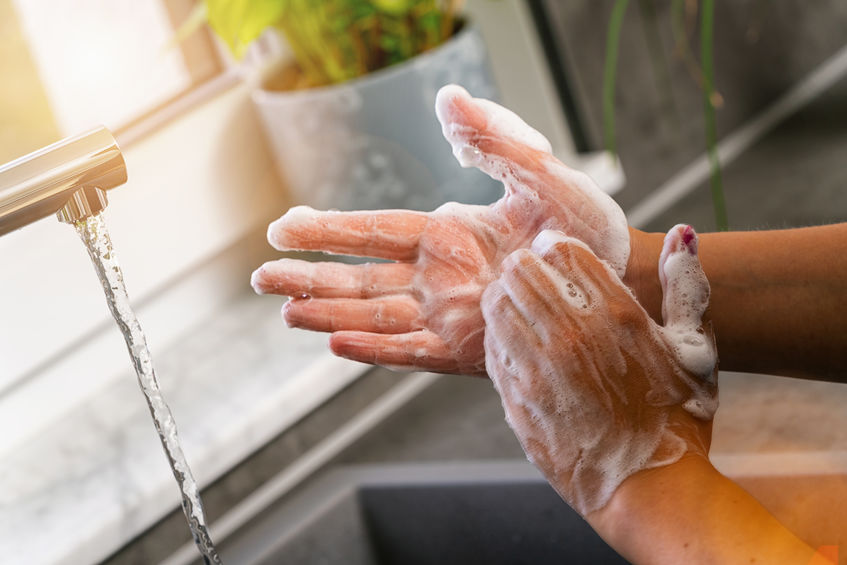
Practicing these easy food safety tips at home can stop most germs and bacteria from multiplying to levels that can make you and your family ill.
Since none of us want to deal with a tummy-ache we could have easily prevented, safe food handling is our best preventative weapon.
While most pathogens that occur naturally in uncooked foods are killed by proper cooking, many germs can spread long before you pop the entree into the oven.
These easy food safety tips can help keep everything you prepare for dinner contaminant-free.
Easy Food Safety Tips For The Usual Kitchen Culprits
The most common food contaminants - E. coli, hepatitis A, and salmonella - can find their way onto a sponge or dishcloth; you, in turn, can then spread the bacteria all over your kitchen unless you make an effort to stop them.
The single most important thing you can do to ensure your family's health and food safety is to wash your hands with warm, soapy water for at least 20 seconds before and after preparing raw meat and vegetables.
This will prevent you from spreading meat-, poultry- or fish-borne bacteria onto refrigerator doors, cabinet handles, and countertops, where they'll be lying in wait next time you reach for a leftover slice of pizza.
In addition to washing your hands, you can help prevent cross-contamination by washing utensils used to prepare raw items in hot, soapy water immediately after use.
That includes all knives, cutting boards, and serving platters that have held raw meat, fish, or poultry.
When grilling, don't serve meat on the same platter that you used to carry it outside before cooking. Either wash the original plate or use another when it comes time to serve the cooked goods.
If your kitchen counter comes in contact with even a drop of juice from uncooked meat, poultry, or fish, clean up the area with hot, soapy water and paper towels - not the sponge you use daily.
To kill all the germs, however, you'll need to clean the surface with a mild bleach solution (one-part bleach to nine parts water) or use a commercial disinfectant.
Keep all kitchen surfaces dry; bacteria can survive no more than a few hours when moisture is eliminated.
Regularly Clean Sponges and Dishcloths
Even your kitchen sponges and dishcloths - the very items that are supposed to help you get rid of lurking germs - can be part of the problem unless you clean them regularly.
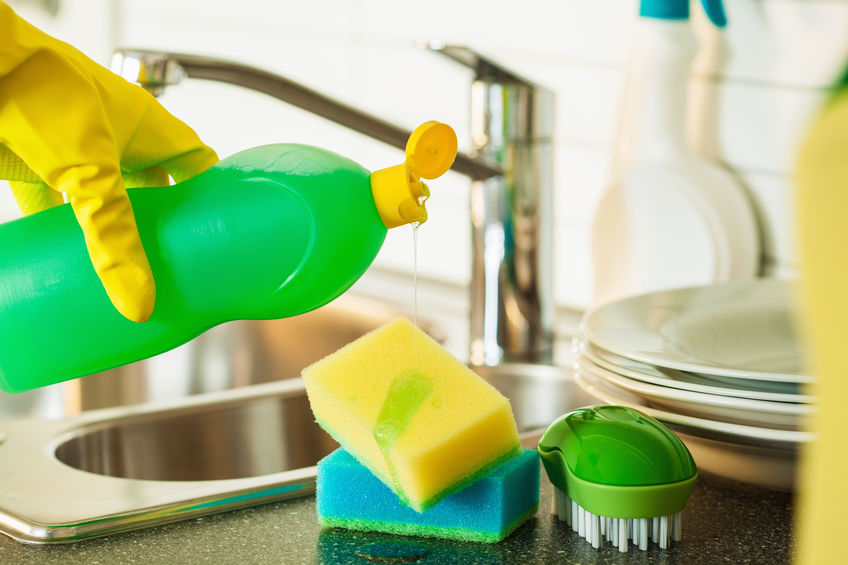
Replace sponges every two weeks. Regularly throw dishcloths in the washing machine - and always use hot water and bleach.
Experts recommend using a plastic cutting board (not wood) for raw meats - it is less likely to harbor bacteria. Wash in hot, soapy water after each use.
Easy Food Safety Tips for Keeping Germs at Bay
Always eat food while it's hot and refrigerate leftovers promptly. Prepared or cut food, including fruit, should not sit unrefrigerated for more than two hours in cold weather, one hour when it's warm.
If the food item has been left out, toss it. Always store eggs in the fridge, and discard those with cracked or broken shells.
Resist the urge to taste-test if you're unsure about something - even a small amount of contaminated food can make you very ill.
Put dates on leftovers in the fridge so that you can use them within a safe period - usually a few days. Determining a food's safety by odor or appearance is risky; spoilage isn't always evident.
Finally, wash produce before you eat or cook it to remove surface germs. That way, you won't contaminate other surfaces after touching these foods.
Food Safety Tips for Handling and Storage
Defrosting
- In the refrigerator: Thaw frozen meat overnight; large cuts may take longer.
- On the countertop: Place meat in a watertight plastic bag and submerge in a bowl of cold water. Leave just until thawed, changing the water every 30 minutes. Cook or refrigerate promptly.
- In the microwave: Use the defrost setting, then finish cooking immediately.
Food Handling
- Wipe cooking surfaces clean with hot, soapy water before and after cooking; rinse the surfaces thoroughly; dry well with paper towels.
- Wash hands (with soap and hot, running water) before preparing food and after touching raw meat.
- Wear rubber gloves if there are cuts or sores on your hands.
- Use separate cutting boards for meats and nonmeats (or disinfect with amild bleach solution between uses).
- When pounding meat or chicken, cover with a layer of plastic wrap to avoid splattering juices.
- Wash (with hot, soapy water) all utensils that have touched raw meat.
- Keep drippings from raw meats away from other food.
- Disinfect surfaces after contact with raw meat or juice from the meat.
- Rinse fruits and vegetables thoroughly before eating or cooking them, to rid them most effectively of germs and pesticide residue, wash them in a pint of water with a few drops of dishwashing soap added; rinse thoroughly.
Cooking
Cook to these internal temperatures:
- Beef, veal, lamb (steaks and roasts): 145 F (63 C)
- Fish: 140 F (60 C)
- Ground beef: 160 F (72 C)
- Poultry: 180 F (83 C)
- Pork: 160 F (72 C)
Serving and Storing
- Wash in hot, soapy water any utensils used in preparing food before using them to serve food.
- Eat hot food while it is still warm; eat cold food while it's still cold.
- Refrigerate leftovers promptly.
- Date leftovers and use them promptly; if in doubt about freshness, discard.
You Might Like These:
Easy Kitchen Cleaning Tips
Easy kitchen cleaning tips. One study of the germiest areas of the home found the top 5 areas were in the kitchen: These kitchen cleaning tips for debugging these areas can help
Kitchen Study Room Ideas
These kitchen study room ideas can help you create a functional, efficient space for your child's homework efforts, whether that is in the kitchen, or elsewhere in your home.
The Refrigerator Temperature Matters
The refrigerator temperature matters. Not having the proper refrigerator temperature could make you sick. Used correctly, your refrigerator will keep food safe from spoilage and bacteria.
Creating a Kitchen Recycling Center
You've got items for recycling, especially in the kitchen. So why not create a kitchen recycling center to organize the recyclables?
Fridge Food Storage Tips
Used correctly, your refrigerator provides safe food storage. Used incorrectly, it could cause big trouble. These fridge food storage tips can help.
Kitchen Energy Saving Solutions
Kitchen appliances use more electricity than you might think. These kitchen energy saving solutions can help lower your gas and electric bills.
Frozen Food Storage Tips
Frozen food storage is essential to do right so that the items inside won't spoil as quickly or get the dreaded freezer burn. These frozen food storage tips can help.
Food Shelf Life Guide: How Long Foods Last
You know when the food in your fridge has turned: The lettuce is more brown than green. But what about other items? This food shelf life guide can help.


- Clean Home
- Kitchen
- Easy Food Safety Tips