Christmas Plant Care: How to Keep Holiday Plants Happy
Christmas plants arrive in our homes under unusual circumstances.
They're wrapped in shiny foil.
Placed beside fireplaces.
Moved onto tables for dinner.
Decorated with bows, glitter, and tiny ornaments.
Then we wonder why the plant looks concerned.
Most holiday plants don't need complicated care. They need something much less festive:
The right light, reasonable temperatures, proper watering, and a well-draining pot.
Give them those things, and many Christmas plants can last well beyond the holidays.
Some can live for years.
Here's how to keep the most popular holiday plants healthy—and avoid loving them to death with a watering can.
1. Start With a Healthy Plant
Whether you're buying a plant for yourself or as a gift, inspect it before you buy.
Look for:
- Healthy foliage
- Strong stems
- No obvious wilting
- No widespread yellowing
- No visible insects
- No mushy or damaged growth
- Soil that isn't completely waterlogged
Look underneath leaves too.
A beautiful holiday wrapper can distract from a plant that's already struggling.
The bow is not diagnostic.
2. Protect Plants on the Trip Home
People often buy holiday plants when outdoor temperatures are much colder than the conditions where they were grown.
Protect them during transport.
Have the store wrap the plant when appropriate, minimize its time outdoors, and don't leave it sitting in a cold—or unusually hot—car while you continue shopping.
A tropical plant's introduction to your family should not begin with 45 minutes in a freezing parking lot.
3. Remove or Adjust Decorative Foil
That shiny foil around the pot looks festive.
It can also interfere with drainage if water collects inside it.
When watering, make sure excess water can drain freely.
You can:
- Remove the decorative cover
- Take the plant out of the cover for watering
- Provide appropriate drainage another way
Then empty any collected water before returning the plant to its decorative container.
Roots need moisture.
They do not need a swimming pool.
4. Don't Water on a Calendar
“Water every Tuesday” sounds wonderfully organized. Plants have declined to cooperate.
How often a plant needs water depends on:
- Plant type
- Pot size
- Soil
- Temperature
- Humidity
- Light
- Growth stage
Check the plant and soil rather than automatically watering because a certain number of days have passed.
Plants cannot read calendars.
Fortunately, they communicate quite well through dirt.
A handy watering tool: An XLUX Plant Soil Moisture Meter can help you check moisture below the soil surface before watering.
It’s especially useful when the topsoil feels dry, but the roots may still be in damp soil. Use the reading alongside each plant’s care requirements.
5. Check the Soil Before Watering
For many common holiday houseplants, soil moisture is a much better guide than the day of the week.
Touch the soil.
Learn what the particular plant prefers.
Some should dry somewhat between waterings.
Others prefer more consistent moisture.
What nearly all of them dislike is being watered indiscriminately because someone was walking past with a pitcher.
6. Make Sure the Pot Drains
Drainage matters.
If excess water cannot escape, roots can remain saturated and develop problems.
Check the bottom of the pot.
If the nursery pot has drainage holes but sits inside a decorative cachepot, remove it for watering and allow excess water to drain before replacing it.
If water collects in a saucer, don't leave the plant sitting in it indefinitely.
Holiday plants are decorative.
They are still plants.
Botany remains in effect through December.
Poinsettia Care
The poinsettia is the undisputed celebrity of Christmas houseplants.
It arrives everywhere in December—stores, offices, churches, parties and the home of every person who said, “I wasn't going to decorate much this year.”
Fortunately, poinsettias aren't particularly mysterious.
7. Give Poinsettias Bright Light
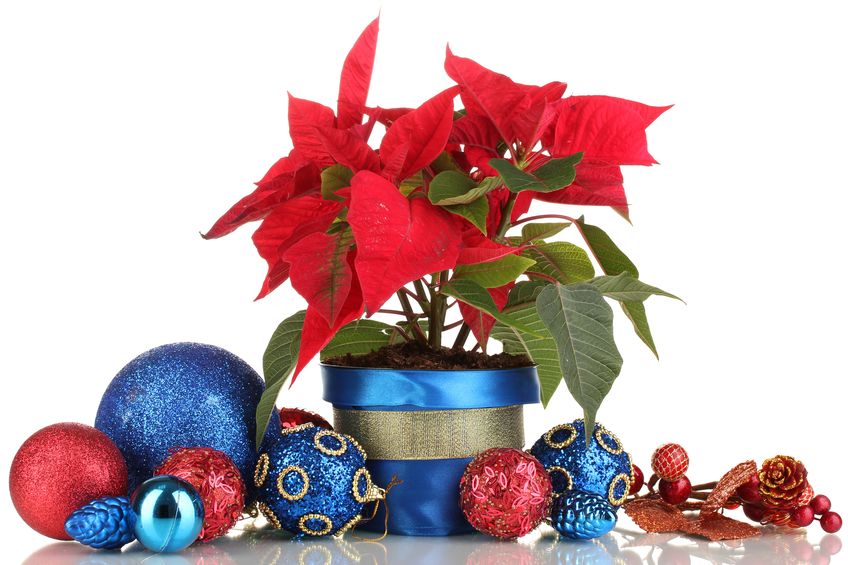
Place poinsettias where they receive plenty of bright light.
A bright window works well, as long as the plant isn't exposed to temperature extremes.
Don't put it in a dark corner just because the red leaves look best with the rug.
Interior decorating and plant care occasionally have conflicting objectives.
The plant gets a vote.
8. Keep Poinsettias Away From Temperature Extremes
Avoid locations directly beside:
- Heating vents
- Radiators
- Fireplaces
- Frequently opened cold doors
- Other strong hot or cold drafts
A reasonably stable indoor environment is preferable.
The mantel beside a roaring fire may look magnificent.
The poinsettia may have a different review.
9. Water Poinsettias When They Need It
Check the potting soil regularly.
Water when the soil feels dry, rather than keeping it continuously saturated.
Water thoroughly enough to moisten the root ball and let excess water drain.
Don't let the pot sit in water.
One of the easiest ways to damage a poinsettia is to assume Christmas generosity should extend to irrigation.
It shouldn't.
10. Don't Panic Over the Poinsettia Poison Myth
Poinsettias have a longstanding reputation for being lethally poisonous.
That reputation is exaggerated.
The plant's milky sap can cause irritation, and eating plant material can cause unpleasant symptoms, so poinsettias still belong where children and pets aren't likely to chew them.
But the common idea that a tiny poinsettia leaf is likely to cause fatal poisoning is not supported by poison-control guidance.
Still:
Don't eat it.
Don't let the dog eat it.
Don't garnish the Christmas ham with it.
Simple enough.
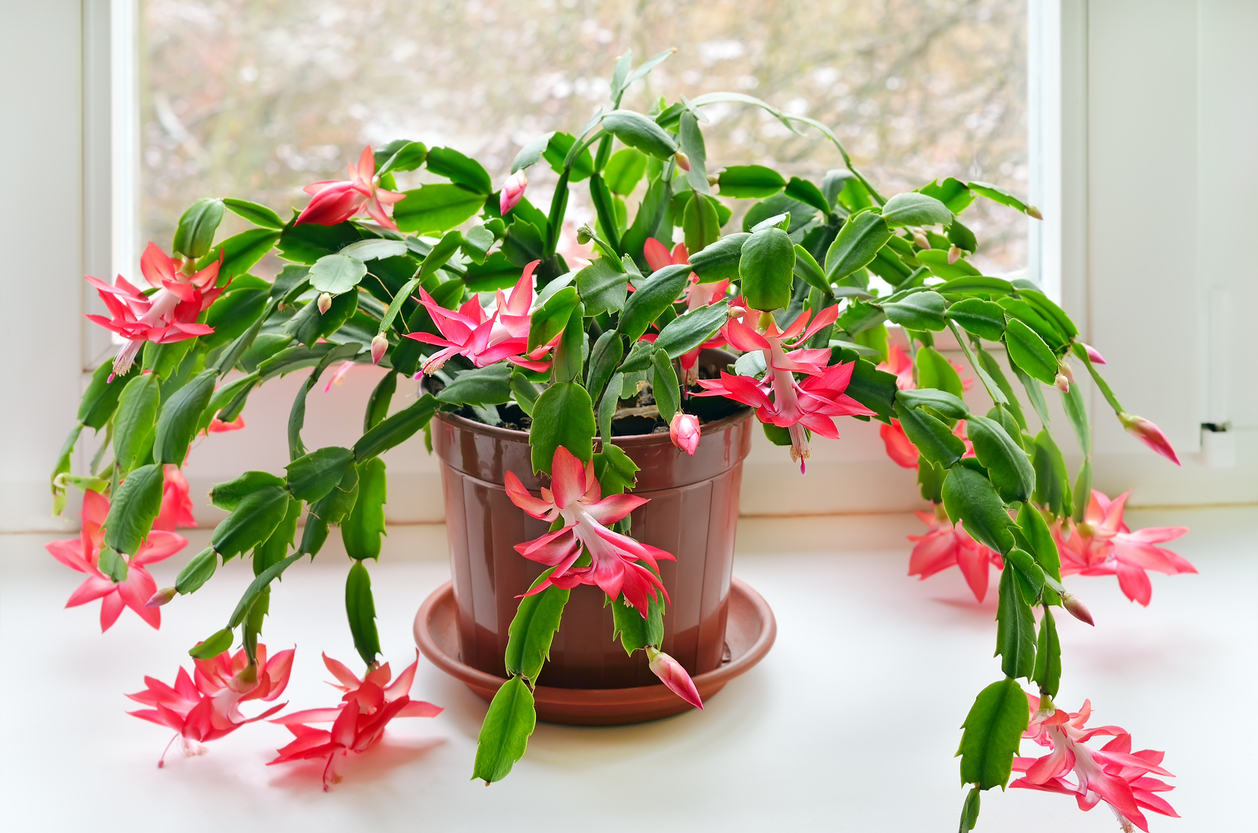
Christmas Cactus Care
Christmas cactus has one enormous advantage over many seasonal decorations:
It may still be in your house twenty Christmases from now.
Properly cared for, these plants can be remarkably long-lived.
11. Give Christmas Cactus Bright, Indirect Light
Christmas cactus generally does well with bright, indirect light.
Protect it from harsh conditions that may scorch or stress it.
Unlike a desert cactus sitting in blazing sun, Christmas cactus comes from a different natural environment and has somewhat different preferences.
Its name has caused considerable cactus profiling.
12. Don't Treat Christmas Cactus Like a Desert Cactus
Christmas cactus doesn't want to remain bone-dry for enormous stretches simply because “cactus” appears in the name.
Check the potting medium and water appropriately when it begins to dry.
At the same time, don't leave the roots constantly saturated.
Good drainage remains important.
The goal is neither desert nor swamp.
13. Don't Constantly Move a Budding Christmas Cactus
Once your Christmas cactus is budding and you've found a spot where it's happy, resist the urge to keep relocating it for decoration.
Abrupt environmental changes can stress plants.
Let it enjoy its spot.
Your Christmas cactus does not need to attend every holiday gathering in the house.
14. Keep It After Christmas
Don't automatically discard a Christmas cactus when flowering ends.
Continue normal plant care.
With appropriate light, watering, and seasonal conditions, it can bloom again.
This is a houseplant wearing Christmas branding.
Not disposable décor.
Amaryllis Care
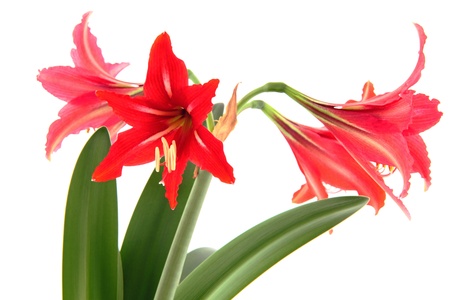
Amaryllis earns its holiday reputation dramatically.
You begin with what looks like an oversized onion.
Then a stalk emerges.
Then suddenly there are enormous flowers and the plant is leaning toward the window like it has somewhere urgent to be.
15. Give Amaryllis Bright Light
As the stalk grows, provide plenty of light.
Rotate the pot periodically if the plant begins leaning strongly toward the light.
A tall flower stalk can become top-heavy, so make sure the container is stable.
If necessary, provide appropriate support.
Amaryllis has confidence.
Balance is another matter.
16. Don't Drown the Bulb
Amaryllis bulbs can suffer if kept excessively wet.
Use a container with adequate drainage and avoid keeping the potting mix soggy.
As growth develops, monitor moisture and water appropriately.
Again, the presence of a holiday bow does not increase the plant's water requirements.
17. Keep Amaryllis After the Flowers Fade
Once the blooms are finished, the bulb isn't necessarily finished.
Remove faded flowers as appropriate, but preserve healthy foliage because the leaves help the bulb store energy for future growth.
With proper care, you can keep an amaryllis and encourage it to bloom again.
This requires more effort than tossing it in January.
But if you enjoy plants, it's worth trying.
If you don't?
You are allowed to enjoy one spectacular flowering season without signing a lifetime bulb contract.
Norfolk Island Pine Care
Norfolk Island pine is frequently sold as a miniature Christmas tree.
It is not actually a cold-hardy miniature version of the fir tree outside.
It's a tropical plant. That distinction matters.
18. Give Norfolk Island Pine Plenty of Light
Provide bright light and rotate the plant periodically for more even growth.
Long-term poor light can lead to weak, sparse growth.
If you bought one because it looked adorable in a dark corner, enjoy it there briefly for the party.
Then give the plant a better seat.
19. Protect Norfolk Island Pine From Cold
Because it's a tropical plant, Norfolk Island pine isn't automatically suited to freezing outdoor temperatures.
Don't assume that because it looks like a tiny Christmas tree, it can go out on the snowy porch.
Know your climate and the plant's requirements.
Costume does not determine cold hardiness.
20. Watch Both Water and Humidity
Avoid letting a Norfolk Island pine stay waterlogged, but don't let it dry out repeatedly either. Indoor heating can create dry conditions, which may contribute to browning.
Keep the plant away from drying heating vents and monitor its condition.
If branch tips begin browning, consider the entire environment rather than simply pouring in more water.
Brown foliage is a symptom. Not an instruction reading ADD TWO CUPS.
Cyclamen Care
Cyclamen produces beautiful flowers at exactly the time many other plants have stopped making an effort.
Its main complaint about our homes?
We often keep them warmer than it would prefer.
21. Keep Cyclamen on the Cooler Side
Cyclamen generally performs better in cool indoor conditions than beside a heat source.
Give it bright light and keep it away from heating vents and fireplaces.
A cool, bright location can help flowers last longer.
This is one Christmas guest who genuinely does not want the best seat by the fire.
22. Water Cyclamen Carefully
Keep the potting medium appropriately moist without leaving the plant waterlogged.
Good drainage is important.
Avoid carelessly soaking the center/crown of the plant.
Remove faded flowers and yellowing leaves as needed.
Cyclamen may eventually enter dormancy, depending on its growing cycle.
That doesn't necessarily mean you've killed it.
Plants have seasons too.
Some simply make their exits more theatrical than others.
Rosemary Christmas Tree Care
Rosemary topiaries shaped like tiny Christmas trees are irresistible.
Unfortunately, they are also commonly placed in warm kitchens and watered unpredictably until they become tiny brown Christmas trees.
23. Give Rosemary Lots of Light
Rosemary needs good light.
A dim interior corner is not an ideal long-term location.
Place it in a bright spot and follow the plant's needs rather than treating it like a decorative tabletop object.
Rosemary did not spend its evolutionary history preparing for life between a ceramic Santa and a bowl of candy.
24. Don't Keep Rosemary Soggy
Good drainage is essential.
Water appropriately, but don't let the roots stay constantly saturated.
At the same time, a small potted rosemary plant can dry faster than expected indoors.
Check it regularly.
The answer is observation—not alternating between drought and flood.
25. Think Beyond Christmas
Depending on your climate and growing conditions, rosemary may continue as a container plant or potentially move outdoors when appropriate.
If you want to keep it, learn what rosemary needs in your region rather than treating December care as the entire story.
And yes, you can cook with culinary rosemary if you know the plant hasn't been treated with products that make it unsuitable for food use.
Don't assume every ornamental plant was grown for eating.
Where Should You Put Christmas Plants?
When you're deciding where a holiday plant should live, consider four things:
Light
Can the plant get the light it needs?
Heat
Is it beside a fireplace, heater or vent?
Drafts
Will a door repeatedly expose it to cold air?
Practicality
Can you water it without moving twelve decorations and a ceramic reindeer?
The best decorating location and best plant location aren't always identical.
Compromise.
Let the plant look pretty for the party.
Then move it back to where it can continue having a life.
The Most Common Christmas Plant-Care Mistakes
Most holiday plant problems come down to a surprisingly short list.
Too Much Water
The plant looks sad.
You add water.
It looks sadder.
You add more water.
At some point, we have to consider that water may not be the solution.
Check the soil first.
No Drainage
Beautiful decorative pots and foil covers can trap water.
Make drainage part of the routine.
Too Little Light
Plants aren't furniture.
A dark hallway may look good for display but isn't suitable for long-term growth.
Too Much Heat
Fireplaces and heating vents can create difficult conditions.
Cold Drafts
A frequently opened exterior door may not be a great location for a tender plant.
Treating Every Plant the Same
Poinsettia.
Rosemary.
Cyclamen.
Christmas cactus.
Norfolk Island pine.
They aren't six varieties of “Christmas Plant.”
They're different plants with different needs.
Should You Mist Christmas Plants?
Not automatically.
Humidity requirements vary by plant, and misting isn't a substitute for correct watering or an appropriate growing environment.
If you're concerned about dry indoor conditions, first identify the plant and learn what it actually prefers.
Don't mist simply because it's December and a spray bottle is available.
Also keep water away from electrical decorations and surfaces that can be damaged by moisture.
Should You Fertilize Christmas Plants While They're Blooming?
Usually, your first priority with a newly purchased flowering holiday plant is keeping it appropriately watered, lit, and comfortable—not immediately feeding it.
Fertilizer needs vary by plant and growth stage.
If you're keeping the plant long-term, follow care recommendations for that species.
More fertilizer does not mean more Christmas.
Plants have resisted this marketing opportunity.
Christmas Plants and Pets
This is one area where knowing the exact plant matters.
Don't assume that something is pet-safe because it's sold as a Christmas plant.
Some plants may cause irritation or gastrointestinal symptoms; others can pose more serious concerns.
Lilies deserve particular caution in homes with cats: true lilies and daylilies can cause severe, potentially fatal kidney injury in cats.
If you have pets:
- Identify plants before bringing them home
- Check reliable veterinary toxicity information
- Keep questionable plants inaccessible
- Pick up fallen leaves and berries
- Don't assume “natural” means harmless
If you think a pet has eaten a potentially toxic plant, contact your veterinarian or an animal poison-control service promptly rather than experimenting with home remedies.
Christmas Plants and Children
The same general principle applies. Keep plants that may irritate or harm young children out of reach.
Watch for:
- Leaves
- Berries
- Sap
- Decorative picks
- Wire
- Small ornaments
- Plant-care products
A toddler can't tell the difference between a festive berry and a botanical warning label.
Do that job for them.
What to Do With Christmas Plants After the Holidays
On January 2, don't automatically carry every plant toward the trash.
Ask:
Do I actually want to keep this plant?
If yes, identify it and transition from temporary holiday care to appropriate year-round care.
If no, that's okay too.
You don't have to become a horticulturist because somebody brought you a poinsettia.
The important thing is making a decision.
Don't let dying Christmas plants linger around the house until March because disposing of them feels vaguely ungrateful.
The plant is not keeping score.
Which Christmas Plants Are Worth Keeping?
If you enjoy houseplants, several holiday favorites can live on well beyond December.
Particularly good candidates include:
- Christmas cactus
- Amaryllis
- Norfolk Island pine
- Rosemary
- Cyclamen
- Poinsettia
But “can be kept” doesn't mean “must be kept.”
A Christmas plant shouldn't become permanent household inventory solely because it survived January.
Keep plants you enjoy caring for.
The Five Rules of Christmas Plant Care
If you remember nothing else:
1. Identify the plant.
Different species need different care.
2. Give it appropriate light.
Holiday plants are living things, not table accessories.
3. Check before watering.
Don't water automatically.
4. Make sure excess water can drain.
Especially when decorative foil or cachepots are involved.
5. Protect it from temperature extremes.
Fireplaces, heating vents, and freezing drafts aren't doing your plants any favors.
That's most of it.
You do not need a degree in horticulture.
You need light, drainage, and some restraint with the watering can.
Christmas Plant Checklist
When a holiday plant enters your home:
- Identify it
- Check that it's healthy
- Protect it during transport
- Find the right light
- Keep it away from strong heat
- Protect it from severe drafts
- Check drainage
- Don't let decorative foil hold water
- Check soil before watering
- Consider children and pets
- Decide after Christmas whether you're keeping it
That's enough.
You do not need to tuck the poinsettia in at night.
The Bottom Line
Christmas plants don't know they're Christmas plants.
They don't know they're supposed to look beautiful beside the fireplace.
They don't know the dining-room table desperately needed something red.
And they certainly don't know you paid $34.95 for them at the garden center.
They know:
Light.
Water.
Temperature.
Drainage.
Give each plant what that particular plant needs rather than treating all holiday plants alike.
Keep them away from extreme heat and cold.
Don't drown them.
Don't trap water inside decorative foil.
And after the holidays, decide whether you genuinely want to keep them.
If you do, many Christmas plants can continue growing long after the ornaments are packed away.
If you don't, that's okay.
Sometimes a poinsettia can simply be a poinsettia.
It came for Christmas.
It looked beautiful.
It did its job.
No lifetime contract required.
Keep Going
For cut evergreens rather than living plants, see Keeping Holiday Greenery Fresh.
For long strands around doors, staircases and mantels, see Keeping Holiday Garland Fresh.
And for the rest of your seasonal decorating and planning, see Easy Christmas Holiday Tips.
- Clean Home
- Backyard & Garden
- Christmas Plant Care Tips