Backyard & Garden: A Practical Guide to Outdoor Living
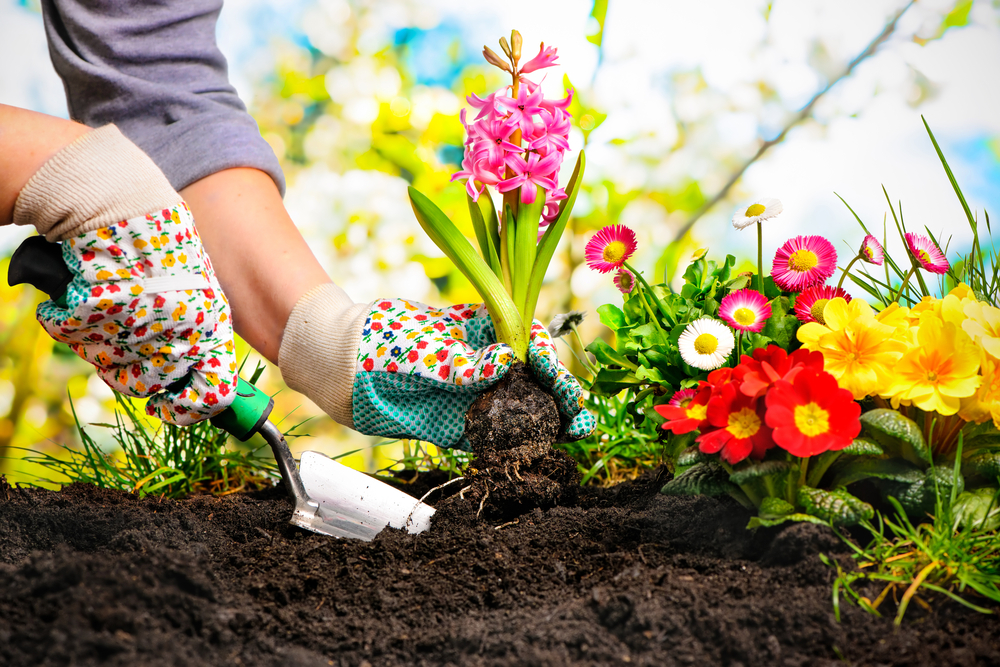
The backyard is supposed to be where you go to escape the house.
Unfortunately, it comes with its own list of chores. Plants need water. Weeds appear overnight. Patio furniture gets dirty. The grill needs cleaning.
Leaves fall exactly where you don't want them, and at some point you discover that something has been eating your tomatoes.
The good news is that creating an inviting backyard doesn't require turning gardening and yard work into another full-time job.
Focus on the basics: grow plants suited to your space, keep the garden healthy, maintain the patio and outdoor furniture, compost what makes sense, and share age-appropriate outdoor jobs with the family.
Here's how to make your backyard easier to maintain—and a lot more enjoyable to use.
Jump to:
- Start With the Backyard You Have
- Gardening Basics: Start With the Soil
- Choose the Right Plants
- Container Gardening
- Composting at Home
- Good Garden Bugs and Bad Garden Bugs
- Gardening With Kids
- Yard Work With Kids
- Patio Cleaning and Maintenance
- How to Clean Patio Furniture
- Create a Patio You Actually Use
- How to Clean a Grill
- Essential Garden Tools
- Seasonal Backyard and Garden Care
- Indoor Plants
- Common Backyard and Garden Mistakes
- Backyard and Garden FAQs
Start With the Backyard You Have
Before buying plants, patio furniture or enough gardening equipment to open a small nursery, take a look at your space.
Notice:
- How much sun different areas get
- Where water drains
- Which areas stay damp or dry
- What type of soil you have
- How much planting space you have
- Where people naturally sit and walk
- How much time you realistically want to spend maintaining everything
That last question matters. A garden can be beautiful without requiring several hours of work every weekend.
Choose plants and outdoor spaces that fit your climate, your space and your willingness to maintain them. If gardening is something you enjoy, wonderful.
If your horticultural ambition extends primarily to keeping three containers alive, that's fine too.
Gardening Basics: Start With the Soil
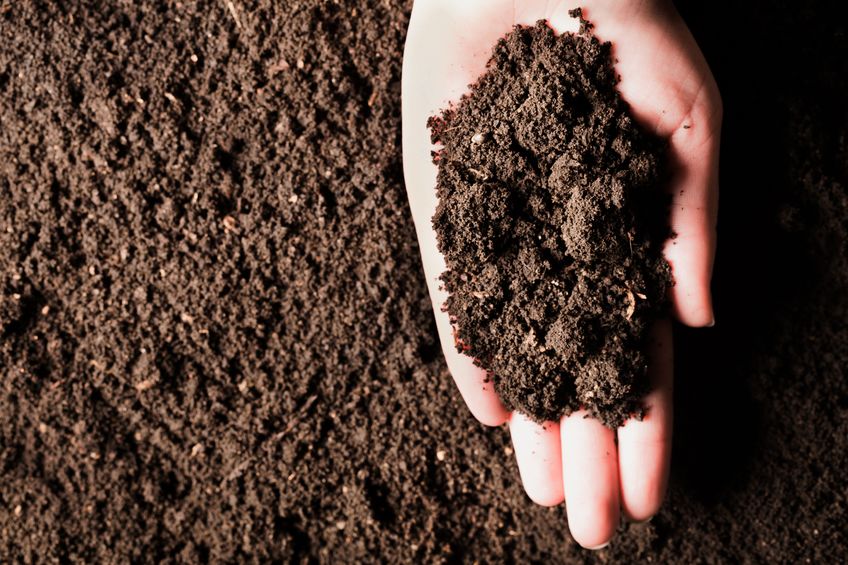
Healthy plants start below ground.
Before deciding you're simply cursed with a brown thumb, take a look at what you're asking your plants to grow in. Soil affects drainage, nutrients and how easily roots can grow. A basic soil test can tell you:
- Your soil's pH
- Its nutrient levels
- Whether it needs amendments
- Why certain plants may be struggling
You don't need to become a soil scientist. You just need enough information to stop planting things in conditions they hate.
Soil Testing: Know Your Backyard Dirt →
Choose the Right Plants for Your Garden
One of the easiest ways to make gardening harder is choosing plants because they looked lovely at the nursery, without considering whether they'll be lovely in your yard.
Before planting, check:
- Sun: Does the plant need full sun, partial shade or shade?
- Water: Does it like consistently moist soil, or can it handle dry spells?
- Climate: Will it thrive where you live?
- Size: How big will it get?
- Maintenance: Does it need frequent pruning, feeding or fussing?
- Location: Will it still make sense in that spot three years from now?
The easiest plant to care for is usually the one that naturally likes the conditions you already have.
Start With Easier Plants
If gardening hasn't traditionally gone well for you, don't begin with the botanical equivalent of a high-maintenance celebrity. Start with forgiving plants appropriate to your climate and growing conditions.
Get comfortable keeping those alive. Then get ambitious.
Survivor Plants for Every Personality →
Container Gardening
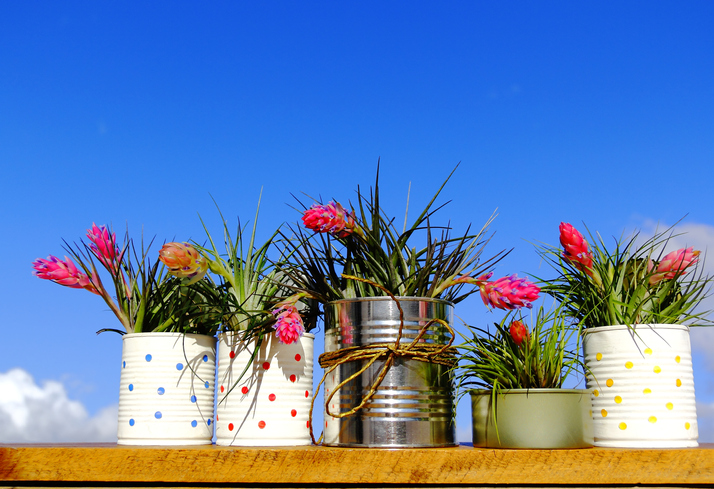
You don't need a large yard (or necessarily a yard at all) to garden. Containers can turn patios, balconies, steps and small outdoor spaces into gardens. They're especially handy when:
- Space is limited
- Your soil is poor
- You rent
- You want plants close to the house
- You like rearranging things
- You want children to have their own small garden
Choosing Containers
Choose containers big enough for the plant when it's full-grown, and make sure excess water can drain. The container should fit the plant, not just look good empty.
Containers dry out faster than garden beds, especially in hot weather. Check them regularly instead of assuming yesterday's watering is still doing the job.
Container Garden Ideas for Kids →
Composting at Home
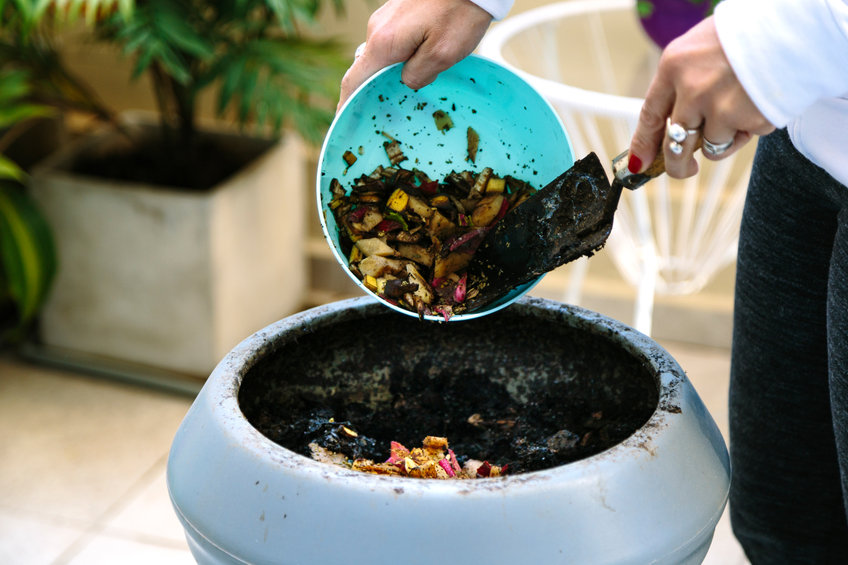
Composting turns things you'd otherwise throw away into something your garden can use.
A basic compost pile needs a mix of nitrogen-rich "green" materials and carbon-rich "brown" materials, plus moisture and air. Depending on your setup, compostable materials can include:
- Fruit and vegetable scraps
- Coffee grounds
- Dry leaves
- Grass clippings
- Small amounts of garden trimmings
- Shredded, untreated paper or cardboard
What you add depends partly on the type of composting system you use. Keep meat, dairy and fats out of ordinary backyard compost, where they create odors and attract pests.
And no, you don't have to personally develop a close relationship with worms to compost. There are several ways to do it.
Good Garden Bugs and Bad Garden Bugs
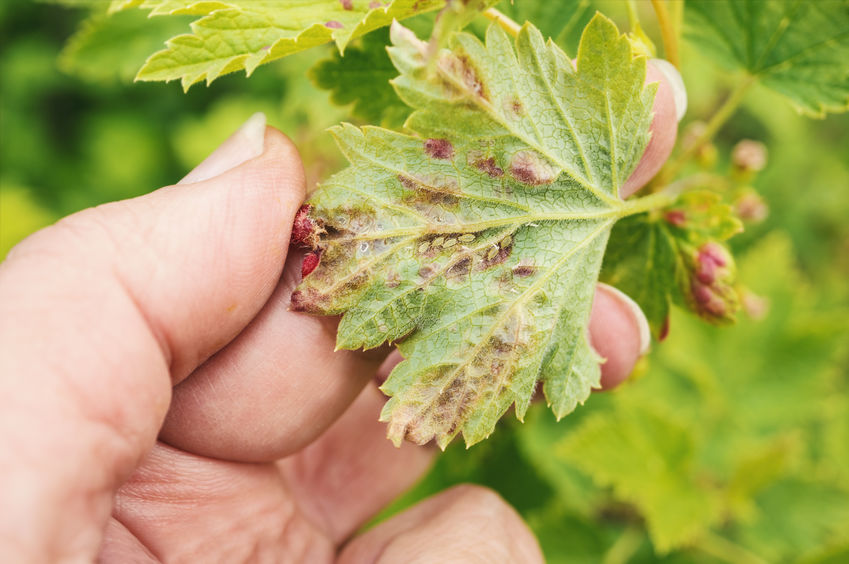
Not every insect in your garden is an enemy. In fact, killing insects indiscriminately can wipe out the very creatures that keep real pests under control. Your garden's helpers include predators, pollinators and the tiny organisms that break down plant material.
Before reaching for a pesticide, figure out what's actually on the plant. Look for:
- The insect itself
- Eggs or larvae
- Chewed leaves
- Discoloration
- Holes
- Sticky residue
- Damage to stems or roots
Then decide whether the visitor is causing the problem, or eating the creature that is. Your garden has good guys too.
Good Garden Bugs: The 10 Most Wanted →
Bad Garden Bugs: The Dirty Dozen →
Gardening With Kids

Gardening is one household activity where getting kids involved can actually make the job more fun.
Children can plant seeds, water plants, pull weeds (once they know which ones are weeds), harvest vegetables and watch something they planted grow from practically nothing.
The trick is giving them real involvement, not just the garden's least interesting jobs.
Give Kids Their Own Space
If you can, give children a small area to call their own:
- One garden bed
- A corner of the yard
- A few containers
- A window box
- A vegetable patch
Let them help choose what to grow. A child's garden doesn't have to coordinate with your landscaping. If the result is one sunflower, two strawberries and something nobody can identify, the experiment still worked.
Make Gardening Interesting
Try a themed garden:
- Pizza garden
- Salad garden
- Butterfly garden
- Herb garden
- Sensory garden
- Color garden
- Container vegetable garden
Kids stay interested when they have some ownership of the project.
Container Gardening for Kids →
Yard Work With Kids
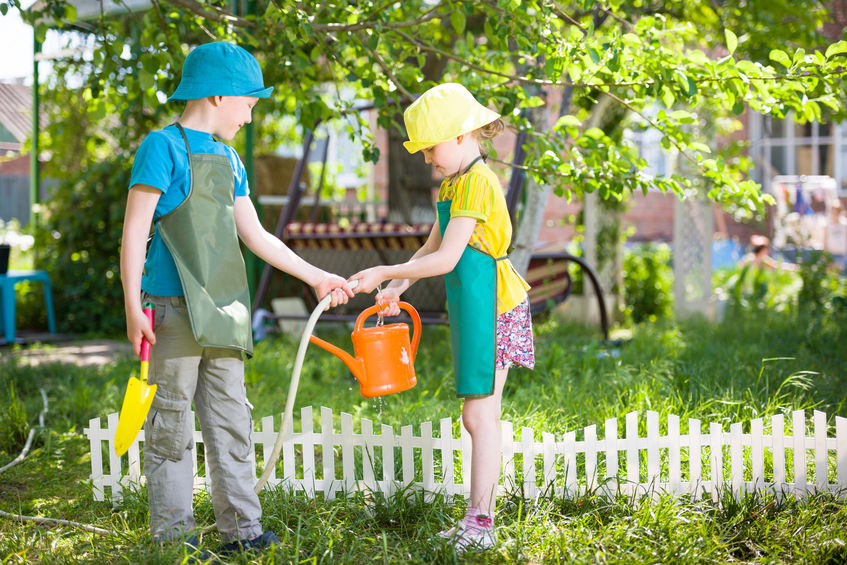
Children can help maintain outdoor spaces too, as long as the job matches their age and ability.
Younger children can:
- Pick up outdoor toys
- Help water plants
- Gather leaves
- Help with simple planting
Older children can gradually take on more.
Whatever their age, keep an eye on kids around tools, machinery, chemicals, pools and other outdoor hazards. Power equipment and garden chemicals aren't kids' chores.
The goal is to teach responsibility, not to finish the lawn at any cost.
Yard Work With Kids: Playing Safe →
Patio Chores for Kids by Age →
Patio Cleaning and Maintenance
A patio should be somewhere you want to sit, not another storage area you walk past on the way inside.
Start with the basics:
- Put outdoor toys and equipment away
- Sweep regularly
- Clear leaves and debris
- Clean up spills
- Check furniture for wear
- Remove clutter
- Keep walkways clear
- Treat mildew and stains with a cleaner made for your patio surface
A quick patio reset every so often is much easier than one enormous rescue operation at the start of summer.
How to Clean Patio Furniture

Outdoor furniture has a hard life. It's exposed to sun, dirt, pollen, moisture, birds and whatever happened at last weekend's barbecue.
Before cleaning it, figure out what it's made of. Wood, metal, plastic, wicker and outdoor fabrics don't all tolerate the same cleaners. As a general rule:
1. Brush or vacuum off loose dirt.
2. Check the manufacturer's care instructions.
3. Test any cleaner in an inconspicuous spot.
4. Use the gentlest method that works.
5. Rinse, if the material can handle it.
6. Let everything dry completely.
Clean cushions according to their care labels instead of automatically soaking them.
How to Clean Patio Furniture →
How to Clean Patio Furniture for Fall and Winter Storage →
Create a Patio You Actually Use
Outdoor living areas work best when you treat them as living spaces, not leftover square footage behind the house. Think about what you actually do outside:
- If you eat outdoors, prioritize a comfortable dining area.
- If you read outside, you need a comfortable chair and shade.
- If children use the backyard, leave them room to play.
- If you entertain, think about seating, lighting and traffic flow.
Don't fill the patio with furniture merely because patio furniture exists. Leave enough open space for people to move around comfortably.
Create a Party-Friendly Patio →
How to Clean a Grill
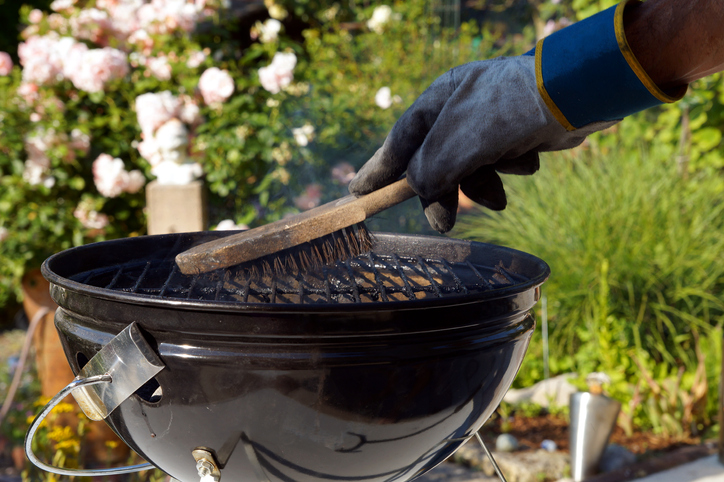
A grill works better, and is much more pleasant to cook on, when you don't let grease and food residue build up indefinitely. Follow your grill manufacturer's instructions. Basic maintenance usually includes:
- Brushing the grates after each use
- Removing built-up grease
- Emptying grease trays and catch pans
- Checking burners and gas connections
- Cleaning the outside
- Inspecting the grill for wear or damage
And don't wait until guests arrive to discover that last summer's barbecue is still attached to the cooking grate.
Essential Garden Tools
Gardening catalogs would happily convince you that maintaining three tomato plants requires a private equipment shed. It doesn't.
For most home gardens, a basic tool collection includes:
- Hand trowel
- Hand pruners
- Garden gloves
- Shovel or spade
- Rake
- Garden hose or watering can
- A good weeding tool
Buy more equipment only when a recurring job calls for it. The best gardening tool isn't the cleverest one. It's the one you use.
Seasonal Backyard and Garden Care
Backyards change with the seasons, so your to-do list should too.
Spring
Spring is the time to see what winter left behind. Depending on your climate:
- Clear away winter debris
- Inspect outdoor furniture
- Check tools and equipment
- Look for winter damage on plants
- Prepare planting beds
- Test your soil
- Plan new plantings
During the warmer months, focus on:
- Watering wisely (deeply and early in the day)
- Watching for heat-stressed plants
- Staying ahead of weeds
- Harvesting vegetables and herbs
- Keeping the patio and grill clean
- Keeping outdoor living areas usable
Fall
Fall is a good time to:
- Clear out spent plants
- Rake leaves (and compost them)
- Get plants ready for cooler weather
- Clean outdoor furniture
- Store seasonal items
- Plant spring-blooming bulbs
Fall Patio Furniture Cleaning Tips →
Winter
In colder climates, winter may mean protecting plants and equipment and moving some plants indoors. In milder climates, gardening may continue year-round.
Let your climate, not the calendar in a national gardening article, decide what your garden needs.
Transplanting Plants Indoors for Winter →
Indoor Plants
Not everything green has to live in the backyard.
Houseplants bring some of the garden indoors, but they need the same basics as outdoor plants: the right light, water, soil and space.
One of the most common mistakes is watering on a schedule instead of checking whether the plant actually needs water. Different plants have different needs, so learn what yours prefers.
And if you've historically regarded houseplants as temporary decorations with an unfortunate expiration date, start with forgiving varieties.
6 Easy Indoor Plants You Can't Kill →
Keeping House Plants Healthy →
Choosing Indoor Plant Containers →
Common Backyard and Garden Mistakes
Planting first and planning later
Know a plant's mature size and needs before deciding where it lives. That charming little shrub may have considerably larger ambitions.
Overwatering
More water isn't automatically more love. Roots need the right amount of moisture and good drainage.
Buying too many tools
Start with the basics. Add tools because you need them, not because the gardening aisle is persuasive.
Treating every insect as a pest
Identify garden visitors before deciding they need to go. Some are helping.
Making the garden too complicated
A garden that needs more maintenance than you have time for will eventually stop being fun.
Trying to fix everything in one weekend
You don't need to transform the entire backyard at once. Choose one project. Finish it. Then decide what comes next.
Backyard and Garden FAQs
What's the easiest way to start a garden? Start small: a few containers or one garden bed, with easy plants that suit your sun and climate. Get those growing, then expand.
How do I make my backyard lower maintenance? Choose plants that like your conditions, mulch your beds to hold moisture and block weeds, and don't plant more than you want to care for.
When should I clean patio furniture? Give it a thorough cleaning at the start of the outdoor season and again before you store it for winter, with quick wipe-downs in between.
What can I put in a backyard compost pile? Fruit and vegetable scraps, coffee grounds, dry leaves, grass clippings and shredded paper. Keep out meat, dairy and fats.
How can kids help in the yard? Younger kids can pick up toys, water plants and gather leaves. Older kids can take on more, with supervision around tools and chemicals.
Make Your Backyard Easier to Maintain
The best backyard isn't necessarily the biggest, greenest or most elaborately landscaped. It's the one that fits the way you live.
Plant what grows well in your conditions. Don't create more garden than you want to maintain. Keep the patio usable. Clean outdoor furniture before it becomes a restoration project. Compost if it works for you. Let kids pitch in in ways that are safe and genuinely useful.
And leave yourself enough time to actually sit outside. After all, there's little point in maintaining a beautiful backyard if you're always too busy working on it to enjoy it.
Explore Backyard & Garden Guides
How to Clean Patio Furniture →
Put Yard Work on the Calendar
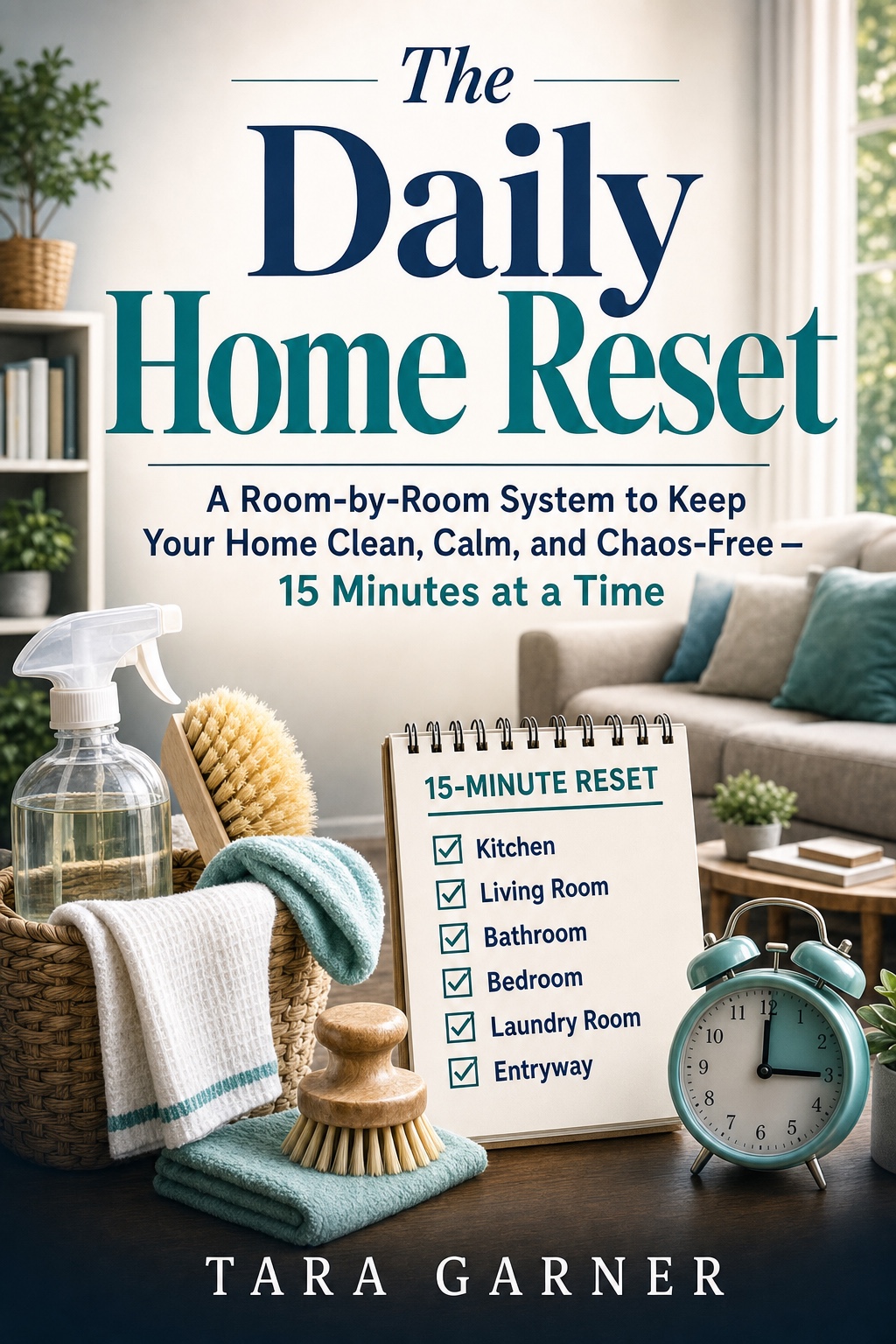
Seasonal jobs are easy to forget until the leaves are knee-deep. My book The Daily Home Reset includes a month-by-month schedule for deep cleaning and home upkeep, so the big jobs get done on time, without taking over your weekends.
Keep Going
Take care of the rest of your home with these guides:
- House Cleaning Guide: Room-by-Room Tips, Routines & Checklists: Practical advice for cleaning every room.
- How to Organize Your Home: A Room-by-Room Guide: Get every space under control.
- Garage Organizing: Make room for the car, the bikes and the garden tools.
- Home Maintenance Guide: Repairs, Checklists & Seasonal Care: Seasonal upkeep that saves money and headaches.
- How to Clean and Organize Your Car: A Family Guide: Keep the family car under control.
- Family Life: Routines, Chores & an Organized Home: Simple ways to make family life run smoother.
- Family Pets: Keep pets happy, healthy and the house clean.
- Home Safety Guide: Protect Your Family & Prepare for Emergencies: Keep your family safe at home.
- Clean Home
- Backyard & Garden