Family Pets: Choosing the Right Pet and Caring for It at Home
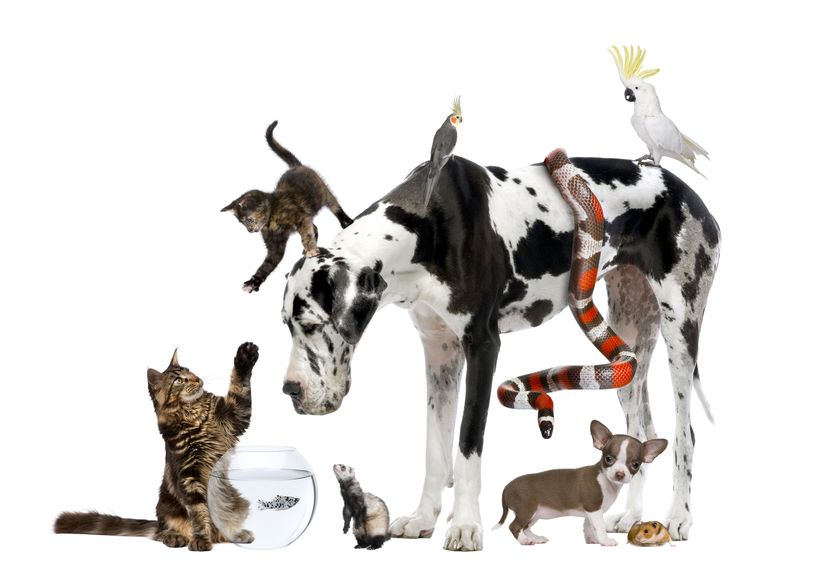
Pets can bring an enormous amount of fun into a family.
They can also bring hair, muddy paws, food bowls, vet appointments, scratched furniture, mysterious smells, and a level of household negotiation usually reserved for international treaties.
That's not an argument against pets. It's an argument for knowing what you're signing up for.
A successful family pet isn't simply the cutest animal everyone falls in love with on Saturday afternoon.
It's an animal whose needs, temperament, cost, and daily care fit your household.
Before bringing one home, think about the entire job—not just the adorable part.
Here's how.
Choose the Pet That Fits Your Family
Start with your household, not the animal.
Think about:
- Your children's ages.
- How much time adults have.
- Your living space.
- Whether you have a yard.
- Work and school schedules.
- Travel.
- Allergies.
- Other pets.
- Noise tolerance.
- Cleaning tolerance.
- Budget.
- How much exercise and attention the animal needs.
Every pet comes with a different workload. A fish, hamster, cat, and large dog are not interchangeable simply because they all qualify as pets.
Choose an animal that fits the life your family actually lives. Not the life you imagine everyone suddenly adopting after the pet arrives.
Don't Choose a Pet Based on Cuteness Alone
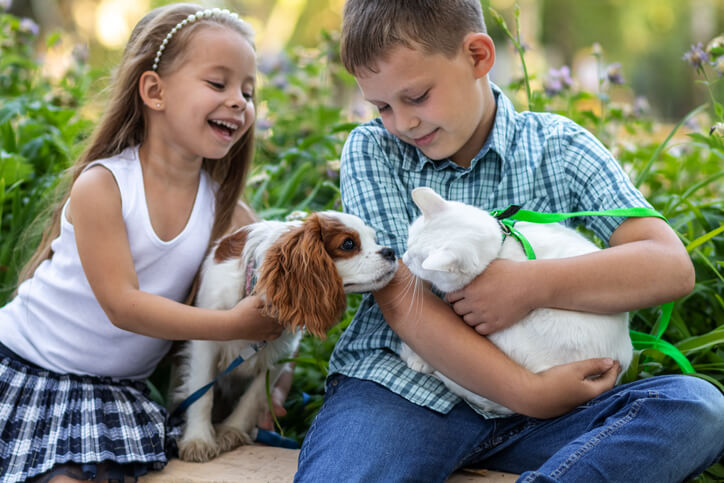
This is difficult because animals have developed a very effective marketing department.
Before deciding, research:
- Adult size.
- Typical lifespan.
- Exercise needs.
- Grooming.
- Training.
- Veterinary care.
- Feeding.
- Housing.
- Social needs.
- Common behavior challenges.
A puppy is adorable. A puppy also needs training, supervision, exercise, and frequent bathroom trips.
Eventually it becomes an adult dog. That's generally the plan.
What Are the Easiest Pets for Kids?
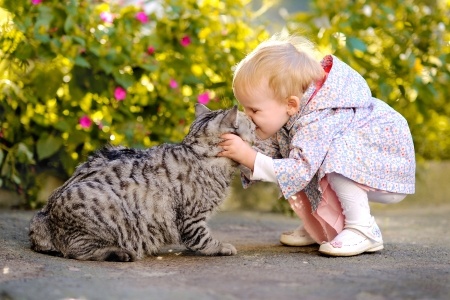
There really isn't one universally "easy" pet. An animal may require less daily work in one area while needing more specialized care in another.
Ask instead:
What pet's needs can this family realistically meet?
Some smaller pets require less space but may need specialized cages, temperature control, or careful handling.
Dogs may require considerably more daily exercise and training.
Cats can be more independent but still require feeding, litter care, veterinary care, and attention.
Adults should understand the full responsibility before promising a child anything.
Dogs as Family Pets
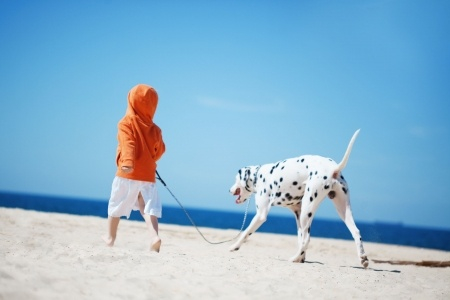
Dogs can be wonderful family companions. They can also be one of the more demanding pet choices.
Depending on the dog, daily care may include:
- Feeding.
- Exercise.
- Bathroom breaks.
- Training.
- Grooming.
- Play.
- Cleaning.
- Veterinary care.
Consider breed tendencies, size, energy level, and temperament. And remember that individual animals vary.
And don't assume children will permanently take over all the walking because they promised enthusiastically for fourteen minutes before the dog came home.
Adults remain responsible for making sure the dog is cared for.
All About Dogs as Pets for Kids →
Think Carefully About Exotic Pets
"Different" doesn't necessarily mean easier.
Reptiles, birds, and other exotic pets may require specialized:
- Housing.
- Heating.
- Lighting.
- Diet.
- Cleaning.
- Veterinary care.
- Handling.
Some also have very long lifespans. Research the animal thoroughly before buying or adopting it.
Make sure appropriate veterinary care is available in your area. And consider whether the pet is suitable around children.
The pet store should not be the beginning and end of your research.
Exotic Pets for Kids: Yes or No? →
Pet Care Is a Family Responsibility
Children can—and should—help care for family pets when they're old enough.
But the adults are ultimately responsible for the animal.
Children forget.
They get tired.
They go to school.
They lose interest.
The pet still needs food and water.
Think of children's pet chores as shared responsibility and training, not as transferring ownership of the job.
Pet Chores for Kids by Age
Younger children can often help with simple jobs such as:
• Filling a water bowl with supervision.
• Carrying pet supplies.
• Helping brush an appropriate pet.
• Putting toys away.
• Helping measure food.
Older children may gradually take on:
- Feeding.
- Walking.
- Cleaning appropriate pet areas.
- Brushing.
- Helping with litter care.
- Washing bowls.
- Keeping pet supplies organized.
Match the chore to the child's maturity and the animal.
Jobs involving an excitable large dog, medication, or potentially hazardous waste may require adult supervision regardless of age.
What Happens When Kids Don't Do Their Pet Chores?
Children need consequences for ignoring responsibilities.
The pet does not.
Never allow an animal to go without food, water, exercise, medication, or necessary care because a child failed to complete a chore.
An adult handles the immediate need. Then address the child's responsibility separately.
The lesson should be:
Animals depend on us, and their needs don't disappear because we forgot.
Not: "Let's see whether the dog can wait until somebody remembers."
Pet Care Consequences for Kids →
Teach Children How to Behave Around Pets
Children need to learn that animals have boundaries too.
Teach them not to:
- Pull tails or ears.
- Climb on animals.
- Interrupt eating.
- Corner frightened pets.
- Wake sleeping animals unnecessarily.
- Take toys or food away without guidance.
- Ignore warning signals.
Supervise young children around animals. Even a normally gentle pet may react when frightened, hurt, or overwhelmed.
Pet safety requires protecting both the child and the animal.
Create a Pet Feeding Station
Pet food, bowls, and supplies can quickly create clutter. Give them one defined home.
A simple feeding area may include:
- Food bowl.
- Water bowl.
- Food storage.
- Measuring scoop.
- Treats.
- Feeding instructions if needed.
Store food according to manufacturer guidance.
Keep supplies somewhere convenient enough that feeding doesn't involve opening four cabinets and moving a vacuum cleaner.
And clean bowls regularly. Your pet eats from them every day. They deserve at least the same consideration as the cereal bowls.
Organize Pet Supplies
Pets accumulate equipment too.
Leashes.
Brushes.
Medications.
Toys.
Waste bags.
Grooming supplies.
Carriers.
Veterinary paperwork.
Give each category a consistent location.
For dogs, keep frequently used walking items near the door.
Keep grooming supplies together.
Store medications safely, follow instructions, and keep them away from children and other animals.
Don't let pet supplies spread into every room simply because the pet does.
Keeping a Home Clean With Pets
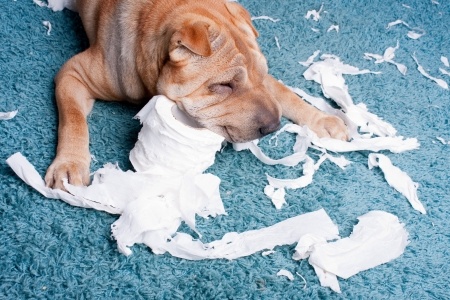
You can have pets and a reasonably clean home. You may simply need to clean certain things more often.
Focus on the messes pets actually create:
- Hair.
- Dirt.
- Food.
- Water.
- Litter.
- Bedding.
- Paw prints.
- Accidents.
The answer isn't necessarily stronger cleaning products.
It's usually more frequent, small maintenance.
Vacuum or sweep before pet hair becomes a second carpet.
Wipe muddy paws before they tour the house.
Wash bedding regularly. Clean feeding areas. Handle accidents promptly.
Ten minutes now is much easier than tackling a week's worth of accumulated pet mess later.
Control Pet Hair
Pet hair has an extraordinary ability to travel far beyond the pet.
Regular grooming can reduce loose hair for animals that benefit from brushing.
Vacuum or sweep high-traffic areas regularly. Pay particular attention to:
- Upholstery.
- Rugs.
- Carpets.
- Bedding.
- Baseboards.
- Pet beds.
Choose cleaning tools appropriate for the surface.
And if your pet spends every evening on the same chair, consider a washable cover.
It may not win a decorating award. It may save your sanity.
Clean Pet Bedding
Pet bedding collects:
- Hair.
- Skin oils.
- Dirt.
- Saliva.
- Outdoor debris.
Wash removable covers and bedding as directed by the manufacturer. When appropriate, vacuum or shake out loose debris first.
Allow bedding to dry completely before returning it to use.
While it's being cleaned, inspect it for:
- Tears.
- Excessive wear.
- Broken zippers.
- Exposed filling.
A pet bed doesn't need to last forever just because the dog is emotionally attached to flattening it.
Clean Up Pet Accidents Promptly
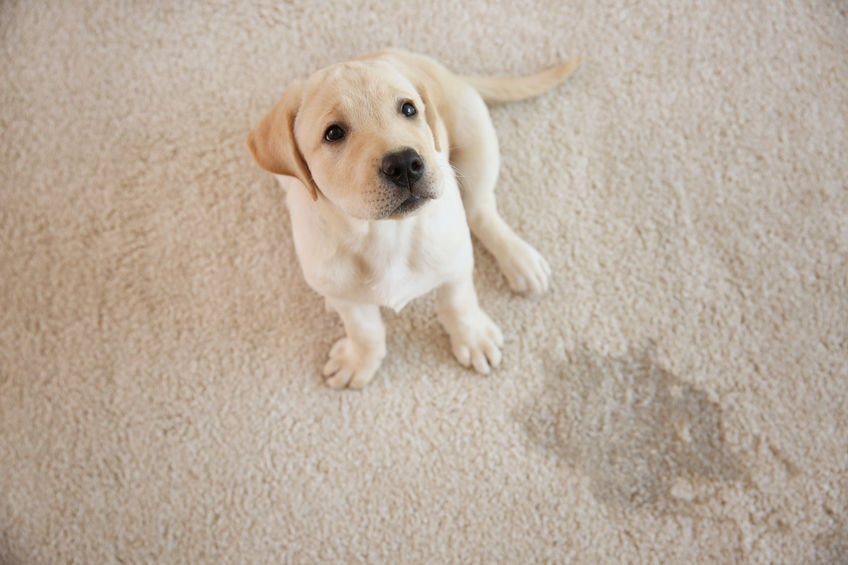
The faster you respond to urine, feces, or vomit, the easier cleanup usually is.
Remove solids or excess liquid carefully. Then clean according to the affected surface.
Carpet, upholstery, wood, tile, and other flooring may require different methods.
For urine odors, an appropriate enzymatic product may help break down residue on compatible surfaces.
Always follow product directions. And don't saturate carpet unnecessarily. Excess moisture can create a new problem below the surface.
How to Remove Carpet Pet Stains →
Get Pet Odors Under Control
A heavily perfumed room is not the same as an odor-free room.
Find the source.
Common causes include:
- Dirty bedding.
- Litter boxes.
- Carpet accidents.
- Upholstery.
- Feeding areas.
- Wet animals.
- Poorly cleaned cages or enclosures.
Clean the source rather than trying to cover it up.
If an odor repeatedly returns from carpet or flooring, the contamination may extend deeper than the surface.
Litter Box Basics
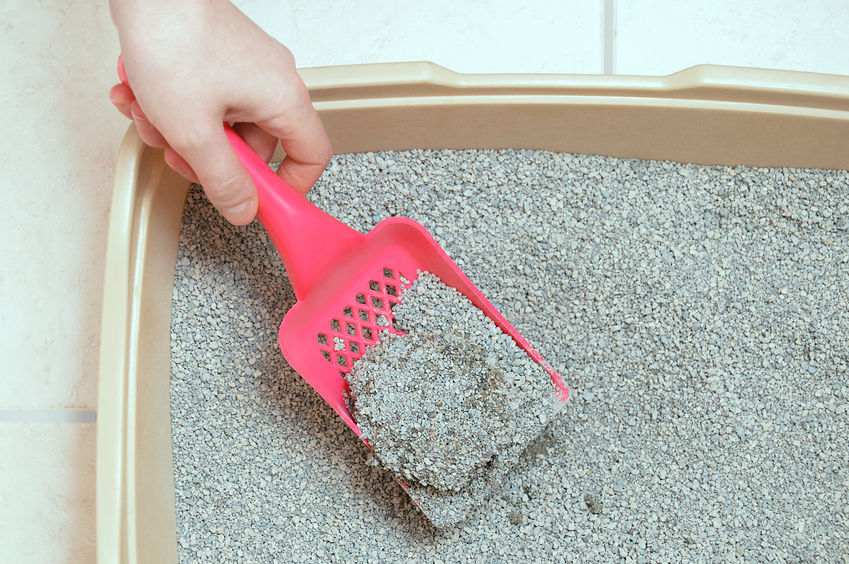
Cats need a clean, accessible litter area.
Scoop regularly and maintain the box according to the litter and veterinary guidance you're following.
Place it in an area that works for both:
- The cat.
- The household.
You don't want it beside food preparation.
The cat doesn't want it in an impossible-to-reach location.
If litter scatters, a suitable mat and regular sweeping or vacuuming can help.
Persistent litter-box problems may also have behavioral or medical causes, so don't assume the cat is simply being difficult.
Fleas and Other Parasites
Flea problems usually require action on more than one front.
The pet may need appropriate veterinary treatment. The home may also require cleaning.
Vacuum carpets, upholstery, and areas where the animal spends time to help manage an infestation. Wash pet bedding as appropriate.
For flea products, use only products designed for the specific animal and follow veterinary or manufacturer instructions.
Some products that are appropriate for dogs can be dangerous to cats. "Pet-safe" is not a universal species.
Keep Kids Safe From Pet-Related Illness
Animals can sometimes carry organisms that can make people ill. Basic hygiene goes a long way toward preventing this.
Teach children to:
- Wash hands after handling animals.
- Wash after cleaning cages or litter areas.
- Avoid touching pet waste.
- Keep pet supplies away from food-preparation surfaces.
- Avoid letting pets lick open wounds.
Some animals present different risks than others.
Young children, pregnant people, and people with weakened immune systems may require additional precautions depending on the animal.
Use current veterinary and public-health guidance when needed.
What If Someone Is Allergic to the Pet?
Pet allergies can complicate household life.
Reducing exposure may help some people, but the best strategy depends on allergy severity and medical guidance.
Practical household measures may include:
- Keeping pets out of certain rooms.
- Cleaning floors and upholstery regularly.
- Washing pet bedding.
- Using appropriate filtration.
- Reducing fabric surfaces that trap dander.
But don't treat a significant allergy purely as a cleaning problem. Medical advice matters too.
Living With Pets You're Allergic To →
Traveling by Car With Pets
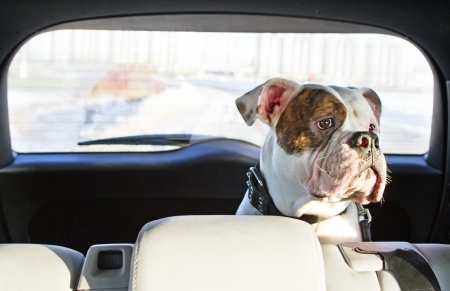
Pets need travel preparation just as people do.
Plan for:
- Secure transport.
- Water.
- Food if needed.
- Waste bags.
- Medication.
- Identification.
- Comfort items.
- Cleaning supplies.
Animals should be restrained or contained appropriately during travel. Don't allow a pet to interfere with the driver.
And never leave an animal in a vehicle when temperatures or other conditions make it unsafe.
Common Family Pet Mistakes
Choosing the pet before researching it
Learn what the animal requires first.
Assuming kids will do everything
They won't. Adults remain responsible.
Giving children vague jobs
"Take care of the dog" is not a chore.
"Feed the dog at 6 p.m." is.
Waiting too long to clean up pet messes
Small messes become larger problems.
Ignoring behavior changes
Sudden changes may indicate stress or a medical problem.
Punishing the pet for human mistakes
If somebody left the trash accessible, the dog did not fail the organizational system.
The system failed the dog.
Explore Family Pets
All About Dogs as Pets for Kids →
Pet Care Consequences for Kids →
How to Remove Carpet Pet Stains →
Living With Pets You're Allergic To →
- Clean Home
- Family Pets