Simplify Family Life at Home
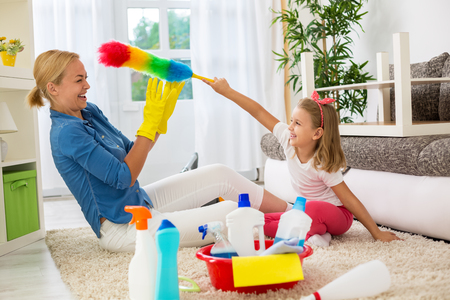
Family life involves a surprising amount of logistics.
Meals. Laundry. Homework. School mornings. Pets. Carpools. Chores. Friends sleeping over. Relatives visiting.
Children looking directly at the object they can't find while asking you where it is.
And somehow it all happens inside the same house you're also trying to keep reasonably clean and organized.
The goal isn't to create a perfectly scheduled family where everyone cheerfully completes a color-coded chore chart before breakfast.
The goal is simpler:
Create routines and spaces that make everyday family life easier—and share enough of the work that one person isn't running the entire household.
Here's where to start.
Create a Home That Works for Your Family
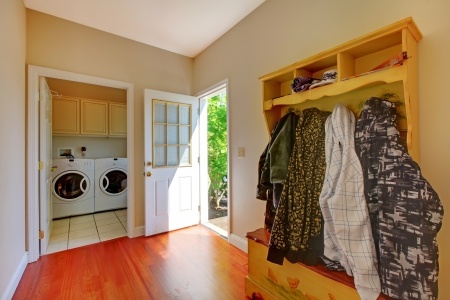
An organized family home isn't necessarily immaculate.
It's a home where people can reasonably find what they need, put things away, and move through the day without creating unnecessary chaos.
Start with the places where your family repeatedly gets stuck.
Maybe everyone loses shoes in the morning.
Maybe backpacks land in the middle of the kitchen.
Maybe homework supplies are scattered across three rooms.
Maybe sports equipment reproduces in the entryway.
Instead of repeatedly correcting people, look at the system.
If everyone drops their shoes by the door, perhaps that's where the shoes need a home.
If backpacks always land on the same chair, put hooks or another simple storage solution nearby.
Good family organization works with what people naturally do rather than requiring everyone to develop an entirely new personality.
How to Organize Your Home Room by Room →
Share the Household Chores
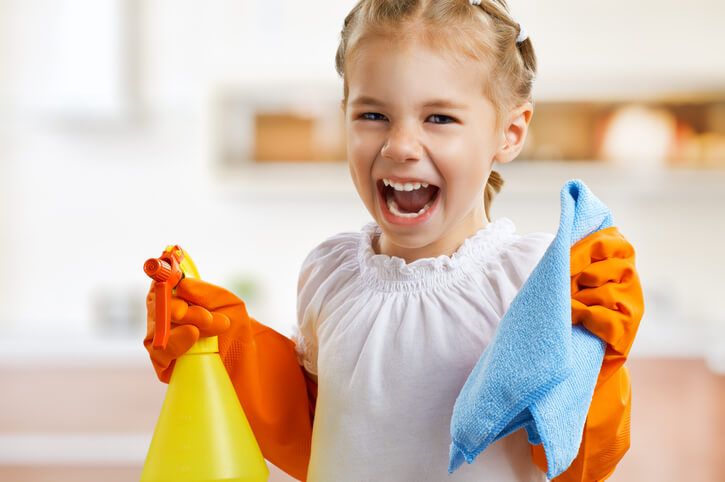
One person shouldn't have to do everything required to keep a family home running.
Children can participate too.
Chores teach children that they're members of a household—not hotel guests waiting for housekeeping.
The key is matching responsibilities to age and ability.
Younger children can often handle simple jobs such as:
- Putting away toys.
- Putting dirty clothes in a hamper.
- Helping set or clear the table.
- Putting books away.
- Helping feed a pet with supervision.
- Carrying appropriate belongings to their rooms.
As children get older, they can gradually take on more responsibility.
The goal isn't perfection.
A child learning to fold towels may not produce the crisp linen-closet results you would.
Let it go.
Make Chores Specific
"Clean your room" can mean almost anything to a child.
Instead, give concrete instructions:
- Put dirty clothes in the hamper.
- Put books on the shelf.
- Make the bed.
- Put toys away.
- Bring dishes to the kitchen.
Specific jobs are easier to understand, complete, and eventually turn into habits.
Organize Kids' Rooms for Kids
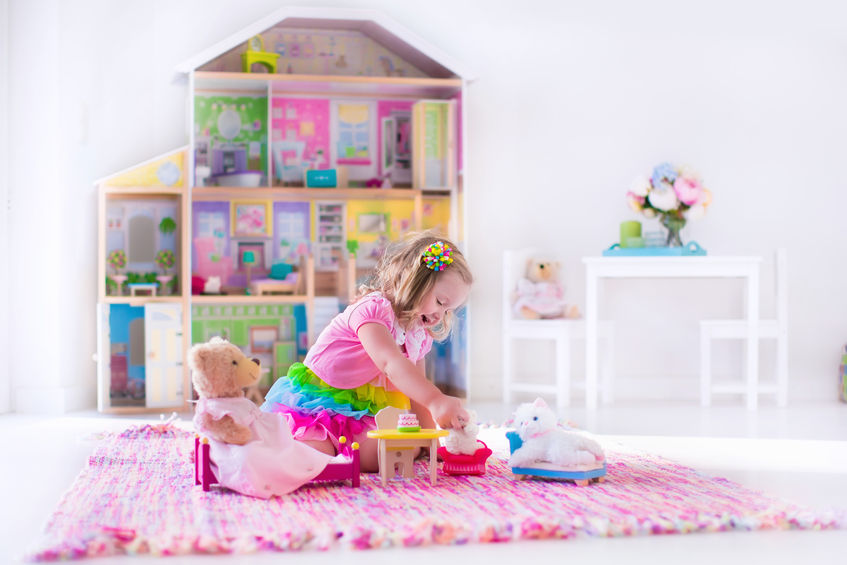
A child's room should be organized so the child can use the system.
That sounds obvious. But it isn't always organized that way.
If toys belong in carefully categorized containers that require adult-level sorting skills, the system may look wonderful for about eleven minutes.
Keep it simple.
Use:
- Low shelves.
- Accessible hooks.
- Easy-to-open containers.
- Broad toy categories.
- Hampers children can reach.
- Storage appropriate to the child's age.
As children grow, change the room with them.
What worked for a preschooler won't necessarily work for a ten-year-old.
And the ten-year-old's room may bear little resemblance to what a teenager needs.
Storage Solutions for Kids' Clutter →
When Siblings Share a Bedroom
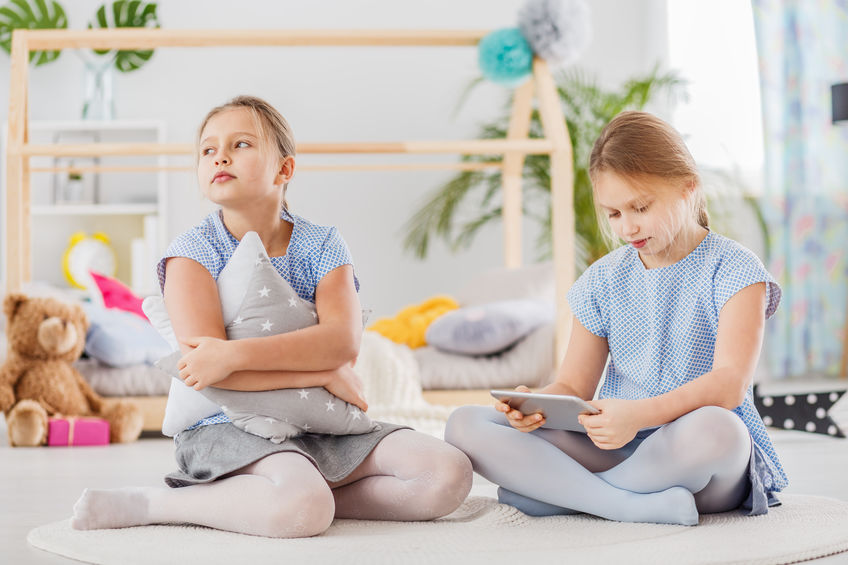
Sharing a bedroom can teach cooperation.
It can also teach two children exactly how much their sibling's breathing annoys them.
Give each child some defined personal space whenever possible.
That might mean:
- Separate drawers.
- Separate shelves.
- Individual bedside areas.
- Personal storage bins.
- Different sides of a shared closet.
Then establish rules about shared and private belongings.
Children don't need equal numbers of everything, but they do need to understand what belongs to whom and what must be shared.
As children get older, privacy becomes increasingly important. Look for practical ways to give each child a little territory of their own even when separate bedrooms aren't possible.
Tips for Siblings Sharing a Bedroom →
Make School Mornings Less Chaotic

The worst time to discover that a child needs poster board, clean gym clothes, and a signed permission slip is six minutes before you're supposed to leave.
A smoother morning usually begins the night before.
Before bed:
- Check the next day's schedule.
- Pack backpacks.
- Sign necessary papers.
- Choose clothing when helpful.
- Put shoes and jackets where they belong.
- Prepare anything that needs to leave with you.
- Charge devices if needed.
Then create consistent homes for school essentials.
Backpacks shouldn't need to be located every morning.
Neither should shoes. Or keys.
Or the lunchbox that somebody definitely brought home yesterday.
Create a Homework Routine That Works

Homework is easier when it has a predictable time, place, and basic set of supplies.
That doesn't necessarily require a dedicated home office.
Some children work perfectly well at the kitchen table.
Others need a quieter space.
Pay attention to what helps your child concentrate rather than trying to create the world's most photogenic homework station.
Keep frequently needed supplies together so homework doesn't require a household scavenger hunt for a pencil.
And when possible, make homework part of a regular daily rhythm rather than renegotiating its existence every afternoon.
Tips for Kids' Homework Success →
Make Family Meals Easier

Family meals don't have to mean everyone sitting down to a beautifully prepared dinner at precisely 6:00 every night.
Schedules don't always cooperate. A basic plan helps.
Think ahead about:
- Busy evenings.
- School activities.
- Work schedules.
- Lunches.
- Easy backup meals.
- Foods family members can prepare themselves when age-appropriate.
A little planning reduces the daily 5:30 p.m. question:
What are we going to eat?
Which somehow manages to be a surprise despite occurring every single day.
For school lunches, keep reliable staples on hand and involve children in choosing age-appropriate options they'll actually eat.
School Lunch Ideas Kids Will Eat →
Hold a Family Meeting When You Need One
Not every household issue requires a meeting.
Nobody needs to call everyone to order because somebody left a glass in the living room.
But a short family meeting can help when you need to coordinate schedules, solve a recurring problem, or make a decision that affects everyone.
Keep it practical.
Discuss things such as:
- Upcoming schedules.
- Chore responsibilities.
- Family plans.
- Recurring household problems.
- Changes affecting everyone.
Give children an appropriate voice.
Then finish.
A family meeting shouldn't feel like an annual corporate retreat.
How to Hold a Family Meeting →
Pets Are a Family Responsibility

Pets bring enormous enjoyment to a household.
They also bring feeding, walking, grooming, cleanup, veterinary care, and expenses.
Before bringing home a pet, consider what the animal actually requires—not simply how adorable it is.
Different pets demand different levels of:
- Time.
- Space.
- Exercise.
- Supervision.
- Cleaning.
- Financial commitment.
Children can help with pet care, but adults remain responsible for making sure the animal's needs are actually met.
"I told him to feed the dog" isn't especially persuasive to the dog.
Carpool Survival Tips

Carpools can make family schedules considerably easier.
They can also create their own miniature logistical system.
Agree in advance on:
- Pickup times.
- Pickup locations.
- Who is driving which days.
- How schedule changes are communicated.
- Basic behavior expectations.
Teach children to be ready before the car arrives.
The rest of the carpool shouldn't spend ten minutes outside your house while somebody searches for a shin guard.
Keep frequently needed activity gear together and create a landing place at home so it doesn't disappear between practices.
Family Car Cleaning & Organization →
Sleepovers Without Surrendering the House
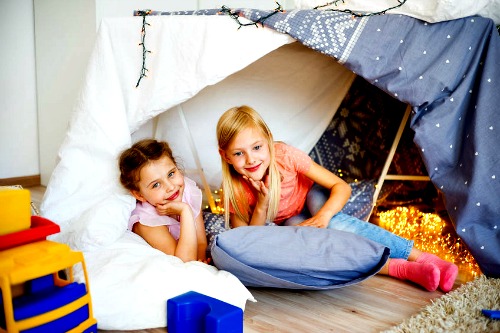
Kids love sleepovers.
Parents often have more complicated feelings about them.
For best results for everyone, set expectations before the guests arrive.
Decide:
- Which rooms are available.
- Where everyone will sleep.
- What food you'll provide.
- What time things need to quiet down.
- What activities are allowed.
- Which household rules apply.
Children visiting your home should understand that your ordinary household rules still exist.
You don't need to run the evening like a military operation.
You also don't need to discover at 1:30 a.m. that six children have decided to bake something.
10 Sleepover Rules for Success →
Slumber Party Etiquette Rules →
Slumber Party Survival Guide →
When Your Child Has Friends Over

Young guests need clear expectations too.
Your child's friends may come from homes with different rules.
That's normal.
Politely explain the rules that matter in your home.
These might involve:
- Where food is allowed.
- Which rooms are off-limits.
- Cleaning up after activities.
- Screen time use and limits.
- Indoor behavior.
- Safety.
- Respect for other family members.
Keep rules reasonable and consistent.
The goal is to make young guests comfortable while protecting the sanity of everyone who actually lives there.
Household Rules for Young Guests →
Kids' Parties Without Making Yourself Miserable
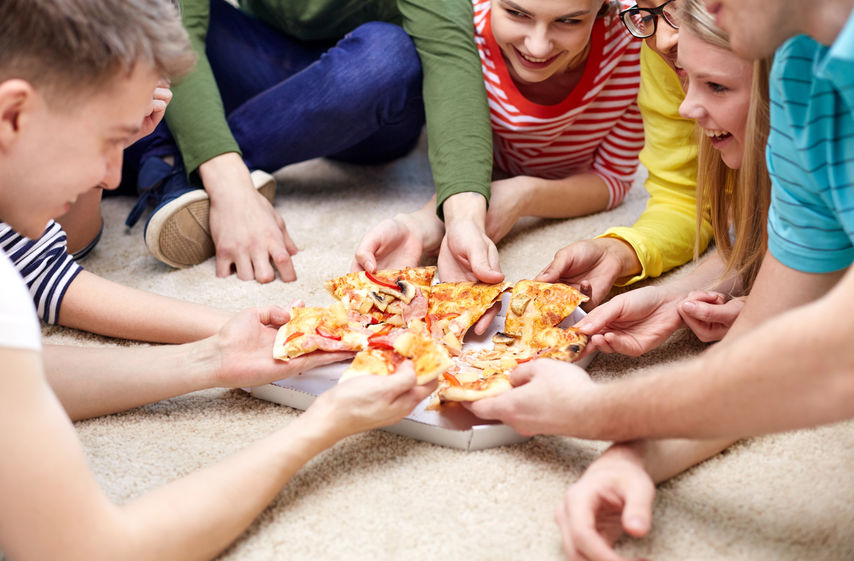
A children's party doesn't require twelve coordinated activities, custom decorations, and a dessert table that took three days to build.
Children generally need:
- Something to do.
- Something to eat.
- Supervision.
- A safe environment.
- Other children.
Pick a few activities.
Have a backup plan.
Keep the guest list manageable.
And remember that the success of a seven-year-old's birthday party is not measured by whether the napkins matched the balloons.
Hosting Overnight Guests
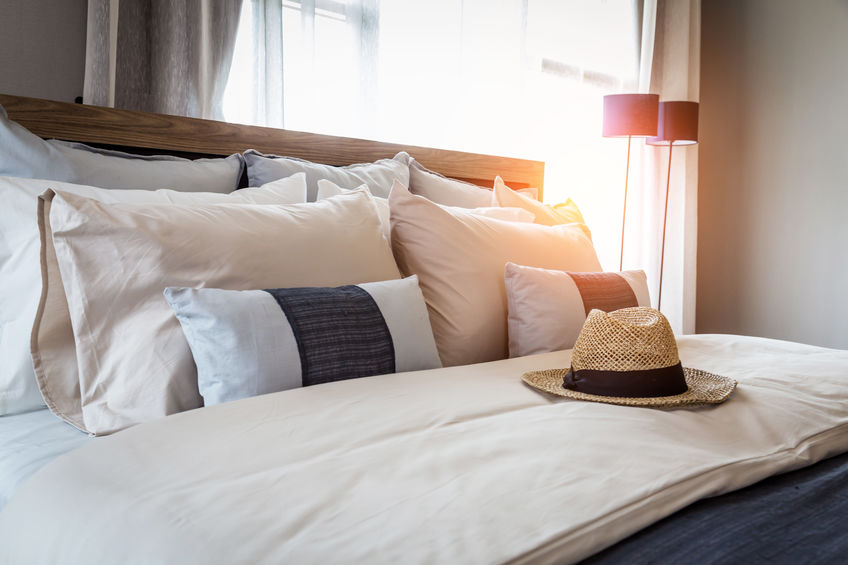
Having overnight guests is easier when you think about what they actually need.
A private guest room is lovely. It's also not required.
Provide:
- Bedding.
- Bath towels.
- Space to put belongings.
- Toiletries.
- Privacy.
- Essential household information.
If guests are sleeping in a common area, think about privacy and the family's morning routine before bedtime.
Nobody wants to wake up on the sofa to discover that they're sleeping in the middle of breakfast.
Guests Sharing Sleeping Space →
Hosting Tips for Overnight Guests →
Create Family Traditions You Actually Enjoy
Traditions don't have to be elaborate.
They're simply things your family does repeatedly that acquire meaning over time.
They might include:
- A particular birthday breakfast.
- Friday movie night.
- An annual outing.
- Holiday rituals.
- A special meal.
- A first-day-of-school tradition.
- A regular family game night.
The best traditions survive because people enjoy them.
If a tradition has become exhausting, expensive, or something everyone secretly dreads, you're allowed to change it.
Traditions serve families.
Families don't have to serve traditions.
Organize Family Life for the Holidays
Holidays can magnify ordinary family logistics.
Gifts, visitors, decorating, meals, school activities, and events all arrive at about the same time.
Don't try to do everything.
Decide which activities matter most to your family. Then plan around those.
Before the season gets busy:
- Review the calendar.
- Decide what you're hosting.
- Declutter guest areas.
- Plan sleeping arrangements.
- Check decorations.
- Make gift lists.
- Schedule the things that genuinely matter.
And leave some blank space.
A holiday calendar doesn't become more festive when every square is occupied.
Preparing for Holiday Visitors →
Family Safety at Home
A family home should also evolve as children grow.
Safety concerns for a toddler aren't the same as those for a teenager.
Periodically look at your home from the perspective of the people using it.
Consider:
- Age-appropriate access to household products.
- Medication storage.
- Tools.
- Pools and outdoor areas.
- Pets.
- Fire safety.
- Emergency information.
- Online and device rules where appropriate.
Safety isn't a one-time childproofing project. It changes along with your family.
Don't Try to Organize Your Family Like a Business
Schedules and systems help.
But a home isn't an efficiency experiment.
Some mornings will be chaotic.
Somebody will forget something.
The laundry will occasionally win.
Dinner will sometimes come from a box.
A child will suddenly announce at bedtime that tomorrow is Colonial Day and apparently requires a historically accurate costume.
The purpose of family organization isn't to eliminate ordinary life. It's to make ordinary life easier to recover from.
Build simple routines.
Give things sensible homes.
Share the chores.
Prepare for predictable trouble spots.
Then leave enough flexibility for the people who live there to actually live there.
Start With the Part of Family Life That's Driving You Crazy
Don't attempt to fix every family routine at once.
Choose one recurring problem.
If mornings are chaos, start with mornings.
If the kids' rooms are impossible, start there.
If nobody helps around the house, rethink chores.
If backpacks and sports equipment cover the entryway, create a landing zone.
If the car looks as though your family moved into it, tackle the car.
Solve one problem.
Live with the solution long enough to see whether it actually works.
Then tackle another.
That's how family systems become habits instead of another abandoned household improvement project.
Explore Family Life
Tips for Kids' Homework Success →
Family Car Cleaning & Organization →
10 Sleepover Rules for Success →
Hosting Tips for Overnight Guests →
How to Hold a Family Meeting →
- Clean Home
- Family Life