Home Safety: A Practical Guide
to Keeping Your Family Safe
Home is supposed to be the place where everyone is safe.
Unfortunately, homes contain fire, electricity, water, stairs, medications, sharp objects, cleaning products, and people attempting to cook dinner while answering the phone.
So a little planning is useful.
You don't need to turn your house into a fortress or spend your days imagining everything that could possibly go wrong.
Good home safety is mostly about preventing predictable accidents, maintaining basic safety equipment, and knowing what your family will do if something serious happens.
Start with the hazards most likely to affect your household.
Start With a Home Safety Check
Walk through your house and look at it as though you've never seen it before.
Check for obvious problems such as:
• Loose rugs.
• Cluttered stairs.
• Poorly lit walkways.
• Overloaded electrical outlets.
• Damaged electrical cords.
• Unsecured medications.
• Accessible cleaning products.
• Missing or nonworking alarms.
• Unsecured pools or outdoor areas.
• Doors or windows that don't lock properly.
• Tripping hazards.
• Furniture that may need securing.
• Tools or hazardous materials accessible to children.
Then fix the easy things immediately.
A surprising amount of home safety isn't complicated.
Sometimes it's simply moving something before somebody trips over it.
Home Safety Tips: The Essentials →
Prevent Falls at Home
Falls can happen at any age, but certain household conditions make them more likely.
Keep:
- Stairs clear.
- Walkways uncluttered.
- Electrical cords out of traffic paths.
- Floors reasonably dry.
- Rugs appropriately secured.
- Frequently used areas adequately lit.
- Repair loose railings and damaged steps.
Be particularly careful in bathrooms, around pools, and anywhere water regularly reaches the floor.
And don't use a chair as a ladder. We have ladders because chairs proved disappointing as ladders.
Fire Safety at Home
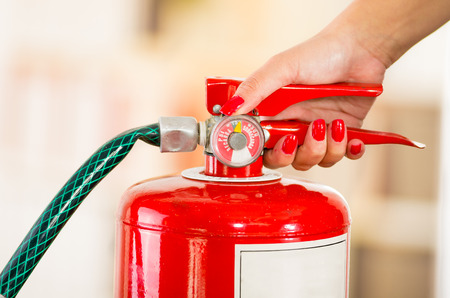
Every family should have a basic fire-safety plan. That includes appropriate smoke alarms and other required safety equipment.
Follow current local requirements and manufacturer guidance for:
- Placement.
- Testing.
- Maintenance.
- Replacement.
Your household should also know how to get out of the house in a fire.
Identify possible exits and establish a meeting place outside.
Children should understand one especially important rule:
Get out and stay out. Never reenter a burning home for possessions.
Have a Family Fire Escape Plan
Don't wait for an emergency to figure out how everyone gets outside.
Walk through the plan together. Make sure family members know:
- The sound of the alarm.
- The primary exit.
- An alternate exit when possible.
- Where to meet outside.
- That nobody goes back inside.
- How to call emergency services once safely outside.
Practice periodically, especially when children are young.
The point isn't frightening them.
It's making the correct response familiar.
Fireplace Safety
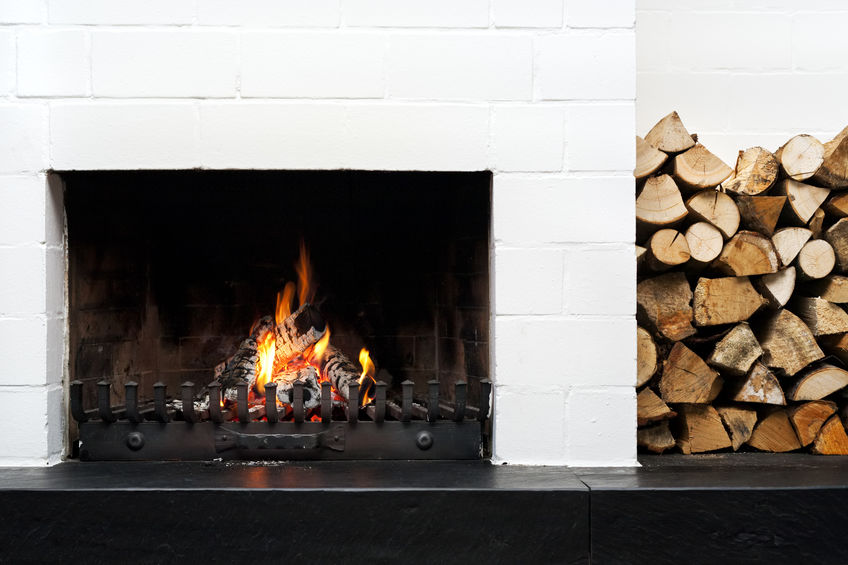
A fireplace deserves respect.
Keep combustible materials away from the fire. Use appropriate screens or doors. Supervise children and pets.
Follow manufacturer and professional guidance for inspection, cleaning, and maintenance.
If you use a wood-burning fireplace or chimney, appropriate periodic inspection is important.
A fireplace may make the room cozy. It's still an actual fire in the living room.
Electrical Safety
Pay attention to:
- Frayed cords.
- Loose outlets.
- Damaged plugs.
- Overloaded power strips.
- Extension cords being used as permanent wiring.
- Electrical equipment near water.
- Outlets accessible to young children.
Don't attempt electrical repairs beyond your knowledge and ability. Electrical work is a particularly poor area to learn through trial and error.
When there's a significant electrical problem, call a qualified professional.
Kitchen Safety

The kitchen combines several household hazards in one convenient room.
Heat.
Knives.
Electricity.
Water.
Hot liquids.
Raw food.
Children arriving just as you open the oven.
Keep pot handles positioned safely. Store knives and sharp tools properly.
Don't leave active cooking unattended when doing so would be unsafe.
Keep combustible materials away from heat sources.
Clean grease buildup.
And teach children which kitchen jobs they can and cannot do without an adult.
Safety Tips for Cooking Dinner →
Food Safety at Home
Food safety is another part of essential household safety.
Use good hygiene during food preparation.
Take care with:
- Handwashing.
- Raw meat, poultry, seafood, and eggs.
- Cross-contamination.
- Cooking temperatures.
- Refrigeration.
- Leftovers.
- Food-storage times.
Keep raw foods appropriately separated from ready-to-eat foods. Refrigerate cooked food promptly.
For specific cooking temperatures and storage recommendations, follow current authoritative food-safety guidance.
Childproof According to Your Child
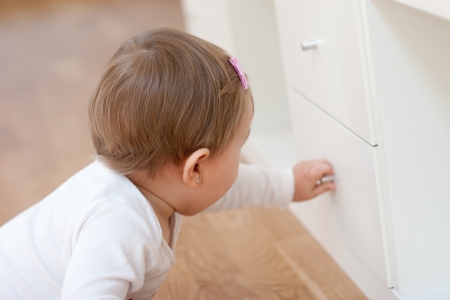
Childproofing isn't something you do once when a baby starts crawling and then forget.
Children change. So do the risks.
A toddler may be fascinated by cabinet doors.
A school-age child may begin using appliances.
A teenager may be home alone.
Reassess the house periodically based on your child's current abilities. Pay particular attention to:
- Medications.
- Cleaning products.
- Stairs.
- Windows.
- Pools.
- Firearms, if present, which require secure storage according to applicable law and safety guidance.
- Tools.
- Electrical hazards.
- Hot surfaces.
- Sharp objects.
Safety measures should evolve as children become more independent.
Store Medications Safely

Keep medications in appropriate storage and away from children who should not have access to them.
Don't rely solely on a child-resistant package. "Child-resistant" doesn't mean a child can't open it.
Keep medicines in their original containers when appropriate so instructions and identification remain available.
Dispose of unused or expired medications through appropriate take-back or disposal programs.
Never describe medicine as candy to persuade a young child to take it.
Store Cleaning Products Safely
Cleaning products should be used and stored according to their labels.
Keep them:
- In original containers when possible.
- Clearly identifiable.
- Away from food.
- In locations inaccessible to young children.
- Appropriately secured when necessary.
Never transfer a cleaning chemical into a beverage or food container.
And don't mix cleaning products casually. Some combinations can create dangerous gases or other hazards.
Green Cleaning: A Practical Guide to Cleaning With Less →
Pool Safety

A pool requires layers of protection. Children need active adult supervision around water.
Depending on your location and pool, appropriate safeguards may include:
- Barriers.
- Gates.
- Alarms.
- Covers.
- Rescue equipment.
- Swimming instruction.
- Adult CPR training.
Don't rely on a single safety measure. And don't assume that because a child can swim, they no longer need supervision.
Pool safety is one area where redundancy matters.
10 Pool Safety Rules for Kids →
Pet Safety at Home
Pets create their own safety considerations. Teach children how to interact appropriately with animals.
Keep potentially dangerous foods, medications, chemicals, and plants out of reach of pets.
Secure animals appropriately when necessary.
Supervise young children with pets.
And remember that even a normally gentle animal may react when frightened, injured, or overwhelmed.
Family Pets: Choosing the Right Pet and Caring for It at Home →
Protect Your Home From Intruders
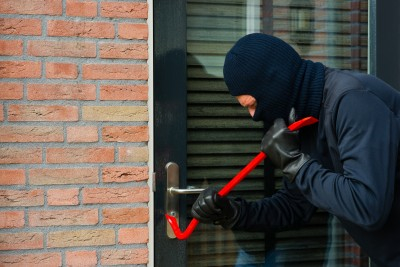
Home security doesn't require living as though you're expecting a siege.
Start with the basics:
- • Lock doors.
- Lock accessible windows.
- Maintain exterior lighting.
- Don't leave obvious entry points unsecured.
- Repair broken locks.
- Be thoughtful about who has keys or access codes.
If you're considering security systems, cameras, or smart-home equipment, choose systems appropriate for your property, privacy preferences, and budget.
Physical security still matters. The world's smartest doorbell doesn't make a weak lock stronger.
Securing Your Home Against Intruders →
Choosing Security Door Locks →
Don't Advertise an Empty House
When traveling, avoid making it unnecessarily obvious that nobody is home.
Consider arrangements for:
- Mail and packages.
- Trash containers.
- Lighting.
- Yard maintenance.
Be thoughtful about publicly posting travel information while you're away.
The goal isn't paranoia.
It's simply not hanging the digital equivalent of a BACK NEXT TUESDAY sign on the front door.
Prepare for Emergencies Before They Happen
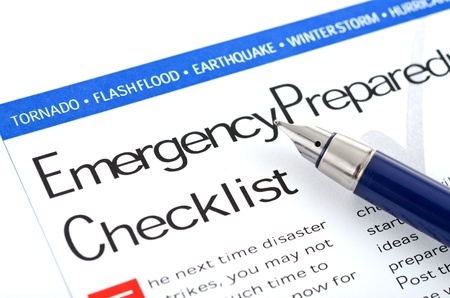
Every household should have a basic emergency plan.
Think about what your family would do if:
- You needed to evacuate.
- You needed to remain home during an emergency.
- Power or water was unavailable.
- Family members were separated.
- Mobile networks were overloaded.
- Pets needed to evacuate with you.
Keep important contact information accessible.
Choose an out-of-area contact when appropriate.
Know where family members should meet if you can't return home.
Build an Emergency Supply Kit
Emergency supplies should reflect your household, location, and likely risks.
Depending on current emergency-management recommendations and your circumstances, supplies may include:
- Water.
- Nonperishable food.
- Flashlights.
- Batteries or appropriate charging options.
- First-aid supplies.
- Necessary medications.
- Copies of important information.
- Basic sanitation supplies.
- Pet supplies.
- Items needed by babies, older adults, or people with disabilities.
Review supplies periodically. Replace expired items.
Update the kit when your household changes.
An emergency kit containing diapers for a child now attending college may need revision.
Keep a First-Aid Kit
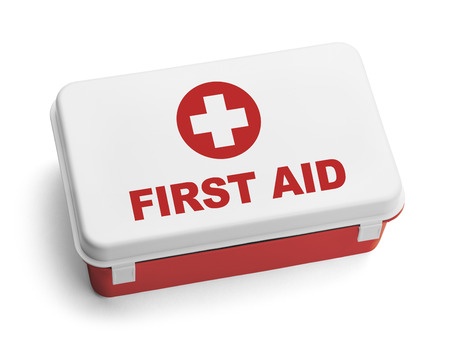
Maintain a basic first-aid kit somewhere adults can easily find it.
Check it periodically.
Replace:
- Used supplies.
- Damaged items.
- Expired products when applicable.
If you have children old enough to understand, teach them where the kit is while maintaining appropriate control over medications or potentially hazardous contents.
First-aid training and CPR training can also be valuable.
Earthquake Preparedness
If you live in earthquake country, prepare the home before shaking begins.
Consider securing the following:
- Tall furniture.
- Shelving.
- Heavy objects.
- Water heaters where required or recommended.
- Items that could fall from above.
Know how your family should respond during an earthquake and what to do afterward. Keep emergency supplies appropriate to your region.
And don't wait for the first small earthquake of the year to suddenly become interested in the bookcase looming over your bed.
Home Earthquake Preparedness →
Hurricane Preparedness
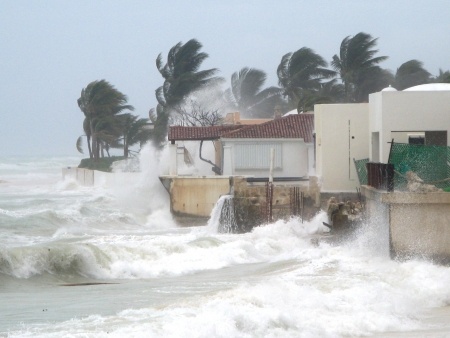
In hurricane-prone areas, follow official local instructions and forecasts. Prepare well before a storm arrives.
Depending on your location, that may include:
- Emergency supplies.
- Evacuation planning.
- Protecting windows.
- Securing outdoor objects.
- Preparing for power outages.
- Knowing evacuation routes.
If authorities tell you to evacuate, follow official guidance.
Your patio furniture is replaceable. You are much harder to replace.
Flood Safety
Flooding can develop quickly and may occur far beyond obvious waterfront areas.
Know whether your home is in a flood-prone area.
During a flood emergency, follow local authorities.
Never assume standing or moving water is safe to walk or drive through.
Floodwater may conceal hazards and can move with considerable force.
Radon in the Home
Radon is a naturally occurring radioactive gas that can accumulate indoors.
You can't reliably detect it by sight or smell.
Testing is the way to determine whether a home has elevated radon levels.
Recommendations and mitigation needs vary based on test results and location.
Use current public-health guidance for testing and mitigation.
What to Know About Radon Gas in Your Home →
Lead Paint in Older Homes
Older homes may contain lead-based paint.
The primary concern arises when lead paint deteriorates or is disturbed during renovation.
Don't casually sand, scrape, or demolish suspected lead-painted surfaces.
If your home is old enough to have lead paint, follow current government guidance for testing, renovation, and remediation.
This is especially important in homes with young children.
Asbestos Awarenes
Some older building materials may contain asbestos. Asbestos-containing material isn't something to experiment with.
The risk increases when material is damaged or disturbed, and fibers become airborne.
If you suspect asbestos in a material you plan to remove, repair, or renovate, stop and get professional guidance.
This is one home project where curiosity and a pry bar are a poor combination.
Asbestos Awareness: How to Keep Your Family Safe →
Carbon Monoxide Safety
Carbon monoxide is colorless and odorless.
Homes with fuel-burning equipment, fireplaces, or attached garages may face carbon monoxide risks.
Use appropriate carbon monoxide alarms according to local requirements, manufacturer instructions, and current safety guidance.
Maintain fuel-burning equipment properly.
Never operate generators or other combustion equipment in enclosed spaces where dangerous exhaust can accumulate.
If a carbon monoxide alarm sounds, treat it seriously and follow emergency guidance.
Seasonal Home Safety
Some safety risks change with the calendar.
Summer
Think about:
- Pools.
- Grills.
- Heat.
- Outdoor activities.
- Travel.
Fall
Review:
- Heating.
- Fireplaces.
- Outdoor lighting.
- Halloween safety.
Winter
Pay attention to:
- Heating equipment.
- Holiday lights.
- Candles.
- Fireplaces.
- Weather hazards.
Spring
Check:
- Outdoor areas.
- Pools before reopening.
- Storm preparation.
- Household maintenance.
Seasonal safety is easier when it becomes part of ordinary home maintenance rather than another separate project.
Holiday Safety
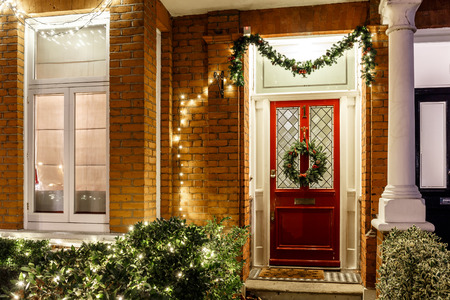
Holidays introduce decorations, candles, electrical cords, visitors, and unfamiliar objects into the house.
Keep:
- Exits clear.
- Candles appropriately supervised.
- Electrical decorations in good condition.
- Fragile or dangerous decorations away from young children and pets.
- Potentially hazardous foods and plants appropriately controlled.
Don't overload electrical systems.
And don't let decorations create tripping hazards. A festive extension cord across the hallway is still an extension cord across the hallway.
Halloween Safety
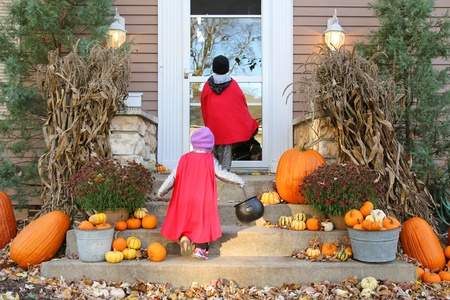
Halloween combines darkness, costumes, traffic, candles, and children focused primarily on acquiring sugar.
Make sure costumes don't create unnecessary tripping or visibility hazards.
Make sure children walking outdoors are visible to drivers.
Use age-appropriate supervision.
Check treats before young children eat them. And keep pets secure if repeated doorbell ringing or visitors cause stress.
Trick or Treating Safety Tips →
Explore Home Safety
Home Safety Tips: The Essentials →
10 Pool Safety Rules for Kids →
Safety Tips for Cooking Dinner →
Securing Your Home Against Intruders →
Home Earthquake Preparedness →
What to Know About Radon Gas in Your Home →
- Clean Home
- Safe at Home