Green Cleaning: A Practical Guide
to Cleaning With Less
Green cleaning can get surprisingly complicated. One minute you're trying to use fewer cleaning products.
The next, you're standing in a store comparing six bottles decorated with leaves while wondering whether "natural," "plant-based," and "eco-friendly" actually mean the same thing.
They don't necessarily. And you don't need to replace every cleaner in your house with something involving vinegar and an inspirational label.
A practical green-cleaning approach is much simpler:
Use fewer products. Use the right amount. Choose the least aggressive method that will do the job. Reduce waste where practical. And don't buy things you don't need.
Conveniently, many of those choices can save money too.
Here's how to clean a little greener without turning housework into a chemistry project.
What Does Green Cleaning Actually Mean?

There's no single household definition of "green cleaning."
For practical purposes, think of it as making cleaning choices that may reduce unnecessary products, packaging, waste, and exposure while still getting the house clean.
That can mean:
- Buying fewer specialized cleaners.
- Using reusable cleaning tools.
- Following product directions instead of using more than necessary.
- Choosing appropriate lower-impact products when they work for the job.
- Avoiding unnecessary fragrances or additives if you prefer.
- Maintaining surfaces so they don't require aggressive cleaning later.
- Reducing disposable supplies.
- Using water and mechanical cleaning when that's enough.
It doesn't have to mean throwing away everything underneath your kitchen sink tomorrow morning.
In fact, throwing away perfectly usable products merely to replace them with greener-looking products rather misses the point.
Use appropriate products responsibly. Replace them thoughtfully when necessary.
Natural Doesn't Automatically Mean Safe
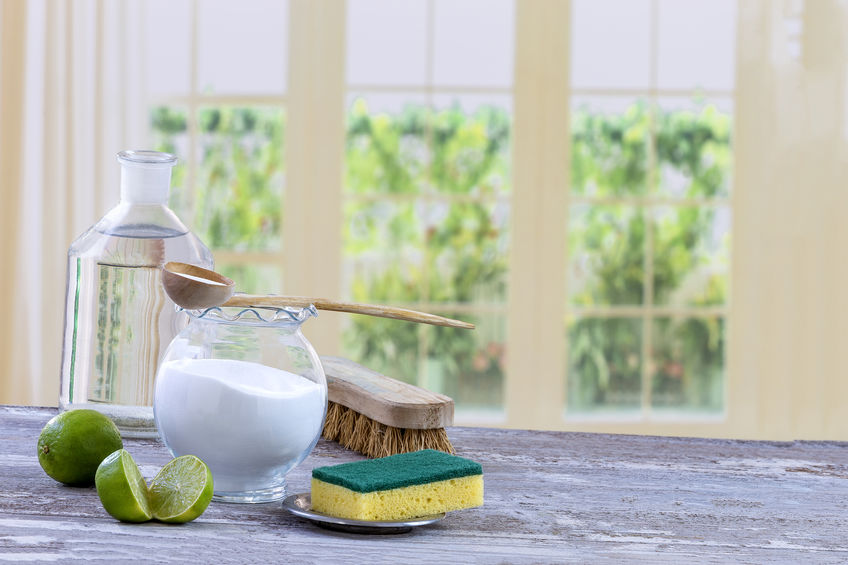
"Natural" sounds reassuring. But natural substances can irritate skin, damage surfaces, or be harmful if misused.
Everything around us is made of chemicals—including water. So don't judge a cleaning product solely by whether its ingredients came from nature or a laboratory.
Instead, consider:
- What you're cleaning.
- What the product is designed to do.
- How it should be used.
- Whether ventilation is needed.
- Whether gloves or other precautions are recommended.
- Whether it's safe for the particular surface.
- How it should be stored.
Read labels. Follow directions.
Keep cleaning products stored away from children and pets.
"Homemade" isn't a substitute for "used correctly."
Start With the Least Aggressive Cleaning Method
One of the easiest ways to clean more sustainably is to stop reaching for the strongest cleaner by default. Many everyday messes don't require it.
Start simple.
Depending on the surface and problem, you may need nothing more than:
- Water.
- A damp microfiber cloth.
- An appropriate brush.
- A small amount of dishwashing liquid or another suitable cleaner.
- Time for the cleaning solution to work.
Escalate only when the mess requires it. This can reduce how much cleaning product you use and how many specialty cleaners you need.
It can also help protect surfaces from unnecessary wear.
You Don't Need a Separate Cleaner for Everything
Walk down a cleaning aisle, and you'd be forgiven for thinking every object in your house requires its own bottle.
Kitchen cleaner.
Bathroom cleaner.
Glass cleaner.
Floor cleaner.
Stainless-steel cleaner.
Shower cleaner.
Tile cleaner.
Appliance cleaner.
Possibly a cleaner specifically designed for the lower-left corner of the guest bathroom.
Some surfaces genuinely do require special care. Many don't.
Before buying another product, ask:
Do I already own something appropriate for this job?
A smaller collection of versatile products is easier to store, easier to track, and often less expensive.
Green Home Cleaning Products: What You Should Know →
Read the Label Before You Clean
Whether a product is conventional, plant-based, or homemade, make sure it's appropriate for the surface.
Natural stone, wood, specialty finishes, electronics, and other materials may be damaged by products that work perfectly well elsewhere. Acidic products are a good example.
Vinegar may be useful for some household jobs, but that doesn't make it a universal cleaner.
Before trying a cleaning method:
- Identify the surface.
- Check manufacturer instructions when available.
- Read product directions.
- Pre-test where appropriate.
- Use only as much product as necessary.
Replacing a damaged countertop isn't especially green.
Or inexpensive.
Vinegar: Useful, but Not for Everything
White vinegar has become the celebrity of homemade cleaning. Its acidity helps with certain cleaning jobs. That same acidity is why it isn't appropriate for every surface.
Don't assume vinegar is safe simply because it's a familiar food ingredient. It may be unsuitable for some stone, finishes, appliances, or other materials.
Check the surface first. Never mix vinegar with other cleaning products at random. Cleaning products aren't cocktail ingredients. Shaken or stirred together, they can become toxic.
More ingredients do not necessarily produce a better - or safe - result.
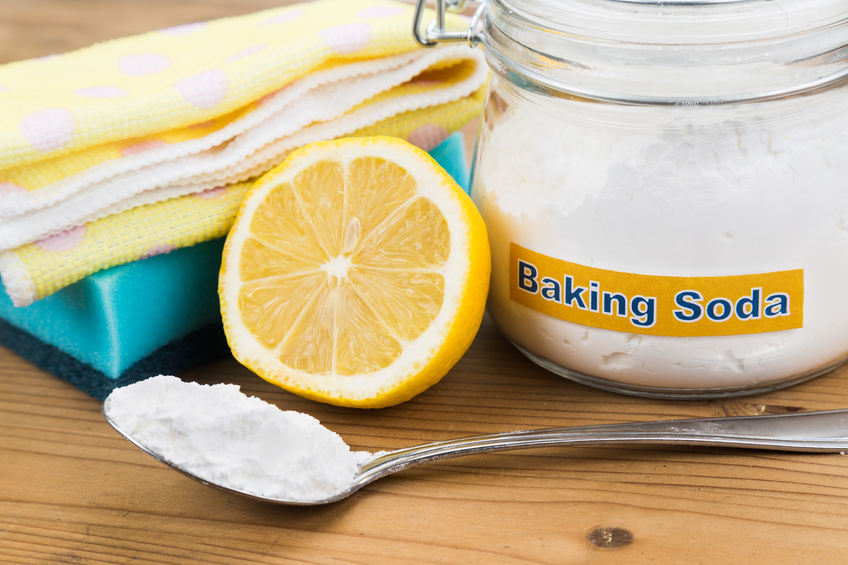
Baking Soda: A Useful Mild Abrasive
Baking soda can be useful when gentle abrasion is appropriate. It may help with certain grime or odors.
But "mild" doesn't mean appropriate for every finish. Anything abrasive can scratch or dull some surfaces.
Use it selectively and test where necessary. The goal isn't to prove that one inexpensive pantry product can clean your entire house.
It's to use the simplest appropriate tool for each job.
Don't Mix Cleaning Products
This deserves its own section.
Don't experiment by mixing household cleaning products.
Certain combinations can produce dangerous gases or other hazardous reactions. In particular, never casually combine bleach with other cleaners.
Follow label directions and use products as intended.
If one product isn't working, rinse or otherwise clear the area as directed before switching methods.
More chemistry does not mean better cleaning.
Green Cleaning Tools That Actually Help
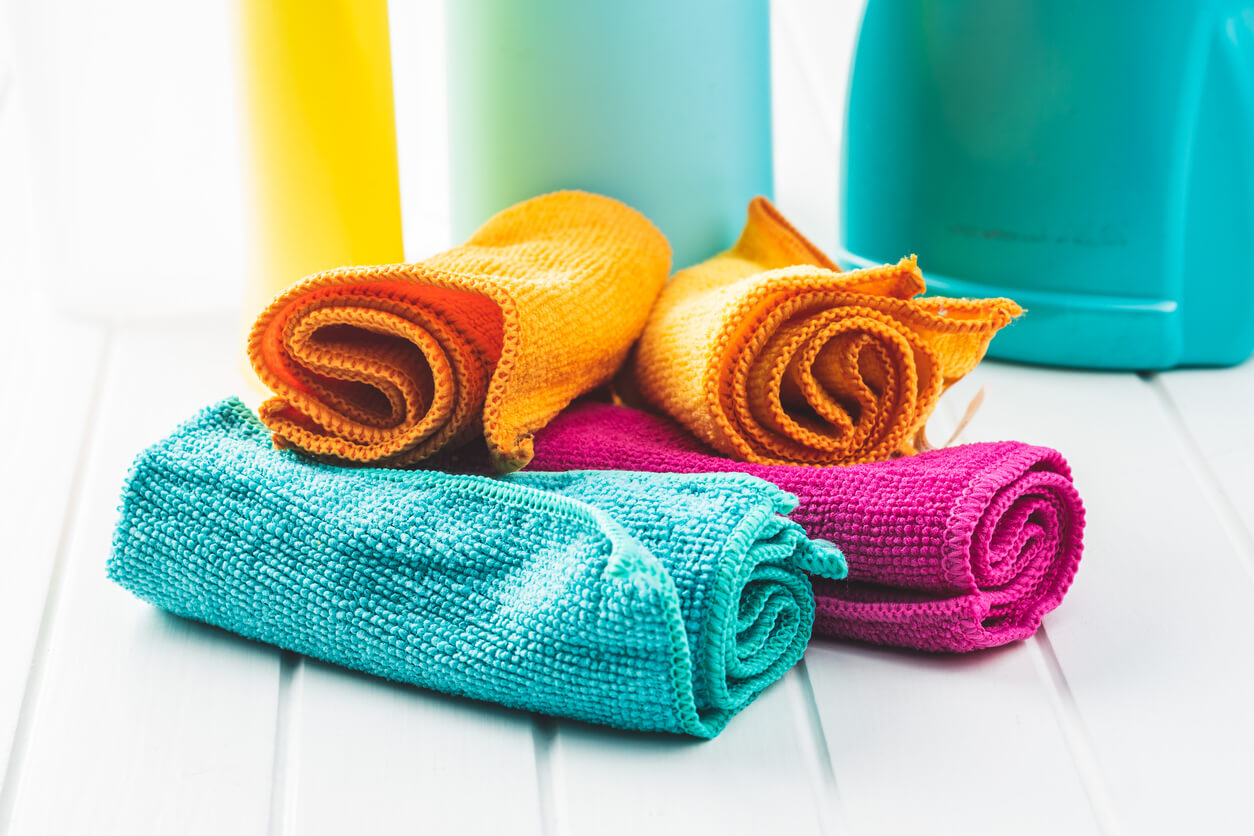
You can reduce cleaning-product use by a surprising amount by improving the tools doing the work.
Microfiber Cloths
Reusable microfiber cloths can remove dust and dirt effectively with little or sometimes no cleaning solution, depending on the job.
Keep cloths designated for different areas, especially bathrooms and kitchens. Wash them according to their care instructions.
Brushes
A good brush can provide the mechanical action that people sometimes try to replace with stronger chemicals.
Use the right stiffness for the surface.
Mop
Choose a reusable mop system appropriate for your flooring rather than automatically relying on disposable pads.
Vacuum
Regular vacuuming removes dirt before it becomes ground into carpeting, rugs, and upholstery.
Maintain filters and bags according to the manufacturer's instructions so the vacuum works properly.
Squeegee
A quick squeegee after a shower can reduce lingering water and buildup, which means less scrubbing later.
Sometimes the greenest cleaning product is simply not letting the mess get bad enough to need one.
Use Less Product
More cleaner doesn't usually mean cleaner.
Using too much can:
- Waste money.
- Leave residue.
- Require more rinsing.
- Make floors or surfaces look dull.
- Cause detergent buildup in laundry.
- Empty the bottle faster for no useful reason.
Follow the manufacturer's recommended amount. This is particularly important with concentrated products.
A capful isn't automatically better because you've made it two.
Choose Concentrates When It Makes Sense
Concentrated cleaning products can reduce packaging and the amount of product you need to transport and store.
But only if you'll actually use them.
Don't buy a giant concentrated product because the per-ounce price looks wonderful if it will sit under the sink for the next seven years.
Buy according to your real cleaning habits.
And measure concentrated products properly.
Reduce Disposable Cleaning Supplies
Disposable products are convenient. You don't have to eliminate them entirely to reduce waste.
Consider where reusable alternatives make sense for your household.
You might use:
- Washable cleaning cloths.
- Reusable mop pads.
- Durable brushes.
- Refillable containers when appropriate.
- Reusable dusting tools.
Reserve disposable products for jobs where they're genuinely useful or preferable.
Green cleaning doesn't have to be an all-or-nothing contest.
Reducing waste is still reducing waste.
Save Money With a Smaller Cleaning Kit
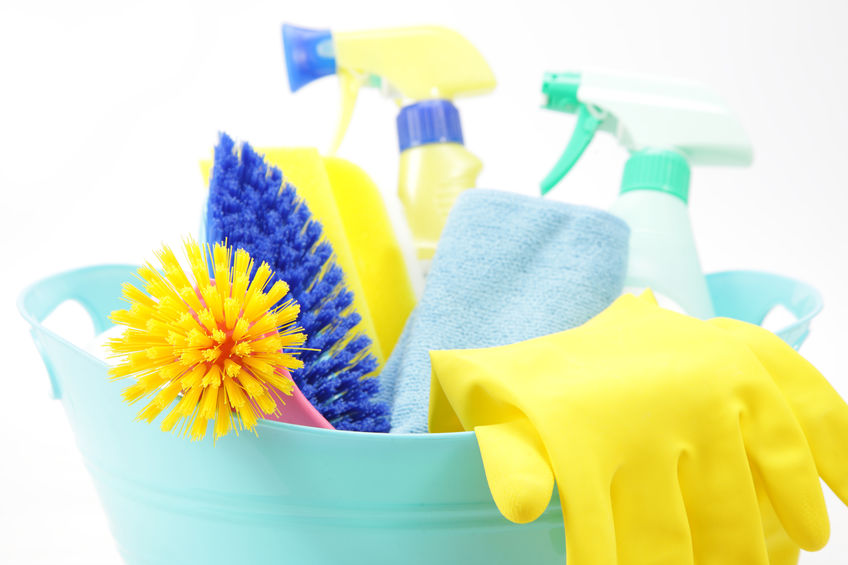
Cleaning products are an easy category to overbuy.
We buy one for a particular stain.
Another for the shower.
Another because it smelled good.
Another because somebody online said it would change our lives.
Eventually there's $87 worth of cleaning products underneath the sink, and we still use the same three.
Before buying another cleaner:
- Check what you already own.
- Finish appropriate products before replacing them.
- Avoid unnecessary duplicates.
- Buy specialty cleaners only when the surface or problem actually requires one.
- Follow dilution instructions.
- Store products so you can see what you have.
Organization saves money by preventing you from buying the fourth bottle of something because the other three were hiding in the back.
Green Cleaning the Kitchen
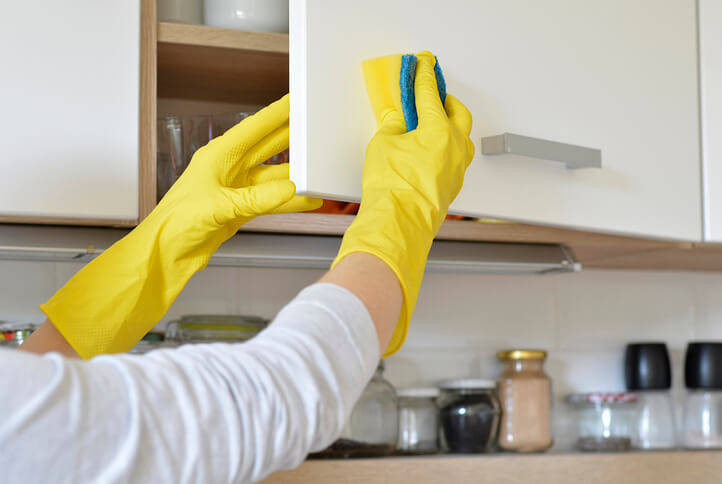
Kitchen cleaning is largely about staying ahead of mess.
Wipe spills before they dry.
Clean cooking residue regularly.
Sweep or vacuum crumbs.
Don't allow grease to build up for months and then wonder why removing it requires serious intervention.
For counters and appliances, always use cleaning methods appropriate for the material.
Granite, quartz, laminate, stainless steel, glass, and other surfaces don't necessarily have identical care requirements.
The Refrigerator
Regularly remove spoiled food and wipe spills before they harden.
A cleaner refrigerator also makes it easier to see what you have—which can reduce food waste.
The Oven and Stovetop
Clean spills once the appliance is cool and it's safe to do so, rather than repeatedly baking residue onto the surface.
Follow the manufacturer's instructions, especially for specialty cooktops and self-cleaning ovens.
Green Cleaning the Bathroom
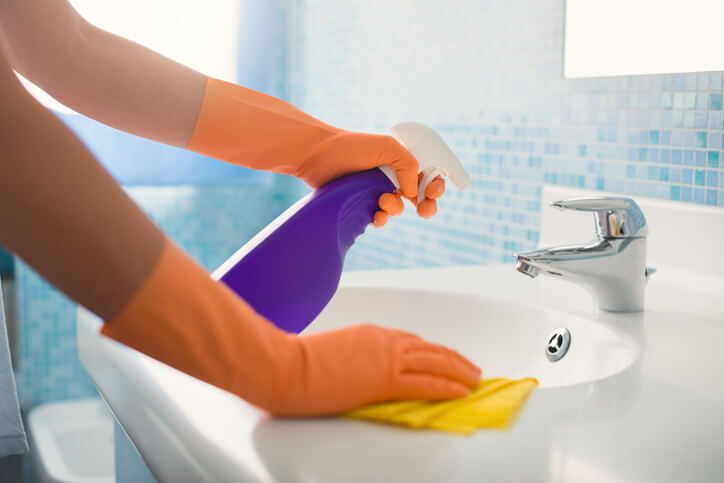
The most effective green cleaning strategy in a bathroom is controlling moisture.
Moisture contributes to mildew, mold, and buildup.
Use ventilation.
Allow towels to dry.
Address leaks.
Remove excess water from shower surfaces when practical.
Clean regularly enough that you don't need increasingly aggressive methods later.
For soap residue and mineral deposits, identify the surface before choosing a treatment.
What works on ordinary ceramic tile may not work on natural stone.
Bathroom Cleaning and Organizing →
Green Laundry Habits
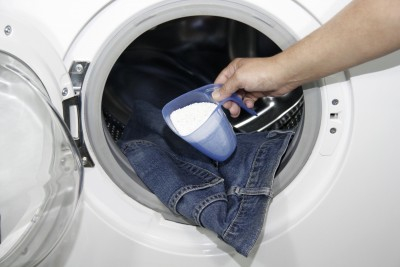
Laundry offers several opportunities to reduce waste and save money.
Wash Full Loads
Run reasonably full loads rather than repeatedly washing a few items, while staying within your machine's capacity.
Use the Correct Amount of Detergent
More detergent isn't better.
Too much can leave residue and waste money.
Use Cooler Water When Appropriate
Many everyday loads can be washed in cooler water, depending on fabric, soil level, and care instructions.
Use warmer temperatures when the laundry or situation requires them.
Treat Stains Promptly
The sooner you address stains, the less likely you'll need repeated washing or aggressive treatment later.
Don't Overdry
Remove clothing when it's dry rather than continuing the cycle unnecessarily.
Follow garment care labels.
Laundry & Stain Removal Guide →
Green Cleaning Your Floors
The best cleaning method depends on the flooring.
That's especially important with green cleaning because homemade solutions aren't universally safe.
Hardwood, laminate, tile, natural stone, vinyl, and other floors may require different care.
For most floors, begin with good dirt control:
- Use doormats.
- Sweep or vacuum regularly.
- Clean spills promptly.
- Use the minimum appropriate moisture.
- Follow flooring manufacturer recommendations.
Preventing dirt from grinding into the floor reduces how much cleaning it needs later.
Spring Cleaning Without Chemicals
Spring cleaning doesn't require attacking the entire house with the strongest products available. Start with removal.
Declutter.
Vacuum.
Dust.
Wash appropriate fabrics.
Open windows when weather and conditions allow.
Clean surfaces with the least aggressive method that works.
Then use stronger or specialized products only where the job actually calls for them.
Deep cleaning is mostly more thorough cleaning, not necessarily more chemical cleaning.
Spring Cleaning Without Chemicals →
Reduce Waste Before It Enters Your Home
Green cleaning isn't only about what happens after something becomes dirty.
Pay attention to what comes into the house. You can reduce waste by:
- Avoiding unnecessary packaging when practical.
- Choosing durable products.
- Reusing appropriate containers.
- Repairing things worth repairing.
- Donating usable belongings.
- Recycling according to local rules.
- Buying less in the first place.
Every item you don't unnecessarily bring home is something you won't eventually have to clean, organize, store, or dispose of.
That connects green living directly to decluttering.
Composting Household Food and Yard Waste
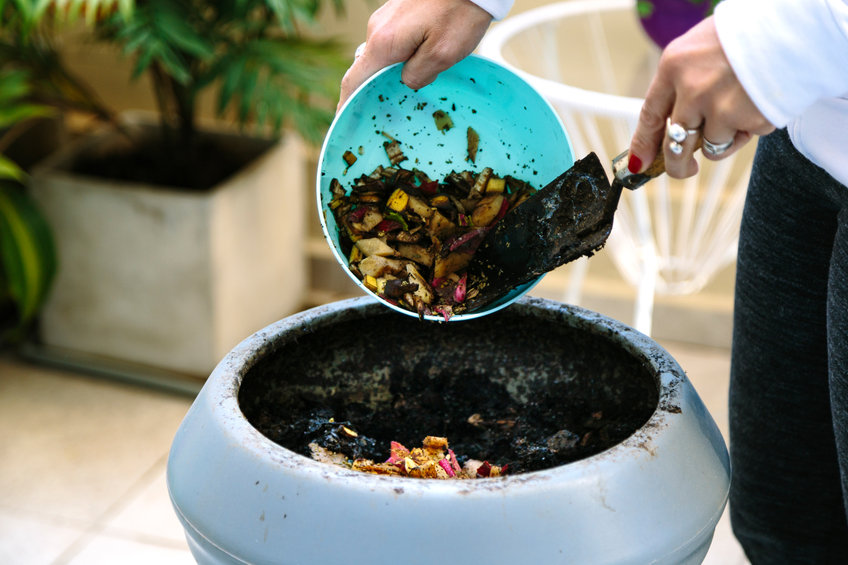
Composting can keep certain food scraps and yard materials out of the trash while creating useful material for the garden.
A basic compost system typically balances "green" and "brown" materials with air and moisture.
What belongs in the compost depends partly on the system you're using.
Ordinary backyard composting generally isn't the place for meat, dairy, and fats, which can create odor and pest problems.
And no, composting does not automatically require worms.
Green Cleaning With Kids and Pets in the House
Children and pets are good reasons to pay close attention to how you store and use cleaning products.
Keep products out of reach, following appropriate safety guidance.
Don't assume a product is harmless around children or animals merely because the label emphasizes natural ingredients.
Let surfaces dry or rinse them when the directions require it.
And consider whether you actually need a product before introducing it into the environment.
Simple is often enough.
What About Disinfecting?
Cleaning and disinfecting aren't the same thing.
Cleaning removes dirt, debris, and many germs from surfaces.
Disinfecting uses an appropriate product to kill specified microorganisms when used as directed.
You don't necessarily need to disinfect every surface in your home every day.
But disinfecting may be appropriate in some situations.
When you do disinfect, use a product designed for the job and follow its directions—including any required surface contact time.
Don't automatically treat a homemade cleaner as a disinfectant.
Cleaning vs. Sanitizing vs. Disinfecting →
Common Green Cleaning Mistakes
Assuming natural means harmless
It doesn't.
Use every cleaning substance appropriately.
Buying an entirely new collection of "green" products
Use appropriate products you already own before replacing everything unnecessarily.
Making green cleaning too complicated
If your environmentally conscious cleaning routine requires eighteen ingredients and an afternoon of manufacturing supplies, you probably won't keep doing it.
Forgetting that cleaning tools matter
Sometimes better mechanical cleaning means you need less product.
Trusting the front of the bottle
Marketing language doesn't tell you everything you need to know about a product.
Read labels and directions.
Using too much cleaner
More isn't automatically better.
Using vinegar everywhere
Acid isn't appropriate for every household surface.
Mixing homemade cleaners
Don't experiment with combinations of cleaning products.
You Don't Have to Clean Your Home Perfectly Green
You don't get extra environmental points for making housework harder than it needs to be.
Some jobs call for a conventional cleaning product. Use it correctly.
The goal isn't purity. It's about making better choices when it makes sense.
Use less.
Waste less.
Buy thoughtfully.
Choose the right product for the job.
Maintain things so they last longer.
And don't turn green cleaning into another expensive lifestyle category full of products you didn't know you needed.
A cleaner home, less waste, and less money disappearing underneath the kitchen sink?
That's a system worth keeping.
Green Cleaning Can Be Cheaper Cleaning
Many of the best money-saving cleaning habits are also less wasteful.
Use what you have.
Buy fewer specialty products.
Measure concentrates.
Don't overdose detergent.
Use reusable tools where practical.
Maintain surfaces before grime becomes difficult to remove.
Care for appliances so they last.
Treat stains promptly instead of repeatedly rewashing clothes.
Don't buy an organizer for six cleaning products you didn't need to buy in the first place.
None of these changes is dramatic.
That's precisely why they're sustainable.
Explore Green Cleaning
Green Home Cleaning Products: What You Should Know →
Spring Cleaning Without Chemicals →
Bathroom Cleaning and Organizing →
- Clean Home
- Green Clean & Save