Eco-Friendly Gifts People Will Actually Want and Use
Shopping for eco-friendly gifts gets confusing fast. You start out wanting to give something thoughtful and green. Then suddenly you're staring at a $38 bamboo object whose purpose isn't entirely clear, wondering whether it's a utensil, a planter or modern art.
Here's the simplest rule in green gift-giving: the most eco-friendly gift is one the person will actually use. Something they'll eat, do, read, wear out or use up. Not the 47th new object in a house that's already full.
The environmental impact of products can be complicated, but avoiding unnecessary purchases is refreshingly straightforward.
Give an Experience
Experiences don't need dusting, storing or eventually donating. Pick one that fits their idea of fun, not yours:
- Tickets: a concert, a play, a ballgame, a comedy show
- A class: cooking, pottery, painting, dance, woodworking, a language
- A spa day, a massage or a manicure
- A tour: a food tour, a winery, a historic home, a boat ride
- A weekend away, for the people who'd treasure it
Give the Gift of Time Together
Some of the best gifts cost almost nothing: lunch together once a month, a picnic, a hike, a baking day, a museum afternoon, a day trip to the coast. Write it on a card, put a date on it, and show up. Older relatives often love this more than anything you could wrap. Sometimes the best gift is taking your mother to lunch.
Give Something They'll Use Up
Consumables are the clutter-free classic. It is appreciated. It is eaten. It is gone. My favorite organizational sequence.
Food and Drink
Give what they already love, just a nicer version: great coffee beans, loose-leaf tea, good chocolate, fancy nuts, local honey, spices, olive oil, maple syrup, cocoa, cider, or a bottle of something interesting if they enjoy it. Skip the mug. They have enough mugs.
Stick to what they like. Don't use Christmas as an opportunity to introduce Uncle Bob to artisanal fermented seaweed. A gift should not be a dietary challenge.
Homemade Food
Cookies, jam, granola, spiced nuts, a loaf of bread, a jar of soup or a batch of their favorite sauce. It's personal, it's eaten, and it's gone by New Year's. Label it with the ingredients and any common allergens (nuts, dairy, eggs, wheat), and package it in a jar or tin they can reuse.
Personal Care Products
Soap, lotion, lip balm, bath salts, shampoo bars and refillable products get used every day and used up. Pick one or two nice things they'll actually use, not a giant festive basket. Nobody needs nine vaguely pine-scented products entering January together.
Give Something That Isn't a Thing
- A membership: a museum, zoo, aquarium, botanical garden, science center or state park pass. It's a whole year of outings, and for families it beats another pile of toys. Parents will thank you every time they visit.
- A subscription they'll actually use: an audiobook service, a streaming service, a newspaper, a music service, a learning app or a magazine. Only if they want it. A 12-month subscription to something they don't use isn't a gift. It's recurring guilt.
- A service: a house cleaning, a few hours of babysitting, yard work, meal delivery, a closet-organizing session, dog walking. It's perfect for new parents, busy families and anyone overwhelmed. Nobody has to dust it. Nobody has to store it. Nobody has to eventually donate it.
- Your own time and skills: come over, fix the printer and stay for lunch. Never underestimate the value of fixing the printer.
- A repair: have their favorite boots resoled, a lamp rewired, a chair reupholstered or Grandma's ring resized. It brings something they already love back into use.
- A donation in their name to a cause they care about. This works best for people who have said they want this, not as a surprise.
Give Fewer, Better Things
Sometimes a thing really is the right gift. Make it a good one.
Something Durable
One beautifully made item that lasts for years beats five cheap ones that break by February. A good chef's knife, a cast-iron skillet, a wool blanket, a well-made umbrella, quality tools, a leather wallet. Fewer. Better. Useful. Long-lasting.
Secondhand and Vintage
A first edition of a favorite book, vintage jewelry, an old record, a beautiful serving platter, a piece of midcentury pottery. Secondhand gifts can be the most special ones you give, as long as you know their taste. A mysterious ceramic rooster you bought because it was inexpensive is a future donation. Know your audience.
Books
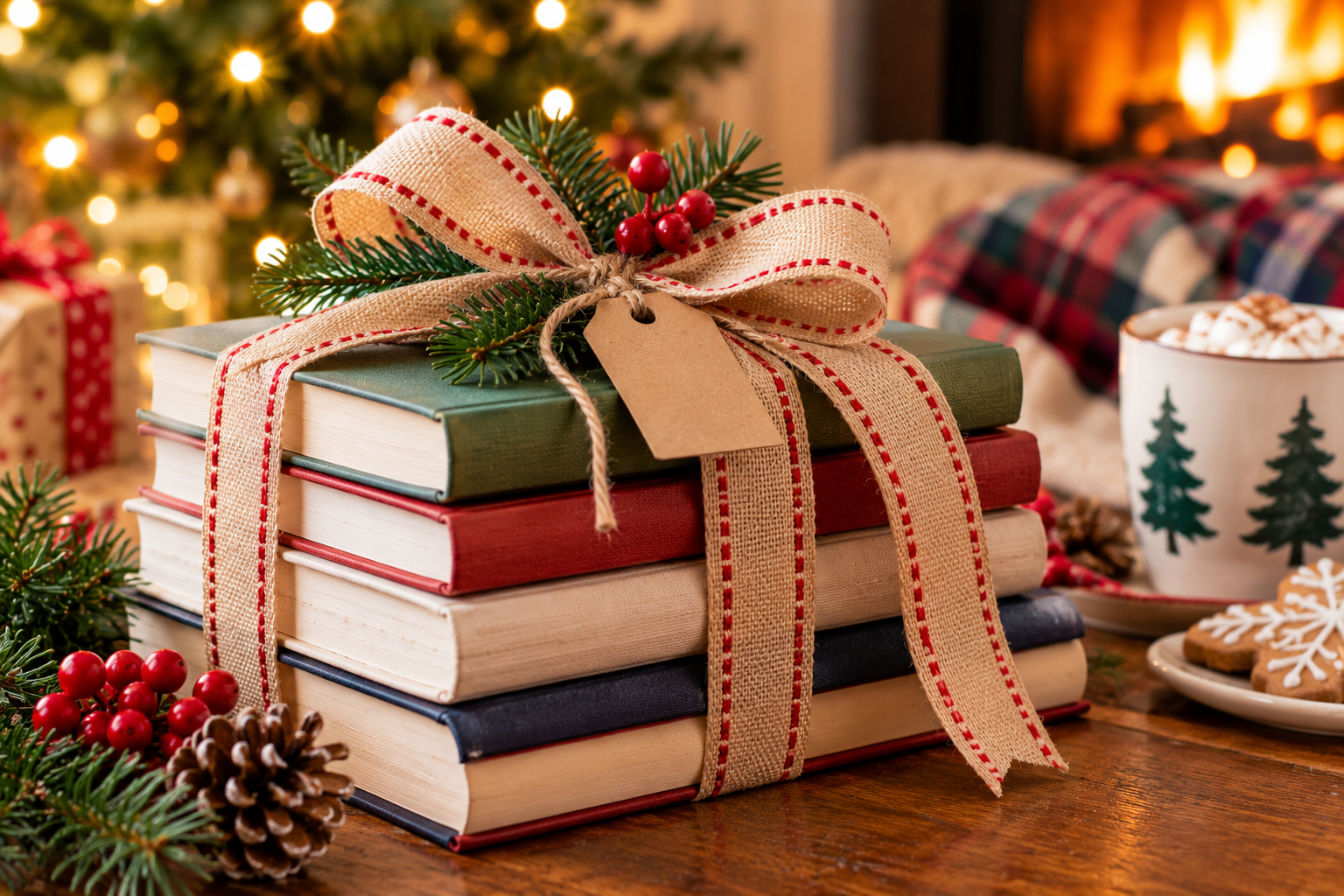
A well-chosen book gets read, reread, shared, passed along or donated, and it never becomes obsolete after three days of frantic button pushing. Books are perfect for kids. And yes, I'm slightly biased in favor of books. I'm comfortable with that.
Reusable Swaps for Disposables
Cloth napkins, beeswax food wraps, reusable produce bags, a good set of glass food containers, cloth kitchen towels instead of paper towels. These work when they actually replace something disposable the person uses. Skip the "zero-waste starter kit" nobody asked for. Wonderful. Until someone owns 14 of each.
Handmade
A knitted scarf, a woodworking project, a framed drawing, a quilt. Handmade gifts can be treasured for 60 years, but only if the recipient wants the thing you made. If you're not sure they'll wear the scarf, this isn't the year for it.
Plants, for Plant People Only
A houseplant, a potted herb, seeds, bulbs or a small tree for the yard is a lovely gift for someone who loves plants. For someone who has accidentally killed three succulents: Chocolate. Give them chocolate.
For gardeners, give good hand tools, gloves, seeds, bulbs, a planter or a garden-center gift card. But a raised-bed gardening kit is not a subtle suggestion that your sister should develop a hobby.
Or Just Ask What They Want
The most effective eco-friendly gift strategy: ask. "What would you actually like this year?" Revolutionary, I know. A surprise nobody wanted is still something nobody wanted, no matter how green the packaging.
Eco-Friendly Gifts by Budget
|
Budget Free or almost free Under $25 $25 to $75 $75 and up |
Ideas Lunch together, a day trip, fixing the printer, babysitting, homemade cookies, a handwritten letter Great coffee or tea, good chocolate, a book, a plant, beeswax wraps, a secondhand find, a nice bar of soap A class, concert tickets, a museum or zoo membership, a cast-iron skillet, a cleaning service, an audiobook subscription A family membership, a weekend away, a quality wool blanket, a spa day, a repair or reupholstering job |
Eco-Friendly Gifts by Person
For Kids
One Christmas morning can introduce enough new possessions to require a zoning permit. Fewer, better gifts work best: books, art supplies, experiences, a zoo or science-center membership, and one well-made toy instead of five plastic ones.
Parents will quietly adore you for not arriving with another 184-piece plastic set. Kids don't need 17 presents. They need a few good ones and someone to play with.
For Teenagers
Ask them. Marketing departments have never met your teenager. You have. Teens love concert and event tickets, favorite foods, a streaming or music subscription, the clothes they actually asked for, a class in something they're into, or a gift card to the secondhand store they love.
For Someone Who Has Everything
Believe them. When people say they don't need anything, they mean it. Give an experience, a meal out, a membership, a consumable, a service, a donation in their name, or their favorite homemade treat. Especially if they already own every object.
For Grandparents
Many grandparents have spent years accumulating possessions, and some are trying hard to get rid of them. They'd love time with you, a photo book of the grandkids, an outing, tickets to a show, or help with a project. Others would prefer you come over, fix the printer and stay for lunch. Some grandparents absolutely do want an object. Ask.
What Makes a Gift Eco-Friendly? The 5-Question Test
Ignore the label for a minute and ask:
1. Will they actually use it?
2. Do they already own something that does the same job?
3. Will it last, or will it get used up?
4. Could I give an experience or buy it secondhand instead?
5. Am I buying it for them, or because it made me feel green?
If the answers are yes, no, yes, no and "for them," you've found it. The greenest gift isn't the one with the most impressive environmental claims printed on the box.
Packaging counts, too. When you have a choice, pick minimal, recyclable or refillable packaging. Then wrap it in something reusable. Here are some eco-friendly gift wrap ideas.
Don't replace good things just to be greener. Sustainability does not require a home makeover. The plastic container that still works is greener than the bamboo one you'd buy to replace it. Perfection is exhausting. Better choices are much more sustainable.
The Five Rules of Eco-Friendly Gift Giving
1. Give fewer, better gifts. Quantity isn't the measure of generosity.
2. Choose what they'll use.
3. Favor experiences and things that get used up.
4. Don't replace good things that still work.
5. Don't give clutter, even green clutter.
That last one might not make much sense in a store aisle in December. But it makes a lot of sense on December 26.
Frequently Asked Questions
What is the most eco-friendly gift?
One the person will actually use: an experience, food or drink they love, a membership, a service, a well-chosen book, or something secondhand. The greenest gift is often no new object at all.
What do you give someone who has everything?
An experience, a meal out together, a membership, a consumable like good coffee or chocolate, a service like a house cleaning, or a donation in their name.
What are good eco-friendly gifts for kids?
Books, art supplies, experiences, a zoo or science-center membership, and one well-made toy instead of several plastic ones.
Are experience gifts better than physical gifts?
For the planet and for clutter, usually yes. They don't need storing or dusting, and people remember them. Pick an experience that fits the recipient's interests, not yours.
How do you give a clutter-free gift?
Give something they'll eat, do, read or use up: food, a class, tickets, a membership, a service, or your time.
Keep Going
The gifts are chosen, and nobody's getting a mysterious ceramic rooster. Keep the rest of the season green with these related guides:
• Eco-Friendly Gift Wrap Ideas: Kraft paper, fabric wraps and the scrunch test for what can be recycled.
• Creative Gift Wrapping Ideas: Toppers, photo tags and how to make simple paper look expensive.
• Green Holiday Entertaining Tips: Eco-friendly hosting, from the centerpiece to the leftovers.
• Easy Christmas Holiday Tips: Do less, enjoy more, and stop treating December like a competition.
• How to Organize Your Holiday Life: One list, one calendar, and a gift budget that holds.
• After-Holiday Green Cleaning: Get the house back to normal without harsh chemicals.
• How to Declutter Your Home: For when someone gave you the 47th new object anyway.
• Green Cleaning Guide: Clean your home safely and save money all year.
As an Amazon Associate, I earn from qualifying purchases.
- Clean Home
- Green Cleaning
- Eco-Friendly Gifts