Home Maintenance:
A Practical Guide to Keeping Your House in Good Shape
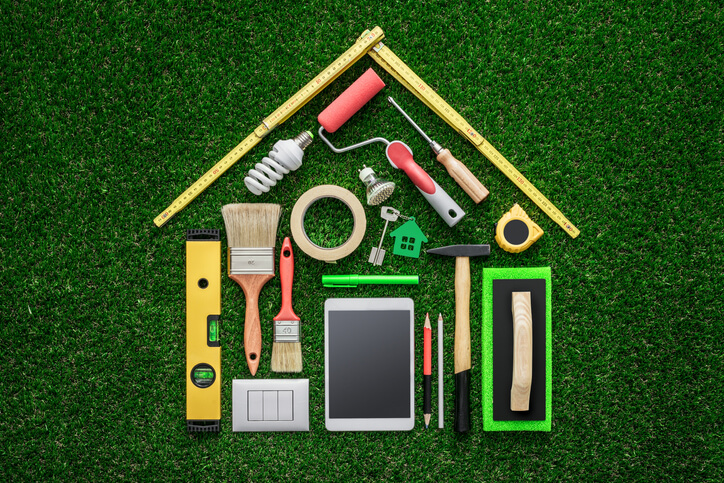
Homes are wonderfully demanding things.
The minute you finish cleaning one room, a faucet starts dripping. The refrigerator makes a noise you've never heard before.
The caulk around the tub develops an alarming gap, and something on the roof suddenly looks different than it did yesterday.
That's homeownership.
The good news is that most home maintenance is much easier when you deal with small problems before they become expensive problems.
You don't need to become a contractor. You need a simple system for:
- Checking the important parts of your home regularly.
- Handling basic maintenance before things break.
- Knowing which small repairs you can reasonably tackle yourself.
- Recognizing when a job needs a professional.
- Spreading annual chores throughout the year instead of saving everything for one heroic spring-cleaning weekend.
Here's how.
Preventive Maintenance Is Cheaper Than Repair
A house may last for generations. Its individual parts won't. Faucets leak. Caulk fails. Appliances wear out. Filters get dirty. Gutters clog. Weather takes a toll.
Preventive maintenance catches those things early. A five-minute inspection today can prevent a much larger repair later.
Pay particular attention to:
- Plumbing leaks.
- Water damage.
- Roof and exterior problems.
- Heating and cooling systems.
- Appliances.
- Caulk and grout.
- Electrical problems.
- Doors and windows.
- Signs of pests.
- Anything making a new or unusual sound.
Homes tend to give warnings.
The trick is noticing them before they start sending invoices.
Preventative Home Maintenance Checklist →
Build a Basic Home Toolkit
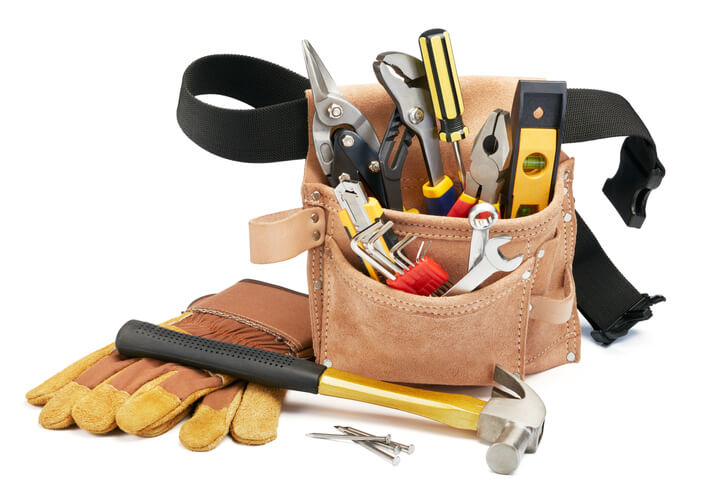
You don't need a garage full of professional equipment to handle ordinary household jobs.
A basic toolkit can handle plenty of minor repairs.
Useful tools to have on hand include:
- •Screwdrivers.
- Hammer.
- Pliers.
- Adjustable wrench.
- Tape measure.
- Utility knife.
- Level.
- Flashlight.
- Drill and assortment of bits.
- Basic fastening hardware.
- Safety equipment as needed.
Buy tools as you actually need them.
A household toolkit is supposed to save money—not become another collecting hobby. And don't attempt a repair simply because you own the tool required to begin it.
Knowing when to stop is also a home-maintenance skill.
Building a Basic Home Toolkit →
Do a Monthly Home Check
You don't need to inspect every square inch of the house every month. Instead, look for changes.
Walk through the home and ask:
- Is anything leaking?
- Is anything loose?
- Is anything cracked?
- Is something draining more slowly?
- Is a door sticking?
- Has caulk separated?
- Is an appliance behaving differently?
- Are there signs of moisture?
- Is anything making an unusual noise?
- Is there evidence of insects or pests?
The more familiar you are with your house when everything is working normally, the easier it is to spot something that isn't.
Plumbing Maintenance
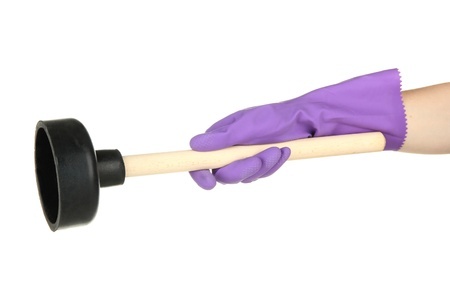
Water can turn a small household problem into a very expensive one surprisingly quickly.
Keep an eye on:
- Faucets.
- Toilets.
- Under-sink plumbing.
- Supply lines.
- Drains.
- Water heaters.
- Dishwasher connections.
- Washing-machine hoses.
- Refrigerator water lines.
Look for moisture where there shouldn't be any.
A slow drip under the sink may seem harmless until the cabinet floor swells, mold appears, and the repair acquires several additional zeros.
Prevent Clogged Drains
Avoid putting inappropriate materials down drains. Use strainers where useful.
Pay attention when drains begin slowing.
A partially blocked drain is generally easier to deal with than a completely blocked one.
How to Prevent Plumbing Problems →
Kitchen Maintenance
The kitchen contains several of the most heavily used systems and appliances in the house.
Keep an eye on:
- Refrigerator.
- Dishwasher.
- Garbage disposal.
- Range and oven.
- Sink plumbing.
- Faucets.
- Ventilation.
- Cabinets around water connections.
Clean appliance components according to the manufacturer's instructions and address unusual leaks, noises, or performance changes promptly.
Maintain the Refrigerator
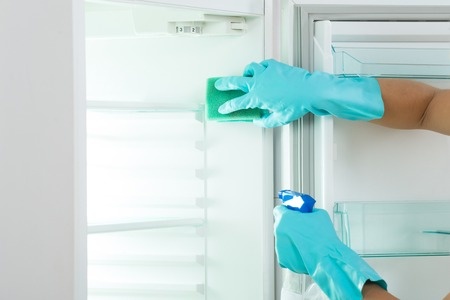
A refrigerator works every hour of every day.
Basic maintenance may include cleaning the appropriate coils or vents, checking door seals, and keeping air-circulation areas clear, according to the manufacturer's instructions.
A little maintenance can help an appliance work efficiently and may extend its useful life.
Refrigerator Maintenance Tips →
Maintain the Garbage Disposal
If you have a garbage disposal, use it correctly and keep inappropriate materials out of it. Don't treat it as a household waste shredder.
Follow the manufacturer's cleaning and maintenance instructions.
Maintaining Your Garbage Disposal →
Heating and Cooling Maintenance
Heating and air-conditioning systems are easier to maintain than to replace.
Follow manufacturer recommendations and professional service schedules appropriate to your equipment.
Tasks may include:
- Checking or replacing filters.
- Keeping vents clear.
- Keeping outdoor units appropriately clear of debris.
- Listening for unusual noises.
- Monitoring performance.
- Scheduling periodic professional servicing.
A system that suddenly runs longer, sounds different, or struggles to maintain temperature may be telling you something.
Listen before it starts shouting.
Save Energy Through Maintenance
Energy efficiency isn't only about buying new equipment.
Maintenance helps too. A poorly maintained heating or cooling system may have to work harder.
Leaky doors and windows can waste conditioned air.
Dirty filters can reduce system performance.
Even simple habits can affect utility bills.
Look at:
- HVAC filters.
- Door and window seals.
- Thermostat settings.
- Water heating.
- Lighting.
- Appliance use.
- Insulation where appropriate.
10 Ways to Reduce Air Conditioning Bills →
Fireplace Maintenance and Safety
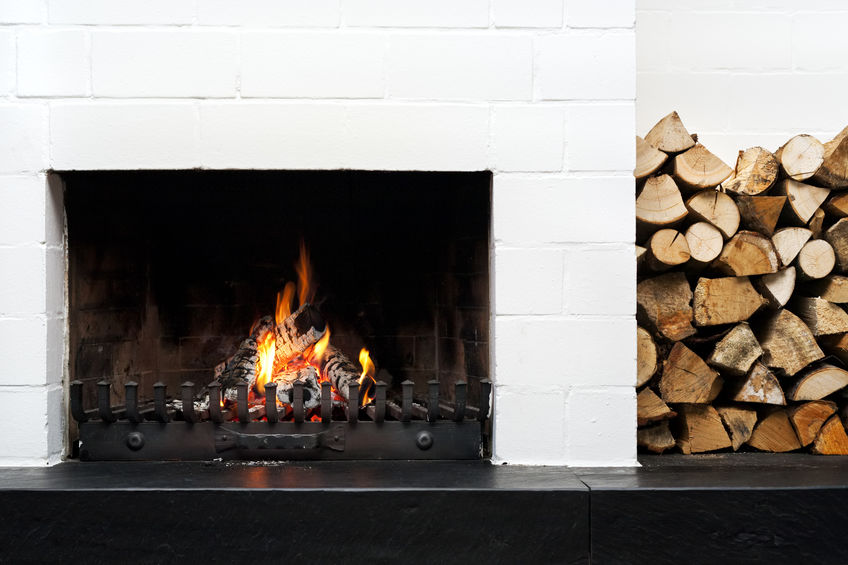
If you use a fireplace, it needs regular attention. Inspect it before the season begins.
Depending on your fireplace and chimney type, professional inspection or cleaning may be appropriate.
Watch for:
- Cracks.
- Damaged components.
- Excess buildup.
- Problems with doors or screens.
- Anything unusual about draft or smoke.
Don't treat a fireplace as decorative equipment just because it looks attractive when lit. It's still a fire inside your house.
8 Fireplace Maintenance Tips →
Walls, Paint and Small Repairs
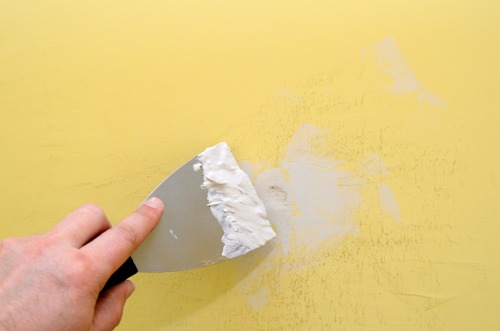
Minor wall damage doesn't always require a professional.
Small holes, loose hardware, and similar cosmetic repairs may be manageable DIY jobs.
The key is knowing your limits. A nail hole is one thing. A mysterious widening crack running diagonally across the wall is another.
When damage may indicate a structural, electrical, plumbing, or moisture problem, investigate the cause before covering it up.
Paint is very good at hiding things. It isn't especially good at fixing them.
Home Repairs You Can Do Yourself →
Exterior Home Maintenance
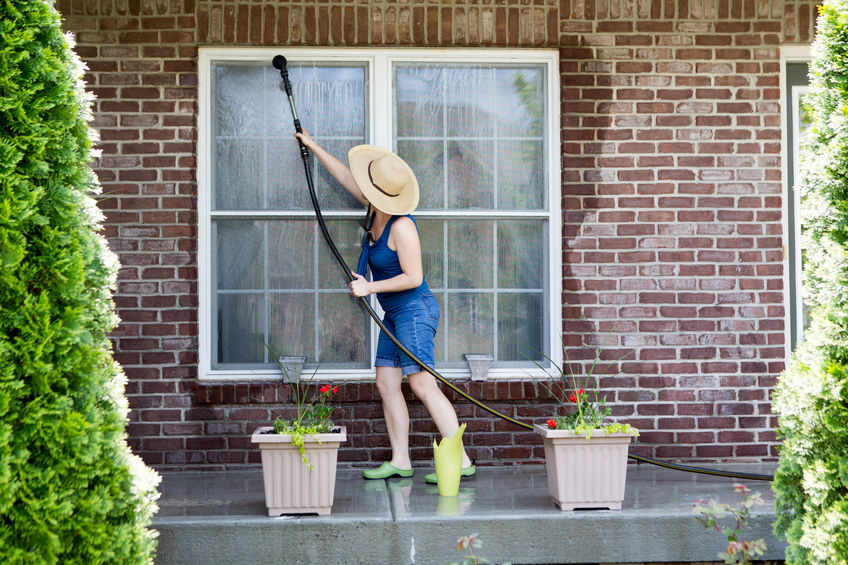
The outside of the house takes on the weather all year.
Regularly inspect:
- Roof.
- Gutters.
- Siding.
- Exterior paint.
- Windows.
- Doors.
- Foundation.
- Drainage.
- Walkways.
- Decks or patios.
Look for loose materials, cracks, water issues, or areas where vegetation presses against the house. Pay particular attention after severe weather.
Small exterior problems are often much easier to fix before water enters the structure.
Gutters and Drainage
Water should move away from the house.Keep gutters and downspouts functioning properly where you have them.
Watch for:
- Overflowing gutters.
- Loose sections.
- Blockages.
- Water pooling near the foundation.
- Downspouts dumping water in problematic areas.
A drainage issue may not look dramatic. Until it is.
Pest Problems
Occasional insects are part of life. An infestation is a maintenance problem.
Watch for:
- Ant trails.
- Wasps.
- Rodent evidence.
- Termite signs.
- Damage to wood.
- Repeated insect activity in the same area.
Address entry points and the underlying attraction where possible rather than relying only on repeated treatment.
For significant or potentially damaging infestations, professional pest control may be appropriate.
Ant Problem? Less Toxic Solutions →
Know Which Repairs Need a Professional
Doing it yourself can save money. It can also become extremely expensive when the job exceeds your ability.
Be cautious around:
- Electrical systems.
- Gas lines.
- Structural problems.
- Major roof work.
- Significant plumbing problems.
- HVAC repairs.
- Mold or water damage beyond a small, clearly understood issue.
- Anything involving permits or code requirements.
If getting it wrong could cause fire, flooding, structural damage, or injury, that's a pretty good clue that YouTube confidence alone may not be enough.
Homeowners' Expenses You Shouldn't Skimp On
Some household expenses hurt but are necessary.
Yet delaying important repairs to save money can create much higher costs later.
Prioritize problems involving:
- Water intrusion.
- Electrical safety.
- Structural integrity.
- Heating or cooling failures in extreme conditions.
- Plumbing leaks.
- Roof damage.
- Safety equipment.
Cosmetic projects can wait.
Water pouring through the ceiling generally shouldn't.
Homeowners Expenses Never to Skimp On →
Monthly Home Maintenance Checklists
Spring cleaning has a branding problem: it makes it sound like everything needs to happen in March. It doesn't — and honestly, it shouldn't.
Trying to deep-clean the oven, wash the windows, flip the mattresses, and check the smoke detectors all in the same few weeks is exactly how a to-do list turns into a guilt list.
Use the January–December checklists below to work through your home one manageable month at a time.
No single month should take over your weekend, and by December, you'll have covered it all.
Want a quick checklist of the things worth checking every month?
See the Monthly Home Maintenance Checklist: 15 Things to Check Around Your House →
January Home Maintenance
Start the year with indoor systems and post-holiday recovery.
Surfaces and systems to assess this month include:
- Heating.
- Indoor storage.
- Holiday-item storage.
- Safety equipment.
- Appliances.
January House Cleaning Checklist →
February Home Maintenance
Continue with indoor projects while the weather may still limit outdoor work.
This is a good month for:
- Closets.
- Storage areas.
- Bathroom maintenance.
- Indoor repairs.
- Appliance checks.
February House Cleaning Checklist →
March Home Maintenance
March often marks the start of the spring maintenance season.
This is a good month for:
- Spring cleaning.
- Exterior inspections.
- Windows.
- Garden preparation.
- Preparing and cleaning seasonal equipment.
March House Cleaning Checklist →
April Home Maintenance
Spring is a good time to inspect what winter left behind.
Check:
- Exterior surfaces.
- Patio areas.
- Garden equipment.
- Doors and windows.
- Air-conditioning preparation.
April House Cleaning Checklist →
May Home Maintenance
As warmer weather arrives, shift your attention outside.
Review:
- Outdoor furniture.
- Grill.
- Yard.
- Irrigation if applicable.
- Cooling systems.
May House Cleaning Checklist →
June Home Maintenance
Summer maintenance is largely about heat, outdoor living, and keeping systems running efficiently.
Check:
- Air conditioning.
- Fans.
- Outdoor areas.
- Refrigerator performance.
- Water use.
June House Cleaning Checklist →
July Home Maintenance
Midyear is a good time for a general household reset.
Look at:
- Filters.
- Appliances.
- Outdoor wear and tear.
- Garage.
- Storage areas.
- Minor repairs you've been postponing since January.
Yes, those.
July House Cleaning Checklist →
August Home Maintenance
Late summer is a good time for:
- Back-to-school household organization.
- Cooling-system checks.
- Outdoor cleanup.
- Preparing for the seasonal changes.
August House Cleaning Checklist →
September Home Maintenance
This is the month to transition your home efforts toward fall:
- Inspect weather seals.
- Prepare heating systems.
- Clean and store summer equipment.
- Review fireplaces where relevant.
September House Cleaning Checklist →
October Home Maintenance
Prepare the house for cooler days and nights ahead this month.
Check:
- Heating.
- Fireplace.
- Exterior drainage.
- Weatherstripping.
- Outdoor furniture.
- Seasonal storage.
October House Cleaning Checklist →
November Home Maintenance
Shift focus toward winter and holiday readiness this month
Review:
- Guest areas.
- Heating system.
- Safety equipment.
- Kitchen appliances before heavy holiday use.
- Exterior winter preparation.
November House Cleaning Checklist →
December Home Maintenance
December isn't the month for launching twelve major home projects.
Instead, focus your efforts on:
- Safety.
- Holiday electrical use.
- Guest readiness.
- Small interior repairs.
- Keeping maintenance problems from disappearing beneath holiday clutter.
December House Cleaning Checklist →
Seasonal Home Maintenance
The monthly system works because homes have different needs throughout the year.
Spring
Focus on inspection and recovery after winter.
Think:
- Exterior.
- Windows.
- Cleaning.
- Outdoor equipment.
- Drainage.
- Cooling system preparation.
Summer
Prioritize:
- Cooling systems.
- Outdoor maintenance.
- Water use.
- Yard and garden.
- Appliances working harder in the heat.
Fall
Prepare for cooler weather.
Focus on:
- Heating.
- Fireplace.
- Weather sealing.
- Gutters and drainage.
- Outdoor storage.
Winter
Keep an eye on:
- Heating.
- Moisture.
- Plumbing in cold climates.
- Storm damage.
- Safety equipment.
Create a Home Maintenance File

Keep important household information in one place where you can find it.
That might include:
- Appliance manuals.
- Warranty information.
- Repair receipts.
- Contractor information.
- Paint colors.
- Replacement filter sizes.
- Model and serial numbers.
- Dates of major maintenance.
- Digital storage is fine too.
The point isn't to create a museum-quality binder.
It's being able to find the furnace filter size without crawling around the utility closet holding your phone flashlight between your teeth.
Keep a Running Repair List
Every house has a list.
The loose doorknob.
The dripping faucet.
The cracked switch plate.
The cabinet hinge.
The mysterious mark on the wall.
Keep one running list rather than relying on memory.
Then separate jobs into:
Do now — safety, water, or rapidly worsening problems.
Do soon — functional repairs that can wait briefly.
Whenever — cosmetic annoyances.
This prevents trivial jobs from stealing attention from important ones.
A Little Maintenance Goes a Long Way
You don't need to spend every weekend working on your house.
That's the entire point of maintaining it regularly.
Check things periodically.
Clean equipment before buildup causes trouble.
Replace worn parts.
Deal with leaks.
Take care of small repairs while they're still small.
Spread annual tasks across the calendar. And call a professional when the problem exceeds your ability or comfort level.
A well-maintained home still breaks. It just tends to break less dramatically and less expensively.
And that's about as close to "low maintenance" as a house is ever going to get.
Explore Home Maintenance
Preventative Home Maintenance Checklist →
Building a Basic Home Toolkit →
How to Prevent Plumbing Problems →
Refrigerator Maintenance Tips →
Maintaining Your Garbage Disposal →
8 Fireplace Maintenance Tips →
January House Cleaning Checklist →
February House Cleaning Checklist →
March House Cleaning Checklist →
April House Cleaning Checklist →
May House Cleaning Checklist →
June House Cleaning Checklist →
July House Cleaning Checklist →
August House Cleaning Checklist →
September House Cleaning Checklist →
October House Cleaning Checklist →
November House Cleaning Checklist →
December House Cleaning Checklist →
- Clean Home
- Home Maintenance