Maintain your garbage disposal to prevent it from becoming clogged or overworked, leading to an early (and expensive) replacement.
How To Prevent Plumbing Problems
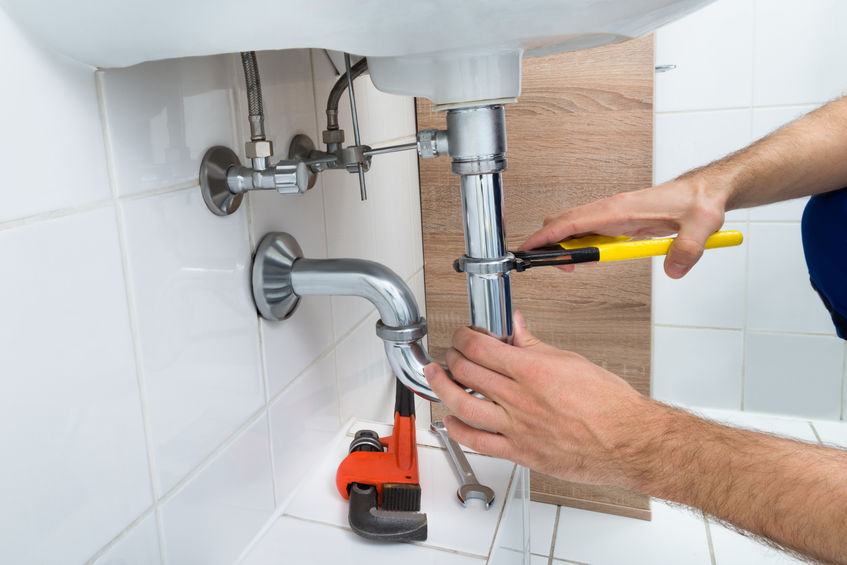
You can prevent plumbing problems - a clogged drain, leaky faucets, and more - from becoming plumbing nightmares. A little preventive plumbing now can stop small plumbing problems from becoming big, expensive fixes later.
Here is how to prevent plumbing problems and keep your fix-it jobs to a minimum.
1 Don't Pour Cooking Grease in the Drain
Never pour cooking grease into drains - it stops them up as it cools and hardens. And a clogged drain is an expensive repair fix you can probably do without. Here's how to fix a backed-up sink yourself.
Instead, chill it in an empty milk or juice carton in the refrigerator, then dispose of the carton in the regular garbage.
2 How To Prevent Plumbing Problems with Drain Screens
How to prevent plumbing problems. Use inexpensive drain screens (made of plastic or metal) in the kitchen sink, bathtub, and shower to prevent food particles, hair, and small items like jewelry and toothpaste caps from entering the drain.
They can be placed over bathroom sink drains, right over the built-in stoppers. These screens will catch and hold hair, soap slivers, and other potential drain cloggers, making it easy for you to lift out the obstructions and toss them in the trash before they cause costly plumbing backups.
3 How To Prevent Plumbing Problems with a Monthly Baking Soda Treatment
Rather than relying on expensive and usually toxic drain openers, sprinkle about 1/4 cup (60ml) of baking soda into your sink and tub drains every month or so, then run just enough warm water to get the powder well into the drain. Then pour in 1 cup (240ml) of white vinegar.
Let the clumpy mixture stand for a few hours or overnight to dissolve scum and bacterial buildup in the pipe bends beneath the sink or tub drains, then flush the drain with hot water.
Following this procedure regularly can keep your drains flowing freely without harming your plumbing fixtures or the environment.
4 How To Prevent Plumbing Problems With Washing Machine Hose Screens
To help washing machines operate better and last longer, install inexpensive hose screens on the hot and cold water hoses to keep sediment from clogging the washing machine's pumps and valves.
Check screens once or twice a year and replace them both if they are full of sediment or debris.
5 Don't Crank-Shut Faucet Handles
To make faucet washers last longer and prevent leaks, turn the faucet off, but don't tighten the handle any more than is needed to stop the water.
Cranking handles forcefully into the off position wears down the washers faster. You can prevent plumbing problems by making these tips part of your daily routine.
- Clean Home
- Home Maintenance
- How To Prevent Plumbing Problems