Easy Home Decorating Ideas
for Every Room
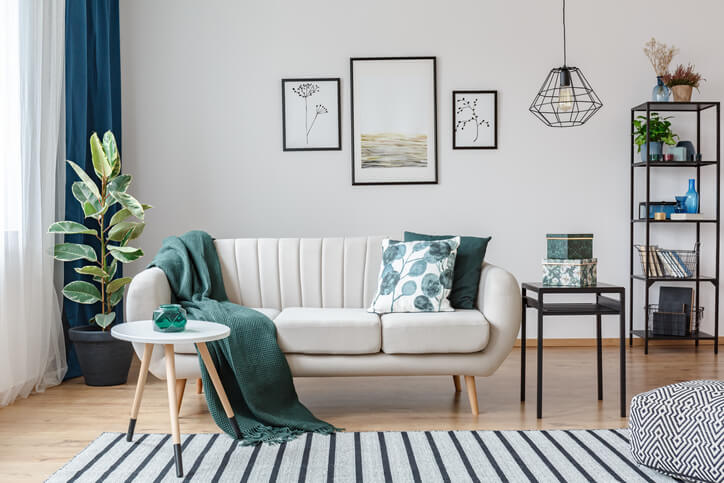
Decorating your home should be the fun part.
You've cleaned it. You've decluttered it. You've found a place for the things you're keeping.
Now you get to make the place look good.
Unfortunately, home decorating can quickly turn into another project: paint samples taped to seventeen walls, furniture measurements scribbled on envelopes, and an online shopping cart containing six throw pillows that somehow cost $400.
It doesn't have to.
You don't need to redecorate the entire house, follow every design trend, or replace perfectly good furniture.
The easiest way to decorate a home is to work with what you already have, improve one room at a time, and concentrate on the things that make the biggest visual difference: color, furniture placement, lighting, textiles, and a few well-chosen accessories.
Here's where to start.
Before You Decorate, Declutter
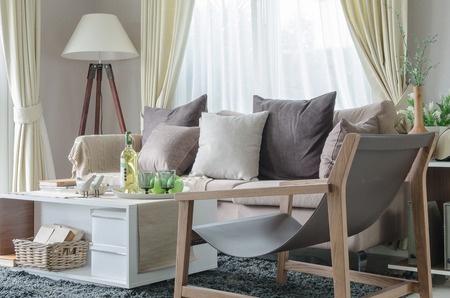
This is the decorating step nobody wants to hear about. Before adding something to a room, look at what's already there.
Too many objects compete for attention. Too much furniture makes a room feel smaller. Overloaded shelves make even attractive possessions disappear into visual noise.
So don't begin a decorating project by shopping.
Begin by editing. Remove things that are:
- Broken.
- Worn beyond usefulness.
- No longer your taste.
- Too large for the space.
- Duplicated unnecessarily.
- Sitting somewhere simply because they've always been there.
- Creating clutter rather than adding something you enjoy.
Then look at the room again.
You may discover that it didn't need more decorating.
It needed fewer things.
Decide How You Want the Room to Feel
Before choosing paint, furniture, or accessories, decide what you're trying to create.
Do you want the room to feel:
- Calm?
- Warm?
- Bright?
- Cozy?
- Casual?
- Sophisticated?
- Cheerful?
- Minimal?
- Family-friendly?
This gives you a filter for later decisions.
A beautiful object isn't automatically right for your room. Neither is something merely because it's fashionable.
If you're trying to create a calm bedroom, for example, introducing five competing patterns, a fluorescent accent wall, and seventeen decorative objects may be working against the assignment.
Choose the feeling first. Then choose things that support it.
Start With What You Already Have
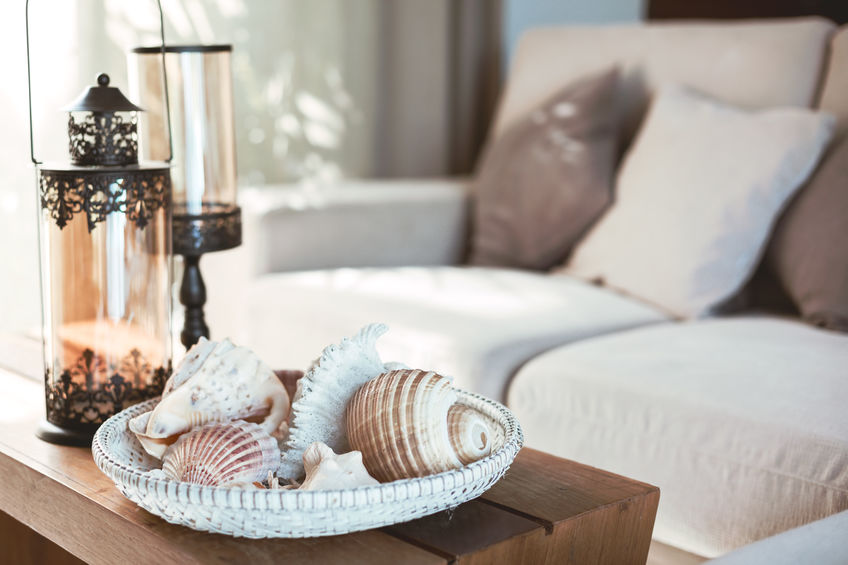
Before buying anything, walk through your home. You may already own the lamp, chair, artwork, basket, mirror, or table that another room needs.
Moving things around costs nothing and can completely change how a room feels.
Try:
- Moving artwork to another room.
- Rearranging furniture.
- Switching lamps.
- Changing throw pillows between rooms.
- Removing accessories rather than adding them.
- Moving a small table or chair somewhere it will actually be used.
- Displaying something you've had stored away.
Your possessions don't have assigned seats.
Sometimes the easiest decorating improvement is simply putting something in a better place.
Choose a Color Scheme

Color is one of the most powerful decorating tools because it affects almost everything else in the room.
But you don't need a complicated color formula.
Start with something already in the room that you like:
- A rug.
- Artwork.
- Upholstery.
- Curtains.
- Bedding.
- A favorite object.
Use it as a starting point.
Choose a main color, then one or two supporting colors, rather than asking every color you like to participate at once.
Test Paint Before Committing
Paint can look dramatically different depending on the room, light, and time of day.
Test colors in the actual room before painting the entire thing.
Look at the samples:
- In daylight.
- At night.
- Near furniture.
- Near flooring.
- In different parts of the room.
The perfect gray in the paint store can become mysteriously purple once it hits your living room.
Paint has a sense of humor.
Choosing Interior Paint Colors →
Arrange Furniture for the Way You Live
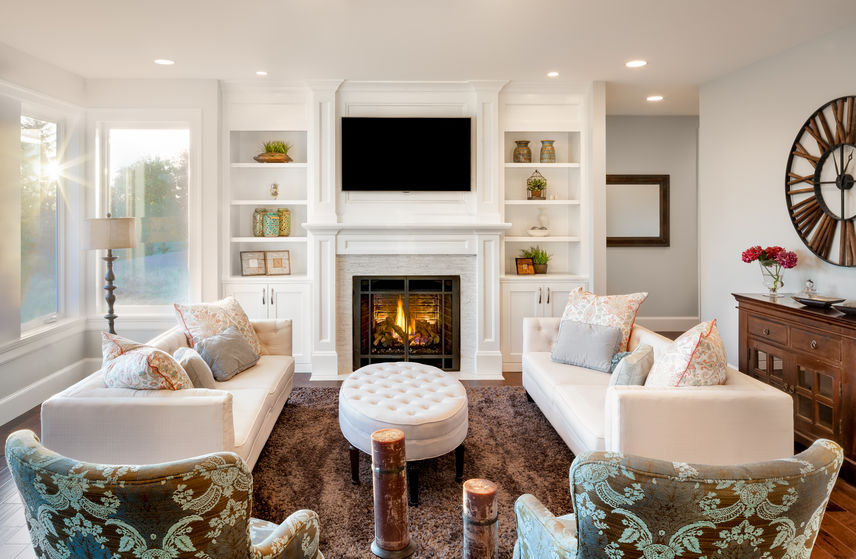
Furniture placement should begin with how the room is used.
Not with the walls.
It's tempting to push every piece of furniture against the perimeter and leave a large empty area in the middle.
Sometimes that works.
Often it makes the furniture look as though it's attending a meeting nobody wanted to join.
Instead, think about:
- Conversation.
- Traffic flow.
- Doors.
- Windows.
- Television viewing if relevant.
- Lighting.
- How people actually move through the room.
Make sure there is enough space to walk comfortably.
Don't block natural pathways.
And don't keep furniture simply because you own it.
If a chair is too large for the room, rearranging it twelve different ways probably won't make it smaller.
Use Lighting to Change a Room
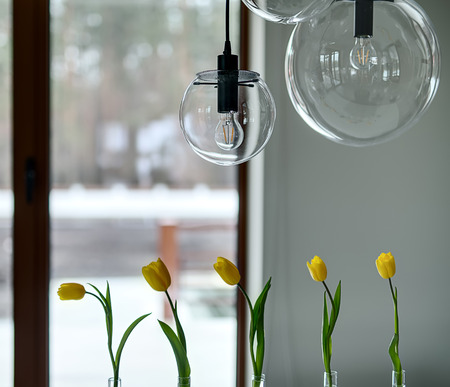
Lighting can make a beautifully decorated room feel warm and inviting—or vaguely like a waiting room.
Most rooms benefit from multiple light sources.
Think in layers:
General lighting provides overall illumination.
Task lighting supports activities like reading, cooking, or working.
Accent lighting highlights artwork or creates atmosphere.
Lamps are one of the easiest ways to change a room's feel without remodeling anything.
Also pay attention to natural light.
Don't automatically cover a beautiful window with heavy treatments because you think every window requires elaborate decoration.
Sometimes the window is already doing the job.
Decorate With Things That Mean Something
Your home doesn't need to look like a furniture showroom.
In fact, it probably shouldn't.
Use things that reflect the people who live there:
- Books.
- Artwork.
- Photographs.
- Travel finds.
- Family pieces you genuinely like.
- Collections you enjoy.
- Handmade objects.
- Interesting everyday items.
The important phrase is you genuinely like.
You don't have to display something because somebody gave it to you.
You don't have to keep every inherited object on permanent exhibition. And you don't need to cover every horizontal surface.
A few meaningful objects usually have more impact when they're given some breathing room.
Decorating With Accessories
Accessories are the easiest part of a room to change.
They're also the easiest part to overdo.
Use accessories to add:
- Color.
- Texture.
- Personality.
- Height.
- Contrast.
- Interest.
Then stop before every surface becomes occupied.
Coffee tables need enough room for a coffee cup.
Nightstands need enough room for things you use at night.
Kitchen counters need room for cooking.
A room isn't underdecorated simply because you can see some of the furniture.
Decorating With Rugs
A rug can define an area, add warmth, and introduce color or pattern.
The most common problem isn't choosing an unattractive rug.
It's choosing one that's too small.
A tiny rug floating beneath a coffee table can make the entire seating area feel disconnected.
Choose a size appropriate to the furniture arrangement and room.
In dining areas, allow enough rug around the table for chairs to move appropriately. In bedrooms, think about where your feet actually land.
And in high-traffic family spaces, consider how realistically the material can be cleaned.
The white shag rug may look magnificent. The dog may have other plans.
Curtains and Window Treatments
Window treatments can provide privacy, control light, and soften a room.
Choose them based on what the window actually needs.
Ask:
- Do you need privacy?
- Do you need room darkening?
- Are you trying to reduce glare?
- Do you want to emphasize the window?
- Do you simply want softness or color?
Don't make the window treatment more complicated than its job requires.
And remember that fabric collects dust, pet hair, and other household debris.
Decorating decisions eventually become cleaning decisions.
Choose accordingly.
Easy Living Room Decorating Ideas
The living room usually needs to do several jobs. It's where people relax, talk, watch television, read, and entertain.
Start with furniture placement.
Create a comfortable conversation area and keep walking paths clear.
Then look at:
- Lighting.
- Rugs.
- Window treatments.
- Artwork.
- Pillows and throws.
- Tables.
- A limited number of accessories.
Don't try to decorate every surface. And resist the urge to buy matching sets of everything.
Rooms usually feel more interesting when they look collected over time, not delivered in one truck.
Living Room Decorating Ideas →
Easy Bedroom Decorating Ideas
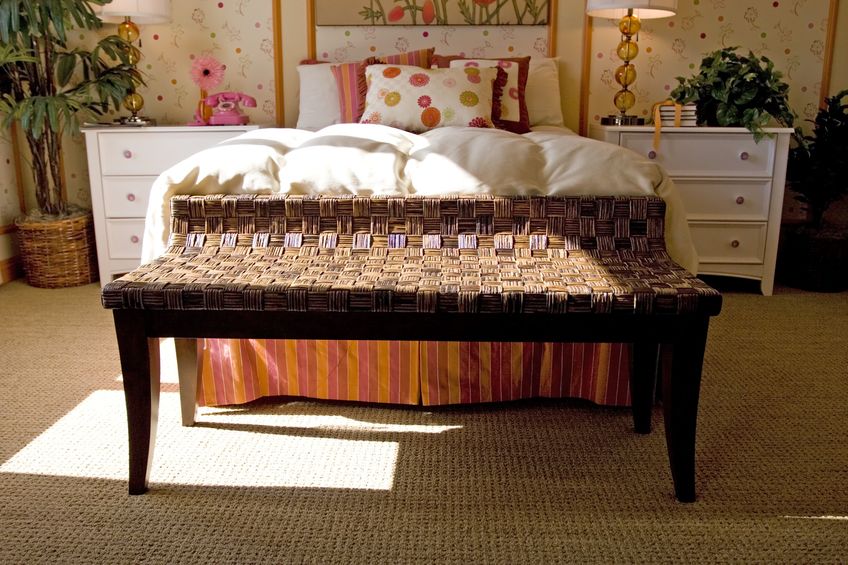
A bedroom should primarily support sleep and relaxation.
Start by removing clutter.
Then focus on the bed, since it's usually the room's visual center.
You can make a large difference with:
- Bedding.
- Pillows.
- Bedside lighting.
- Curtains.
- Artwork.
- A rug.
- Paint.
Keep nightstands functional.
A bedside table covered with decorative objects but nowhere to put a glass of water has misunderstood its assignment.
And if the bedroom has become overflow storage for the rest of the house, address that before buying another decorative basket.
Easy Kitchen Decorating Ideas
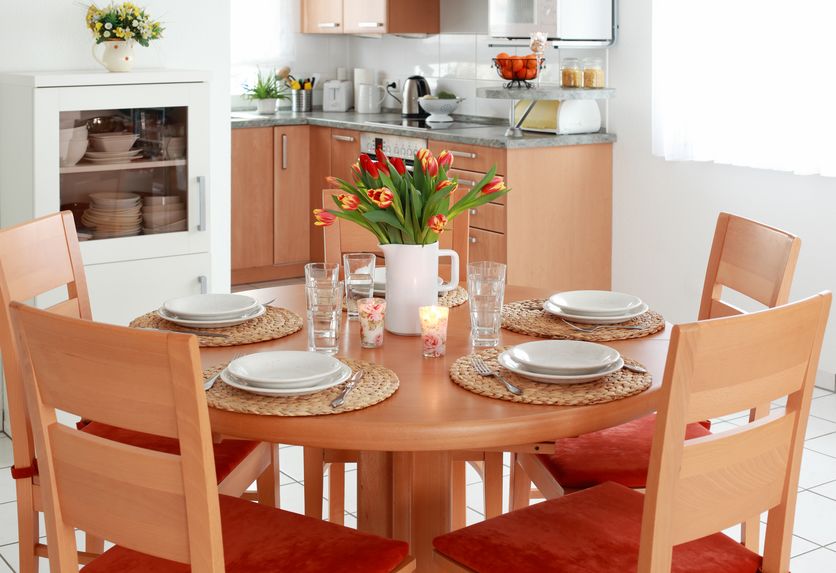
Kitchen decorating needs to coexist with cooking.
That means countertops are valuable workspace.
Don't sacrifice them all to decorative objects.
Use practical elements to add personality:
- Attractive everyday dishes.
- A bowl of fruit.
- A small plant where appropriate.
- Towels.
- Window treatments.
- Lighting.
- Paint.
- A few pieces of artwork away from heat and moisture.
If you have open shelving, remember that everything displayed there also becomes something you'll eventually clean.
Open shelves can look beautiful.
They are not self-dusting.
Easy Bathroom Decorating Ideas
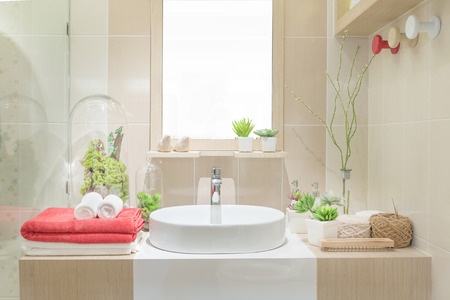
Bathrooms are small enough that a few changes can make a noticeable difference.
Consider:
• Towels.
• Shower curtain.
• Bath mat.
• Mirror.
• Lighting.
• Paint.
• Simple artwork appropriate to the environment.
• A small number of accessories.
But functionality comes first.
Don't decorate away the limited storage and counter space you actually need.
A beautiful bathroom that can't accommodate a toothbrush isn't particularly successful.
Bathroom Cleaning and Organizing →
Decorating Kids' Rooms
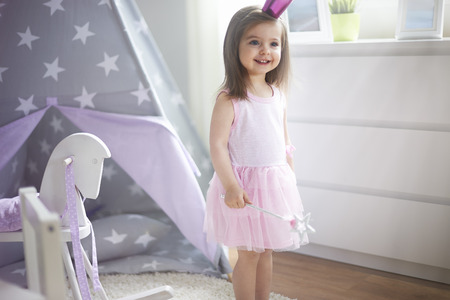
Children's rooms need to change as children grow.
Avoid creating a room so themed that replacing it requires a renovation when your child's interests change next Thursday.
Use easily changed elements for personality:
- Bedding.
- Artwork.
- Posters.
- Lamps.
- Accessories.
- Removable decorative elements where appropriate.
Keep major furniture more flexible.
And involve children in reasonable decorating decisions.
It's their room too.
You may not share their enthusiasm for purple dinosaurs.
Fortunately, you're not sleeping there.
Decorating Small Spaces
Small rooms don't necessarily require tiny furniture and white walls.
They require proportion and restraint.
To make a smaller room work:
- Remove unnecessary furniture.
- Choose pieces that fit the room's scale.
- Use vertical space.
- Keep pathways open.
- Use mirrors thoughtfully.
- Avoid overcrowding surfaces.
- Give important objects room to stand out.
Most importantly, don't mistake a storage problem for a decorating problem.
If a small room contains too much stuff, no paint color is going to create another 200 square feet.
Declutter first.
Decorating on a Budget
You don't need a large budget to change how a room looks.
Start with the free changes:
Rearrange the furniture
Try a new layout before buying anything.
Remove things
Editing a room can have as much impact as adding to it.
Shop your own house
Move accessories, lamps, and artwork between rooms.
Paint
When appropriate, paint can dramatically change a room for relatively little money.
Replace small textiles
Pillows, towels, bedding, and similar items can introduce new color without replacing furniture.
Update selectively
One good lamp or piece of artwork may improve a room more than a cart full of inexpensive accessories.
Budget decorating works best when you buy less, but buy deliberately.
Decorating With Family Photos
Family photos make a home personal.
They don't all need to be displayed simultaneously. Choose favorites.
Group them intentionally rather than placing an unrelated frame on every available surface.
A gallery wall can work well when there's enough visual connection between the pieces.
So can one large photograph.
Rotate pictures occasionally if you have more favorites than space to display.
Your home can contain family history without becoming the family archives.
Seasonal Decorating Without Creating Seasonal Clutter

Seasonal decorating can be fun.
Storing seasonal decorations for the other eleven months is less glamorous.
Before buying another holiday decoration, consider:
- Where it will be stored.
- Whether you already own something similar.
- How often you'll use it.
- Whether you genuinely like it.
- How much work it requires to put up and take down.
Keep the seasonal decorations you enjoy using.
Let go of the ones that have become obligations.
And store what remains by season so you aren't opening a box of Easter decorations while looking for Christmas lights.
Common Home Decorating Mistakes
Buying before measuring
Furniture looks remarkably smaller in a showroom.
Measure the room.
Measure the doorway.
Then measure again.
Following every trend
Trends change much faster than sofas.
Use fashionable elements where they're easy and inexpensive to change.
Decorating around clutter
Don't try to accessorize your way out of having too much stuff.
Declutter first.
Using too many small accessories
A collection of tiny objects can quickly create visual clutter.
Try fewer, larger pieces.
Ignoring scale
Furniture, artwork, rugs, and lighting should relate reasonably to the room and to one another.
Forgetting function
The room still has to work after you've finished decorating it.
Trying to finish everything at once
A home doesn't have to be "done."
In fact, the most personal rooms usually evolve over time.
Before You Buy Another Decorating Item
Ask yourself:
Where will it go?
What will it replace or add?
Does it work with the room I actually have?
Do I like it—or do I like the photograph of it?
Will I still want it when this decorating trend passes?
Do I want to clean, store, and maintain it?
That last question deserves more attention than it usually gets.
Everything you bring home becomes something you own.
And everything you own eventually requires some combination of space, cleaning, storage, maintenance, or attention.
Choose accordingly.
Make Your Home Look Like Your Home
There's no single correct decorating style.
You don't need a farmhouse style just because farmhouse is popular.
You don't need minimalism because somebody on the internet owns only four plates.
You don't need perfectly coordinated furniture, matching storage baskets, or a coffee table arranged for photography.
Your home should reflect the people living in it.
Keep what you love.
Use the things you own.
Leave enough empty space for the rooms to breathe.
Choose furniture that fits your actual life.
And don't be afraid to change something that no longer works simply because you've had it that way for years.
The best decorating doesn't make your home look more impressive.
It makes you happier to walk through the door.
Explore Home Decorating
Living Room Decorating Ideas →
Choosing Interior Paint Colors →
- Clean Home
- Easy Home Decorating Tips