Bathroom Cleaning and Organizing Made Easier
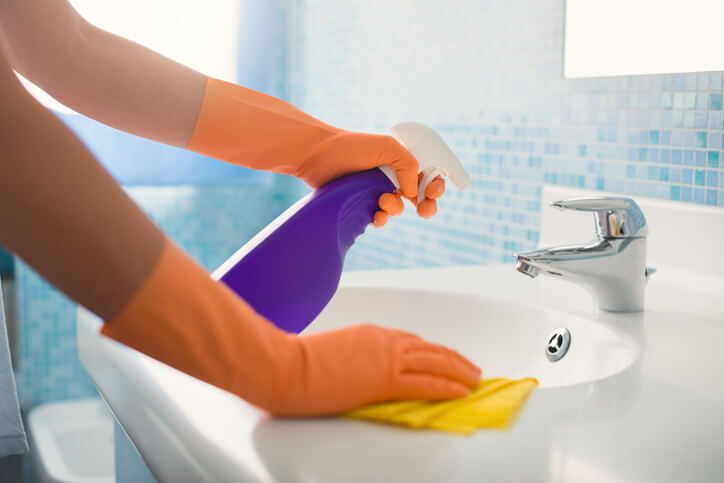
Bathrooms have a lot working against them.
They're usually among the smallest rooms in the house, yet somehow they're expected to hold towels, toiletries, medications, makeup, hair products, cleaning supplies, and approximately seventeen bottles in the shower—three of which nobody admits to using.
Then add water, humidity, toothpaste, hair, soap scum, and an entire family's daily participation.
No wonder bathrooms can go from perfectly respectable to What happened in here? remarkably quickly.
The solution isn't spending Saturday scrubbing grout with a toothbrush. It's a simple system for cleaning regularly, controlling moisture, reducing what you store, and giving the things you actually use a sensible place to live.
Here's how.
Start by Decluttering the Bathroom
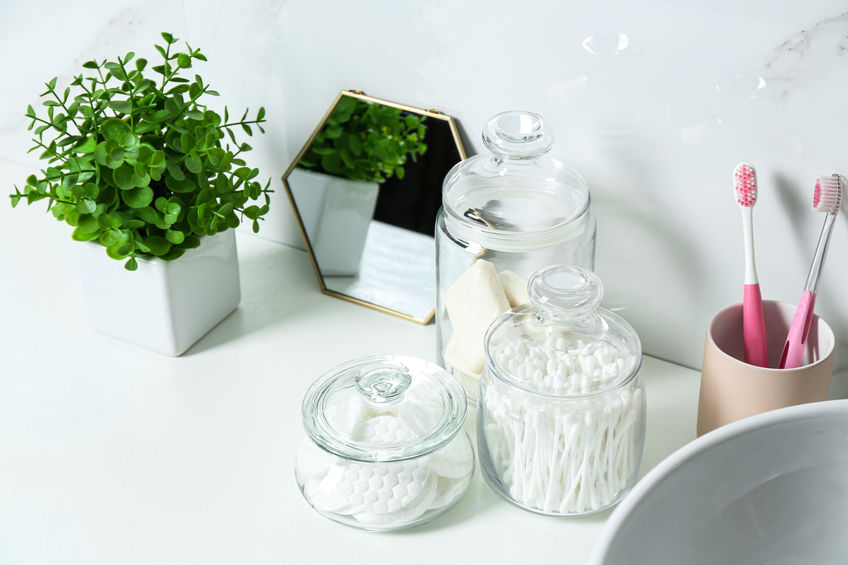
Before you organize the bathroom, reduce what's in it. Bathrooms tend to collect products long after we've stopped using them.
Go through cabinets, drawers, shelves, and countertops and look for things that are empty, expired, broken, no longer used, or simply don't belong there.
Pay particular attention to:
- Old makeup and cosmetics.
- Nearly empty bottles nobody intends to finish.
- Expired toiletries.
- Duplicate products.
- Worn-out towels and washcloths.
- Broken hair accessories.
- Samples you've been saving indefinitely.
- Cleaning products you don't use.
Be careful with medications. Don't automatically throw medications in the household trash or flush them. Follow appropriate disposal instructions or use a medication take-back program when applicable.
The less you're storing, the easier the bathroom becomes to clean and organize.
Mastering the Medicine Cabinet →
How to Clean a Bathroom
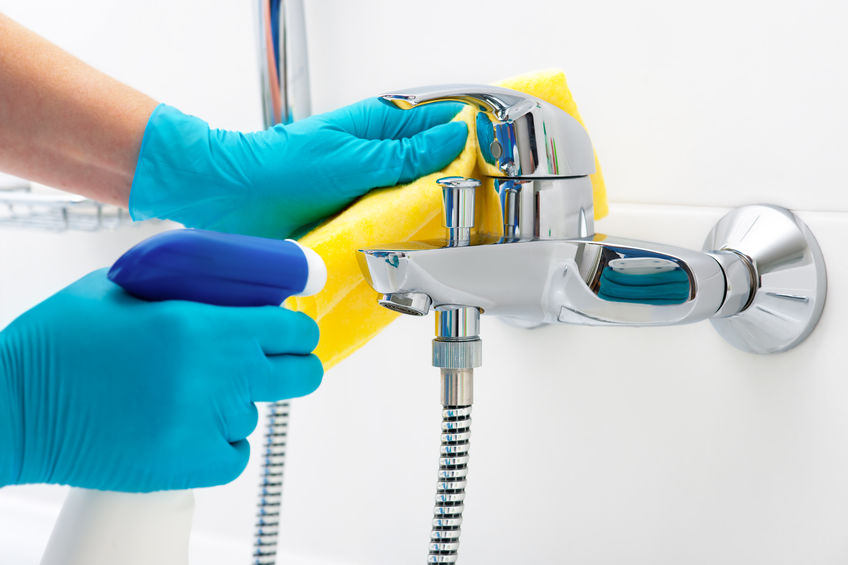
You don't need twelve specialized cleaners or an elaborate cleaning ritual.
A practical bathroom cleaning routine works from relatively clean areas toward the dirtier ones and gives cleaning products time to do their jobs.
A basic order is:
- Put away clutter.
- Remove towels and items that need laundering.
- Clean mirrors.
- Clean counters and sinks.
- Clean the shower and tub.
- Clean the toilet.
- Wipe frequently touched surfaces.
- 8. Clean the floor.
Working in roughly the same order each time means you don't have to reinvent bathroom cleaning every week.
And whenever possible, let the cleaner do some of the work.
Spraying something and immediately attacking it with a sponge isn't necessarily more industrious. Sometimes you're simply scrubbing before the product has had a chance to work.
Bathroom Cleaning in 7 Easy Steps →
Cleaning the Bathroom Sink and Counter
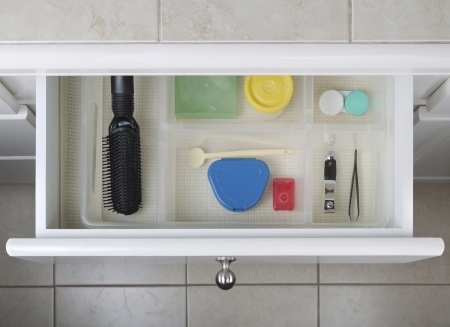
Bathroom counters attract toothpaste, cosmetics, hair products, water spots, and all the miscellaneous objects we put down "for a second."
That second can apparently last several weeks.
Clear the surface before cleaning it.
Then use a cleaner appropriate for the countertop and sink material. Don't assume a product that's safe for one surface is appropriate for natural stone, specialty finishes, or another material.
Clean around faucets and handles, where residue tends to collect.
Then dry or buff the fixtures if necessary.
The simplest way to keep the counter manageable between cleanings is also the least exciting:
Put things away after you use them.
Five seconds now beats excavating the countertop later.
How to Clean a Toilet
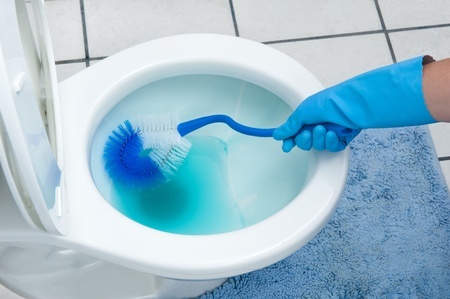
Nobody needs to love this job. It just needs to get done.
Clean the toilet regularly enough to maintain it rather than stage an intervention.
A basic toilet-cleaning routine includes the bowl, rim, seat, lid, handle, and exterior. Don't forget the base and surrounding floor.
Use separate cleaning cloths or disposable materials for the toilet, rather than casually bringing the toilet-cleaning cloth to the bathroom sink.
Some relationships should remain long-distance.
5 Toilet Cleaning Steps to Success →
Cleaning the Shower and Tub
Soap residue, body oils, minerals, and moisture make showers and tubs look dirty quickly.
Regular maintenance is easier than waiting for buildup to become stubborn.
After bathing or showering:
- Remove excessive standing water where practical.
- Allow the area to ventilate.
- Hang towels and bath mats so they can dry.
- Keep bottles and products from taking over every available ledge.
During regular cleaning, use products appropriate for your shower or tub surface.
Fiberglass, acrylic, tile, stone, and other materials can have different cleaning requirements.
When in doubt, check the manufacturer's recommendations before reaching for an abrasive scrubber or strong chemical.
Bathroom Mold and Mildew
Bathrooms provide exactly what mold and mildew enjoy: moisture and warmth. The most useful strategy is prevention.
Reduce lingering moisture by using the bathroom exhaust fan while showering or bathing and letting it run afterward.
Hang wet towels and bath mats so they can dry.
Address leaks promptly.
Keep shower surfaces as dry as reasonably possible.
If mold does appear, the right cleaning method depends on the surface and how extensive the problem is.
Recurring or extensive mold may indicate a moisture or ventilation problem that needs correction, not repeated cleaning.
Cleaning Bathroom Tile and Grout
Tile is durable, but grout can become dingy surprisingly quickly.
Sweep or vacuum loose debris before wet-cleaning tile floors.
Otherwise, you're essentially making mud and moving it around. Use a cleaner appropriate for your tile type.
Natural stone requires different care from many ceramic or porcelain surfaces, so identify the material before using acidic or abrasive products.
Pay attention to grout, corners, and the areas around toilets and tubs where grime tends to collect.
Don't Forget the Small Stuff
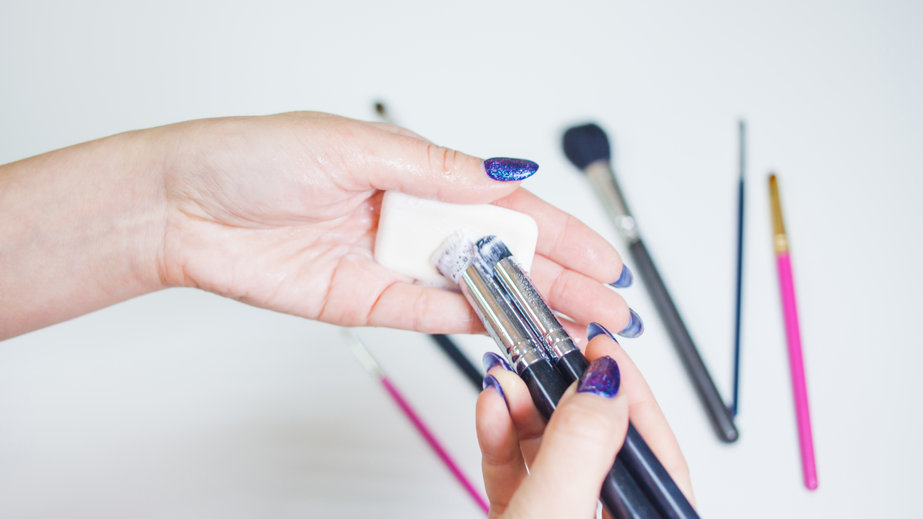
Some of the dirtiest bathroom items aren't the large fixtures They're the things you handle every day.
Periodically clean the following:
- Faucet handles.
- Door handles.
- Light switches.
- Drawer pulls.
- Toothbrush holders.
- Soap dispensers.
- Hairbrushes and combs.
- Makeup brushes and sponges.
- Trash cans.
These jobs don't all need to happen every time you clean the bathroom. Work them into your routine periodically.
How to Clean Brushes & Sponges →
How to Organize a Bathroom
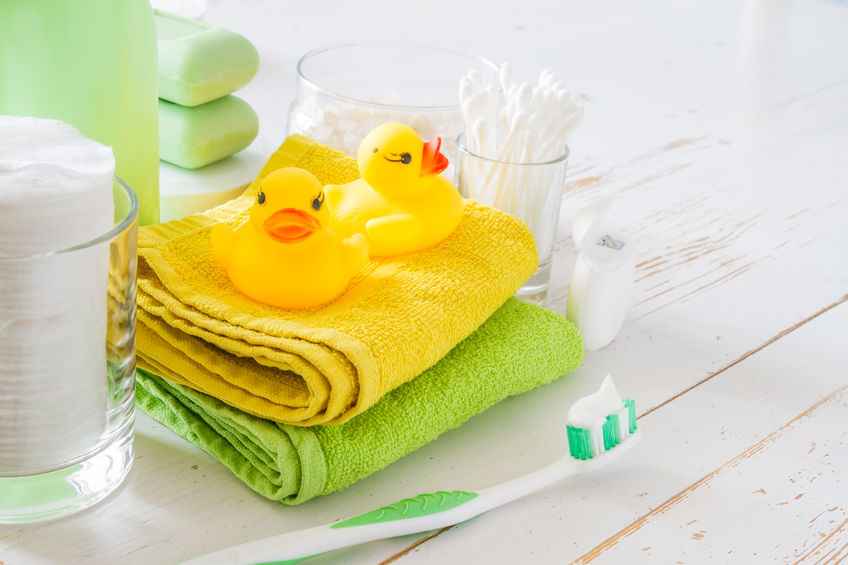
Once you've decluttered, bathroom organization becomes much easier.
The goal isn't to fit the maximum possible number of products into the room. It's to make the things you use easy to find, reach, and put away.
Start by grouping similar things together:
- Dental care.
- Hair care.
- Skin care.
- Makeup.
- First aid.
- Towels.
- Toilet paper.
- Cleaning supplies.
Then decide where each category should live based on where and how often you use it.
Everyday items deserve the easiest-to-reach spaces. Backup products can go somewhere less convenient.
Move things that don't actually need to be in the bathroom elsewhere.
Organizing a Small Bathroom
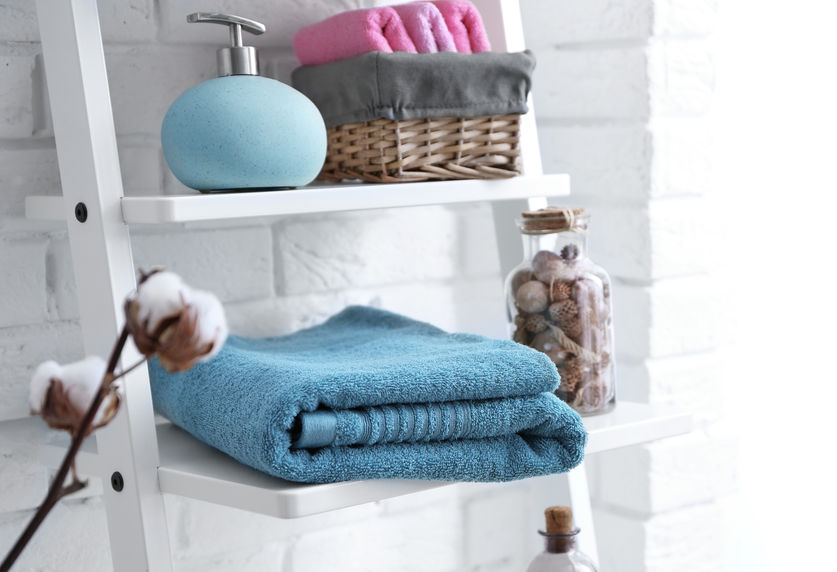
A small bathroom doesn't necessarily need ingenious storage.
Sometimes it simply needs less stuff.
Before adding shelves, carts, bins, and over-the-toilet contraptions, declutter.
Then use the space you already have more efficiently.
Look at:
- Under-sink storage.
- Drawer dividers.
- Wall space.
- Shelves.
- Hooks.
- The backs of appropriate doors.
- Vertical cabinet space.
Keep frequently used items accessible and move occasional-use items elsewhere when possible.
Most importantly, don't fill every newly organized inch. Empty space is useful.
It gives you somewhere to put the next roll of toilet paper without reorganizing the western hemisphere.
Organizing the Medicine Cabinet
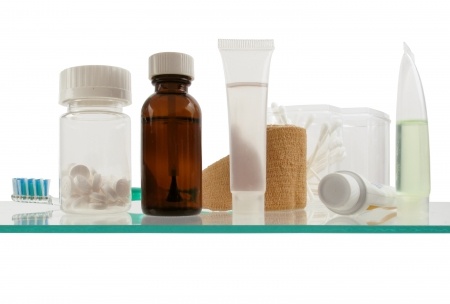
Medicine cabinets tend to become museums of products we once needed. Empty yours periodically and inspect what's inside.
Remove expired or unwanted medications for appropriate disposal and get rid of empty or unusable toiletries.
Then organize what's left so you can actually see it.
Don't use valuable medicine-cabinet space for products you rarely need if everyday necessities are fighting for room elsewhere.
And despite the name, the bathroom medicine cabinet isn't necessarily the ideal place for every medication because heat and humidity can affect storage requirements. Follow each medication's storage instructions.
Mastering the Medicine Cabinet →
Bath Towels: Use Them, Wash Them, Give Them Somewhere to Dry
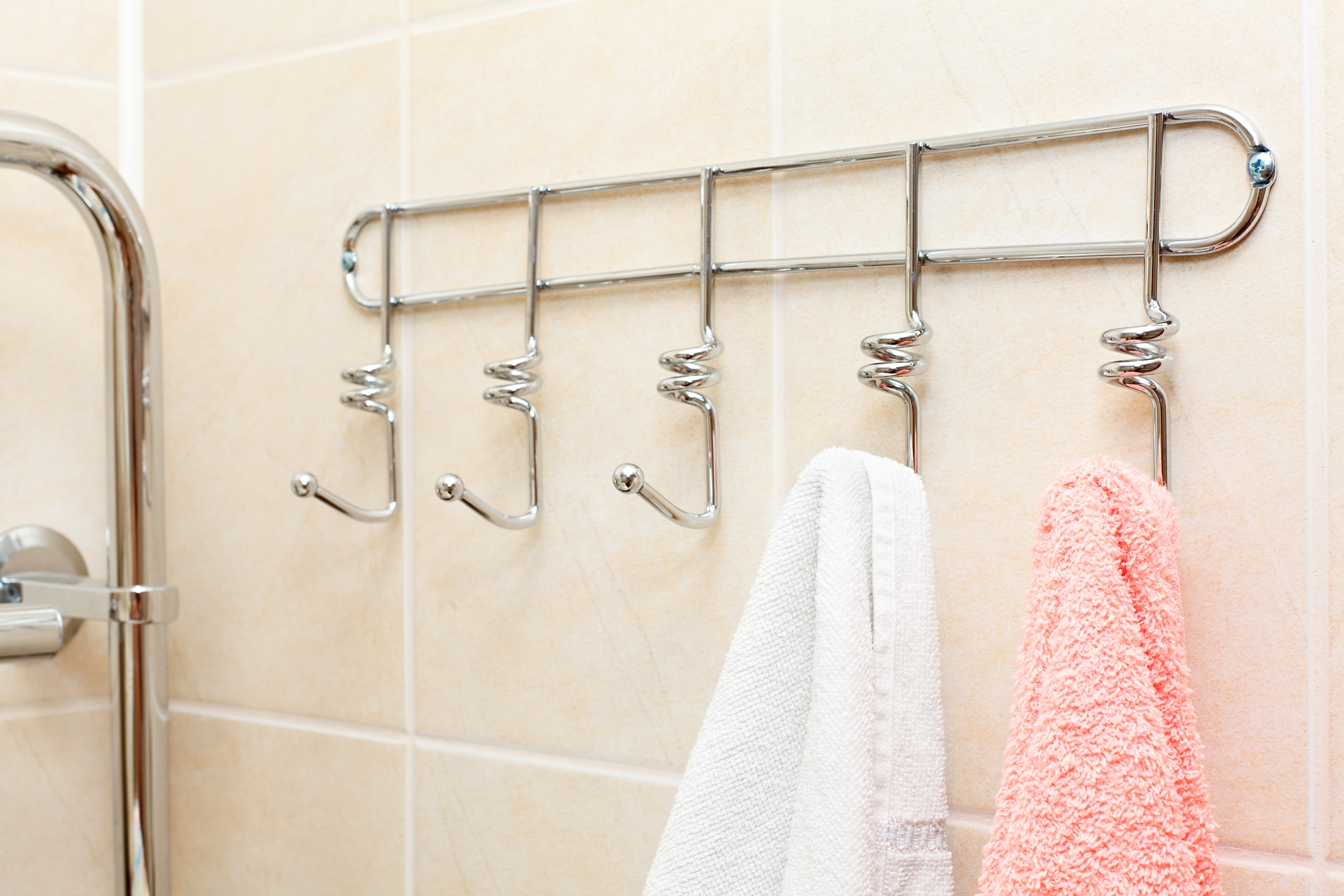
Towels need enough room to dry between uses.
If five family members are sharing one towel bar designed for two towels, the organizational system has already lost.
Use enough hooks or bars for the people regularly using the bathroom.
Keep clean towels together and don't cram so many into a cabinet that removing one causes a linen avalanche.
And periodically assess how many towels you actually need.
At some point, "backup towels" becomes a textile collection.
How to Wash Towels So They Last →
The Family Bathroom

Shared bathrooms have a different challenge: traffic.
Everyone needs the same room at approximately the same time.
If mornings are chaotic, organization alone may not solve the problem. When practical, move activities that don't require the bathroom elsewhere.
Hair styling, makeup, dressing, and storing personal products may not all need to happen in the bathroom.
Give each family member a defined place for personal items.
That could be a drawer, basket, shelf, or caddy.
When everybody's belongings have a home, the counter doesn't have to serve as communal storage.
Bathroom Cleaning With Kids
Kids can participate in bathroom upkeep, but chores should match their age and ability.
Younger children may be able to:
- Put towels in the hamper.
- Put away bath toys.
- Wipe appropriate surfaces with safe materials.
- Restock toilet paper.
- Straighten towels.
Older children can gradually take on more cleaning responsibilities.
Use appropriate supervision, and don't give children access to cleaning chemicals or tasks beyond what they can do safely.
The goal isn't free janitorial labor. It's teaching them that bathrooms don't clean themselves.
Bathroom Chores for Kids by Age →
The Guest Bathroom
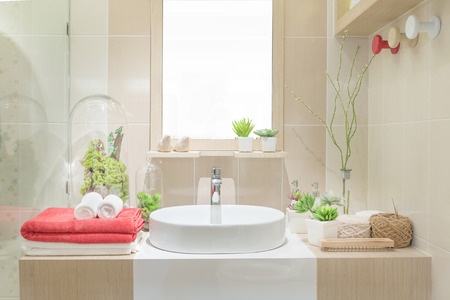
A guest bathroom doesn't need to resemble a luxury hotel.
It needs to be clean, functional, and easy for someone unfamiliar with your house to use.
Before guests arrive, check:
- Toilet paper.
- Hand soap.
- Clean hand towels.
- Trash can.
- Working lights.
- Clear counter space.
- Basic toiletries if you provide them.
Remove highly personal items and excess clutter.
Your guest should not have to move six bottles and someone's orthodontic equipment to find somewhere to put a toothbrush.
Bathroom Maintenance Problems to Catch Early
Cleaning and organizing won't solve a maintenance problem.
Pay attention to:
- Slow drains.
- Running toilets.
- Dripping faucets.
- Loose fixtures.
- Damaged grout.
- Deteriorating caulk.
- Recurring mold.
- Water appearing where water shouldn't be.
Small plumbing and moisture problems have a habit of getting bigger and more expensive when ignored.
If something requires repair beyond your ability, bring in a qualified professional.
How to Fix a Backed-Up Toilet →
How to Prevent Plumbing Problems →
A Simple Bathroom Cleaning Schedule
Bathrooms stay much easier to manage when you spread the work out.
Daily
Spend a minute or two on the things that create visible disorder:
- Hang towels.
- Put toiletries away.
- Wipe obvious spills.
- Keep the counter reasonably clear.
- Allow wet areas to dry.
Weekly
Handle the main cleaning:
- Sink and counter.
- Mirror.
- Toilet.
- Tub or shower.
- Floor.
- Trash.
- Change towels as needed.
Monthly or Periodically
Rotate less frequent jobs:
- Declutter cabinets and drawers.
- Clean brushes and applicators.
- Check supplies.
- Inspect caulk and grout.
- Clean less accessible areas.
- Review medicine-cabinet contents.
- Wash or clean appropriate bath accessories.
You don't need to deep-clean every square inch of the bathroom every Saturday.
Regular maintenance prevents most of those marathon cleaning sessions.
Common Bathroom Cleaning and Organizing Mistakes
Keeping too much on the counter
If everything is an everyday essential, nothing is.
Keep out what genuinely earns countertop space.
Buying organizers before decluttering
A container doesn't reduce clutter.
It gives clutter a container.
Declutter first. Then buy storage only if you still need it.
Using the wrong cleaner
Bathroom surfaces vary.
Check what you're cleaning before assuming that stronger is better.
Ignoring ventilation
If the bathroom stays damp for hours after every shower, cleaning alone isn't addressing the underlying problem.
Keeping products forever
Cosmetics and toiletries don't automatically deserve lifetime tenancy because there's still half an inch left in the bottle.
Making the system too complicated
If putting something away requires removing three bins, opening two boxes, and performing a minor engineering maneuver, it will end up on the counter.
Make the easiest action the correct action.
A Bathroom That's Easier to Live With
A bathroom doesn't have to be enormous, beautifully remodeled, or social-media-worthy.
It needs to work.
You should be able to find a clean towel.
The sink should be usable without relocating twelve products.
The shower shouldn't require a quarterly excavation.
And cleaning the room shouldn't consume half your Saturday.
Reduce what you're keeping.
Give the rest sensible homes.
Stay ahead of moisture and buildup.
Do a little maintenance regularly instead of waiting until everything needs attention at once.
That's what makes a bathroom feel clean and organized—not perfection, but a room that's reasonably easy to put back together.
Explore Bathroom Cleaning & Organizing
Bathroom Cleaning in 7 Easy Steps →
5 Toilet Cleaning Steps to Success →
Mastering the Medicine Cabinet →
How to Wash Towels So They Last →
Bathroom Chores for Kids by Age →
- Clean Home
- Bathroom Cleaning and Organizing