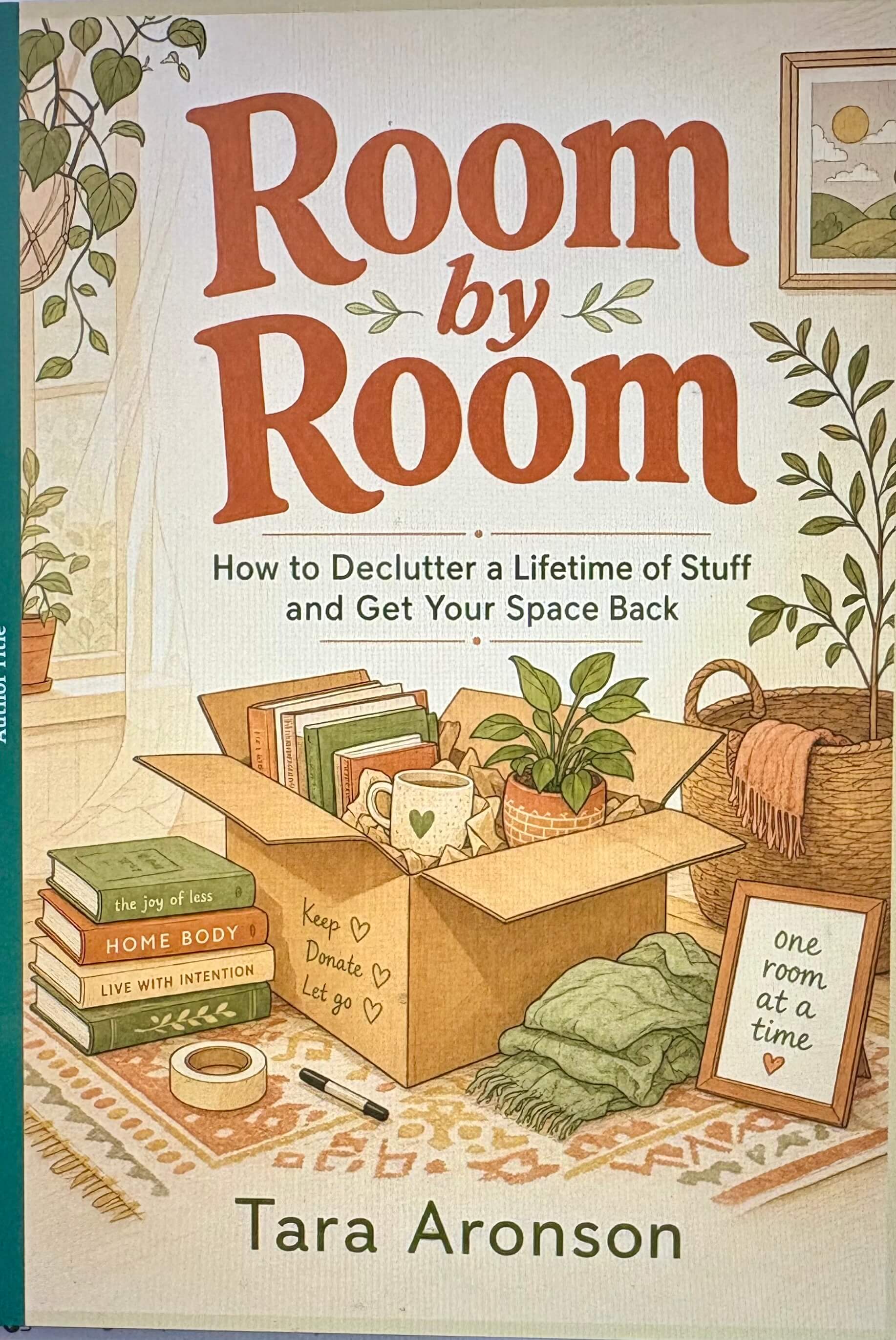
Bathroom Organization Tips
To Make the Space Easier to Use
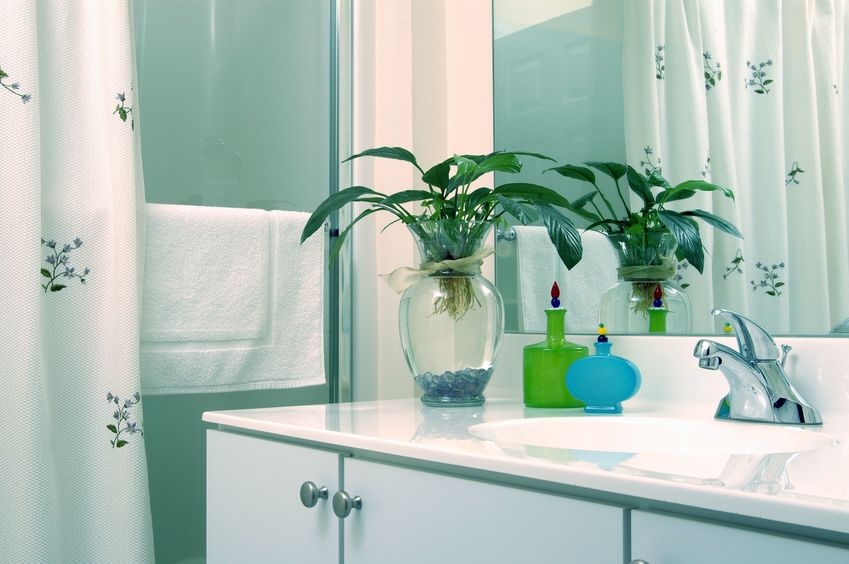
Bathrooms have an impressive ability to become cluttered despite being one of the smallest rooms in the house.
A few bottles multiply around the sink. Hair tools take over a drawer. Backup shampoo moves in under the cabinet.
Someone leaves three nearly empty tubes of toothpaste because apparently we're running a retirement home for toiletries.
And because bathroom storage is usually limited to begin with, it doesn't take much before everything feels crammed.
The good news is that bathroom organization doesn't require a wall of custom cabinetry.
It mostly comes down to keeping fewer things in the room, storing them where they're actually used, and making everyday items easy to put away.
Declutter the Bathroom Before You Organize It
Before buying baskets, bins, or drawer dividers, take a look at what you're storing.
Start with the easy things:
- Empty bottles.
- Products you tried and disliked.
- Dried-out cosmetics.
- Duplicate products you realistically won't use.
- Old samples.
- Broken brushes or combs.
- Hair accessories nobody wears.
- Towels that have reached the rag stage.
Don't automatically throw away every toiletry simply because you've owned it for a certain number of years.
Different products have different shelf lives, and many cosmetics include a period-after-opening symbol that indicates how long they're intended to be used after opening.
When you're unsure, use the product label, condition, smell, and manufacturer guidance.
Once the obvious excess is gone, organizing what's left becomes considerably easier.
Funny how storage improves when there's less to store.
Keep the Bathroom Counter Mostly Clear
Bathroom counters attract clutter because they're convenient. Unfortunately, convenient can become permanent.
Try to keep only the things you genuinely use every day on the counter.
That might include:
- Hand soap.
- Toothbrushes.
- A small container of frequently used toiletries.
- Perhaps one or two daily skincare products.
Everything else should ideally go in a drawer, cabinet, or on a shelf.
A mostly clear counter is easier to clean, easier to use, and much calmer to look at first thing in the morning.
And unlike a beautifully styled countertop containing eleven decorative jars, it leaves room for the things you're actually doing there.
Store Things According to How Often You Use Them
One of the easiest ways to organize a bathroom is to divide storage into three levels.
Daily-use items
Give these the easiest-to-reach spaces. Think toothpaste, deodorant, everyday skincare, brushes, combs, and shaving supplies.
Weekly or occasional items
These can go slightly farther back in a drawer, cabinet, or under the sink. Hair treatments, nail supplies, and less frequently used products belong here.
Backups and rarely used supplies
Extra toilet paper, replacement toiletries, travel supplies, and unopened backup products don't need premium bathroom real estate.
If storage is tight, some of these can live in a nearby linen closet instead.
The general rule is simple:
The more often you use something, the easier it should be to reach.
Group Similar Bathroom Items Together
Instead of scattering products wherever they'll fit, create broad categories.
For example:
- Hair care.
- Dental care.
- Skincare.
- Shaving supplies.
- Makeup.
- First aid.
- Nail care.
- Bath supplies.
- Backup toiletries.
Don't make the categories so specific that you're running a small pharmacy.
You probably don't need separate containers for ponytail holders, scrunchies, barrettes, clips, and headbands unless you own enough of them to justify it.
Broad categories are easier to maintain.
Organize Bathroom Drawers Without Overcomplicating Them
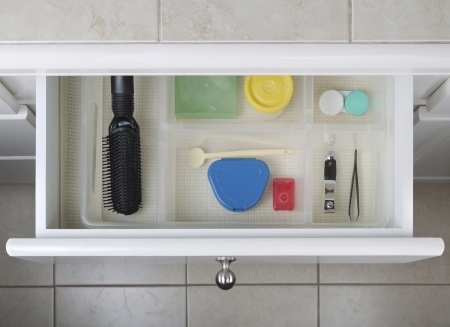
Drawers are wonderfully useful until they become horizontal junk closets.
Small dividers or trays can help keep everyday items from rolling around, but you don't need to divide every square inch.
Use a few simple sections:
- Dental.
- Hair.
- Skincare.
- Makeup.
- Grooming.
If you have to stop and think about which of nine tiny compartments an object belongs in, the system is too complicated.
The best bathroom drawer system is the one you can maintain when you're running late.
Make Better Use of the Cabinet Under the Sink
The cabinet under the bathroom sink often has plenty of cubic space and very little usable storage.
Pipes don't exactly cooperate with neat stacks.
A few tools can help:
- Clear bins.
- Small pullout drawers.
- Shelf risers.
- Turntables.
- Narrow containers that fit around plumbing.
Before buying anything, measure the space.
Under-sink cabinets vary enormously, and the organizer that looked brilliant online may turn out to be perfectly designed for the pipe running straight through the middle of your cabinet.
Don't Create Deep Mystery Bins
Large bins can solve one problem and create another. Everything looks tidy because it's inside a container.
Unfortunately, now you have to excavate twelve bottles every time you need sunscreen.
Use smaller categories and shallow containers whenever possible. You should be able to see—or at least quickly reach—what's inside.
The goal isn't to hide clutter more effectively. It's to make the bathroom easier to use.
Use Vertical Space Under the Sink
If the cabinet has a lot of unused height, add a small shelf or stackable drawer system.
This can double usable storage without increasing the cabinet's footprint.
Just leave enough space around the plumbing so you can spot leaks quickly and access pipes if something goes wrong.
You don't want an organizing system so elaborate that the plumber has to dismantle a miniature condominium development before fixing the sink.
Use the Medicine Cabinet for Everyday Essentials
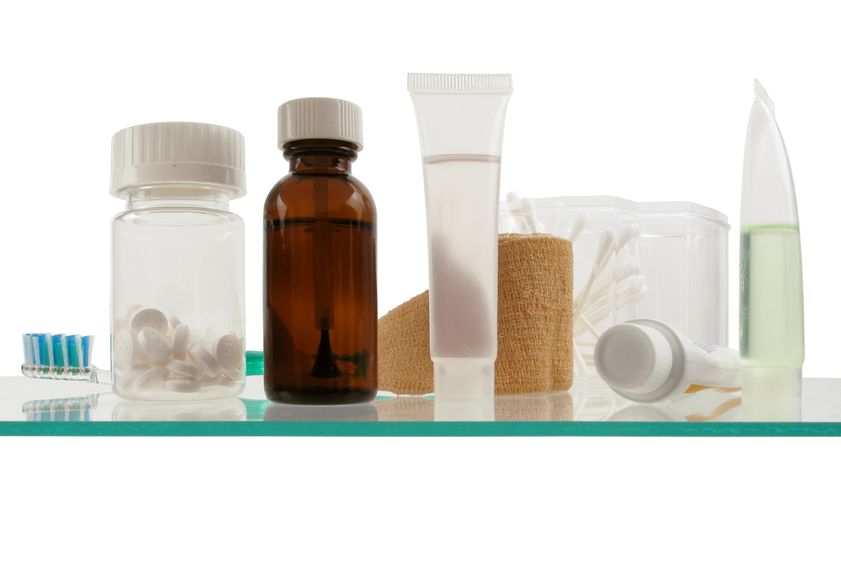
A medicine cabinet is excellent for items such as:
- Toothpaste.
- Daily skincare.
- Shaving products.
- Small grooming supplies.
- Contact-lens supplies.
But despite the name, the bathroom isn't always the best place to store medication.
Heat and humidity can affect some medicines, so follow the storage directions on the label or packaging. Keep medications secure and out of reach of children and pets.
The words medicine cabinet should not overrule the actual instructions on the medicine.
Create One Place for Backup Toiletries
Backup products tend to spread. One shampoo becomes three.
Toothpaste develops a colony. Soap starts appearing in places nobody remembers assigning it to.
Give unopened backup toiletries one specific home.
That might be:
- One bathroom bin.
- A linen closet shelf.
- A small basket in a nearby cabinet.
When that space is full, you have enough. No advanced inventory-management software required.
Keep First-Aid Supplies Together
Create one clearly defined place for basic first-aid items.
Keep the category simple and easy for adults to access, while storing anything potentially dangerous securely away from children.
If you already have a central household first-aid kit elsewhere, you don't necessarily need to duplicate the entire collection in the bathroom.
A few commonly used supplies may be enough.
Give Hair Tools a Safe Home
Hair dryers, curling irons, and straighteners can turn into a nest of cords surprisingly quickly.
Store them in:
- A heat-safe drawer or container.
- A cabinet basket.
- A wall-mounted organizer designed for styling tools.
Let heated appliances cool before putting them away unless the storage product is specifically designed for hot tools.
And don't let electrical cords trail near sinks or tubs. Convenient is good. Electrocution is less so.
Use the Inside of Cabinet Doors
The inside of a vanity door is often wasted space.
Depending on the cabinet, you may be able to add:
- Small adhesive bins.
- Hooks.
- A narrow organizer.
- A holder for hair tools.
Keep door-mounted storage light enough that the cabinet opens and closes normally.
If the door starts behaving like it's carrying luggage, you've gone too far.
Make Towels Easy to Hang Up
Towels create clutter when there's no easy place to hang them.
Make sure each person has a hook, bar, or designated spot.
Hooks are particularly useful in family bathrooms because they're faster than neatly folding a towel over a bar.
And speed matters.
A system requiring precision folding from a twelve-year-old at 7:15 a.m. was doomed from the beginning.
Store Extra Towels Somewhere Sensible
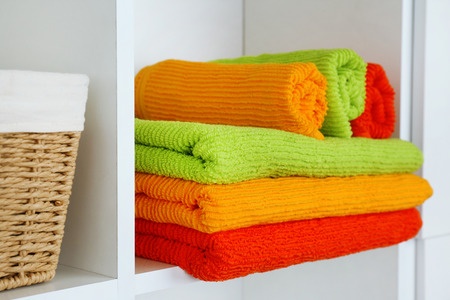
You don't need the entire household linen inventory in the bathroom.
Keep a reasonable number of clean towels nearby and store extras in a linen closet or another dry location if space is limited.
Open shelving can work, but don't overload it with decorative stacks that nobody is allowed to use.
Bathroom storage should earn its space.
Keep Toilet Paper Within Reach
This is one category where convenience deserves priority. Keep at least one spare roll close to the toilet.
Additional rolls can go in:
- A basket.
- A cabinet.
- An over-toilet unit.
- A nearby closet.
Few household systems are tested quite as dramatically as toilet-paper storage. Plan accordingly.
Use the Space Above the Toilet Carefully
The wall above the toilet can provide useful storage, especially in a small bathroom.
Good options include:
- Shelves.
- A shallow wall cabinet.
- A freestanding over-toilet unit.
Use the space for towels, extra toiletries, or toilet paper.
Avoid loading open shelves with lots of tiny decorative objects. Aside from creating visual clutter, gravity remains undefeated.
Keep the Shower From Becoming a Bottle Museum
Shampoo and body-wash bottles tend to multiply along shower edges.
Keep only the products you're currently using in the shower. Store backups elsewhere.
A shower caddy, corner shelf, or wall-mounted organizer can help keep bottles off the floor and tub edges.
If nobody has used that specialty shampoo in six months, it probably doesn't deserve waterfront property.
Give Bath Toys a Defined Limit
For families with small children, bath toys need boundaries too.
Use a draining basket or mesh container, and decide how much space bath toys can occupy.
When the container is full, something needs to leave before something new moves in. This keeps the tub usable and makes cleanup faster.
Organize Makeup by What You Actually Use
You don't need an elaborate makeup station unless you genuinely use one.
Keep everyday products in the easiest-to-reach location. Put less-used makeup in a separate container.
Discard products that have changed smell, texture, or appearance, and follow manufacturer guidance for replacement.
If you routinely dig through fifteen products to find the same three every morning, those three deserve better real estate.
Give Each Person a Zone in a Shared Bathroom
Shared bathrooms become easier when everyone has a defined place.
Depending on the space, that could mean:
- One drawer per person.
- One bin per person.
- One shelf per person.
- Individual caddies.
This reduces the daily question:
"Who left this here?"
More importantly, it gives each person a clear place to put things away.
Make a Kids' Bathroom Easy for Kids to Use
Store children's everyday items where they can reach them safely.
Use simple categories. Labels can help younger kids, especially picture labels.
Give them obvious places for:
- Toothbrushes.
- Hair supplies.
- Towels.
- Bath toys.
- Dirty clothes.
If children need an adult to maintain the organizational system, it isn't really their system.
Small Bathrooms Need Less Stuff, Not More Organizers
When space is extremely limited, the solution is often subtraction.
Before trying to add another shelf, ask:
Does this item need to live in the bathroom at all?
Backup products can move elsewhere. Occasional-use tools can move elsewhere. Bulk supplies can move elsewhere.
The smaller the bathroom, the more selective you need to be about what earns space there.
Use Wall Space When Floor Space Is Limited
Walls can provide useful storage without shrinking your walking space.
Consider:
- Floating shelves.
- Hooks.
- Narrow cabinets.
- Wall-mounted baskets.
Keep frequently used items at eye level, and support heavier items securely.
And don't turn every available wall into storage simply because you can.
Empty space is useful too.
Be Careful With Open Shelving
Open shelves look attractive when they're lightly stocked.
They look considerably less attractive when they become a parking lot for twelve half-used products.
If you use open shelving, keep categories simple and quantities limited.
Closed cabinets are more forgiving when the contents aren't especially photogenic.
Don't Buy Organizers Before Decluttering
This is one of the easiest mistakes to make. You see bathroom clutter. You buy organizers.
Now you own the clutter and six new containers.
Declutter first. Measure second.
Buy storage products only when you know exactly what they need to hold.
Store Cleaning Supplies Safely
Bathroom cleaning products can be convenient to keep nearby, but safety comes first.
Follow label directions and keep hazardous products secured away from children and pets.
Don't combine cleaning chemicals unless the product label specifically says it's safe.
If you don't have safe bathroom storage, keep cleaning supplies elsewhere and bring them in when needed.
Put Things Where You Actually Use Them
A good organizing system follows behavior. If you always apply lotion after showering, keep it near the shower.
If you take out contact lenses at the sink, keep the supplies there. If you use hair tools at the vanity, store them nearby.
Don't make yourself cross the room three times to follow an organizing system somebody invented for a different bathroom.
Fix the Places Where Clutter Keeps Returning
Pay attention to recurring piles.
If hair tools are always on the counter, they may need easier storage. If towels always land on the floor, you may need another hook.
If toiletries keep piling up beside the sink, the drawer may be too full or too inconvenient.
Recurring clutter is information. The location often tells you exactly what isn't working.
Try a Two-Minute Bathroom Reset
Once the room is organized, maintenance shouldn't take long.
At the end of the day:
- Put toiletries away.
- Hang towels.
- Return hair tools.
- Toss obvious trash.
- Move dirty clothes to the hamper.
- Clear the counter.
Two minutes now can prevent the room from turning into an archaeological site by Friday.
What Should Stay in the Bathroom?
Generally, keep things that are:
- Used in the bathroom.
- Used frequently.
- Safe to store there.
- Easy to put away.
Move out things that are:
- Rarely used.
- Duplicated in excessive quantities.
- Better stored somewhere cooler or drier.
- Taking up valuable space for no good reason.
Not every item needs a home in the bathroom.
A Simple Bathroom Organization System
If the room feels completely out of control, use this order:
- Remove obvious trash and empty containers.
- Take out anything that doesn't belong in the bathroom.
- Group what's left by category.
- Give daily-use items the easiest storage.
- Move backups and occasional-use items farther away.
- Add organizers only where they solve a specific problem.
That's it. You don't need to redesign the bathroom.
You need fewer things competing for the same twelve inches of drawer space.
The Goal Is a Bathroom That's Easy to Use
A well-organized bathroom isn't one where every cotton swab has its own handcrafted container.
It's one where you can find what you need, use it, and put it away without rearranging half the cabinet.
Clear the excess.
Keep everyday items accessible.
Give everything else a sensible home.
And leave yourself a little empty space.
You'll probably fill some of it eventually.
We're human.
Keep Going
If you're working through the rest of your home, these guides can help:
Bathroom Cleaning & Organizing: A Complete Guide →
How to Organize Your Home Room by Room →
How to Declutter Your Home Without Getting Overwhelmed →
How to Organize a Kid's Room →
Ready to Get Your Space Back?
If the bathroom is only one of several spaces that could use some attention, Room by Room by Tara Aronson takes you through the process of clearing clutter throughout the house—without becoming a minimalist or sacrificing an entire weekend to the cause.
Learn more about Room by Room →
- Clean Home
- Organize Your Home
- Bathroom Organization