Entryway Organizing Tips: How to Stop Clutter at the Front Door
Every afternoon, it happens. The door flies open and in comes the family: tired, hungry, a little cranky, and carrying approximately everything they own.
Backpacks. Mail. Shoes. Grocery bags. Soccer balls. A permission slip that needed your signature yesterday. And all of it lands on the first flat surface inside the door, which is usually the kitchen counter, where it will stay until someone needs to make dinner.
We're not slobs. We're just so happy to be home that we drop everything, literally. The fix isn't more willpower. It's giving all that stuff an easy place to land on the way in, and these entryway organizing tips will show you how.
The short version:
- Set up a drop zone right where people come in.
- Give everyone their own bin, hook or shelf.
- Hang everyday coats and bags on sturdy hooks.
- Give sports gear and bikes assigned "parking spots."
- Corral shoes in a basket, on shelves or in a cubby.
Start With a Drop Zone
The best entryway organization ideas start with one question: what do people carry in, and where do they drop it? Watch your family for a few days. The pile tells you exactly what your entry needs.
Then set up a loading and unloading zone right where everyone tromps in, whether that's the front door, the kitchen door or the door from the garage. (No need to paint a yellow line on the floor. Although, if it works...)
Next, give each family member a small basket or bin for the things they always need on the way out: gloves, hats and scarves in winter; sunglasses, sunscreen and a sun hat in summer. No more frantic dashes back inside at the last minute while the car idles in the driveway.
How to Organize Backpacks and Coats by the Door
Backpacks. Kids lug home backpacks roughly the size of a carry-on suitcase, and of course they cannot possibly carry them all the way to their bedrooms. So don't make them. Give backpacks a landing spot by the door (or in the garage, if that's where they come in):
- Bins. Big plastic bins, one color per kid, make it obvious whose is whose.
- Hooks. Sturdy hooks on the wall. And by sturdy, I mean very sturdy. Those things weigh a ton.
- Shelves. Keep them low enough for kids to reach and deep enough to hold a fully loaded backpack.
Coats. Everybody has one favorite jacket they wear every single day. It never sees the inside of the closet because it's always on duty. So stop fighting it: put hooks near the door you use most and hang everyday coats, rain gear and bags right there.
Entryway Storage for Sports Gear and Bikes
Busy families come with a lot of equipment: saxophones, tennis rackets, swim goggles, lacrosse sticks, and that one shin guard whose partner disappeared in 2019.
All of it needs somewhere to wait until the next practice, and that somewhere should not be the floor by the back door, where Grandma or the toddler will trip over it.
In a perfect world, your kids would hang the tennis racket on its designated peg and drop the soccer ball into the ball bin. And it's a lovely goal. But when they need that racket again tomorrow, it's not happening. They're human.
The realistic fix: give each child their own bin or shelf for gear (big enough to hold a backpack, too). They have to empty it once a week, but until then it's their space, and you promise not to look. Trust me, you don't want to.
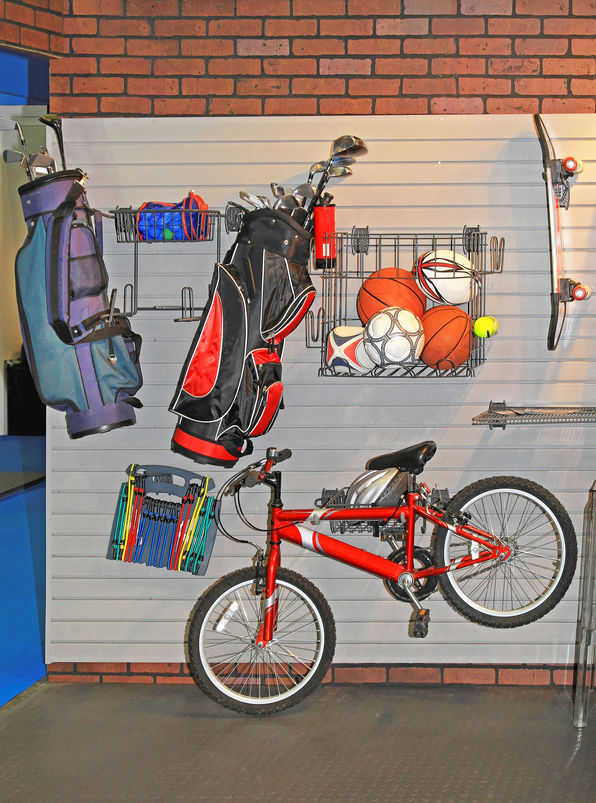
Bikes are big, awkward and tip over if you look at them funny, so they need a plan. Give every bike an assigned "parking spot" in the garage. A clever friend of mine marked parking lines on her garage floor so her kids knew exactly where their bikes belonged, and she never again had to get out of the car to move a bike out of the way.
Shoe Storage by the Door

Some families have a no-shoes-in-the-house rule. Nearly all families have a no-muddy-shoes-in-the-house rule. Either way, you end up with a mountain of shoes by the door. Here's how to tame it, depending on your family size:
- A basket works for a small family with just a few pairs.
- Shelves handle bigger families and awkward footwear like cleats and riding boots. Add a bench or chair so Grandma can sit to take her shoes off, or so you can sit while wrestling a toddler out of their sneakers.
- A shoe cubby or rack is the answer when the shoe count gets truly out of hand.
Bonus: shoes by the door means less dirt on your floors and carpets, and fewer shoes in your closets.
Small Entryway? Go Up
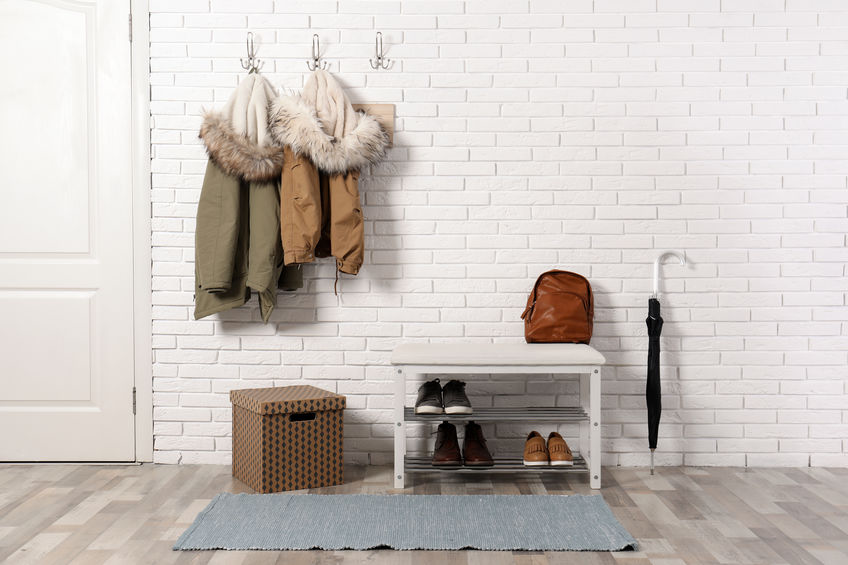
No mudroom? No problem. In a small entryway, use the walls: a row of hooks, a narrow shelf for keys and sunglasses, and a slim bench with baskets underneath can do the work of a whole mudroom.
Keep It Working
An organized entryway is like a garden: it needs a little weeding. Once a week, clear out the bins, return stray shoes to their owners and toss the junk mail. Five minutes keeps the whole system running, and it makes school mornings a lot calmer.
Entryway Organizing FAQs
What should go in an entryway drop zone? The things your family carries in and out every day: backpacks, coats, shoes, keys, sunglasses and the mail. Anything used less than weekly belongs somewhere else.
How do I organize an entryway with no closet? Use wall hooks for coats and bags, a bench with baskets underneath for shoes, and a small shelf or tray for keys and sunglasses.
How do I get my kids to actually use the entryway system? Make it easier than dropping things on the floor: low hooks, open bins, one per child. Then give them a weekly cleanout day instead of daily nagging.
Where should shoes go when you come in the house? In a basket, on a low shelf or in a shoe cubby right inside the door, ideally with a bench nearby so people can sit to take them off.
Stop Cleaning the Same Messes Over and Over
That pile by the door is what I call a "clutter point," a spot where mess keeps coming back no matter how often you clear it. My book The Daily Home Reset shows you how to find your home's clutter points and keep them under control in just 15 minutes a day.
Keep Going
Keep your home organized from the front door on in with these related guides:
- How to Organize Your Home: A room-by-room guide to getting every space under control.
- Tips for School Mornings: Get everyone out the door on time, with less yelling
- How to Declutter Your Home: Clear out what you don't need so storage actually works.
- Tips for Organizing Kids' Rooms: Help kids keep their own space neat.
- Daily Kids Chores by Age: Age-appropriate jobs that teach responsibility.
- Garage Organizing: Make room for the car, the bikes and everything else.
- Family Car Organizing: Keep the clutter from riding along with you.
- Easy Summer Cleaning Tips: Stop sand and dirt at the door all summer long.
- Clean Home
- Family Life
- Entryway Organizing Tips and Techniques