Home Organizing How-To:
A Practical Room-by-Room Guide
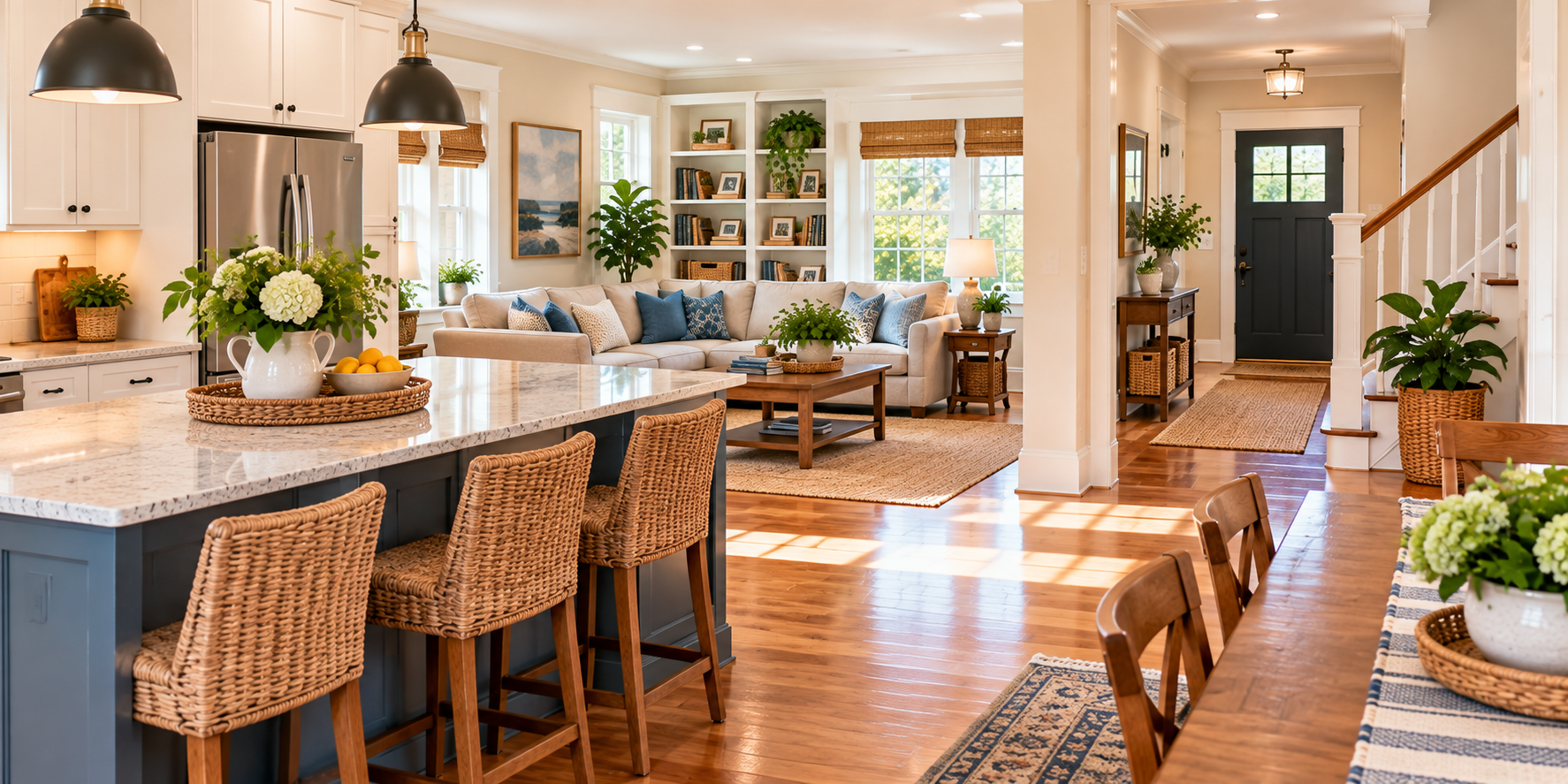
Organizing your home sounds like a wonderful idea until you look around and realize just how many rooms, closets, drawers, and cabinets are involved.
The kitchen needs attention. The bedroom closet is packed. The bathroom drawers are overflowing. And the garage contains several boxes you haven't opened since the last presidential administration.
Where do you even begin? The answer is simpler than you might think.
You don't have to organize the entire house at once. In fact, you're much more likely to finish if you tackle one manageable area at a time.
This home organizing how-to guide will walk you through the main rooms of your house, showing you where to start, what to keep nearby, and how to create storage systems that make everyday life easier.
No complicated systems. No requirement to buy matching baskets for every shelf.
Just practical organizing that works in a real home.
Before You Start: Choose One Room, Not the Whole House
The quickest way to turn a promising organizing project into a disaster is to empty every closet, drawer, and cabinet at once.
Suddenly, your entire house is covered in belongings, you're exhausted, and it's nearly time to make dinner.
Instead, choose one room. Then choose one area within that room. A single drawer, cabinet, shelf, or closet section is enough to begin.
Use this basic process:
- Remove the items from the small area you're organizing.
- Decide what belongs there and what doesn't.
- Set aside unwanted items for donation, sale, recycling, or appropriate disposal.
- Group the remaining belongings by how they're used.
- Return them to convenient storage locations.
- Finish by dealing with anything you're removing from the room.
Once you've finished one area, move to the next. Small completed projects are far more useful than a house full of half-finished ones.
1. How to Organize Your Kitchen
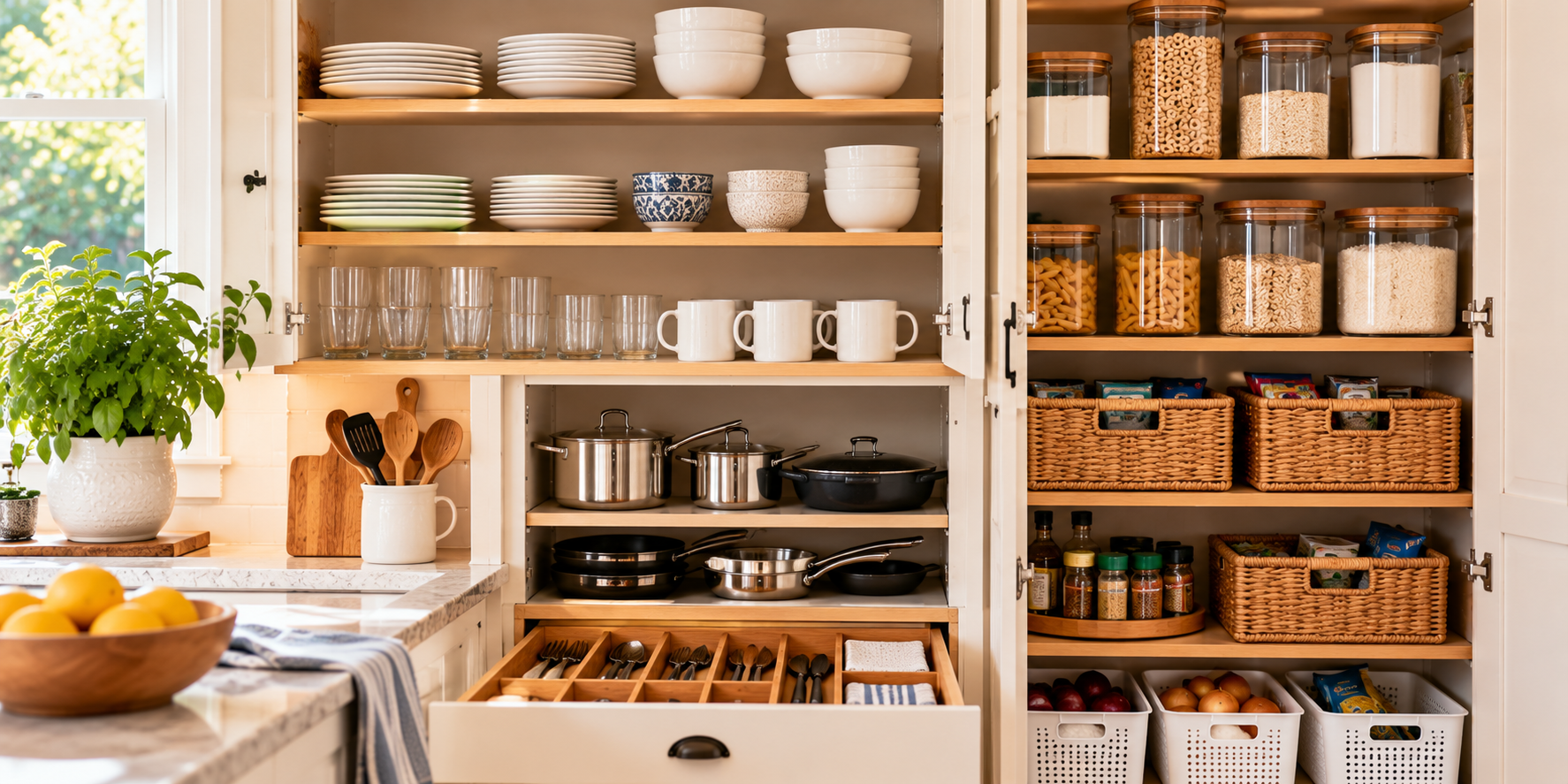
The kitchen is one of the hardest-working rooms in the house.
It's where meals are prepared, groceries are unpacked, lunches are assembled, and everyone seems to leave their belongings.
Start with the places that make cooking difficult.
Clear Your Main Work Surface
Move unrelated items off the counters. Give mail, school papers, keys, and other belongings appropriate homes elsewhere.
Keep frequently used appliances accessible, but consider storing equipment you use only occasionally.
You don't need empty countertops. You need enough clear space to prepare food comfortably.
Organize Cabinets by Activity
Keep everyday dishes near the dishwasher or drying area when practical. Store pots, pans, and cooking utensils close to where they're used.
Group baking supplies together. Put frequently used ingredients within easy reach.
This arrangement reduces unnecessary trips across the kitchen and makes putting things away more intuitive.
Tackle One Drawer
Choose the drawer that causes the most frustration. Remove duplicates you don't need, discard broken utensils, and group similar items. Use dividers if they'll help, but measure the drawer before buying organizers.
For more ideas, visit Easy Kitchen Clutter Solutions.
2. How to Organize Your Bathroom
Bathrooms often have limited storage, yet they need to hold a surprising number of products.
Begin by checking what you've accumulated. Empty bottles, worn-out accessories, and products you no longer use take up valuable space.
Check expiration dates where applicable and follow appropriate disposal guidance, particularly for medications.
Group Supplies by Purpose
Create separate storage areas for dental care, hair products, shaving supplies, and other everyday necessities.
Small drawer dividers or shallow containers can prevent smaller items from disappearing behind larger bottles. Keep daily essentials convenient.
Store medicines, sharp items, and potentially hazardous products securely and according to their labels.
3. How to Organize Your Bedroom
Your bedroom should be a place to rest, not an overflow storage room. Start with the areas you see and use every day. Clear unnecessary items from the nightstand. Return clothing to drawers or closets.
Find another location for paperwork, dishes, and miscellaneous belongings that have migrated into the room.
Make Dressers Easier to Use
Work through one drawer at a time. Group similar clothing together. Set aside garments that no longer fit, are worn out, or aren't wanted.
Keep the clothes you wear most often in convenient drawers. Avoid packing everything so tightly that putting clean laundry away becomes a struggle.
Simplify Your Closet
Group clothes by category so you can see what you own. Keep frequently worn clothing accessible.
Store seasonal items elsewhere if space is limited and the storage conditions are suitable. Don't overlook shoes, belts, scarves, and handbags.
A few hooks or appropriate shelf organizers may help you use existing space more efficiently. For more detailed advice, see How to Organize Clothes.
4. How to Organize Your Living Room
Living rooms are rarely used just for sitting. They're also places for reading, watching television, playing games, doing homework, and relaxing.
That's why organizing the living room begins with understanding how your family actually uses it.
Give Everyday Items a Home
Use a tray or drawer for remote controls. Provide a basket for throw blankets. Keep books and magazines on an accessible shelf.
If children play in the room, give their toys a designated storage area.
Avoid storage systems that require moving several containers to reach the one you need.
Create Storage Without Crowding the Room
Furniture with built-in storage can be helpful. So can a bookcase, cabinet, or sturdy basket. But you don't need to fill every corner with another piece of furniture.
First, decide which belongings truly need to stay in the room. Then choose enough storage to accommodate them.
For additional ideas, see Living Area Organizing Tips.
5. How to Organize Your Entryway
Your entryway is where household organization meets the outside world. Shoes arrive. Coats come off. Backpacks land. Keys disappear.
A simple drop zone can prevent much of this clutter from spreading throughout the house.
Install suitable hooks for coats and bags. Provide a shoe rack, tray, or basket. Designate a convenient spot for keys, wallets, and sunglasses.
If children use the space, make sure their everyday storage is easy to reach. You don't need a separate mudroom.
Even a narrow wall with hooks and a small shoe rack can make leaving the house easier.
6. How to Organize Children's Rooms
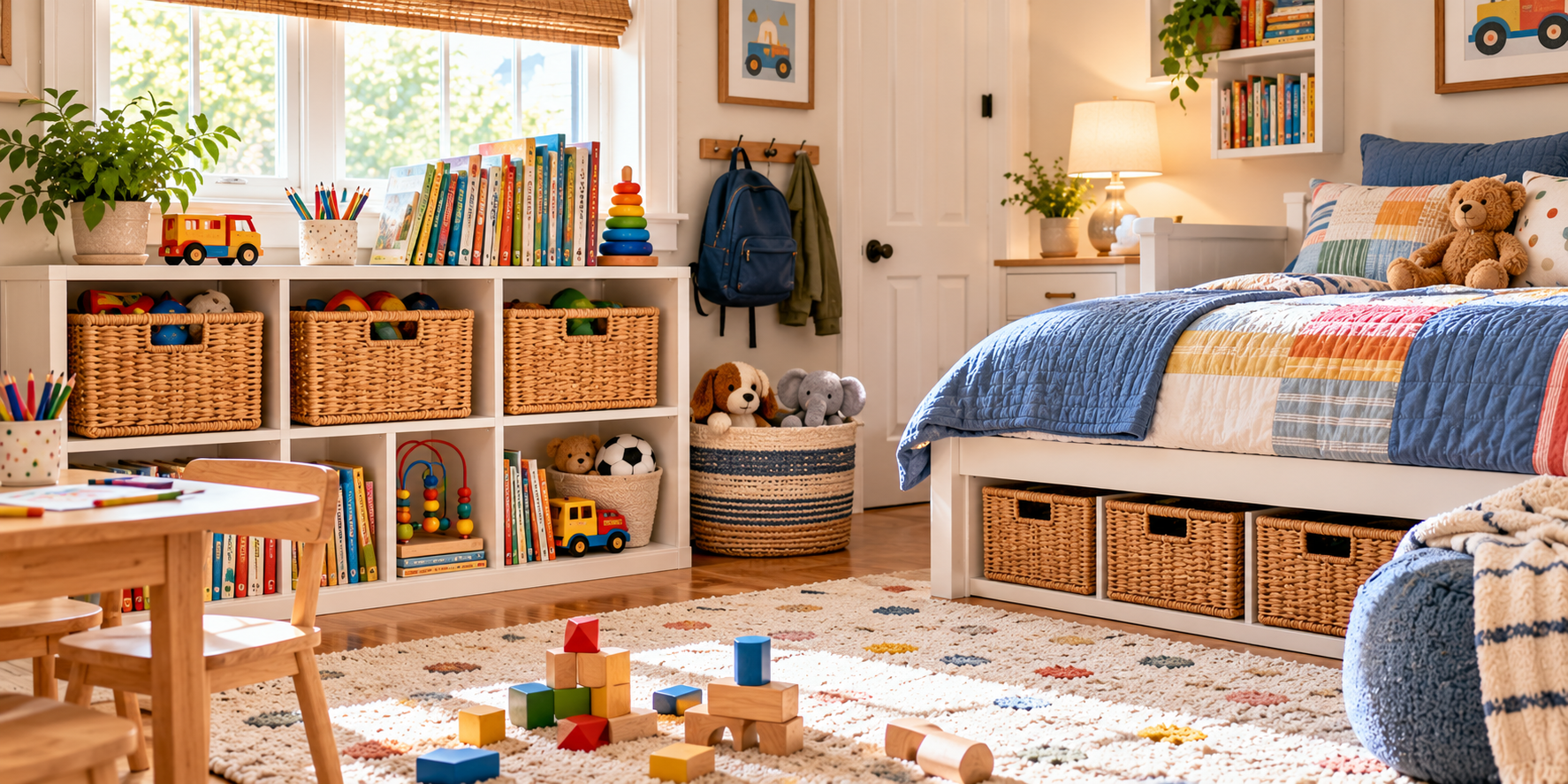
Children's rooms change constantly. Clothes become too small. Toys lose their appeal. School projects multiply.
An organizing system that works today may need adjusting in six months. That's normal.
Start With Simple Categories
Group toys and belongings by type. Use accessible containers for blocks, dolls, art supplies, or other common categories.
Keep the number of containers manageable. Young children often do better with open baskets than complicated stacks of boxes.
Make Cleanup Part of the Routine
Show children where belongings go. Give them age-appropriate responsibilities. Encourage putting one activity away before beginning another. And review toys and clothing periodically to identify things that have been outgrown.
Don't expect a child's room to look like a furniture showroom. The goal is a space where children can play, find their belongings, and participate in cleanup.
For more help, visit Storage Solutions for Kids' Clutter.
7. How to Organize Household Paperwork
Paperwork is one of those household categories that can spread almost anywhere. Kitchen counters, desks, dining tables, and dresser tops are all potential landing spots.
Start by gathering loose papers from the main areas where they accumulate. Sort them into broad categories:
- Papers requiring action.
- Important records to retain.
- Reference materials.
- Papers ready for recycling or secure shredding.
Choose one place for incoming mail and documents that need attention. Set aside time regularly to process them.
Store important records securely, and check applicable retention requirements before disposing of financial, tax, medical, or legal documents.
You don't need a complicated filing cabinet system. You need a reliable way to find important paperwork when it matters.
See How to Organize Paperwork for more guidance.
8. How to Organize the Garage and Storage Areas
Garages, basements, and spare closets tend to collect belongings that don't have another obvious home.
Before installing more shelves, examine what you're storing. Are there broken items you no longer intend to repair? Duplicate equipment? Empty boxes? Belongings you haven't needed in years and no longer want?
Make those decisions before arranging the remaining items.
Group Storage by Category
Keep holiday decorations together. Group camping supplies, sports equipment, gardening tools, and other seasonal items.
Use sturdy containers suited to the items and conditions. Label boxes clearly. Store heavy belongings low and secure shelving appropriately.
Keep walkways, exits, and access to electrical panels and essential equipment clear.
A well-organized garage should make stored items easier to find without creating safety hazards.
9. How to Organize Laundry and Cleaning Supplies
Laundry rooms and utility spaces don't have to be large to work efficiently. They just need a storage system.
Keep laundry products together. Use hampers where people are most likely to put dirty clothes.
Designate a place for items awaiting repair, stain treatment, or return to their owners.
Keep cleaning tools accessible without blocking walkways. A portable caddy may make it easier to move appropriate supplies from room to room.
Always follow product labels, store cleaning chemicals safely away from children and pets, and never mix cleaning products unless specifically directed by the manufacturer.
10. Make a Simple Plan to Organize Your Home
You don't have to complete every room in a weekend. Instead, create a schedule based on the time and energy you actually have.
Here's one possible plan:
Day 1: Clear and organize one kitchen drawer.
Day 2: Sort bathroom toiletries.
Day 3: Organize a dresser drawer.
Day 4: Create a place for living room clutter.
Day 5: Set up an entryway drop zone.
Day 6: Sort one pile of household paperwork.
Day 7: Finish putting away, donating, recycling, or disposing of the items you've already sorted.
You can spread these projects over two weeks or longer. There's no prize for finishing faster.
What matters is completing each task and making the space easier to use.
How to Keep Your Home Organized
Once a room is organized, the next challenge is keeping it that way. Fortunately, maintenance is usually easier than the initial project.
Encourage everyone to return belongings to their designated locations. Keep incoming mail and paperwork from accumulating.
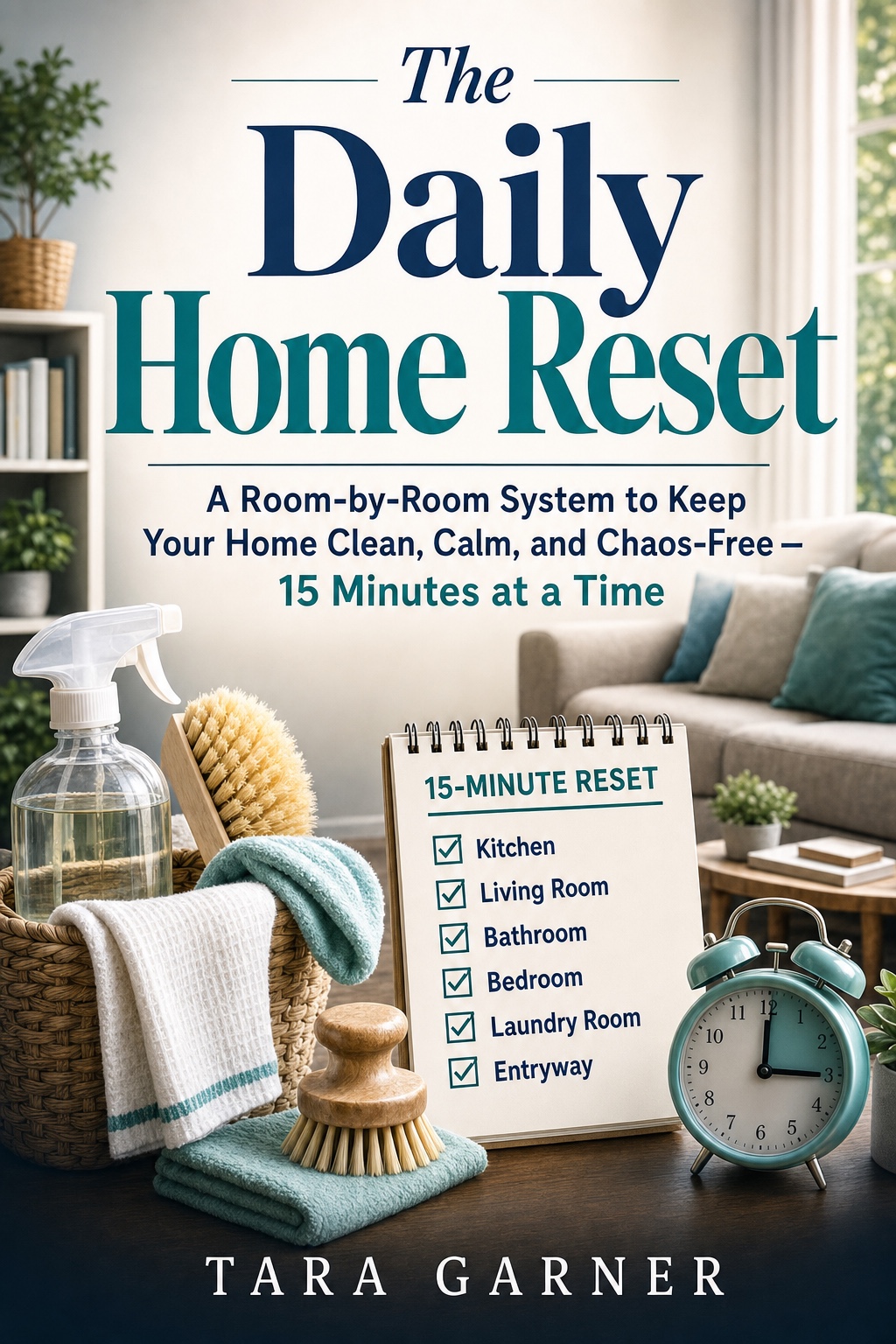
Put away everyday items when you're finished with them. Take a few minutes regularly to reset the busiest rooms. And remember to adjust storage systems when your household's needs change.
If something consistently ends up in the wrong place, consider whether it needs a more convenient home. An organizing system should make life easier, not give you another set of rules to enforce.
What If You Have Too Much Stuff to Organize?
Sometimes storage isn't the real problem. There are simply more belongings than your home can comfortably accommodate.
If every closet, cabinet, and shelf is overflowing, adding more containers may not solve much. That's when decluttering becomes the more useful first step.
You don't have to get rid of things you love or adopt an extreme minimalist lifestyle. You can simply decide what deserves space in your home today.
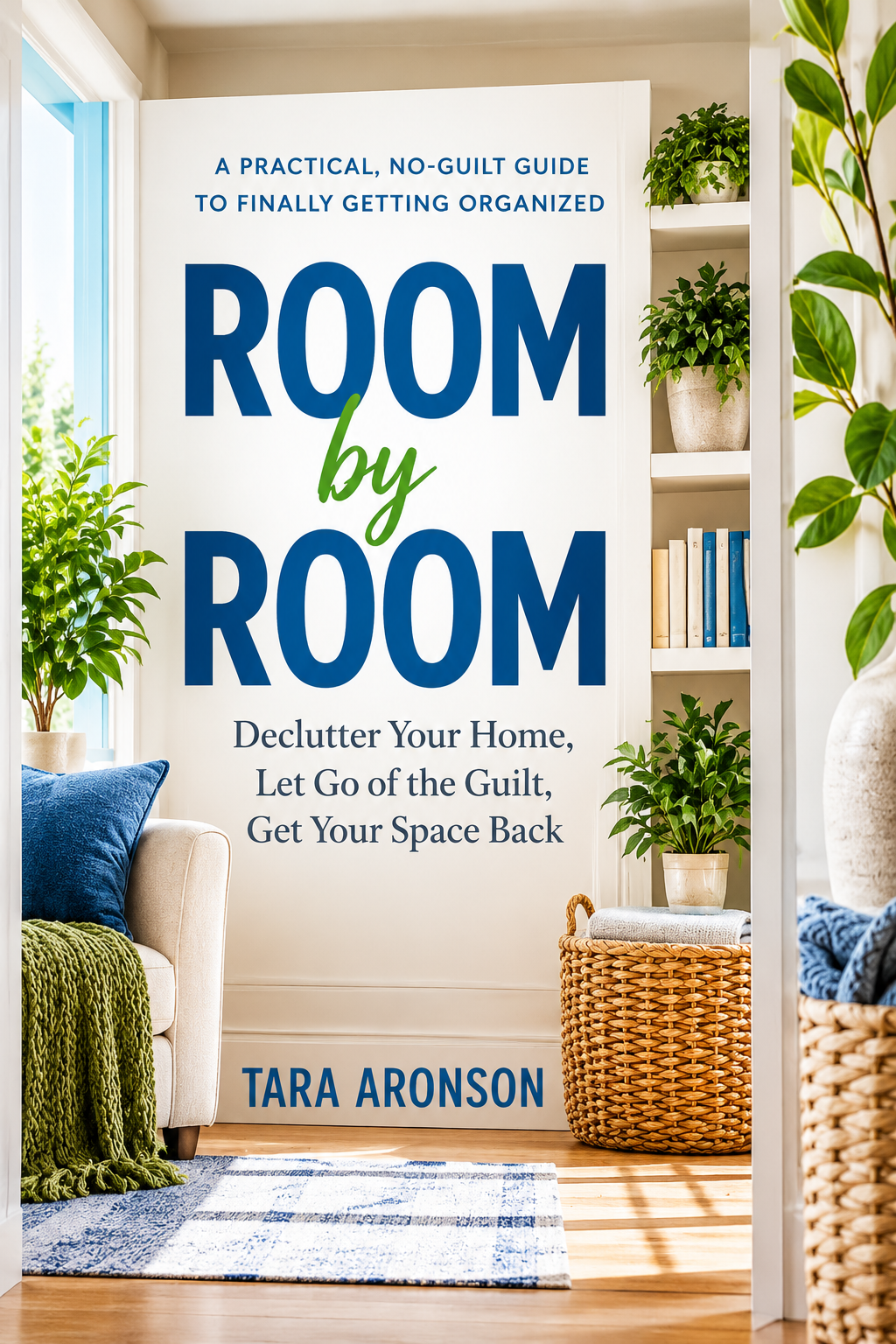
My book, Room by Room: Declutter Your Home, Let Go of the Guilt, Get Your Space Back, walks you through that process one manageable area at a time.
Learn more about Room by Room.
You can also start with my free How to Declutter Your Home guide.
More Home Organizing Help
Looking for more specific ideas?
Creating an Organized Home — Learn the essential steps for building a more organized home.
Getting Organized at Home — Find a starting point when clutter feels overwhelming.
Easy Household Organization — Solve common everyday organizing problems.
Tips for Home Organizing — Create practical storage systems your family can maintain.
Home Organization Guide — Explore organizing advice for every part of your home.
One Room at a Time Is Enough
You don't need a perfectly organized house. You need a home where you can find what you're looking for, use your rooms comfortably, and put things away without a major production.
Start with one room. Choose one manageable problem. Finish that project before beginning another.
Then enjoy the improvement.
A more organized home is built one practical decision at a time—not by spending an entire weekend surrounded by everything you own.
- Clean Home
- Organize Your Home
- Home Organizing How To