10 Fall Organizing Tips: Get Your Home Ready for the Season

Fall arrives with a lot of luggage: jackets, boots, backpacks, permission slips, soup pots and the throw blankets that multiply the minute the temperature drops.
Meanwhile, summer hasn't moved out. The beach towels are still in the hall closet, the cooler's in the entryway, and the closet that closed just fine in July now needs a hip check.
You don't need a full-house overhaul. You need a seasonal reset: put summer away, move fall to the front, and get rid of what you're not using. Here's how, in 10 steps.
1. Put Summer Away Before Fall Moves In
Round up everything summer:
- Beach and pool gear: towels, toys, swimsuits, bags
- Coolers and fans
- Sports and picnic stuff
- Outdoor entertaining supplies
- Summer clothes and sandals
- Travel gear
Each thing gets keep, donate or toss before it goes into storage. Store only what you'll actually use next summer. The broken beach umbrella? It will still be broken next June. We have enough evidence.
Clean things before you put them away. Wash the beach towels, wipe out the cooler and prop it open to dry, and rinse the sand out of the toys. Next June-you will be grateful.
2. Reset the Entryway
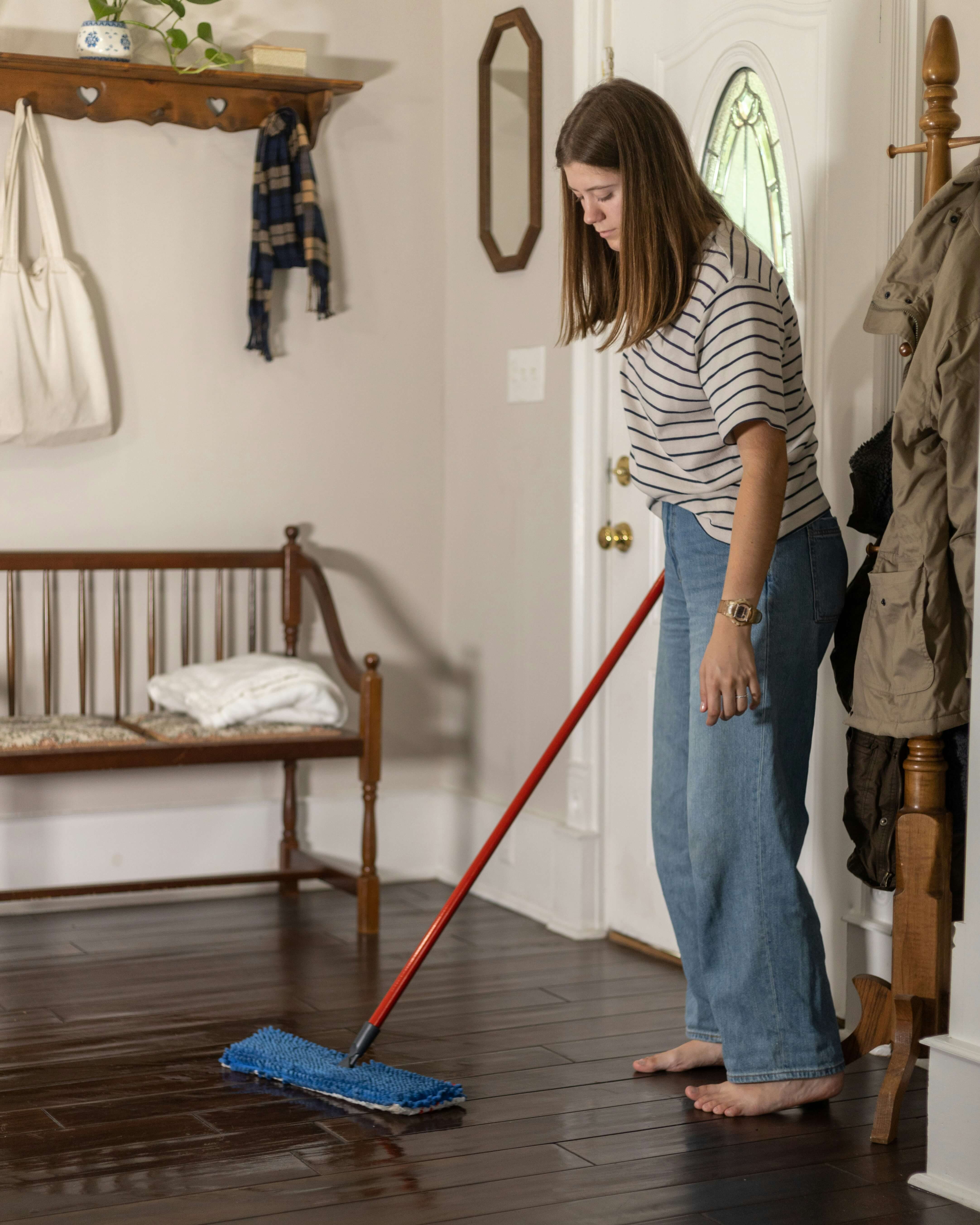
In fall, everything lands at the front door: jackets, shoes, bags, umbrellas, backpacks, sports gear, mail and the dog leash.
First, clear out everything that doesn't belong there. Then set it up for the people who actually live in your house:
- A hook for every family member, at their height
- A shoe rack or tray, with a one-pair-per-person rule
- A key tray or bowl
- A basket for gloves, hats and umbrellas
- A backpack hook for each kid
- One spot for incoming mail
Keep it simple. If hanging up a jacket takes a minor excavation, the jacket goes on the chair approximately four feet from the closet. Every time.
3. Do the Seasonal Closet Switch
Move the cold-weather clothes to the front: jackets, sweaters, long sleeves, heavier pants, closed-toe shoes, rain gear and whatever hats, gloves and scarves your winters require.
As each piece goes by, ask:
- Does it fit?
- Did I wear it last year?
- Is it in good shape?
- Would I buy it again today?
Any no goes in the donation box. That way you declutter while you switch, instead of saving it for a "closet weekend" that never comes.
Pack summer clothes in breathable bins or cotton bags after washing them. Stains you can't see now turn yellow in storage. More help: How to Organize Clothes.
4. Create a Landing Zone for Everyday Stuff
Pick one small spot, like a tray, a shelf or a basket near the door, for the things that come and go every day:
- Keys and wallets
- Sunglasses
- Work bags
- Mail and permission slips
- Anything that has to leave the house tomorrow
It's a short-term parking spot, not long-term storage. When it overflows, empty it out. Don't buy a bigger basket. It shouldn't become an archaeological record of everything that entered the house since Labor Day.
5. Get the Paper Under Control
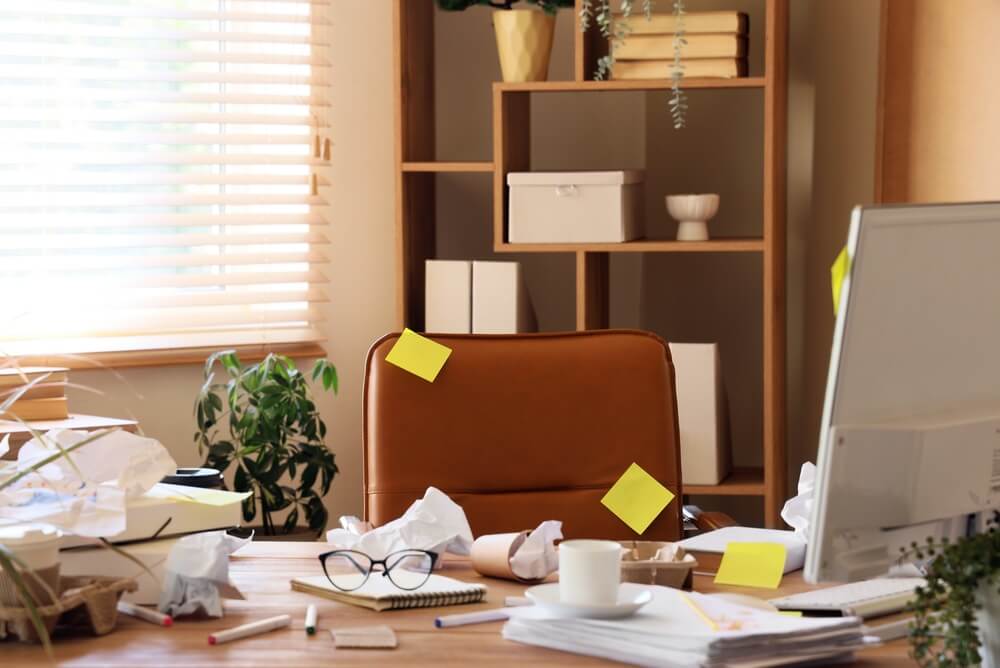
Fall is a paper blizzard: school notices, sports schedules, forms, bills, catalogs, invitations, receipts and mail nobody can identify.
You need exactly three categories:
- Action: Needs a reply, a payment or a decision. Put these in one folder or tray, and check it every Friday.
- File: Things you actually have to keep.
- Recycle or shred: Everything else. Shred anything with account numbers or your Social Security number on it.
That's it. You don't need seventeen categories, unless you enjoy maintaining seventeen categories. And keep paper off the kitchen counter. The counter is for food. More help: How to Organize Paperwork.
6. Reset the Pantry for Fall Cooking
Fall means more soups, baking, school lunches, weeknight dinners, hot drinks and, soon enough, holiday cooking. Get the pantry ready:
- Check what you have before you shop.
- Toss anything expired.
- Move the soon-to-expire stuff to the front, where you'll actually use it.
- Combine duplicates, like two half-bags of the same pasta. Don't mix old and new flour, though. Old flour can go rancid and spoil the fresh bag.
- Group like with like: baking, breakfast, canned goods, snacks.
- Make room for the foods your family actually eats.
You don't need an artisanal bread-baking zone just because it's October. More ideas: Kitchen Organizing Tips.
7. Bring Out Fall Linens Without Keeping Everything Out
Cooler weather brings out the blankets, throws, heavier bedding, flannel sheets, guest towels and seasonal table linens.
Before anything goes on a bed or the couch, check it. Does it need washing? (If it's been in a closet since March, yes.) Is it damaged? Do you still use it?
Put out what you'll use, and store the rest. Textiles are particularly talented at making a room look cluttered while technically counting as décor. Two throws per couch is cozy. Six is a fabric store.
8. Organize the Garage and Outdoor Gear Before Winter
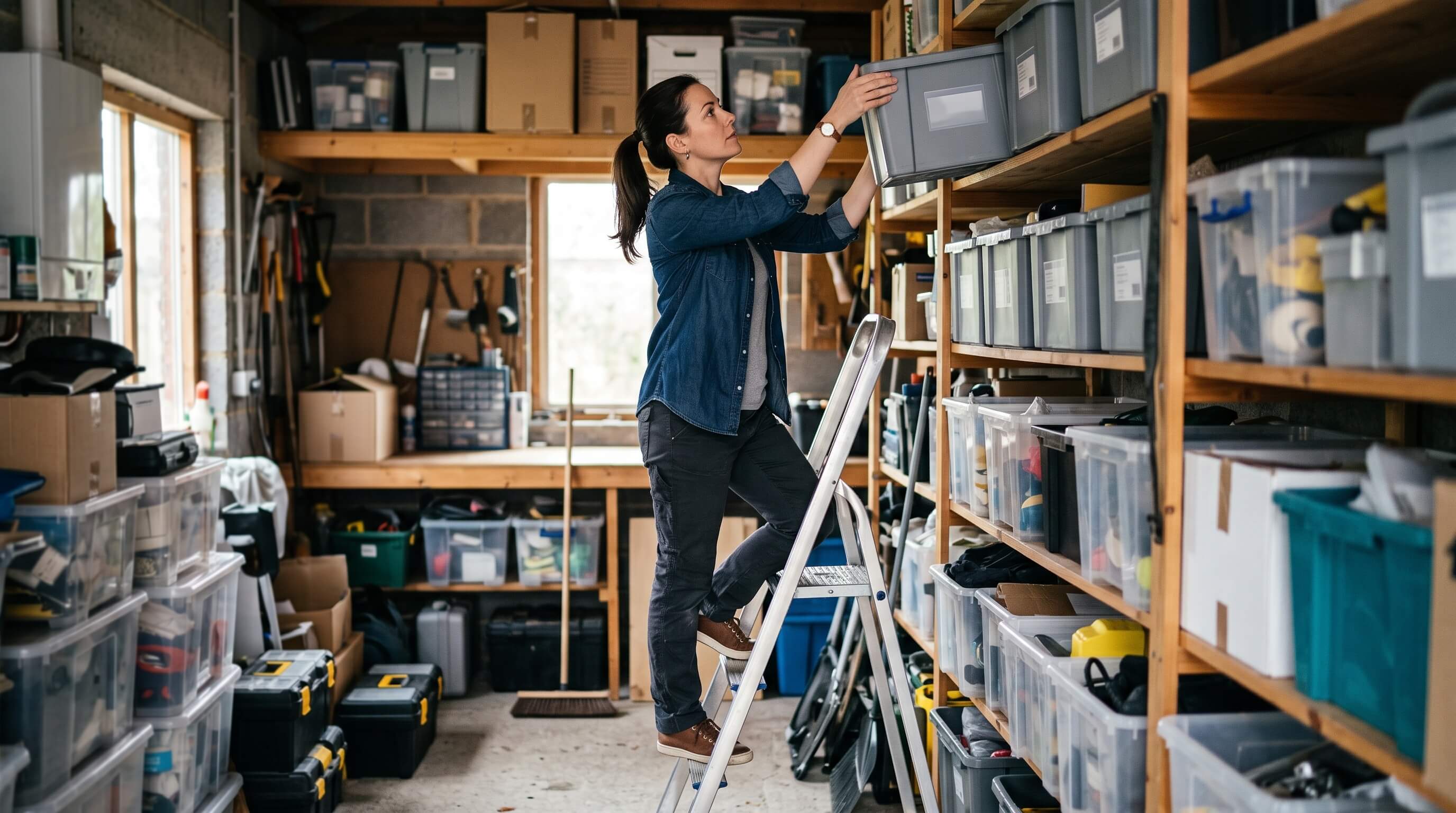
Move what you'll use this season to the front: rakes, leaf bags, cold-weather sports gear, holiday decorations, car-care supplies, rain gear and, if you get winter weather, the snow shovel and ice melt.
Clean the summer gear and move it to the back.
Before anything gets stored, deal with whatever's broken, outgrown, incomplete, rusted, never used or duplicated. Fix it, donate it or toss it. Labeling a bin "BROKEN SUMMER THINGS" offers no organizational benefit.
Before you put the mower away: Run it until the tank is empty, or add fuel stabilizer to it. Store gas only in an approved gas can, in a detached shed or the garage, never in the house or basement. Keep it well away from the water heater, furnace or anything else with a pilot light.
More help: the Garage guide and Easy Garage Storage Ideas.
9. Get Ahead of Holiday Stuff
Before you buy a single roll of wrapping paper, take inventory: decorations, wrapping paper, gift bags, ribbon, holiday linens, serving pieces, baking tools, cards and shipping supplies.
You're not unpacking everything. You're finding out what you already own, so you don't come home with a fourth tape dispenser and your third set of snowman mugs.
If you haven't put a decoration out in the last two seasons, let it go now. The glitter reindeer have completed their service.
10. Set Up One Fall Routine That Prevents Clutter
Pick one, and only one:
- A five-minute entryway reset every evening
- A Friday paper reset
- A Sunday fridge check before grocery shopping
- A ten-minute family pickup after dinner
Keep it easy and do it every time. One small habit you actually keep beats an elaborate system you abandon by Halloween.
Don't Skip the Fall Safety Check
While you're switching seasons, take care of the things that keep the house safe all winter:
- Test your smoke and carbon monoxide alarms. Daylight saving time ends the first Sunday in November, so test them when you change your clocks.
- Change the furnace filter before the heat kicks on for good.
- Get the chimney inspected before your first fire. Fire safety experts recommend it once a year.
- Give space heaters 3 feet of clearance from anything that can burn, and plug them straight into the wall, never into an extension cord.
- Disconnect and drain garden hoses, and shut off outdoor faucets before the first freeze so the pipes don't burst.
More seasonal checks: the Preventative Home Maintenance Checklist.
Don't Organize What You Should Declutter
Before you organize anything, ask one question: do we still need this? Yes, it stays. No, it goes.
This matters most for clothes, decorations, kids' stuff, sports gear, gadgets, linens, outdoor equipment and, yes, empty bins. Decluttering shrinks the pile. Organizing gives what's left a home. Organize stuff you don't need and you get a beautifully arranged version of the same problem.
For the full method, see my guide on How to Declutter Your Home.
Don't Buy Containers Yet
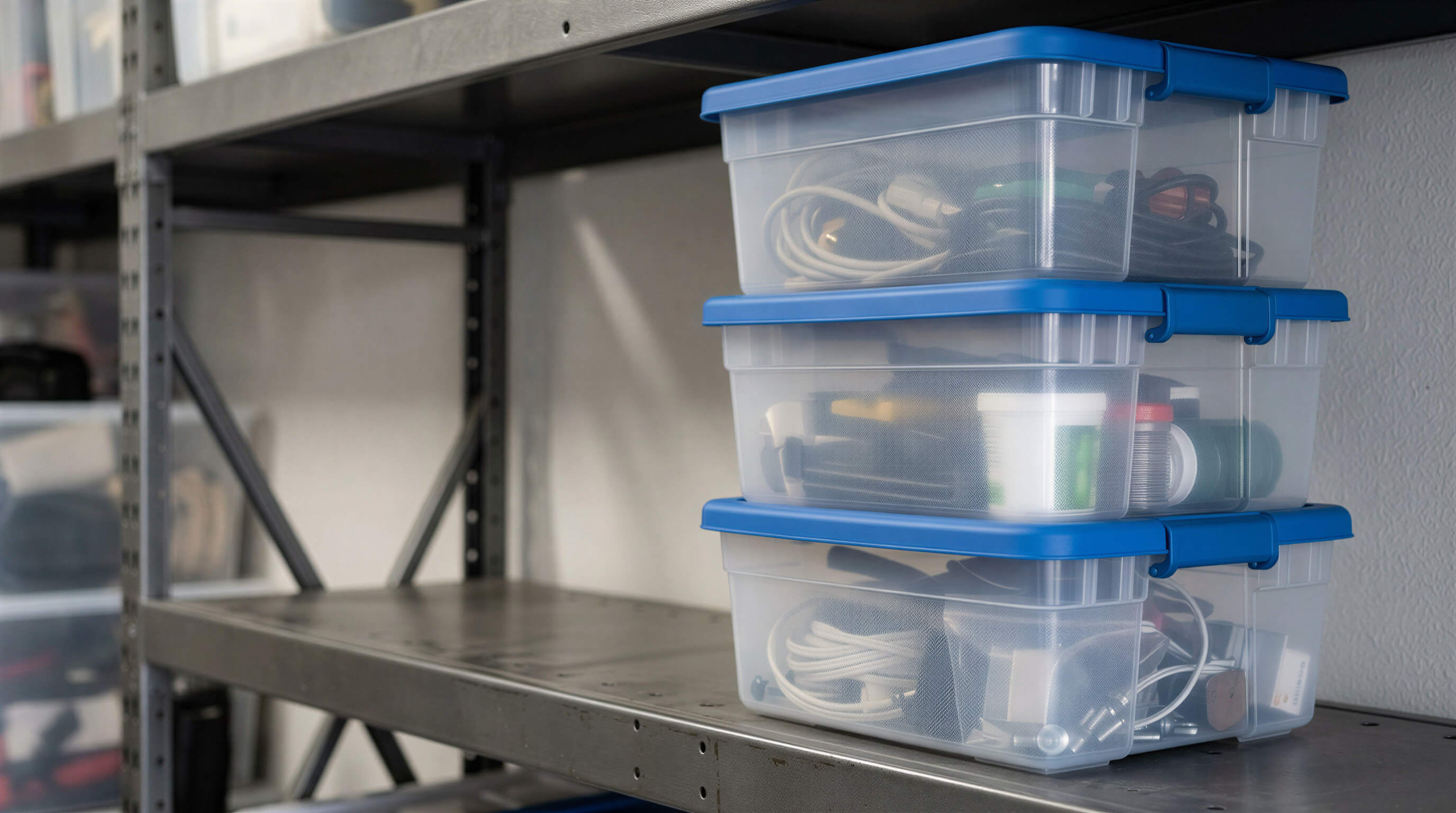
Fall is apparently a dangerous season for baskets. Before you buy a single one:
- Declutter.
- Group like items.
- Decide where each group lives.
- Measure the space.
- Check the bins you already own. You have some. Everybody has some.
- Then buy only what's still missing.
A basket full of stuff you don't need is still clutter. It just has handles.
Create a Fall Donation Box
Keep one empty box or bag out while you switch seasons, and drop in anything usable as you go. When it's full, it goes in the car, and to the donation center that week. A donation box that lives in the garage until spring is just a box.
Give Seasonal Things a Permanent Address
Give each category one home that stays the same every year:
- Summer recreation
- Cold-weather accessories
- Holiday decorations
- Gift wrap
- Seasonal linens
- Outdoor entertaining
Label the bins on the ends, not the lids, so you can read them when they're stacked. You're not building a warehouse. You just want to know where it goes when it's time to put it away.
Use Prime Storage for Prime-Season Things
Sort your storage into three tiers:
- Prime space: Eye level and easy to reach. This is for everyday and current-season things.
- Secondary space: Higher shelves and the back of the closet. This is for things you use now and then.
- Deep storage: The attic, basement and top of the garage shelves. This is for off-season and rarely used things.
If you're climbing over the Christmas tree every morning to get to your work bag, something's in the wrong tier.
Fall Organizing With Kids
Give kids specific jobs, not vague ones. "Clean your room" goes nowhere. "Find every swimsuit and put it on your bed" gets done.
Good fall jobs for kids:
- Try on last year's jackets and boots
- Make a pile of what doesn't fit
- Put away summer toys and gear
- Bring in outdoor toys
- Set up their backpack spot
- Sort school supplies
- Pick toys to donate
- Hang jackets on their own hook
The right jobs depend on the kid's age. For ideas, see Chores for Kids by Age.
The One-Hour Fall Organization Reset
Set a timer for one hour and work through it in this order:
- 15 minutes, entryway: Clear the summer clutter and give jackets, bags and shoes a spot.
- 15 minutes, clothes: Pull out-of-season pieces out of prime closet space, and toss the donations in the box.
- 10 minutes, paper: Sort the visible piles into action, file and recycle.
- 10 minutes, pantry: Pull out expired food, and move the things you use most to the front.
- 10 minutes, seasonal storage: Decide what comes forward and what goes back.
When the timer goes off, stop. Five problem areas improved in one hour. That's a win.
If You Only Do Five Things This Fall
- Clear and reset the entryway.
- Bring this season's clothes to the front of the closet.
- Set up a spot for incoming paper.
- Store the summer gear properly.
- Check your holiday supplies before you buy more.
Those five changes take care of most of the fall chaos in most houses. Everything else is a bonus.
Fall Organizing Checklist
- Gather up the summer gear
- Donate or toss summer stuff you won't use again
- Reset the entryway
- Move this season's clothes to the front
- Pull out clothes that are outgrown or unwanted
- Set up a landing zone for everyday stuff
- Set up a three-category paper system
- Reset the pantry
- Bring out the fall linens you'll use
- Store the extra linens
- Rotate the garage and outdoor gear
- Empty or stabilize the mower's gas
- Take inventory of holiday supplies
- Start a donation box
- Give each seasonal category a permanent home
- Pick one small fall routine
- Test smoke and CO alarms, and change the furnace filter
The Bottom Line
Fall organizing doesn't mean redoing the whole house. It means getting your home ready for the season you're heading into.
Put summer away. Move fall to the front. Get rid of what you're not using. Give jackets, shoes, bags and paper a spot to land, and check the holiday bins before you shop.
And don't organize something just because it exists. Sometimes the smartest move is getting rid of the thing you were about to buy a container for.
The goal isn't a house that looks like nobody lives there. It's a house that's easier to live in. And the first time someone in your family actually uses the hook you installed, don't make a fuss. You'll frighten them.
Get Organized Room by Room
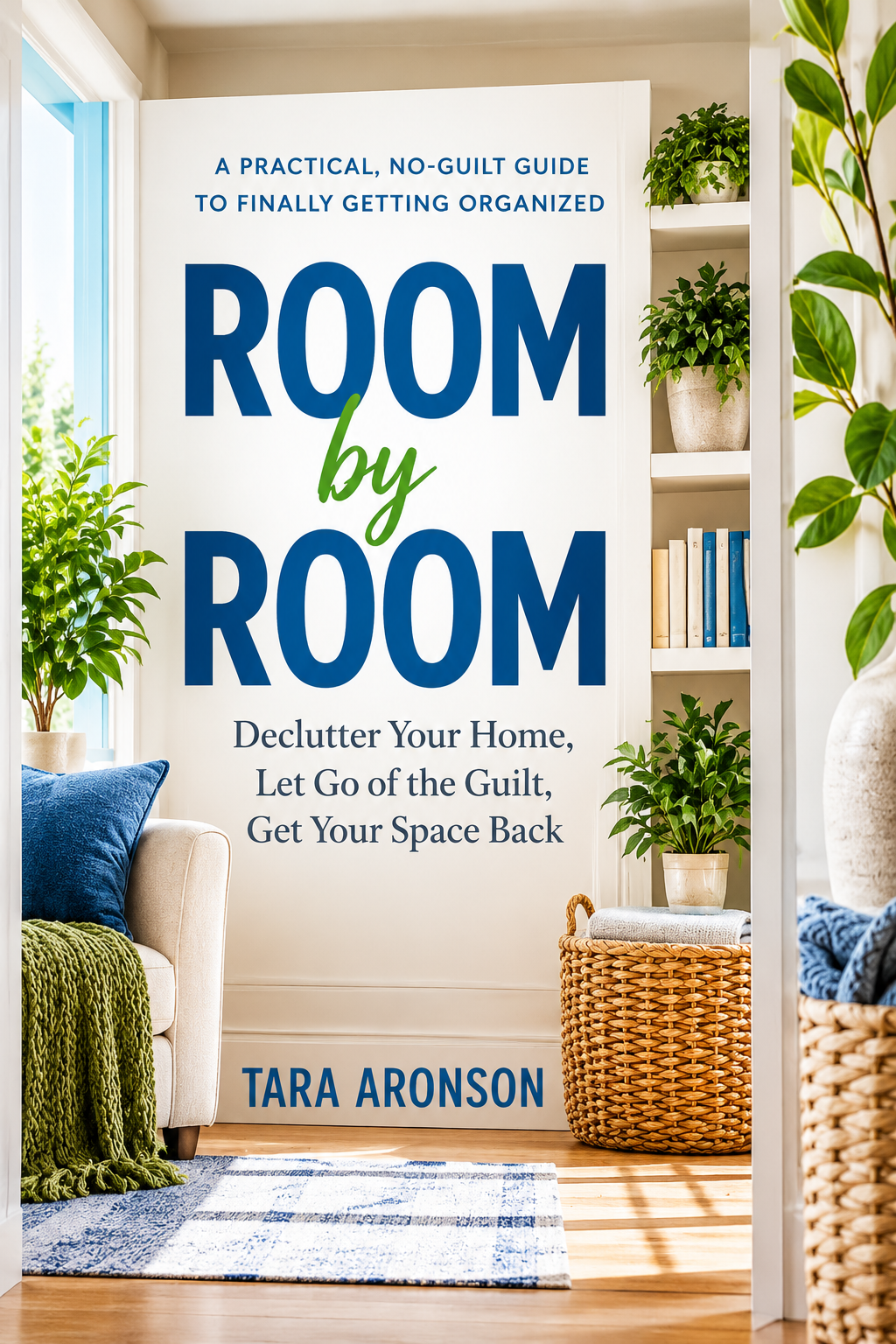
f your fall reset turns up more stuff than you have space for, my book Room by Room gives you a practical, no-guilt plan to declutter every space in your house, one room at a time.
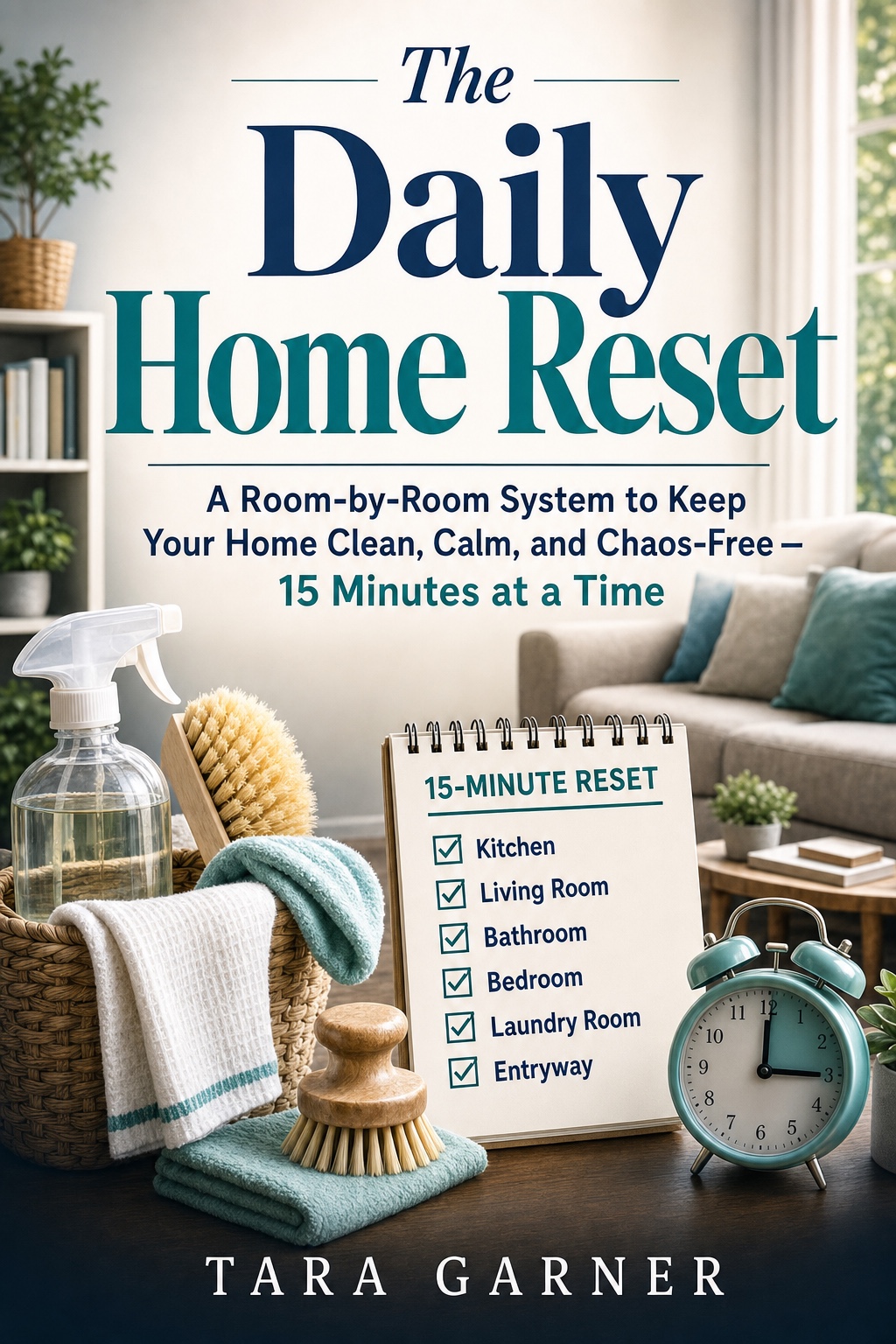
And once the house is reset, The Daily Home Reset keeps it that way with a 15-minute daily routine. The jackets stay on the hooks all winter.
As an Amazon Associate, I earn from qualifying purchases.
Keep Going
The seasonal reset is done. Keep the house in shape all fall with these related guides:
- How to Organize Your Home Room by Room: My complete guide to giving everything in your house a home.
- How to Declutter Your Home: The four-pile method for clearing out before you organize.
- How to Organize Clothes: Make the seasonal closet switch faster every year.
- Easy Garage Storage Ideas: Shelves, zones and smart setups for all that seasonal gear.
- How to Organize Paperwork: A simple system for the fall paper blizzard.
- October House Cleaning Checklist: The fall cleaning jobs to pair with your organizing.
- Preventative Home Maintenance Checklist: The seasonal checks that keep small problems from turning into expensive ones.
- 10 Fall Gardening Tips: Put the garden to bed now for a healthier yard next spring.
- Clean Home
- Organize Your Home
- Fall Organizing