Easy Household Organization: 12 Simple Ideas That Make Daily Life Easier
Easy household organization isn't about a picture-perfect home. It's about making everyday life run more smoothly. You want to find your keys without launching a search-and-rescue operation. You want the kitchen counter clear enough to make dinner. And you'd appreciate opening a closet without something falling on your head.
The good news: small changes fix most of it. You don't need expensive organizing systems or a whole-house makeover. Usually it's a hook, a basket, a better spot for something or one simple family habit. Here are 12 easy household organization ideas you can start today.
1. Give Keys, Wallets and Sunglasses One Home
How much time does your family spend looking for things on the way out the door? Keys vanish. Sunglasses migrate. Someone's wallet turns up under a stack of mail.
Pick one spot by the door, like a small tray, a shallow drawer or a wall-mounted key rack, and make it the only place those things go. When everyone drops their stuff in the same spot, mornings become considerably less adventurous. Just don't let it turn into another junk drawer.
2. Make a Drop Zone for Shoes and Backpacks
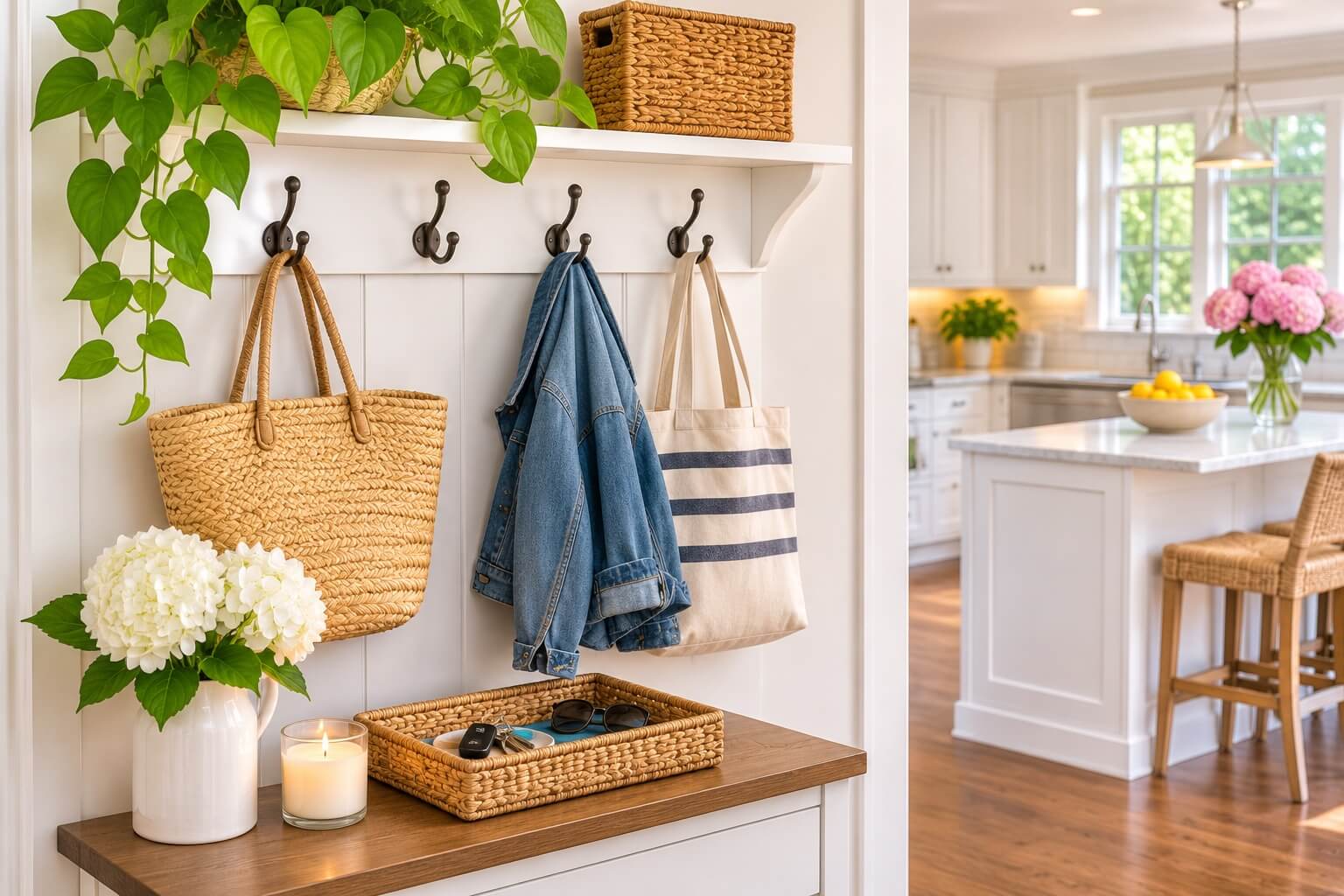
Everyone comes through the door carrying something, and most of it lands wherever gravity takes it. Give it somewhere better to land: sturdy hooks at kid height for coats and backpacks, a shoe rack or basket and a spot for the reusable shopping bags. No mudroom? A few hooks and a shoe tray make a big difference. Here are my entryway organizing tips.
Stop the Mail From Taking Over
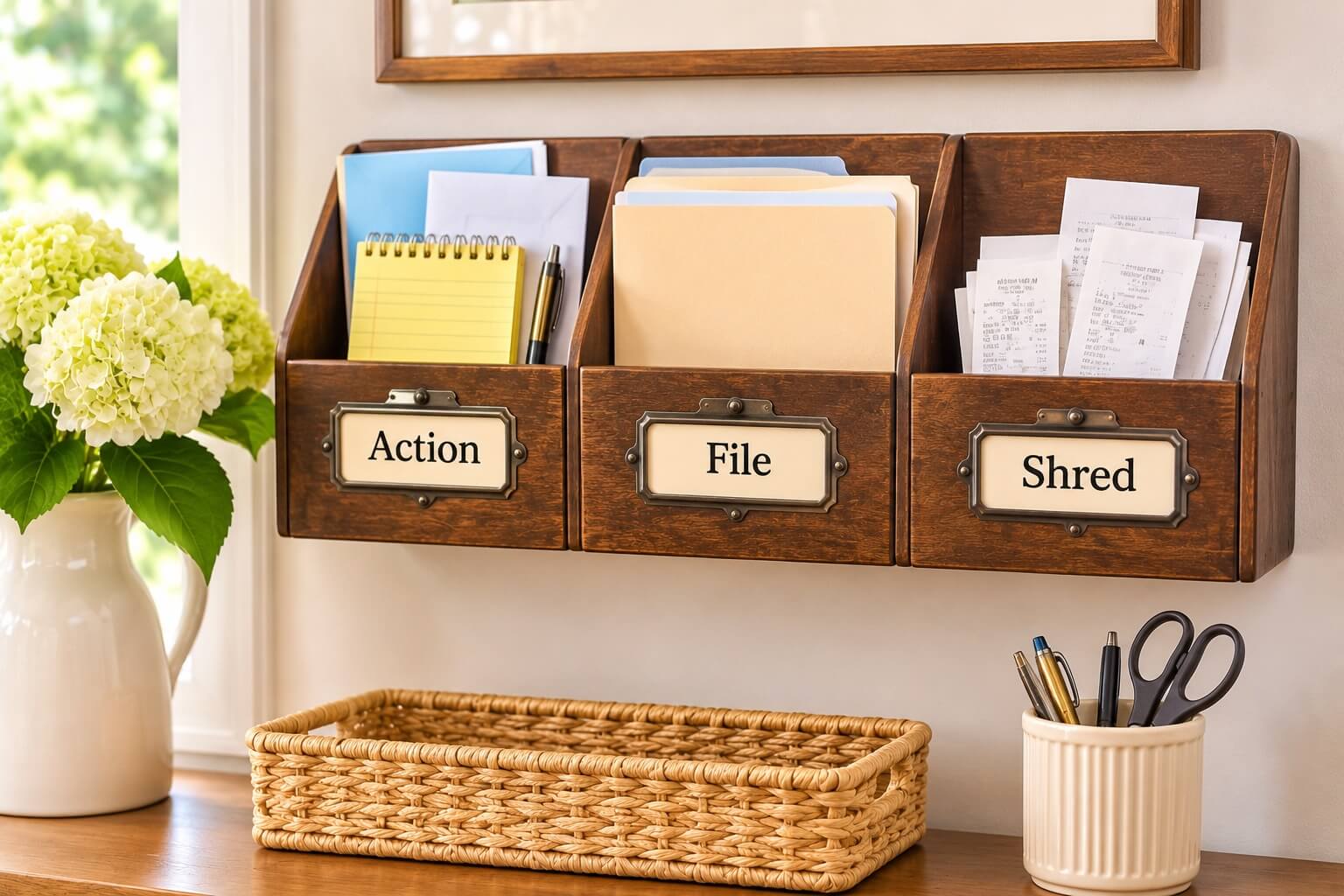
Mail multiplies when left unattended. One envelope becomes a stack. The stack becomes a pile. Eventually, the dining table is operating as an unofficial post office. Sort the mail every day, standing next to the recycling bin, into three spots:
- Action: Bills, forms and anything that needs an answer.
- File: Papers you need to keep.
- Recycle or shred: Everything else. Shred anything with account numbers or personal information.
Here's how to organize paperwork for good.
4. Clear the Kitchen Counters
Your kitchen counter has a job: giving you space to cook. Instead, it collects appliances, mail, shopping bags, school papers, water bottles and whatever someone was holding when they walked through the room. Look at everything on the counter and ask whether it needs to be there. The coffee maker you use daily can stay. The waffle iron you use twice a year goes in a cabinet. You don't need bare counters. You just need room to chop an onion.
5. Organize One Kitchen Drawer at a Time
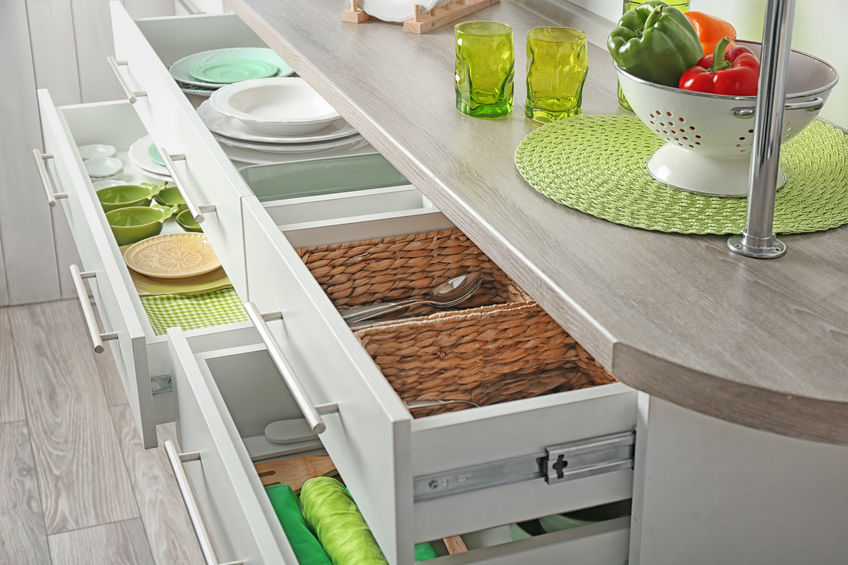
Kitchen drawers are full of things that have nothing in common except that they fit. Start with the drawer that drives you crazy. Empty it, group like with like and decide what belongs there. Then use drawer dividers or small containers to keep the groups apart. Measure before you buy, since you may already have containers that fit. And you're not obligated to keep seventeen takeout forks just because they came with dinner. Here are more kitchen organization ideas.
6. Make Bathroom Storage Easier to Use
Bathrooms are short on storage, so every inch counts. Toss the empties, the expired stuff and anything nobody uses. Then group what's left: dental care, hair accessories, shaving supplies, extra toiletries and first aid. Shallow bins and drawer dividers keep the little things from disappearing, and a basket for each person helps in a shared bathroom. Keep medicines and razors up high, away from little hands. Here are small bathroom organization ideas.
7. Give Cleaning Supplies One Spot
Cleaning goes faster when you can find the cleaner. Keep supplies together, up high or locked away from kids and pets, and keep a small caddy you can carry from room to room. If you have more than one bathroom, keep a basic kit in each. Never mix cleaning products.
8. Make Laundry Easier to Put Away
Laundry organization starts with where everyone drops their dirty clothes. Put a hamper where the clothes come off. Then make putting clean clothes away easy: drawers that aren't jammed full, and dividers for socks and underwear. Sometimes the answer is fewer clothes, not more storage. A dresser drawer that closes without a wrestling match is a small household luxury. Here's how to organize clothes.
9. Corral Living Room Clutter in Baskets
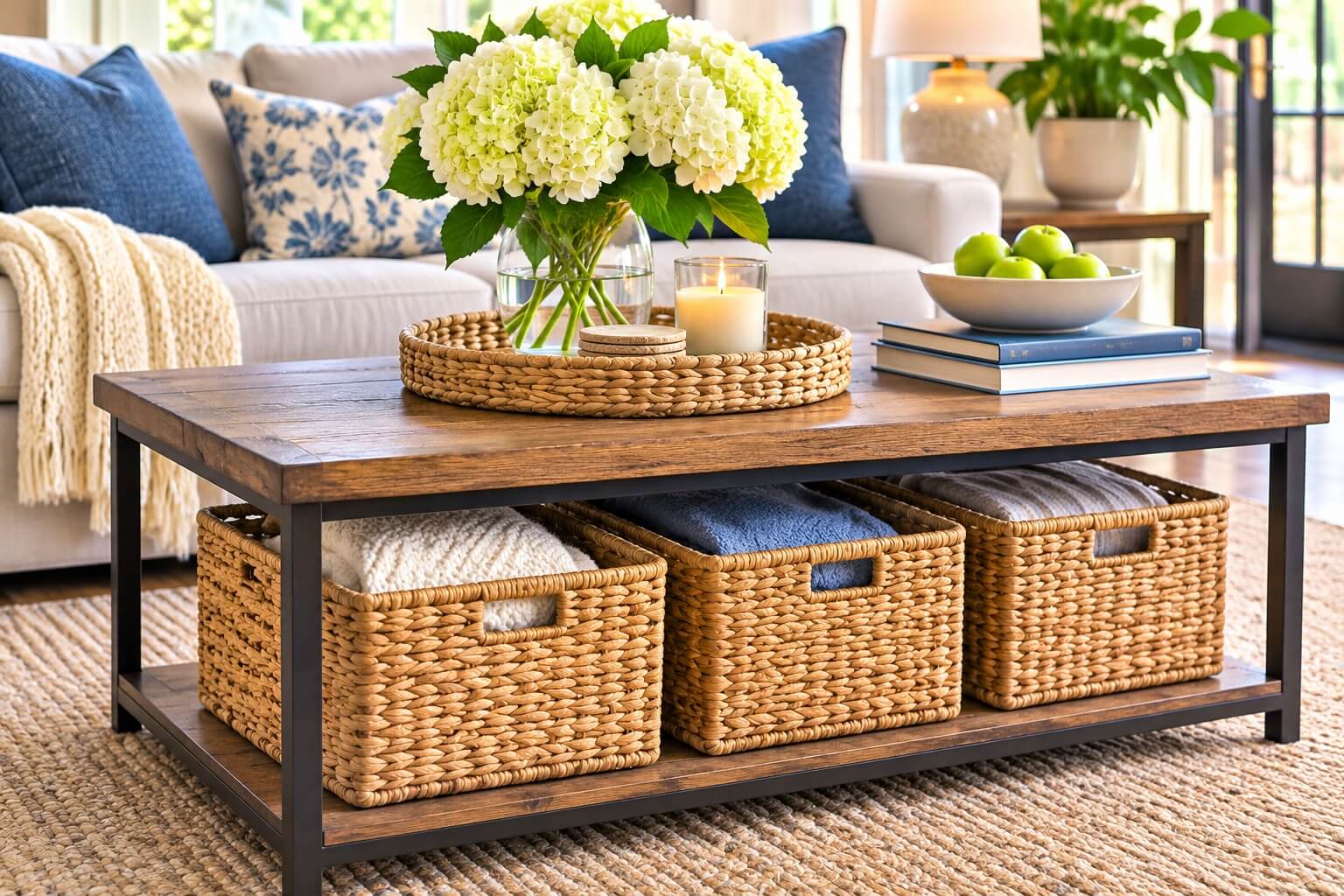
The living room is where people relax, read, watch TV, play games, do homework and occasionally leave enough belongings to stock a small department store. Give each kind of clutter a home: a basket for throw blankets, a tray for remotes, a bin for toys and a shelf for books and games. Store things where they're actually used. Here are living room organization ideas.
10. Make Everyone's Job Clear
No organizing system survives if one person puts away everyone else's stuff. Give everybody specific jobs. "Clean up your stuff" leaves plenty of room for interpretation. "Put your shoes on the rack and hang your backpack on its hook" doesn't. Little kids can put toys back in low, open bins. Older kids can handle backpacks, shoes and school supplies. Grown-ups handle their own things and the shared spaces. Here are daily chores for kids by age.
11. Make a Spot for Things Leaving the House

Not everything that comes into your house needs to stay. Keep a donation box in a closet, and when you find something clean, usable and unwanted, drop it in. Keep a second spot by the door for library books, borrowed things and returns. Then put the drop-off on your calendar, because a box labeled "Donate" is only helpful if it eventually leaves the house.
12. Do a Five-Minute Reset Every Night
Here's the simplest organizing habit of all. Spend five minutes every evening putting things back where they belong: shoes to the rack, clutter off the counter, remotes, books and toys back home. Get the whole family in on it.
This isn't the time to reorganize a closet. It's a quick reset that keeps today's small messes from becoming tomorrow's big project. Want a full daily routine? My book The Daily Home Reset shows you how to keep your home clean in 15 minutes a day.
When Organizing Isn't Enough
TOO MUCH STUFF?
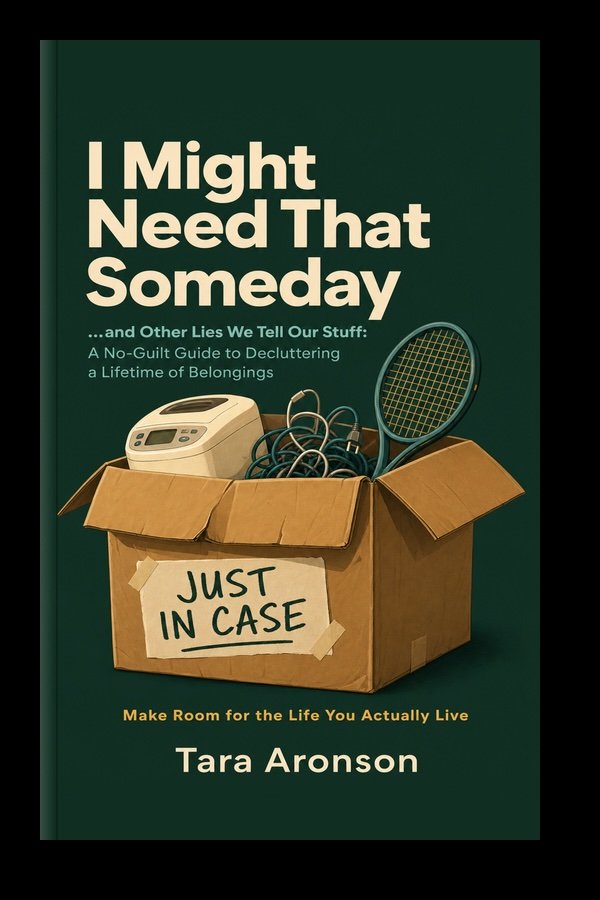
I Might Need That Someday …and Other Lies We Tell Our Stuff is a practical, no-guilt guide to decluttering a lifetime of belongings. No extreme minimalism. No weekend-long meltdowns. Just a realistic way to finally make room for the life you’re living now.
Get Your Copy on Amazon →Easy Household Organization: Quick Answers
Where do I start organizing my house?
With the one spot that frustrates you most every day, like the keys, the mail or the kitchen counter. Fix that, then move on to the next.
How do I keep my house organized with kids?
Give everything a home kids can reach, use open bins and hooks, give each person specific jobs and do a five-minute reset every night.
How do I stop mail from piling up?
Sort it every day next to the recycling bin, into three spots: action, file and recycle or shred.
Should I buy organizers before I declutter?
No. Declutter first, then measure what's left, then buy organizers that fit.
Keep Going
Get the whole house running smoothly with these related guides:
- How to Organize Your Home: A room-by-room guide.
- Getting Organized at Home: 9 easy steps to start.
- Creating an Organized Home: 8 simple steps that work.
- How to Declutter Your Home: Room by room, without losing it.
- Entryway Organizing Tips: Stop clutter at the front door.
- How to Organize Paperwork: Without the piles.
- Shop Baskets and Bins: Storage that actually works.
- I Might Need That Someday: My book on letting go of clutter.
- Clean Home
- Organize Your Home
- Easy Household Organization
Free Printable
Notes on Keeping House
Sign up and get my 15-Minute Daily Reset Checklist. One timer, five zones, and a house that stays under control.
Send My ChecklistNo spam, ever. Just smart, funny tips for keeping house from Tara Aronson.