How to Clean and Organize
Your Family Car
The family car has an identity problem.
Technically, it's transportation.
In practice, it's a dining room, waiting room, storage closet, changing room, school-bag repository, and mobile lost-and-found.
Add kids and the situation gets more interesting. Water bottles roll under seats. Sweatshirts migrate to the third row.
Snack crumbs reproduce in places no snack has ever officially been eaten. And somewhere beneath the passenger seat is a permission slip that was due Tuesday.
You don't need a spotless car.
You need a car that's clean enough to be comfortable, organized enough to find what you need, and prepared enough to handle the ordinary surprises of family life.
Here's how to get there.
Start by Decluttering the Car
Before you clean or organize anything, take out the excess stuff. Bring three containers or bags:
Trash — wrappers, receipts, empty bottles, and actual garbage.
House — jackets, toys, mail, sports equipment, and everything else that belongs somewhere inside your home.
Car — things that legitimately need to remain in the vehicle.
Start at the front and work your way to the back.
Check:
- Door pockets.
- Cup holders.
- Center console.
- Glove compartment.
- Under the seats.
- Seat-back pockets.
- Floor.
- Trunk or cargo area.
Don't organize yet.
First, determine what actually deserves permanent residency in the car. A vehicle has limited space. You don't need to use every inch of it for storage.
What Should You Keep in Your Car?
Useful everyday items might include:
- Tissues.
- A small supply of appropriate wipes.
- Reusable shopping bags.
- A phone charging cable.
- Small trash container or bag.
- Sunglasses.
- Basic emergency supplies.
Families with younger children may need additional items.
People who routinely drive in extreme heat, cold, or remote areas will have different needs.
The important distinction is between prepared and packed for every conceivable event since 2009.
Keep what you're reasonably likely to need. Remove the rest.
How to Clean the Inside of Your Car
Once you remove the clutter, cleaning gets much easier.
Work from top to bottom so you don't clean the floor and then knock dirt onto it.
A simple routine is:
- Remove trash and belongings.
- Take out floor mats.
- Dust the dashboard and other surfaces.
- Clean cup holders and storage compartments.
- Clean interior glass.
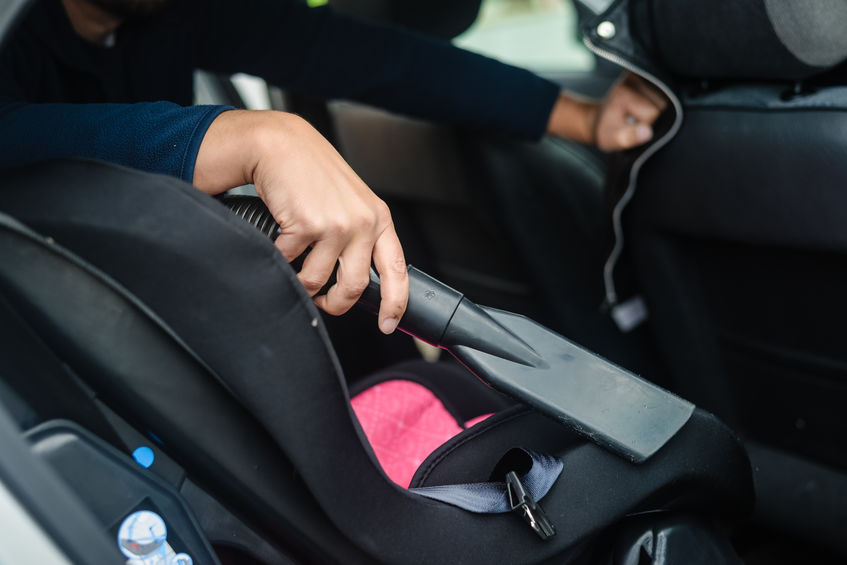
- Vacuum seats and floors.
- Clean spots or spills using methods appropriate for the upholstery.
- Clean floor mats.
- Return only the things that belong in the car.
Check your vehicle manufacturer's recommendations before applying cleaners to dashboards, screens, leather, specialty upholstery, or other interior surfaces.
More product isn't necessarily better. You want a clean dashboard, not one slippery enough to host competitive ice skating.
Clean Up Spills Quickly
Family cars and spills are closely related.
- Coffee.
- Juice.
- Milk.
- Water.
Something sticky from a snack nobody remembers buying.
Deal with spills as soon as practical.
Blot liquid rather than grinding it deeper into upholstery. Use a cleaning method appropriate for the material and test products where necessary.
Food and drink residue becomes harder to remove—and much less pleasant—when left in a warm car.
If something spills, today's inconvenience is usually easier than next week's smell.
Don't Forget the Car Seats
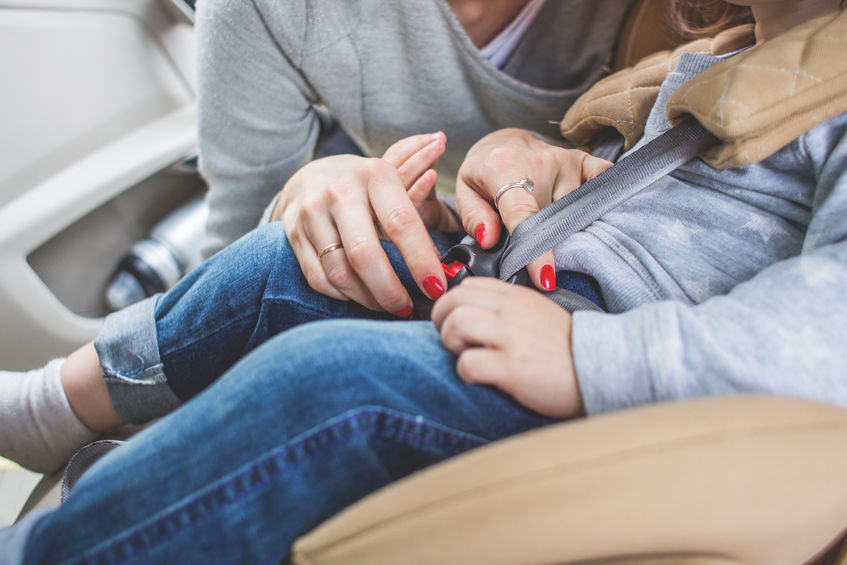
Children's car seats can collect an astonishing amount of debris. But don't improvise when cleaning them. Follow the car-seat manufacturer's cleaning instructions carefully.
Harnesses, straps, padding, and covers may have specific cleaning restrictions, and inappropriate cleaning methods can affect safety.
Remove crumbs and debris only in ways the manufacturer permits.
And resist the understandable urge to attack a sticky harness with whatever strong cleaner happens to be nearby.
With safety equipment, follow the instructions.
How to Organize Your Car
Once the car is clean, assign specific homes to the things you're keeping.
The best car organization system is simple enough for everyone to use.
Front Seat Area
Keep only frequently needed driving items within easy reach.
Avoid loose objects that can roll around, interfere with driving, or become dangerous during sudden stops.
Glove Compartment
Use the glove compartment for important documents and small essentials, not as a filing cabinet for every oil-change receipt you've ever received.
Periodically clear out obsolete paperwork.
Center Console
This is prime real estate.
Reserve it for small things you actually use, rather than letting it become the car's junk drawer.
Back Seat
If children regularly ride in the back, give frequently used items a designated place.
Don't overload seat organizers with heavy or unnecessary items.
Trunk or Cargo Area
Group necessary supplies so they don't roll around.
Keep frequently used items accessible rather than burying them beneath everything else.And periodically remove the things that arrived in the trunk "temporarily."
Temporary storage has a suspicious tendency to become permanent.
Create a Simple Car Trash System
A small trash container or bag can prevent an impressive amount of car clutter.
The important part isn't the container. It's emptying it.
Choose a regular trigger:
- Every time you buy gas.
- Every Friday.
- When you bring groceries inside.
- Whenever the container is full.
Teach kids to use it too. A wrapper doesn't become invisible simply because it's pushed into the door pocket.
The Five-Minute Car Reset
You don't need to deep-clean the car every week. A quick reset can prevent most of the buildup.
Once a week:
- Remove trash.
- Bring belongings back into the house.
- Empty unnecessary cups and bottles.
- Straighten the trunk.
- Shake out or inspect floor mats.
- Wipe obvious spills.
- Restock essentials if needed.
Five minutes won't detail the car.
It will keep the car from reaching the point where detailing seems like your only hope.
Car Cleaning Chores for Kids
Kids help create car clutter, so they can help clean it up.
Age-appropriate car chores may include:
- Carrying their belongings inside.
- Throwing away their trash.
- Gathering toys and books.
- Helping shake out appropriate floor mats.
- Wiping safe surfaces with appropriate materials.
- Helping organize their own travel items.
Older children can take on more responsibility when appropriate. The easiest rule is also one of the most effective:
When you leave the car, take something with you. Preferably something that belongs to you.
Create a Car Emergency Kit
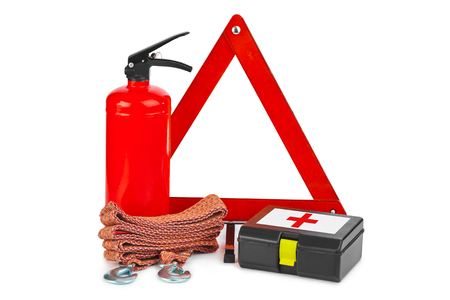
A family car should have basic emergency supplies.
What belongs in yours depends on where you live, the weather, and the kind of driving you do.
Consider appropriate essentials for situations such as:
- Minor injuries.
- Vehicle trouble.
• Unexpected delays.
• Weather.
• Dead phone batteries.
• Getting temporarily stranded.
Check emergency supplies periodically.
Replace expired items and adjust the kit seasonally when necessary.
Don't create an enormous kit that takes over the entire trunk and then assume you're prepared because somewhere underneath it all there might be a flashlight.
Keep useful emergency supplies accessible.
The Car First Aid Kit
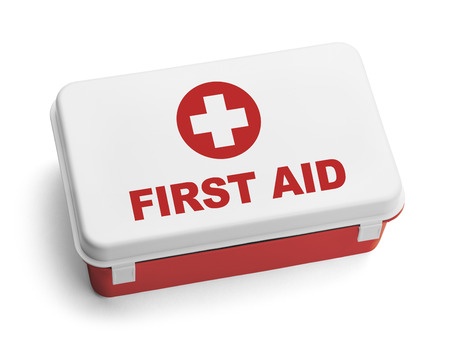
A basic first-aid kit can help with minor everyday injuries. Choose a commercially prepared kit or assemble one based on appropriate first-aid guidance.
Check it periodically for:
- Used supplies.
- Damaged packaging.
- Expired items.
- Anything affected by storage conditions.
Remember, cars can get extremely hot or cold. Not every medical product is suitable for indefinite storage in a vehicle.
Car First Aid Kit: The Essentials →
Car Survival Kits for Kids
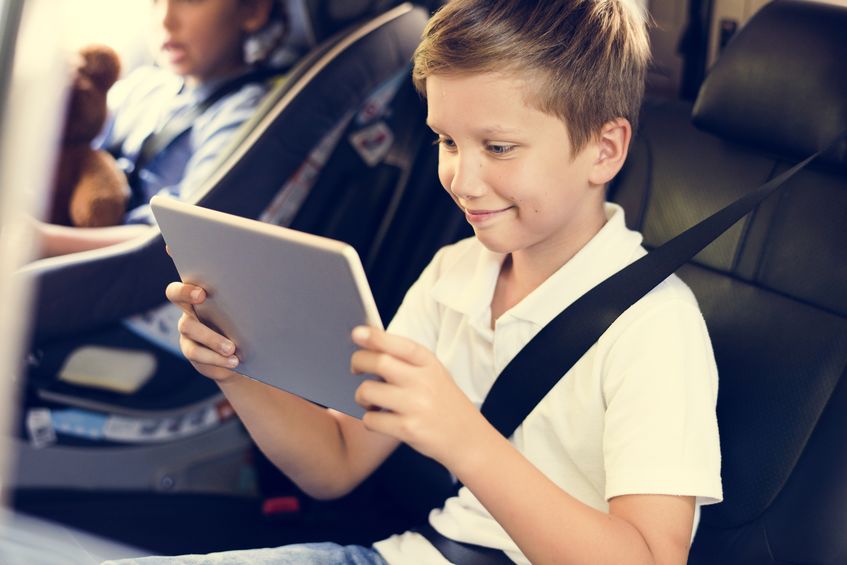
A children's car kit isn't really about survival.
It's about preventing the thirty-minute drive from feeling like an international expedition.
Depending on your children's ages, you might keep a small selection of:
- Books.
- Travel games.
- Drawing materials appropriate for car use.
- Other compact activities.
Rotate rather than continually adding.
If the back seat requires its own inventory-management software, you've gone too far.
Car Survival Kits for Families →
Family Rules for the Car
A few consistent rules make family driving considerably easier.
Your rules might include:
- Seat belts stay fastened appropriately.
- Everyone keeps hands and belongings to themselves.
- Trash goes into the trash container.
- Personal belongings leave the car when their owners do.
- The driver isn't distracted unnecessarily.
- Food rules are followed.
- Kids use appropriate voices and behavior.
Keep the list short. The objective is a safer, calmer car—not establishing a mobile legal code.
Dashboard Dining: Yes or No?
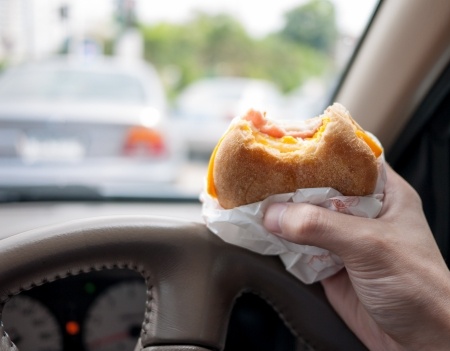
Families tend to fall into two camps: Absolutely not.
And: Of course—we'd starve otherwise.
There isn't one answer for every household.
Eating in the car can save time during busy schedules, but it also creates crumbs, spills, odors, and additional distractions.
If you allow food, set limits that make sense for your family.
Choose foods appropriate for the circumstances, remove trash promptly, and clean spills quickly.
And remember that food choices for children in moving vehicles also involve choking and safety considerations, particularly for younger children.
Dashboard Dining: Yes or No? →
Carpool Survival Tips

Carpools can save enormous amounts of time.
They can also introduce several children, several schedules, and several interpretations of "I'll be ready at 3:15" into one vehicle.
Set expectations early. Agree on:
- Pickup locations.
- Pickup times.
- Communication when plans change.
- Seat and safety requirements.
- Behavior expectations.
- What happens when someone is late.
The most useful carpool rule may be the simplest:
Don't make an entire carload wait because one person hasn't found a shoe.
Family Road Trip Survival Guide
A road trip is different from ordinary family driving. You're not merely transporting people.
You're asking them to coexist in a confined space for several hours while repeatedly asking when you'll arrive.
Preparation helps. Before leaving:
- Clean unnecessary clutter from the car.
- Check appropriate vehicle basics.
- Pack emergency essentials.
- Plan reasonable stops.
- Bring activities.
- Charge necessary devices.
- Keep important items accessible.
- Avoid packing the passenger compartment so tightly that nobody can move.
Then accept one reality:
No amount of preparation guarantees nobody will ask, "Are we there yet?"
That's not a planning failure. That's a road trip.
Master Motion Sickness
Motion sickness can turn an otherwise pleasant drive into a memorable family event for all the wrong reasons.
If someone in your family is prone to it, plan ahead.
Effective strategies vary by person and age. If motion sickness is frequent or severe, discuss appropriate prevention or treatment with a healthcare professional rather than guessing about medications.
And regardless of your prevention strategy, having cleanup supplies accessible is a great idea. Not buried underneath six suitcases.
Accessible.
Tips for Mastering Motion Sickness →
Traveling with Pets
Pets add another layer of planning to car travel.
Before a longer trip, consider:
- Safe restraint or containment.
- Water.
- Food.
- Waste supplies.
- Identification.
- Essential medications.
- Planned breaks.
- Temperature.
Never leave an animal unattended in a vehicle when temperatures could become unsafe.
Keep pet supplies together so you can reach them when needed.
Car Seat Safety
Car seats aren't the place for improvisation.
Use a child restraint appropriate for the child's age, size, and applicable requirements, and follow the instructions from both the car-seat manufacturer and vehicle manufacturer.
Installation, harness position, and when a child moves from one restraint stage to another are safety decisions—not merely matters of convenience.
Because recommendations and requirements can change, use current authoritative guidance when choosing a car seat.
Keep Your Car Ready for Real Life
The objective isn't a car that looks as though nobody has ever sat in it.
It's a car that works.
You should be able to get in without moving yesterday's belongings.
You should know where the first aid kit is.
The trunk shouldn't contain six months of decisions you haven't made.
Kids should have a place for the few things they genuinely need.
And when somebody spills something, you should have a reasonable chance of dealing with it before it becomes part of the upholstery.
Declutter first.
Clean what remains.
Give necessary items a home.
Do a quick reset regularly.
Then use the car for what it's actually for: Going somewhere.
Explore Family Car Guides
Car First Aid Kit: The Essentials →
Tips for Mastering Motion Sickness →
- Clean Home
- Car