20 Car Safety Rules for Kids Every Parent Should Teach
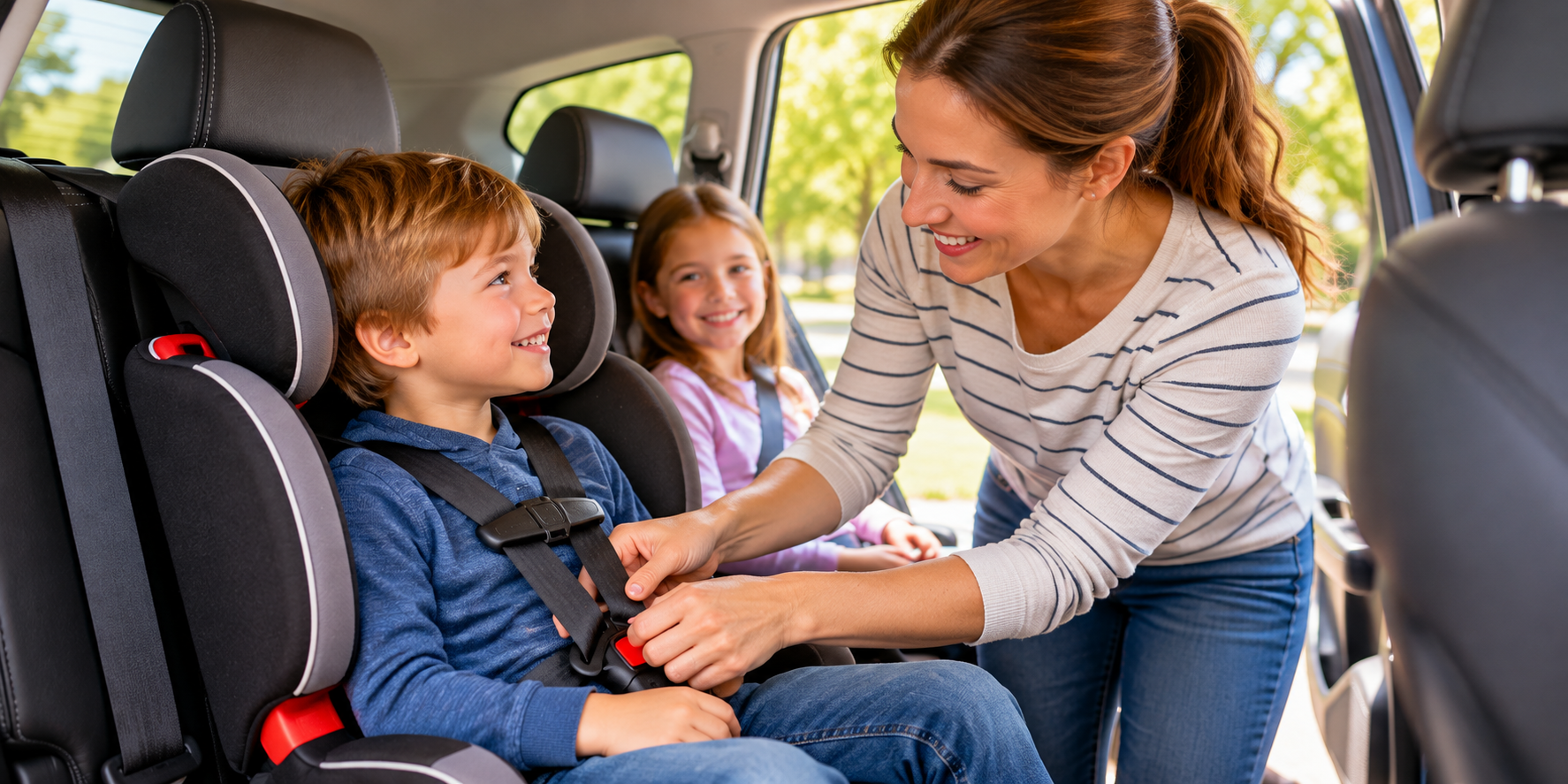
Family car rides can be wonderful. You pile everyone into the car, head out for an adventure, and imagine a pleasant drive filled with cheerful conversation and maybe a little music.
Then someone starts kicking the back of your seat. Someone else can't find their water bottle. And from somewhere in the back comes the familiar announcement: "He's touching me!"
It's enough to make you reconsider the adventure entirely.
But while a peaceful ride is certainly nice, the most important car rules for kids are about safety—not silence.
Children need to understand how to enter and exit vehicles safely, why seat belts and car seats matter, and which behaviors can distract the driver.
The good news is that you don't need a complicated rulebook. You just need clear expectations, age-appropriate explanations, and consistent reminders.
Here are 20 car safety rules every family should teach and practice.
1. Always Buckle Up Before the Car Moves
This is the most important rule. Everyone must be properly restrained on every trip. That includes quick drives to school, the grocery store, or a friend's house.
Children should use the appropriate car seat, booster seat, or seat belt for their age, height, weight, and development.
The correct restraint depends on the child's size, the manufacturer's instructions, and applicable state law.
Make buckling up part of your family's routine. The car doesn't move until everyone is properly secured.
No exceptions because you're running late. And no exceptions because the destination is "just around the corner."
2. Use the Right Car Seat or Booster Seat
Children aren't simply smaller adults. Vehicle seat belts are designed primarily for adult-sized occupants.
That's why younger children need properly selected and installed car seats or booster seats. Follow the car seat manufacturer's height and weight limits.
General best practices include:
- Keep children rear-facing as long as their car seat allows.
- Use a forward-facing car seat with a harness after outgrowing rear-facing limits.
- Use a booster seat after outgrowing the forward-facing harness, until the vehicle seat belt fits properly.
- Continue using a properly fitted seat belt after the booster is no longer needed.
Don't move a child to the next stage simply because they're getting older or their friends have already switched. The right fit matters more than the birthday.
For detailed guidance, visit the National Highway Traffic Safety Administration at https://www.nhtsa.gov/vehicle-safety/car-seats-and-booster-seats.
3. Kids Belong in the Back Seat
Children younger than 13 should ride in the back seat. The back seat is generally the safest place for them. Never place a rear-facing car seat in front of an active passenger airbag.
Airbags are designed to protect occupants in certain crashes, but they can seriously injure children who are too close to them.
Teach children that sitting in the front seat isn't a prize they earn by begging, bargaining, or announcing that they're practically teenagers. Safety comes first.
4. Sit Properly Throughout the Ride
Once children are buckled in, they need to stay properly positioned.
That means:
- Sitting upright
- Keeping their back against the seat
- Leaving the seat belt correctly positioned
- Keeping the shoulder belt across the chest
- Keeping the lap belt low across the hips and upper thighs
- Not putting the shoulder belt behind their back or under their arm
Children in car seats should remain positioned according to the seat manufacturer's instructions.
Remind kids that seat belts only work as intended when they're worn correctly. A seat belt tucked under an arm because it's "annoying" isn't an acceptable compromise.
5. Never Unbuckle While the Car Is Moving
Children sometimes unbuckle because they've dropped something, want to change seats, or think the ride is almost over. Make the rule clear:
Stay buckled until the driver says it's safe to unbuckle.
If a child needs help, the driver should find a safe place to stop before addressing the problem. Don't reach backward while driving to adjust a seat belt or retrieve an item.
The car needs your attention. The missing stuffed animal can wait.
6. Keep Hands, Arms, and Heads Inside the Car
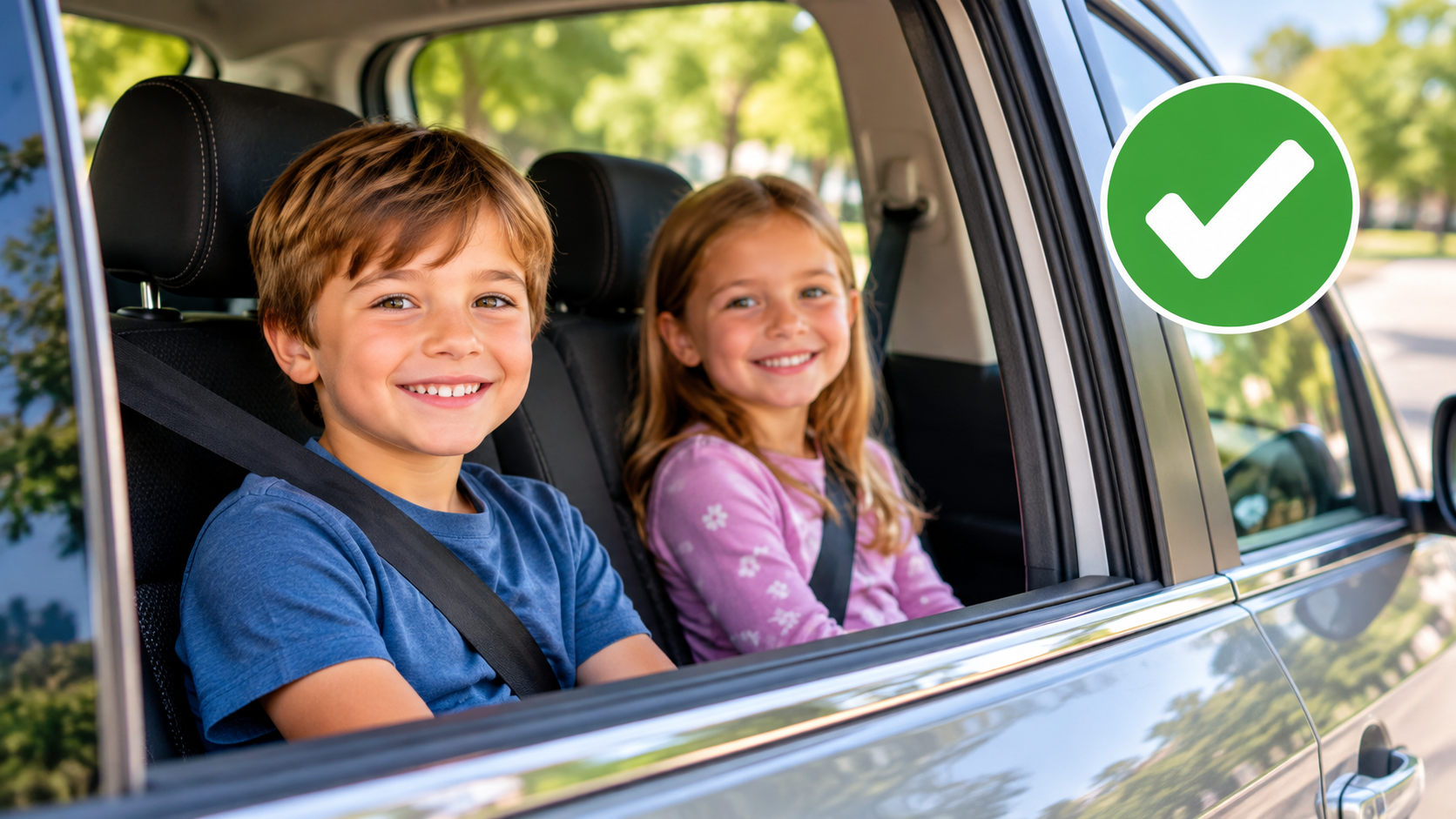
Children should never stick their hands, arms, heads, or other body parts outside an open window. They also shouldn't lean out of a sunroof.
Explain that passing vehicles, roadside objects, and unexpected movements can cause serious injuries. If windows are open, children should remain seated and properly restrained.
And while hanging an arm out the window may look wonderfully carefree in the movies, it's not a habit worth encouraging.
7. Never Distract the Driver
Driving requires attention. Children need to understand that certain behaviors can create dangerous distractions.
These include:
- Screaming unnecessarily
- Throwing objects
- Fighting
- Grabbing the driver
- Repeatedly demanding attention
- Interfering with vehicle controls
Teach kids that emergencies are different. They should always speak up if someone is hurt, feels unsafe, or notices a serious problem.
But arguments over who got the bigger snack can wait until the car is parked.
8. Use Indoor Voices
You don't need complete silence in the car. Conversation, music, and laughter are part of family life. But children should understand the difference between normal talking and shouting.
Set a simple expectation:
"We use voices that let the driver concentrate."
This works especially well when you explain why the rule exists. The driver needs to hear traffic sounds, navigation instructions, and other important information.
And preferably not a full-volume argument about who breathed on whom.
9. Keep Your Hands to Yourself
This rule deserves a permanent place on the family car list.
No hitting. No pinching. No pushing. No pulling hair. No kicking another passenger. And no reaching across the seat to annoy a sibling.
Children should keep their hands, feet, and belongings in their own space. If arguments begin, remind everyone of the rule.
If the situation becomes unsafe, stop in an appropriate location before addressing it. The driver should never attempt to referee a backseat wrestling match while navigating traffic.
10. Keep Objects From Flying Around the Car
Loose objects can become dangerous during sudden braking or a crash. Keep heavy or sharp items secured. Use appropriate cargo storage areas, compartments, or restraints.
For entertainment, choose items appropriate for the child's age and the car seat manufacturer's guidance.
Avoid hard, heavy objects that could become projectiles. And remind children that a toy thrown from the back seat is not an acceptable way to get your attention.
11. Ask Before Opening a Door
Children should never open a car door without permission. Teach them to wait until the vehicle is completely stopped and an adult confirms that it's safe.
Before opening a door, check for:
- Passing cars
- Cyclists
- Pedestrians
- Other obstacles
Where appropriate, use child safety door locks. And teach children not to play with door handles while the vehicle is moving.
The fact that a button exists does not mean it needs to be pressed.
12. Get In and Out of the Car on the Safest Side
Whenever practical, children should enter and exit on the sidewalk or curb side rather than into moving traffic. An adult should supervise younger children.
In parking lots, teach children to stay close and hold an adult's hand. Don't let children run ahead between parked cars.
Drivers may have difficulty seeing small children. And parking lots deserve just as much attention as busy streets.
13. Never Play Around Parked Cars
Children should never play behind, underneath, or around parked vehicles. Drivers may not see them. Teach kids to stay away from driveways and vehicle blind spots.
Before moving a vehicle, drivers should check the surrounding area and ensure children are accounted for.
Backup cameras and other technology can help, but they don't replace careful observation. Make it a household rule that driveways are for vehicles—not games.
14. Never Stay Alone in a Parked Car
Children should never be left unattended in a vehicle. Even on mild days, the temperature inside a parked car can rise dangerously quickly. Opening a window slightly doesn't make it safe.
Teach children that cars are not places to hide or play. Keep vehicles locked when unattended and store keys where children cannot access them.
If a child becomes trapped inside a vehicle, they should know to make noise, sound the horn if possible, and seek help.
For parents, develop a consistent routine to check the back seat before leaving the vehicle.
A child should never be left alone in a car, even for a quick errand.
15. Don't Play With Vehicle Controls
Cars contain plenty of fascinating buttons and switches. Unfortunately, some of them control things children shouldn't operate.
Teach kids not to touch:
- Gear selectors
- Parking brakes
- Ignition controls
- Door locks without permission
- Window switches without permission
- Other driving controls
Use appropriate child safety features. Never leave vehicle keys accessible to young children.
And explain that the driver's area is not a playground. No matter how impressive the dashboard looks.
16. Keep Food and Drinks Safe
Snacks can make longer car rides easier. But eating in a moving vehicle can create choking risks, particularly for young children.
Follow age-appropriate feeding guidance. Avoid foods that present choking hazards.
Young children should be supervised while eating, and it's safer to stop the vehicle for meals and snacks when possible.
For drinks, use suitable containers that won't spill easily. And remind everyone that food wrappers belong in a trash bag.
Not tucked into the door pocket to be discovered sometime next spring.
17. Keep the Car Reasonably Tidy
A clean car isn't just more pleasant. It can also help reduce distractions and keep important areas clear.
Teach children to:
- Take trash out after rides
- Keep belongings off the floor near the driver's pedals
- Put toys in designated storage areas
- Avoid blocking windows
- Keep seat belts accessible
- Leave emergency supplies alone unless needed
Don't allow clutter to interfere with seat belt buckles, car seat installation, or vehicle controls.
You don't need a spotless car. But you should be able to find the seat belt without excavating a mountain of snack wrappers.
18. Know What to Do if Something Feels Wrong
Children should know they can speak up about safety concerns. Teach them to tell the driver if:
- Their seat belt comes loose
- Their car seat feels improperly secured
- A door appears open
- Someone is hurt
- They feel sick
- They notice smoke or another serious danger
They should understand the difference between an urgent safety concern and an ordinary request. A loose seat belt needs immediate attention.
A dropped crayon can wait until the driver stops.
19. Practice Safe Behavior During Emergencies
Children don't need frightening details about every possible emergency. But they should know a few basics.
Explain that if the car breaks down or there's an accident:
- They should stay calm and listen to the responsible adult.
- They should remain properly restrained unless directed to exit.
- They should never run into traffic.
- They should move away from the roadway when safely instructed.
- They should ask for help if an adult is injured or unresponsive.
For older children, explain how to call 911 in the United States and provide useful location information.
Practice simple instructions occasionally. The goal is confidence, not fear.
20. Follow the Same Rules in Every Car
Children may ride with grandparents, relatives, babysitters, or friends' parents. The safety rules shouldn't change.
Teach kids that they must:
- Use the appropriate restraint
- Stay buckled
- Sit properly
- Avoid distracting the driver
- Follow safe entry and exit procedures
- Speak up if something is unsafe
Make sure any adult transporting your child has the correct car seat or booster seat and knows how to use it properly.
And encourage your child to tell you if they were transported without an appropriate restraint. Safety rules aren't optional simply because someone else is driving.
10 Simple Car Rules Kids Can Remember
For younger children, keep the rules short and easy to repeat.
- Buckle up every time.
- Stay in your seat.
- Keep your seat belt on.
- Use a calm voice.
- Keep your hands to yourself.
- Don't throw things.
- Keep your body inside the car.
- Ask before opening a door.
- Stay close to an adult in parking lots.
- Listen to the driver and speak up about danger.
You can review these rules before family trips.
For younger children, practicing just a few at a time may be more effective than delivering all ten as a lecture.
Especially when they're already wearing their shoes and waiting by the door.
Family Car Safety Checklist
Use this quick checklist before heading out.
Before Driving
- Every child is in the appropriate restraint.
- Car seats and boosters are used correctly.
- Seat belts are properly positioned.
- Children younger than 13 are in the back seat.
- Doors are closed and secured.
- Loose objects are secured.
- The driver has clear visibility.
- Children understand the ride's basic rules.
During the Ride
- Everyone remains buckled.
- Children stay seated properly.
- No throwing, hitting, or kicking.
- The driver can concentrate.
- Safety concerns are reported promptly.
When Arriving
- The vehicle is safely parked.
- An adult confirms it's safe to exit.
- Children leave on the safest available side.
- Younger children remain supervised.
- The driver checks that no child is left inside.
- Trash and loose belongings are collected.
Frequently Asked Questions
What Are the Most Important Car Safety Rules for Kids?
The most important rules are using the correct car seat or seat belt, remaining properly restrained, riding in the back seat when younger than 13, avoiding driver distractions, and entering and exiting vehicles safely.
When Can a Child Stop Using a Booster Seat?
A child can stop using a booster when the vehicle seat belt fits properly without it, consistent with applicable law. The lap belt should lie low across the upper thighs, the shoulder belt across the chest and shoulder, and the child should be able to sit correctly for the entire ride. Many children need a booster until approximately 4 feet 9 inches tall, often between ages 8 and 12, but individual fit matters.
At What Age Can Kids Sit in the Front Seat?
Safety guidance recommends that children younger than 13 ride in the back seat. Local laws may establish additional requirements.
How Can I Stop My Kids From Fighting in the Car?
Set clear rules before driving, arrange seating to reduce predictable conflicts, provide appropriate activities, and use calm reminders. If behavior becomes dangerous, stop safely before addressing it.
Should Children Eat in the Car?
Eating in a moving vehicle can increase choking concerns, particularly for young children. When possible, stop for meals and snacks, and follow age-appropriate choking prevention guidance.
What Should a Child Do if Their Seat Belt Comes Loose?
They should tell the driver immediately. The driver should stop in a safe location and correct the problem before continuing.
The Bottom Line: Safe Kids Make Better Passengers
Family car rides don't have to be silent, perfectly organized, or free of the occasional sibling disagreement.
But they do need to be safe.
Teach children to buckle up correctly, remain seated, respect other passengers, and avoid distracting the driver.
Practice safe behavior in parking lots and around parked vehicles. And make sure everyone understands that car safety rules apply on every trip.
The goal isn't to raise children who never make a sound in the back seat. It's to raise children who understand how their behavior affects everyone's safety.
If you also manage to get through an entire drive without hearing "He's looking at me," consider that a delightful bonus.
Keep Going
Make family outings safer and a little less chaotic with these related guides:
- Carpool Rules for Kids: Teach children how to behave safely when riding with other families.
- Carpool Survival Tips for Drivers: Make school and activity carpools more manageable.
- Home Safety Tips: Practical ways to protect children throughout the house.
- Pool Safety Rules for Kids: Essential rules for safer swimming and poolside behavior.
- Family Living Tips: Everyday ideas for making family life run more smoothly.
- Car Organization Tips: Keep your vehicle tidy and essentials easy to find.
- Clean Home
- Car
- Car Rules For Kids
Free 15-Minute Daily Reset Checklist
Get Notes on Keeping House
Fifteen minutes a day. No weekend cleaning marathons. No guilt. Sign up for my newsletter and I'll send you the printable checklist that makes it happen.
Send My ChecklistNo spam, ever. Unsubscribe anytime.
Free Printable
Notes on Keeping House
Sign up and get my 15-Minute Daily Reset Checklist. One timer, five zones, and a house that stays under control.
Send My ChecklistNo spam, ever. Just smart, funny tips for keeping house from Tara Aronson.