Car Insurance for Families: Do You Have Enough Coverage?
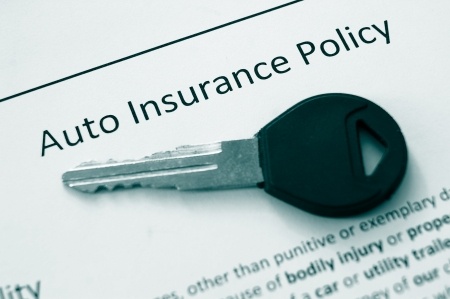
If you have kids, your car is basically a second home. A loud, crumb-filled second home that hauls soccer teams, birthday party guests, carpool kids and, on field trip day, half the third grade.
Yes, I know, you're a good driver. But what about the guy who runs the red light while texting, and has no insurance? When the people in your car get hurt, someone has to pay the hospital bills. And if your coverage falls short, that someone could be you, out of the kids' college fund.
That's why car insurance for families deserves a closer look than "whatever's cheapest." Here's what each type of coverage does, in plain English, and what to think about when you're driving other people's kids around.
This page is general information, not financial or legal advice. Insurance requirements and options vary by state, so check with your insurance agent or your state's insurance department about your situation.
The short version:
- Your state's minimum coverage is a floor, not a recommendation.
- Liability coverage protects you when you cause an accident.
- Uninsured motorist coverage protects your family when someone else does.
- If you drive other people's kids, make sure your limits reflect that.
- Shop around, and always ask about discounts.
Car Insurance Coverage Types, Explained
Insurance policies come with more jargon than a teenager's group chat. Here's what the main types of coverage actually do:
- Liability coverage. Required in nearly every state. It pays for injuries (bodily injury liability) and damage to other people's cars and property (property damage liability) when an accident is your fault. It does not pay for your own car or your own injuries.
- Collision coverage. Pays to repair or replace your car after an accident, no matter who's at fault, minus your deductible.
- Comprehensive coverage. Pays for damage to your car from things other than a collision: theft, fire, flood, hail, a falling tree branch or an unfortunate run-in with a deer. (Belongings stolen from inside the car are usually covered by your homeowners or renters insurance, not your auto policy.)
- Uninsured/underinsured motorist coverage. Pays for injuries to you and your passengers when the at-fault driver has no insurance, or not enough. Depending on your policy and state, it may also cover you and your family as pedestrians.
- Medical payments (MedPay) or personal injury protection (PIP). Helps pay medical bills for you and your passengers, no matter who caused the accident. PIP is required in some states.
- Roadside assistance. Covers towing, jump-starts, lockouts and flat tires. If you don't already have it through an auto club, ask about adding it to your policy.
- Rental reimbursement. Pays for a rental car while yours is in the shop, which is very handy when you have three kids and two schools to get to.
Why State Minimums Usually Aren't Enough
Every state sets a minimum amount of liability coverage. The catch? Those minimums are often low, sometimes much lower than the cost of a serious accident with injuries.
If you cause an accident and the bills exceed your coverage, you can be held personally responsible for the rest. That's why many families choose liability limits well above the state minimum, especially if they own a home or have savings to protect. Your agent can help you figure out how much makes sense for you.
For even more protection, ask about an umbrella policy, which adds an extra layer of liability coverage on top of your auto and homeowners policies.
Driving Other People's Kids: Carpools and Field Trips
If you're part of a carpool or volunteer to drive on school field trips, you're responsible for other people's children. A few things to check:
- Your liability limits. More passengers means more potential injuries in a serious accident.
- Your uninsured motorist and medical payments coverage, which help protect the kids in your car if someone else causes a crash.
- The school's requirements. Many schools require volunteer drivers to carry certain minimum coverage. Ask before field trip day.
- Paid driving. If anyone pays you to drive (beyond chipping in for gas), call your insurer. Personal auto policies often don't cover driving for pay.
- Car seats. Ask whether your policy covers replacing children's car seats after an accident. Many car seat makers recommend replacing a seat after a crash.
Adding a Teen Driver
The day your teenager gets a driver's license is thrilling, terrifying and, for your insurance bill, expensive. A few ways to soften the blow:
- Add your teen to your policy rather than buying a separate one; it's usually cheaper.
- Ask about a good student discount. Many insurers offer one for students with a B average or better.
- Ask about driver's ed and safe-driving programs, including apps that track driving habits.
- Choose a safe, sensible car. A practical sedan costs less to insure than a sports car. (Your teen will disagree. You're right anyway.)
How to Choose a Car Insurance Policy
- Compare quotes. Insurers can charge very different prices for the same coverage, so get several quotes before you decide.
- Look beyond the price. A cheap policy is no bargain if the company takes forever to pay a claim. Check the insurer's reputation for claims service and its financial strength ratings.
- Ask for discounts. Insurers don't always volunteer them. Ask about bundling home and auto, safe-driver, good student, low-mileage, anti-theft and defensive-driving discounts.
- Pick a deductible you can actually pay. A higher deductible lowers your premium, but make sure you could cover it if you had to file a claim tomorrow.
- Review your policy every year, and whenever life changes: a new driver, a new car, a move or a paid-off loan.
For a deeper dive into choosing limits, here's a guide to how much car insurance you need.
Car Insurance FAQs
How much car insurance do I need? At least your state's minimum, but many families choose higher liability limits to protect their homes and savings. An insurance agent can help you choose limits that fit your situation.
What's the difference between collision and comprehensive coverage? Collision covers damage to your car from an accident. Comprehensive covers damage from other things, like theft, fire, hail or hitting an animal.
Does my insurance cover other people's kids in my car? Your liability, medical payments and uninsured motorist coverage can help pay for passengers' injuries, depending on your policy and state. Check your limits if you drive carpools or field trips.
How can I lower my car insurance premium? Compare quotes, bundle policies, ask about discounts, raise your deductible if you can afford it, and keep a clean driving record.
Can You Find Your Insurance Policy Right Now?
If the answer involves a junk drawer, a stack of mail and a prayer, my book Room by Room can help you clear the paperwork clutter and finally find what you need when you need it.
Keep Going
Keep your family car (and your family) running smoothly with these related guides:
• How to Clean and Organize Your Car: A Family Guide: Tame the crumbs, wrappers and backseat chaos.
• Carpool Survival Tips for Drivers: Keep carpool day calm and organized.
• 5 Family Road Trip Games: Make the miles fly by.
• Tips for School Mornings: Get everyone out the door on time.
• Family Life: Routines, Chores & an Organized Home: Simple ways to make family life run smoother.
• Safe at Home: Keep your family safe from household hazards.
• Home Maintenance Guide: Seasonal upkeep that saves money and headaches.
• How to Save Energy at Home: Easy ways to cut your bills.
- Clean Home
- Car
- Car Insurance
Free 15-Minute Daily Reset Checklist
Get Notes on Keeping House
Fifteen minutes a day. No weekend cleaning marathons. No guilt. Sign up for my newsletter and I'll send you the printable checklist that makes it happen.
Send My ChecklistNo spam, ever. Unsubscribe anytime.
Free Printable
Notes on Keeping House
Sign up and get my 15-Minute Daily Reset Checklist. One timer, five zones, and a house that stays under control.
Send My ChecklistNo spam, ever. Just smart, funny tips for keeping house from Tara Aronson.