Laundry & Stain Removal: How to Wash Clothes and Treat Stains
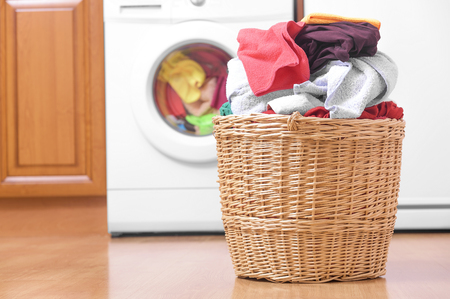
Laundry has one magic trick: it looks finished. Right up until someone, somewhere, changes clothes.
Then—ta-da!—there's another hamper. Another towel. Another shirt with a stain that predates your current administration, has its own legal team, and refuses to identify itself.
You don't need a color-coded system or a laundry PhD.
You need a few things done right: sort smart, use the correct water temp, measure your detergent instead of guessing like it's a science fair, treat stains before the dryer permanently tattoos them on, and glance at the fabric-care label every so often, just so it doesn't feel neglected.
Keep it simple enough that you'll actually stick with it.
Here's how.
Start With the Care Label
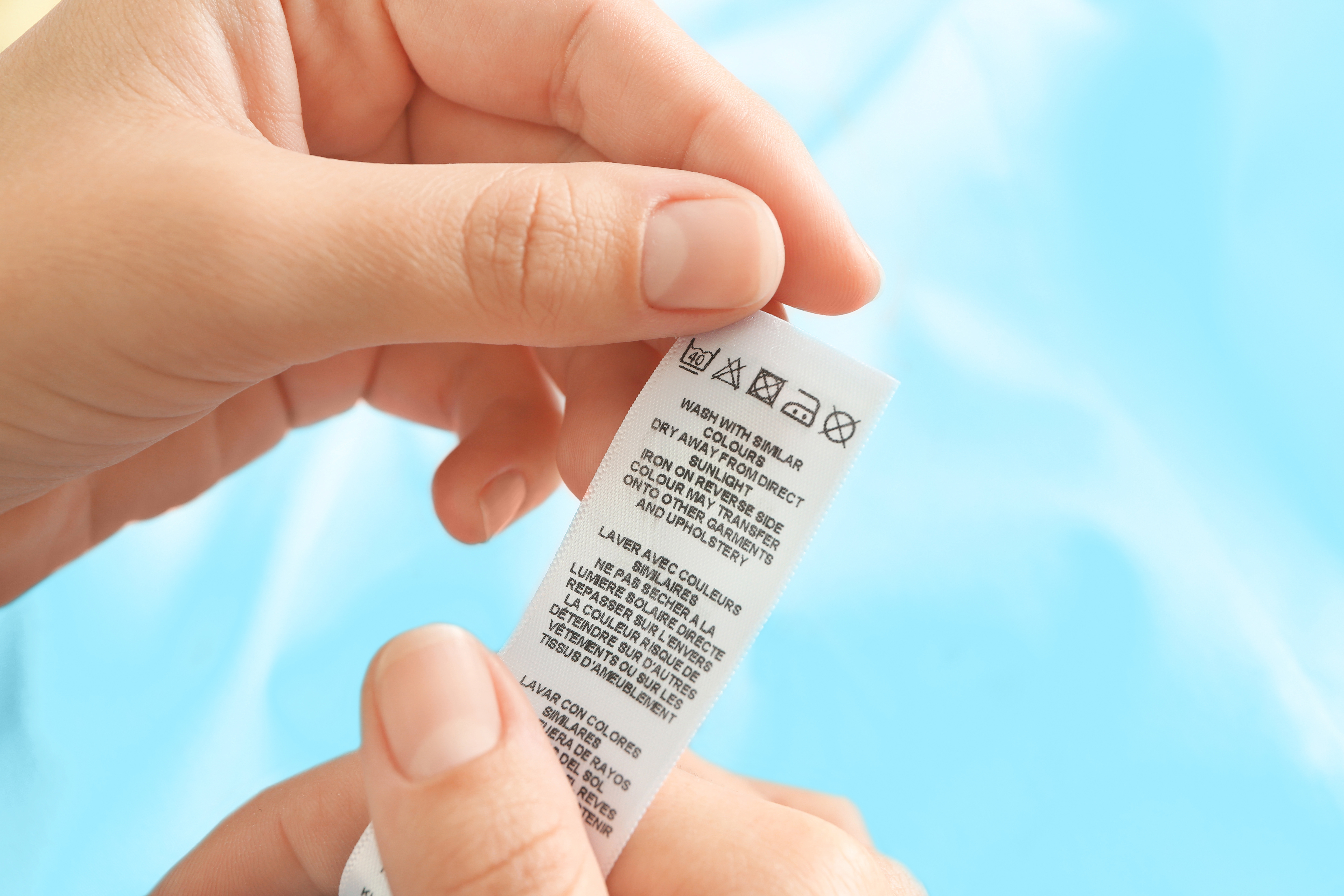
Before you troubleshoot any laundry problem, check the care label first.
It's the manufacturer telling you exactly what this garment can handle — not a suggestion, not a formality, an actual set of instructions:
- The wash temperature it needs
- Whether it can go in the machine at all
- Whether bleach is friend or foe
- How to dry it
- Whether it should skip your washer entirely and visit the dry cleaner for a bath.
Fabric matters. Whatever heroic stain-removal move saves a cotton T-shirt can be an act of violence against wool, silk, leather, or a delicate finish.
So if a garment is valuable, delicate, or unfamiliar, slow down and treat it carefully. Laundry is a lot cheaper when the clothing actually survives it.
How to Sort Laundry
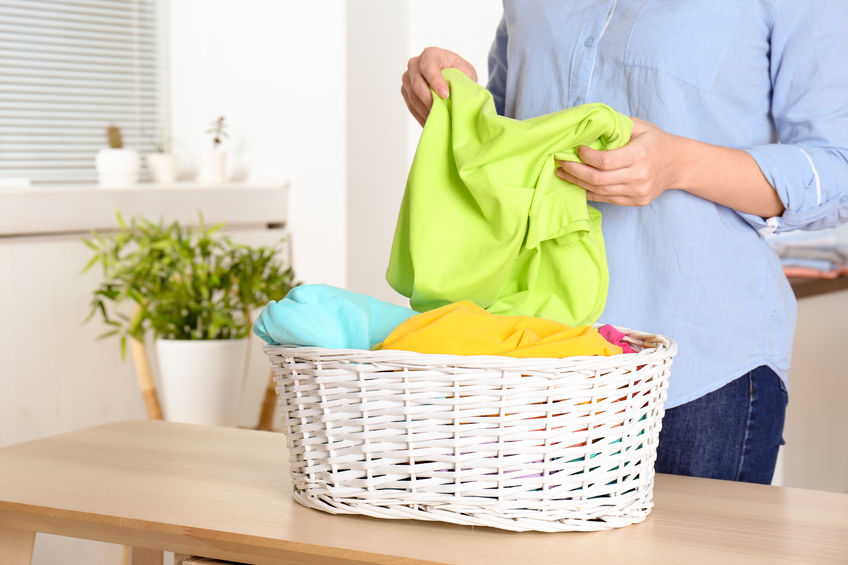
You don't need twelve hampers and a labeling system. A practical sort just accounts for:
- Color
- Fabric weight
- Soil level
- Care requirements
For most households, that shakes out to something like:
- Whites and very light colors.
- Darks.
- Regular colors.
- Towels and heavier items.
- Delicates or special-care pieces.
Seriously grimy stuff (gym clothes, garden clothes, "what even happened here" clothes) may also deserve its own pile, separate from lightly worn items.
The goal is to protect fabrics and stop dye transfer — not build a sorting bureaucracy with subcommittees.
How to Wash Clothes: Laundry 101
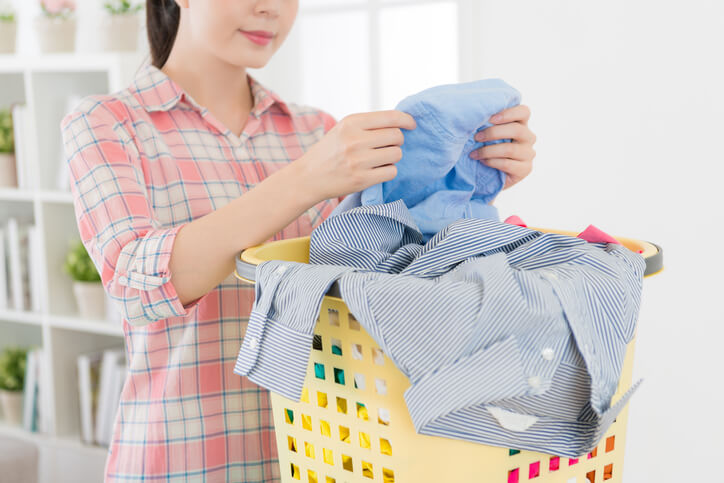
A reliable wash routine comes down to ten steps:
- Check pockets.
- Read the care label.
- Sort the load.
- Pretreat stains.
- Load the washer without cramming it full.
- Add the right amount of detergent.
- Select an appropriate cycle.
- Select the right water temperature.
- Remove clothes promptly — don't let them marinate.
- Dry according to the care label.
That's most of laundry. Everything else is just troubleshooting.
Choose the Right Water Temperature
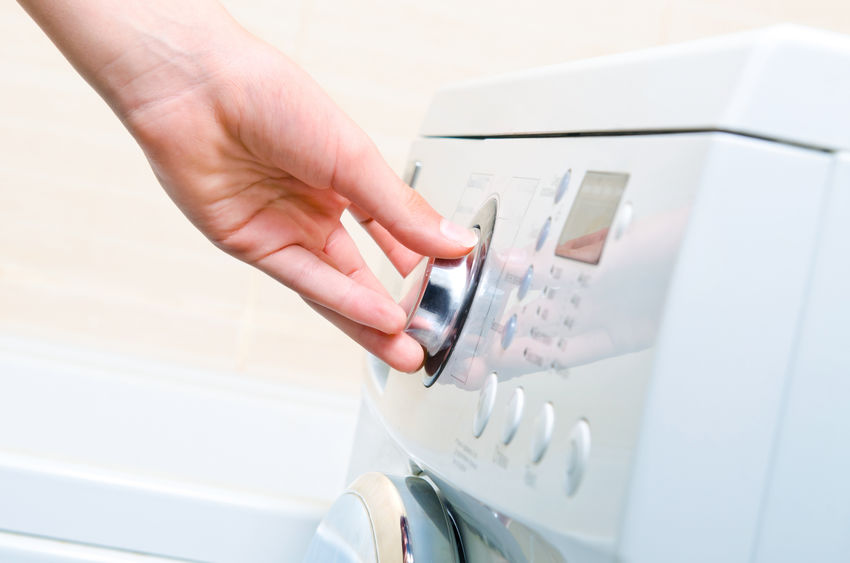
Water temperature isn't a minor setting to ignore on your way to pressing start — it does the real work.
The right temperature lifts dirt and kills germs; the wrong one shrinks your favorite sweater or turns your whites a sad shade of gray.
The good news: you only need three options; here's how to pick between them.
Cold Water
Cold water is the gentle option — it won't fade colors, shrink fabric, or set wrinkles, and some laundry detergents are formulated to work without heat.
It's the right call for:
- Dark and bright colors (protects against fading).
- Delicates and anything prone to shrinking.
- Brand-new clothes (before you know how they'll behave).
- Lightly soiled everyday loads
Bonus: it's cheaper to run and easier on your clothes long-term, so when you're not sure, cold is rarely the wrong answer.
Warm Water
Warm water is a reasonable middle ground—not hot enough to shrink or fade things, but warm enough to lift dirt and oils.
It's a solid pick for:
- Regular colors that aren't brand-new.
- Towels.
- Everyday moderately dirty clothes.
- Synthetic fabrics like activewear (check the label — some prefer cold)
When in doubt and the care label isn't screaming otherwise, warm is a safe default for most everyday loads.
Hot Water
Hot water is the heavy artillery — it kills germs, dissolves grease, and lifts the kind of grime that cold and warm just wave at politely.
It's worth the heat for:
- Whites (keeps them actually white, not "white-ish").
- Bedsheets and towels, especially if anyone's been sick.
- Cloth diapers and heavily soiled items.
- Anything genuinely filthy — garden clothes, sweat-soaked gym gear.
Just check the care label first — hot water can also shrink things and fade colors, so it's not a setting to use out of habit.
A shirt that's technically clean but now fits a six-year-old is not a laundry victory.
Laundry Temperature: Hot, Warm, or Cold? →
Use the Right Amount of Laundry Detergent
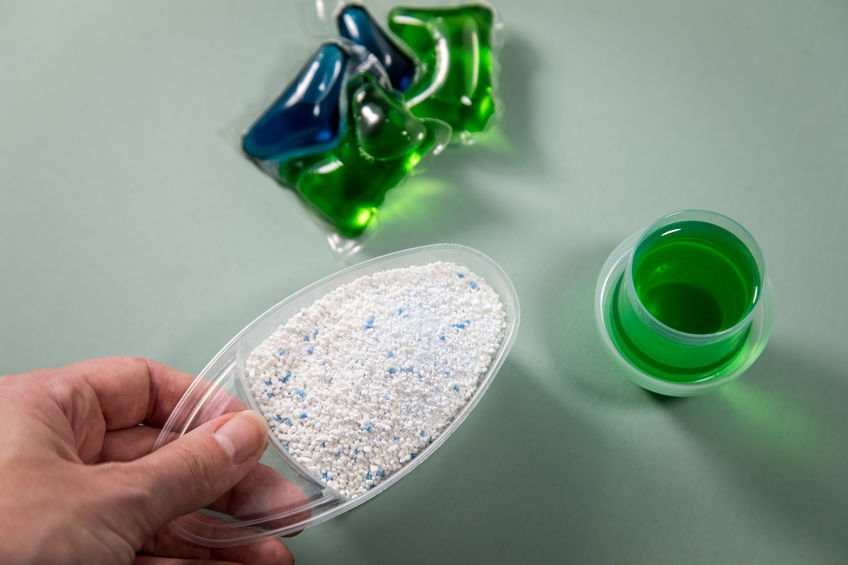
More detergent does not mean cleaner clothes. Too much can leave residue, make rinsing more difficult, and waste money.
Use the amount recommended for:
- Load size.
- Soil level.
- Water conditions.
- Product concentration.
High-efficiency machines generally require HE-compatible detergent and often use less product than people expect.
If freshly washed clothes regularly come out with powdery or streaky residue, excessive detergent may be part of the problem.
Laundry Detergent: Liquid or Powder? →
Eliminate Powdery Clothing Stains →
Don't Overload the Washing Machine
Packing the washer until the door barely closes may reduce the number of loads.
It also reduces how well anything gets washed. Clothing needs enough room to move, as the washer's design requires.
Overloading the washing machine interferes with:
- Cleaning action.
- Rinsing.
- Detergent distribution.
- Agitation.
The goal is a reasonably full load. Not competitive laundry Tetris.
How to Wash Dark Clothes Without Fading
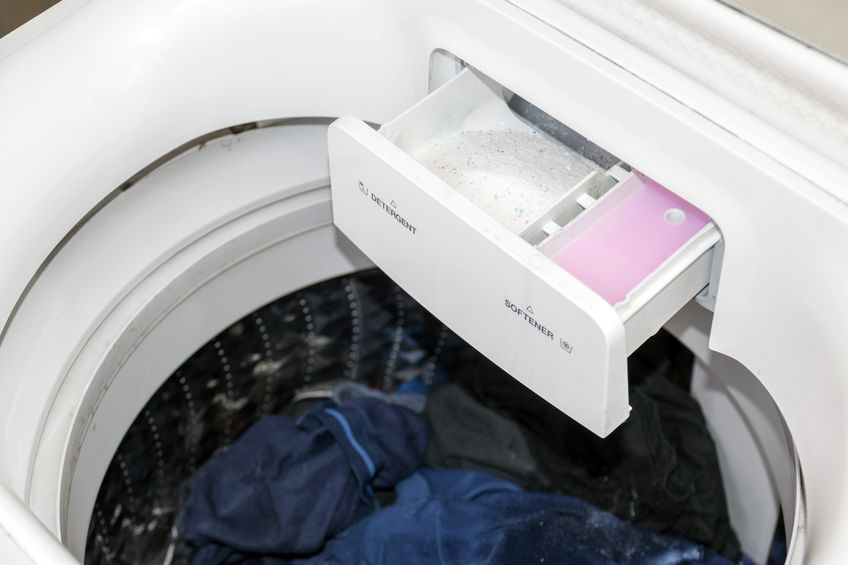
Dark clothes fade fast, and once they do, you can't get that depth of color back.
A few small habits go a long way toward keeping them looking new for longer:
- Wash with similar colors.
- Turn garments inside out.
- Choose cold water.
- Choose an appropriate cycle.
- Use the correct amount of detergent.
- Avoid overdrying.
Same color doesn't mean same laundry plan, though. Dark jeans and a delicate dark blouse might match on the shelf, but they don't belong in the same load — fabric and soil level matter more than shade.
How to Wash Dark Clothes Without Fading →
How to Wash White Clothes
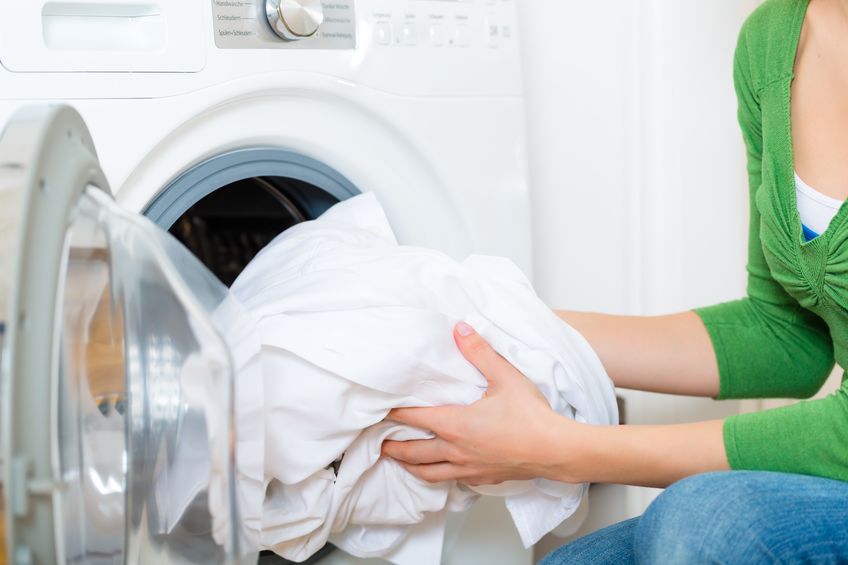
White fabric shows everything — every trip through the dryer with a stray sock, every faded stain that "came out" but didn't quite.
That visibility means whites need a little more care than your everyday load, not more effort.
- Sort whites from darker colors before washing.
- Check the care label and follow it — fabric matters more than instinct here.
- Match water temperature and detergent to the garment, not just the color
Use a whitening or bleaching product only when safe for the fabric.
Skip the chlorine bleach reflex — it's not a universal fix, and on some fabrics it can cause more damage or set certain stains rather than lift them.
How to Wash Towels
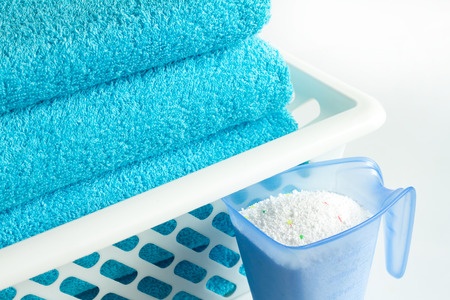
A clean towel should do its actual job — dry you off, not just look tidy on the shelf.
That comes down to a few habits, not a special routine:
- Wash towels according to their care labels.
- Avoid overloading the machine.
- Use the correct amount of detergent.
- Dry thoroughly.
Skip the silicone fabric softener to keep towels absorbent.
Wash heavily soiled towels separately when it makes sense to
One more thing that has nothing to do with detergent: don't let damp towels sit crumpled in a heap.
That's not a laundry shortcut — it's a mildew invitation.
How to Wash Towels So They Last →
How to Wash Jeans
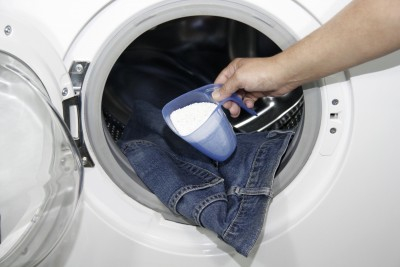
Jeans don't necessarily need washing after every wear unless they're visibly dirty, sweaty, or otherwise need cleaning.
When you do wash them:
• Check the label.
• Turn them inside out when appropriate.
• Wash with similar colors.
• Use cooler water when permitted.
• Avoid excessive drying.
This can help limit fading and fabric wear.
Make Laundry Day a Little Easier
Laundry is repetitive enough without making the job harder than it needs to be.
A few practical organizers and cleaning essentials can help keep supplies contained, surfaces tidy, and the whole routine running more smoothly.
→ Shop Cleaning & Organizing Favorites
How to Wash Sweaters
Sweaters require more attention because fibers and construction vary dramatically.
Some are machine washable.
Some should be hand-washed.
Some require professional cleaning.
Always start with the label. When machine washing:
- Use the recommended cycle.
- Use an appropriate detergent and amount.
- Choose a gentle cycle to avoid excessive agitation on fibers.
- Reshape and dry according to instructions.
Never assume "sweater" is a fabric type.
It's a garment type. A cotton sweater and a wool sweater can react very differently to the same washing method.
How to Machine Wash Sweaters →
How to Unshrink a Sweater
A shrunk sweater may sometimes be gently relaxed and reshaped, depending on the fiber and degree of shrinkage.
Results vary.
Natural fibers may sometimes respond better than permanently altered synthetic materials.
The best strategy is prevention:
Read the care label before washing and drying. The dryer is extremely efficient at showing you what you should have done earlier.
Caring for Delicate and Expensive Clothing
Some garments are basically asking you to slow down. If it's delicate, structured, or costs more than you want to admit out loud, it gets a different set of rules:
- Read the label — it's not a suggestion; it's a warning system.
- Hand wash or use a gentle cycle when the label says so.
- Skip the DIY stain-fighting experiments, no matter how confident you feel.
- Test any product on a hidden spot before committing to the whole garment.
- Take it to a professional when the care label specifies Dry Clean Only.
Leather and suede live in their own category entirely — they're not "delicate washables"; they're a different material with different rules.
And here's the honest version of the last tip: wanting to avoid the dry cleaner isn't the same as having a washing machine that can handle it. Wishing doesn't change the fabric.
How to Clean Leather and Suede →
Stain Removal Rules
Treat the stain before you put the garment in the dryer.
Heat can set many stains and make them much harder to remove.
When you notice a stain:
- Identify it if possible.
- Check the fabric.
- Remove excess material gently.
- Treat according to stain type.
- Wash as directed.
- Check the stain before drying.
If it's still visible, treat it again. Do not send it through the dryer hoping the stain will reconsider.
It won't.
Blotting vs. Rubbing Stains
Rubbing feels productive — you're doing something, right?
But with most stains, all that scrubbing just pushes the mess deeper into the fibers, spreads it wider, or wears down the fabric itself. Not exactly a win.
Blotting is the safer move for most stains:
- Work from the outside of the stain toward the center.
- Use clean cloths or towels for treating the stained area.
- Keep fabric durability in mind.
Because there's no real victory in lifting a stain if you take part of the shirt with it.
How to Remove Grease Stains
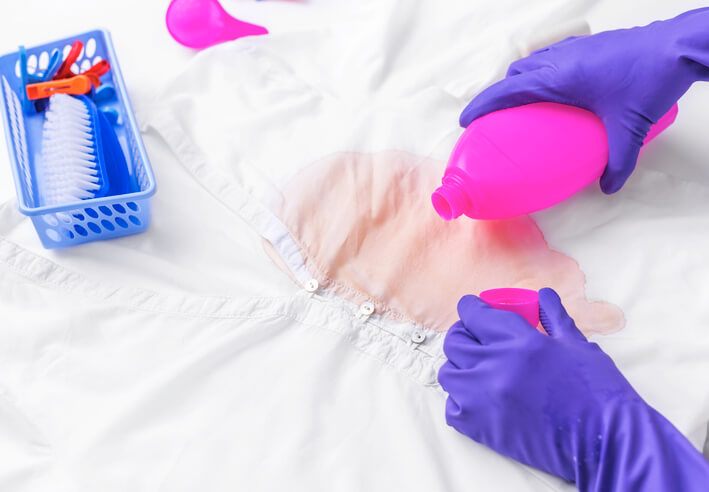
Grease doesn't want to be washed away — it wants to bond with your fabric and stay forever.
Treating it means breaking down that oily residue, not just attacking it with detergent and hoping for the best.
- Blot excess grease first — don't spread it around before you've even started.
- Skip the aggressive scrubbing; it just works the grease deeper into the fibers.
- A drop of dish soap worked gently into the stain can help break down oil before washing.
- Use a pretreatment made for washable fabric, then launder according to the care label.
- Check the spot before it goes anywhere near the dryer.
- If a faint oily shadow remains, repeat the treatment instead of drying it—heat will set what's left permanently.
That last step is the one everyone skips out of impatience, and it's the one that decides whether the stain is actually gone or just baked in for good.
How to Remove Chocolate Stains
Chocolate is a two-part problem: the fat leaves a greasy residue, and the cocoa leaves color behind. Treating only one half usually leaves the other half behind when the fabric dries.
- First, gently remove any excess chocolate —don't smear it further into the fabric.
- Treat the stain using a method suited to the fabric it landed on.
- Wash according to the care label, then check the spot before drying.
Chocolate is delicious. It is considerably less charming on a couch cushion or a kid's school shirt.
How to Remove Chocolate Stains →
How to Remove Rust Stains From Clothes
Rust stains require special handling. Household chlorine bleach is not a good default choice for rust stains and can make the discoloration worse.
Use an appropriate rust-treatment method for the fabric.
Old stains may require repeated treatment.
Don't dry the garment until you're satisfied the stain is removed.
How to Remove Rust Stains From Clothes, Even Old Stains →
How to Remove Unknown Stains
Sometimes there's no story. The shirt just shows up stained, and nobody in the house will admit to anything.
Before you reach for the strongest product in the laundry room, take a second to actually look at what you're dealing with:
- Color
- Texture
- Odor
- Location
- Whether it looks oily
- Whether there's any solid residue
Start with the least aggressive treatment that fits what you observed, not the most dramatic one.
And if the garment is delicate or expensive, guessing your way through it isn't worth the risk — a professional is the smarter move over an experiment you can't undo.
Homemade Laundry Stain Removers
Some simple household products can help with certain stains.
That doesn't make every homemade recipe safe or effective for every fabric. Avoid casually mixing cleaning products.
Test treatments on an inconspicuous area before using them on the garment. And remember that "natural" isn't the same as "harmless."
A homemade stain remover that bleaches the fabric has technically removed the stain. Along with the color.
Homemade Laundry Stain Removers →
A Quick Stain-Removal Checklist
When dealing with a new stain:
Act quickly.
Blot or lift excess material.
Check the fabric label.
Identify the stain when possible.
Pretreat appropriately.
Wash according to care label instructions.
Check for removal before drying.
This simple sequence prevents many ordinary stains from becoming permanent.
17 Laundry Stain Removal Tips →
Clean the Washing Machine
The machine washing your clothes needs an occasional cleaning, too.
Residue, detergent buildup, moisture, and debris can accumulate inside washers.
Follow the manufacturer's instructions for:
- Cleaning cycles.
- Filters.
- Dispensers.
- Door seals or gaskets.
- Drums.
- Exterior surfaces.
Leave the machine in the recommended condition between loads to help manage moisture.
If clean laundry starts smelling less than clean, don't automatically blame the detergent.
Check the washer.
Washing Machine Cleaning Tips →
Prevent Laundry Odors
Odors often come from moisture, residue, or clothes sitting too long. Helpful habits include:
- Don't leave wet laundry in the washer for long periods.
- Allow damp towels to dry before tossing them into a hamper.
- Use the correct amount of detergent.
- Keep the washer clean.
- Dry clothing fully before storing it.
- Avoid stuffing damp clothes into enclosed spaces.
Perfume can mask odor.
It doesn't necessarily solve the cause.
Organize the Laundry Routine
Laundry becomes overwhelming when everything is treated as an emergency.
Create a routine based on the amount your household actually produces.
You might wash:
- A load most days.
- Several designated days each week.
- Different categories on different days.
There isn't one ideal schedule. The best schedule is the one that keeps clean clothes moving all the way through:
Wash → Dry → Fold → Put Away
Laundry sitting clean in a basket for six days isn't technically finished.
It's in negotiations.
Keep Hampers Where Clothes Come Off
A hamper across the house from where people change clothes is a theoretical hamper.
Put laundry containers where the clothing is actually generated.
- Bedrooms.
- Bathrooms where appropriate.
- Laundry area.
Create an easy system. If everyone consistently leaves clothes in one place, consider putting the hamper closer to that spot rather than repeating the same speech every night for ten years.
Fold and Put Away Laundry Faster
Don't let folding become a ceremonial event.
Sort clean clothing by person or room.
Fold simply. Put items away as you finish folding.
If drawers are so packed that putting clean clothing away is difficult, the problem may no longer be laundry. It's probably a clothing-decluttering problem.
Remove what no longer fits, isn't worn, or you don't want. A drawer needs enough space to hold the clothing coming out of the wash.
Laundry With Kids
Children can help with laundry long before they're old enough to run the entire process.
Age-appropriate jobs include:
• Putting dirty clothing in the hamper.
• Matching socks.
• Sorting basic colors.
• Folding towels.
• Carrying clean clothing to bedrooms.
• Putting away simple items.
Older children can gradually learn to operate the machines safely and follow care labels.
The goal isn't free labor.
Though admittedly, that's a pleasant side effect. It's teaching children how to take care of their own belongings.
Laundry Chores for Kids by Age →
Curtains and Household Fabrics
Not everything in the laundry room is clothing.
Curtains, washable slipcovers, bedding, and other household fabrics may also need periodic cleaning.
Always check care instructions before washing.
Large fabric items can behave very differently once wet.
And some window treatments aren't washable at all.
Seasonal Stains
Different seasons produce predictable stains.
Summer brings:
• Grass.
• Ice cream.
• Fruit.
• Sunscreen.
• Barbecue.
• Outdoor dirt.
Fall may bring mud and outdoor debris.
Halloween brings makeup, chocolate, and costumes constructed from materials nobody should confidently put into a washing machine without checking.
Treat seasonal stains the same way you treat any others:
Identify first.
Treat second.
Dry last.
Summer Laundry Stain Solutions →
Tricks for Treating Halloween Stains →
Common Laundry Mistakes
Using too much detergent
More isn't better. It may leave residue on clothes.
Washing everything together
Color and fabric type matter.
Overloading the washer
Clothes need room to move through the wash and rinse water.
Drying stains before checking them
Heat may make them harder to remove.
Ignoring care labels
They're there for a reason. To make your wash day easier. Read them.
Leaving wet laundry in the washer
Move it along promptly.
Explore Laundry & Stain Removal
Laundry Temperature: Hot, Warm or Cold? →
Laundry Detergent: Liquid or Powder? →
How to Wash Dark Clothes Without Fading →
How to Wash Towels So They Last →
How to Remove Rust Stains From Clothes →
Washing Machine Cleaning Tips →
Laundry Chores for Kids by Age →
- Clean Home
- Laundry Tips & Techniques