Halloween Stain Removal:
How to Get the Scary Stuff Out
Halloween is supposed to be frightening.
Your laundry shouldn't be.
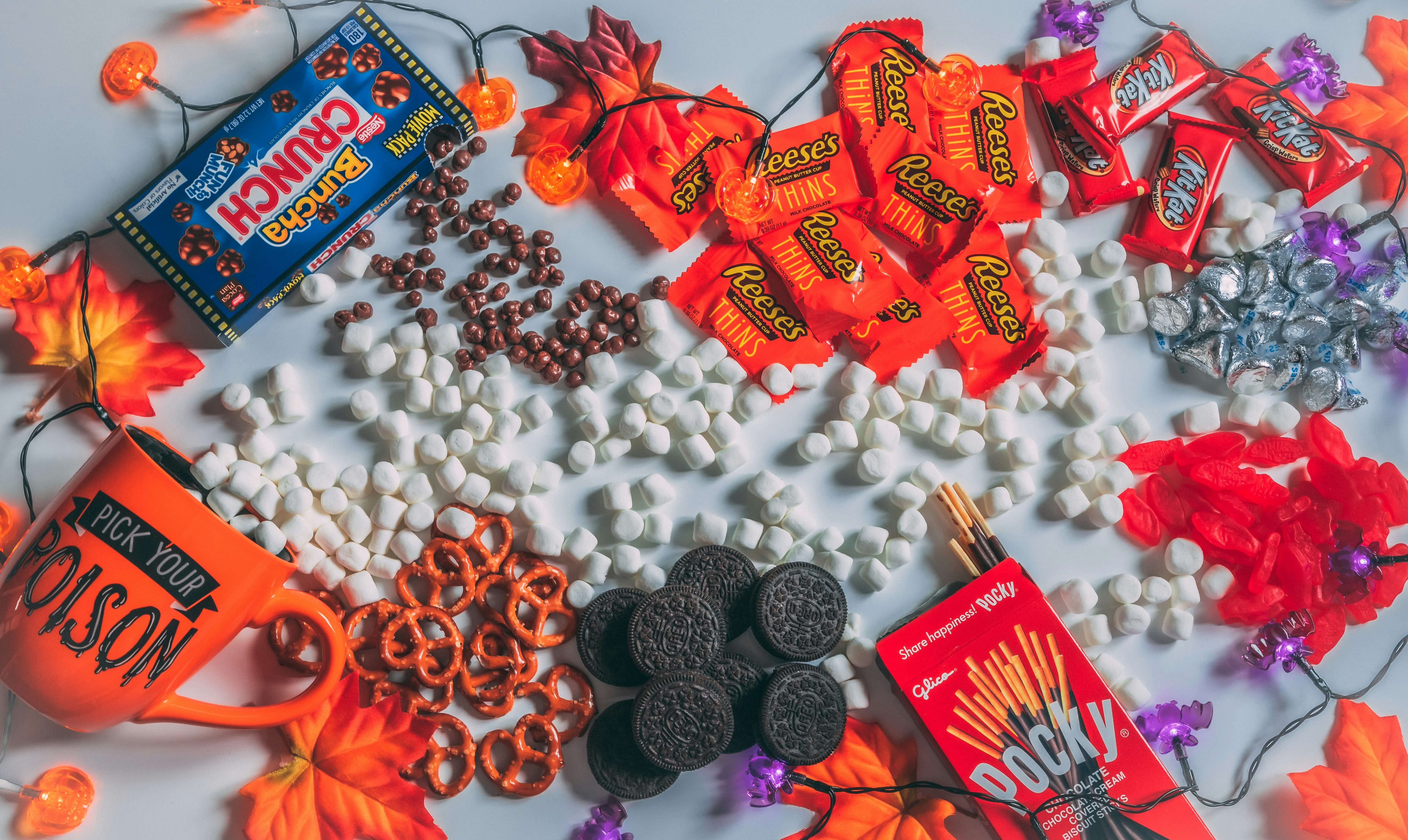
Unfortunately, one evening involving costumes, chocolate, face paint, fake blood, pumpkins and children carrying open containers of candy can produce an impressive collection of stains.
By November 1, you may be staring at:
- Chocolate on a costume
- Face paint on a collar
- Pumpkin on a shirt
- Fake blood on something that cost considerably more than expected
- Gum attached to fabric
- Mud on everything below knee level
- An unidentified fluorescent substance you're fairly certain wasn't there yesterday
Don't panic. And, more importantly: Don't put the stained item in the dryer yet. Heat can make some stains much harder to remove.
First, figure out what you're dealing with. Then treat the stain according to the fabric and the substance.
Here's how to tackle Halloween's usual suspects.
Before You Treat Any Halloween Stain
Five rules will save you from making a bad stain worse.
1. Check the care label
Before using water, detergent, stain remover, or anything else, check the garment or costume's care instructions.
Halloween costumes are especially unpredictable. A costume may contain:
- Polyester
- Sequins
- Glitter
- Adhesive
- Foam
- Faux fur
- Metallic trim
- Printed designs
- Delicate decorations
Just because it looks like ordinary fabric doesn't mean you should throw it into the washing machine.
2. Act reasonably quickly
Fresh stains are easier to address than stains that have been sitting for days.
That doesn't mean you need to chase your child down the sidewalk with stain remover. Halloween can finish first.
3. Remove excess material
Scrape or lift away chocolate, frosting, pumpkin, or other solids gently. Don't grind them deeper into the fabric.
4. Blot—don't scrub
For liquid stains, blot with a clean cloth. Aggressive rubbing can spread the stain or work it farther into fibers.
5. Test stain treatments first
If you're using a stain remover or cleaning solution on something delicate, colored, or unusual, test it in an inconspicuous spot first.
A stain is annoying. A large faded circle surrounding the stain is an upgrade nobody requested.
1. Chocolate Stains
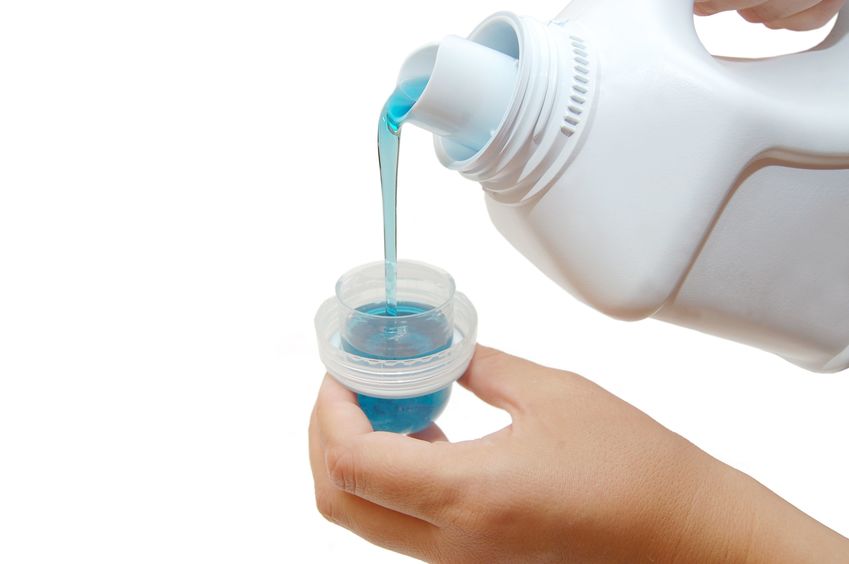
Chocolate is practically Halloween's official laundry problem. It can contain both pigments and fats, so treat it rather than simply rinsing and hoping.
First, gently remove excess chocolate. If it's soft and smeary, briefly cooling it can make the excess easier to lift without spreading it.
For washable clothing, rinse the stained area with cool water as appropriate for the fabric,working from the back of the stain.
Apply a small amount of liquid laundry detergent. Allow it to work according to the product directions. Then wash as directed on the care label.
Before drying: Check the stain.
If it's still there, treat it again. Don't send the garment into the dryer on optimism alone. Dryers are not known for respecting optimism.
2. Sticky Candy Stains
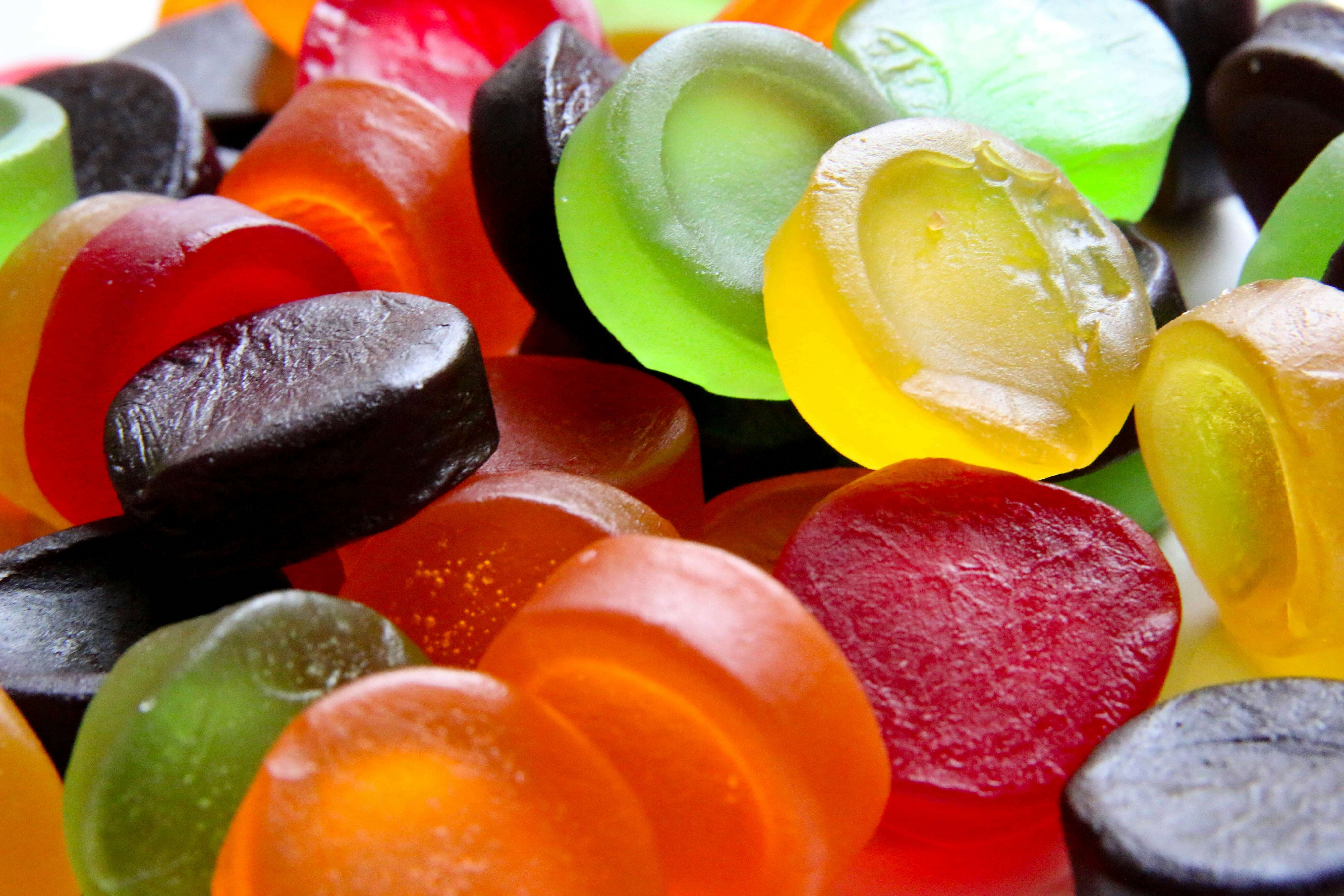
Hard candy, lollipops, and gummy candy can leave behind colorful, sticky residue. Start by removing as much of the candy as possible without damaging the fabric.
Apply laundry detergent or a laundry stain pretreatment. Let it work according to the product directions. Then launder as directed on the care label. Check that the stain is removed before drying.
Candy stains can contain food coloring, which may require additional treatment. The good news is that sugar is water-soluble. If any part of the stain is still visible, treat it and wash again.
3. Caramel Stains
Chocolate and caramel are just fat and sugar dressed up for the occasion — exactly as messy on a costume as they are anywhere else.
- Work a little detergent directly into the stain before washing.
- Finish with chlorine or color-safe bleach, timed correctly — add it during the rinse cycle, after the detergent has already had its turn.
4. Chewing Gum
Do not start by rubbing gum. Unless your goal is to add extra square footage. Harden the gum first.
Depending on the fabric, you may be able to press a sealed bag of ice against the gum until it firms up. Then carefully lift or scrape away as much as possible using a dull edge.
Treat any remaining residue with a product appropriate for the fabric and wash according to the care label.
For delicate, expensive, or dry-clean-only costumes, stop experimenting and consult a professional cleaner. Your child's polyester vampire cape is one thing. A beaded evening dress that attended the Halloween party is another.
5. Pumpkin Stains
Jack-o'-lantern surgery is messy business, and if you get splattered mid-carve, timing matters.
Pumpkin is basically fruit sugar, and fruit sugar is both pH- and time-sensitive — leave it sitting, and you'll get the same browning reaction you'd see on a cut apple, just embedded in your shirt instead of your fruit bowl.
- Rinse the area with cold water to flush out excess pumpkin right away.
- If you can't wash it immediately, at least blot with cold water to slow the oxidation down.
- Wash in the warmest water the fabric can handle once you're home — check the wash temperature guide for that garment first.
6. Halloween Makeup
If your ghoulish complexion ends up smeared across a costume instead of just your face, don't panic.
- Scrape off oil-based makeup smudges as soon as you can — the back of a spoon or a butter knife works well and won't damage the fabric.
- Detergent starts breaking the stain down, but the real work happens at the right water temperature.
- Oil- and wax-based makeup needs to actually melt to release from the fibers, so wash in the warmest water the garment allows.
7. Face Paint
Face paint formulas vary considerably. Some are water-based. Others contain oils, waxes, or pigments that behave differently. If possible, check the product's removal directions.
For washable fabric, gently remove excess product and rinse or pretreat according to the fabric and face-paint formulation. Laundry detergent may be sufficient for some water-based paints.
Oilier products may require treatment designed to break down oily residue. Don't assume the same method works for every face paint.
And don't use a powerful solvent on a child's costume without checking both the product and costume instructions. Removing the stain while dissolving the superhero logo is not a victory.
8. Fake Blood
This is where Halloween stain removal becomes particularly interesting. Fake blood doesn't have one standard formula. It may contain:
- Corn syrup or another sugar base
- Food coloring
- Cosmetic pigments
- Gels
- Oils
- Other ingredients
If you still have the packaging, check it first. For washable fabric, remove excess fake blood and rinse with cool water when appropriate for the material.
Apply detergent or an appropriate stain pretreatment. Wash according to the care label. Check the stain before drying.
Deep red coloring may require repeated treatment. Fake blood was specifically designed to look alarming. Apparently, it sometimes takes its assignment too seriously.
9. Real Blood
Halloween occasionally produces the authentic version. For fresh blood on washable fabric, use cold water, not hot.
Then pretreat with an appropriate laundry detergent or stain-removal product and wash according to the care label. Check before drying.
If the blood belongs to someone else, avoid direct contact and use appropriate protective precautions. And if there's enough blood that stain removal isn't the main concern, laundry can wait.
10. Grease and Oily Food Stains
Pizza. French fries. Chips. Butter. Party dips. Halloween is not nutritionally restrained. For an oily stain, blot or remove excess grease without spreading it.
Apply an appropriate grease-fighting laundry pretreatment or liquid laundry detergent to washable fabric.
Let it work according to the directions. Wash using the warmest water permitted by the garment's care label and appropriate for the stain treatment.
Then air-dry or check carefully before machine drying. Oil stains can be difficult to see while fabric is wet. If you discover the stain after drying, all is not necessarily lost. Treat it again. It may simply require more work.
11. Frosting and Icing
Halloween cupcakes are tiny delivery vehicles for stains. Remove excess frosting carefully.
Because frosting may contain both sugar and fat, rinse washable fabric appropriately and pretreat with detergent. If an oily mark remains, treat it as a grease stain.
Food coloring may also linger after the frosting itself is gone. Wash according to the care label and inspect before drying.
12. Mud
Trick-or-treating plus wet weather equals mud. Unlike many stains, mud is often easier to handle after it dries. Let ordinary mud dry. Brush or scrape off as much dried soil as possible.
Then pretreat the remaining stain with detergent and wash according to the care label. If you're dealing with a special fabric or costume material, check its instructions first.
Don't vigorously grind wet mud into fabric just because you're eager to make progress. Sometimes procrastination is the correct laundry technique. Enjoy the rarity.
13. Grass Stains
If Halloween festivities involve yards, parks, or children falling dramatically onto lawns, grass may join the stain collection.
Pretreat washable fabric with liquid detergent or an appropriate stain remover. Let the product work according to the directions. Wash using the care-label instructions.
Inspect before drying. Grass contains pigments that can cling stubbornly to fabric, so you may need to repeat treatment.
Do not automatically reach for chlorine bleach, especially on colored fabric.
Which brings us to an important subject.
14. Be Careful With Bleach
Bleach is not the universal answer to stubborn stains. First check:
- The garment care label
- Fabric type
- Colorfastness
- Product directions
Chlorine bleach can damage or discolor some fabrics. Color-safe, oxygen-based products may work for some washable fabrics, but you must use them according to the label.
And one safety rule is non-negotiable: Never mix chlorine bleach with ammonia, vinegar, acidic cleaners, or other household cleaning products.
Dangerous fumes can result. Stain removal should not require evacuation.
15. Candle Wax
Candles and Halloween go together. Occasionally wax and tablecloths do too. First, let spilled wax harden. Don't immediately smear hot wax farther into the fabric.
Once hard, gently remove as much solid wax as possible without damaging the material.
The best method for removing remaining wax or oily residue depends on the fabric and the type of wax.
Check the textile care instructions before applying solvents. Older advice often recommends ironing wax between pieces of paper.
That is not universally appropriate, particularly with synthetic fabrics, dyes, or certain modern candle formulations. If the fabric is valuable or delicate, a professional cleaner may be the safer choice.
16. Glow Stick Liquid
If a glow stick leaks, keep the liquid away from eyes and mouths and follow the product manufacturer's safety guidance.
Rinse and launder washable fabric appropriately. If irritation occurs after skin or eye exposure, follow the product's first-aid instructions and contact an appropriate medical or poison-information resource if needed.
And perhaps retire the glow stick involved. It has given enough.
17. Hair Color Spray and Costume Hair Products
Temporary hair sprays and costume colors can transfer onto:
- Collars
- Hats
- Upholstery
- Pillowcases
- Towels
Check the product instructions because formulas vary. Blot fresh transfer rather than rubbing it. For washable fabric, use an appropriate stain pretreatment and wash according to the care label.
Strongly pigmented products may need repeated treatment. This is also an argument for using an old towel over shoulders while applying costume hair color.
18. Mystery Halloween Stains
You don't know what it is. Your child doesn't know what it is. Nobody at the party knows what it is. Excellent. Start conservatively.
Don't apply hot water. Don't put it into the dryer. Remove any solids. Blot liquids. Rinse with cool water. Try an appropriate general stain pretreatment on washable, colorfast fabric.
Then wash according to the care label. If the stain doesn't respond, reconsider what it might be before escalating treatment.
Randomly applying multiple chemicals is not a stain-removal strategy. It's a chemistry set.
Halloween Stains on Carpet
First, remove any solids carefully. Blot liquid stains using a clean, absorbent cloth. Work from the outside toward the center to avoid spreading the stain.
Don't oversaturate the carpet. Use a carpet stain product appropriate for your carpet type and the particular stain. Test it first in an inconspicuous area.
After treatment, remove cleaning residue as directed and let the area dry thoroughly. For more detailed instructions, see How to Clean Carpet at Home Without Making Things Worse.
Halloween Stains on Upholstery
Before treating upholstery, look for the manufacturer's cleaning code or care instructions. Upholstery fabrics can require very different cleaning methods.
Some tolerate water-based cleaners. Some require solvents. Some should be professionally cleaned.
Vacuum or remove solids first. Blot liquids. Don't soak the cushion. And don't unzip a cushion cover and put it in the washing machine just because it has a zipper.
Sometimes the zipper was intended for manufacturing. It is not necessarily an invitation.
Be Extra Careful With Halloween Costumes
Halloween costumes deserve their own warning because many are made from inexpensive synthetic materials decorated with things that may not survive ordinary laundering.
Before washing a costume, check:
- Care label
- Fabric
- Attached decorations
- Glitter
- Sequins
- Foam
- Adhesives
- Printed graphics
- Battery compartments
- Lights or electronics
Spot-cleaning may be safer than washing the entire costume. Some costumes may be hand-washable. Some may require professional cleaning.
Some may essentially be decorative architecture held together by optimism and hot glue. Proceed accordingly.
The Stain-Removal Mistakes That Make Things Worse
Avoid these common mistakes:
Putting the item in the dryer too soon
Always check the stain first.
Scrubbing aggressively
Blot or work gently unless the treatment specifically calls for another method.
Starting with hot water
Heat is inappropriate for some stains, particularly blood.
Treating every fabric the same
A cotton T-shirt and sequined costume are not interchangeable.
Mixing cleaning products
Don't.
Using bleach automatically
Check the fabric, color, and label first.
Waiting a week
Halloween candy lasts. Your stain-removal advantage may not.
Your Halloween Stain Emergency Kit
You don't need a laboratory. Keep a few basics handy:
- Liquid laundry detergent
- General laundry stain remover
- Clean white cloths
- Soft brush
- Dull scraper or spoon
- Ice
- Paper towels
- Laundry care labels and product directions
- Appropriate carpet/upholstery cleaner if you already use one
The most important tool is still knowing what stained it. Before your child changes out of the costume, ask. Later, “something red” will be the entire forensic report.
The Morning-After Halloween Stain Checklist
On November 1:
- Check costumes before storing them
- Empty candy from pockets
- Remove chocolate and candy residue
- Treat makeup and face-paint stains
- Treat fake-blood stains
- Check clothing for grease
- Let mud dry before brushing it away
- Inspect coats and jackets
- Check rugs and carpets
- Check upholstered furniture
- Wash appropriate costumes according to labels
- Air-dry stained items until you're sure stains are gone
- Store costumes only when completely clean and dry
And check the pockets twice. A miniature chocolate bar forgotten in a costume pocket has several months to develop a plan.
The Bottom Line
Most Halloween stains aren't disasters. They're just easier to remove when you don't panic and accidentally make them permanent.
Identify the stain.
Check the fabric.
Remove the excess.
Start with the gentlest appropriate treatment.
Follow care labels and product directions.
Keep stained items out of the dryer until you're satisfied with the result.
And don't mix cleaning chemicals.
If the stain survives? Treat it again.
Halloween gets one night a year.
That doesn't mean the chocolate stain gets permanent residency.
Keep Going
For everyday spills and laundry disasters, visit the Laundry & Stain Cleaning Guide.
For another seasonal stain collection, see Summer Stain Removal: How to Get 12 Common Stains Out of Clothes.
Not sure which wash temperature to use once you've treated the stain? See What Temperature Should You Wash Clothes?
And for more Halloween cleanup around the house, your October Cleaning Checklist is a natural next stop.
- Clean Home
- Laundry Tips & Techniques
- Tricks For Treating Halloween Stains