What Temperature Should You Wash Clothes?
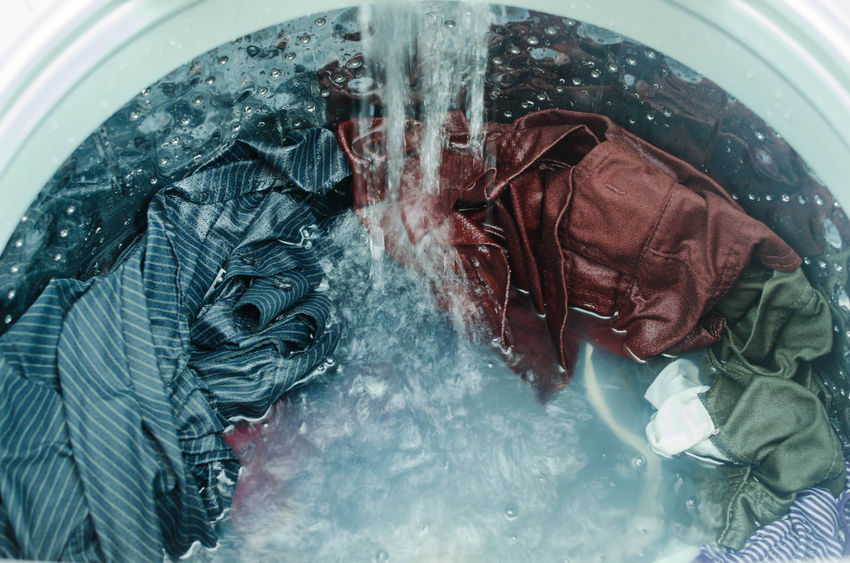
Cold, warm or hot. It sounds simple, right up until you're standing at the washer holding a white towel, a black T-shirt and a care label you need a magnifying glass to read.
Here's the short answer: most everyday laundry belongs in cold water. But not everything. The right temperature depends on the fabric, the color, how dirty it is and what the care label says. Here's how to choose.
What "Cold," "Warm" and "Hot" Actually Mean
Your washer doesn't tell you, so here are the numbers:
- Cold: about 60–80°F
- Warm: about 90–110°F
- Hot: 130°F and up
In winter, tap water can drop to 40°F or so, and that's too cold for most detergents to dissolve and work well. If your washer has a "cold" setting that adds a little warm water, use it in winter. If not, choose a detergent labeled for cold water.
Cold Water: The Best Choice for Most Everyday Clothes
Cold isn't the consolation-prize setting anymore. Today's detergents are made to clean in cold water, and cold is easier on your clothes. Use cold for:
- Dark clothes
- Bright colors
- Jeans
- T-shirts
- Delicates
- Everyday clothes that are lightly to normally dirty
- Anything that might shrink or fade
- Mixed-color loads, if the care labels allow it
Cold water means less fading, less dye bleeding and less shrinking. It saves money, too: heating the water accounts for about 90 percent of the energy a washing machine uses.
If you've ever looked at a shirt and thought, I have absolutely no idea what this shirt wants from me, check the label. If you're still not sure, choose cold.
Use a detergent made to work in cold water, like Tide Original Liquid Laundry Detergent and measure it. More detergent doesn't mean cleaner clothes. It just means more residue.
Warm Water: The Middle Ground
Warm water cleans better than cold and is gentler than hot. Use it for:
- Moderately dirty clothes
- Permanent-press fabrics
- Synthetics, like polyester and nylon, that are more than lightly dirty
- Light-colored clothes
- Anything washable that can handle a little heat but doesn't need hot water
Warm is for the loads where cold isn't quite enough and hot would be too much. Think of it as laundry diplomacy.
Hot Water: Use It Selectively
Hot water helps sturdy, colorfast clothes that are really dirty. But hotter isn't automatically better. Use hot for:
- Sturdy white cottons
- Cotton towels, if the label allows
- Cotton sheets and pillowcases, especially when someone's been sick
- Cloth diapers
- Greasy work clothes and other heavily soiled washables
Hot water fades colors, shrinks fabric and wears clothes out faster. And don't use it just because a load looks gross. Your washing machine is not a cooking appliance.
What Temperature Should You Wash White Clothes?
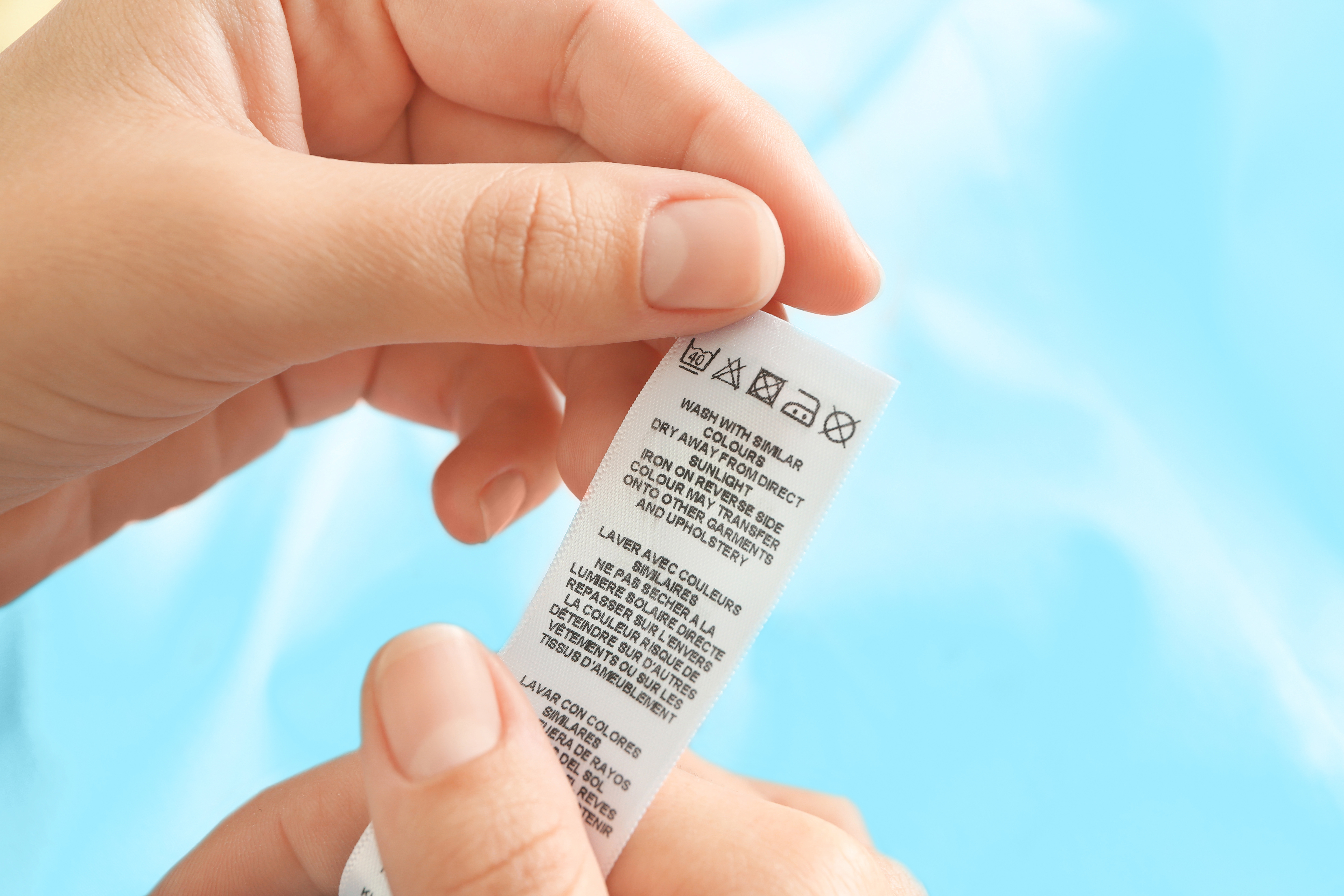
White doesn't automatically mean hot. A sturdy cotton towel can take hot water. A delicate white blouse or a polyester blend probably can't.
Start with the care label. Cold or warm works for most whites, and sturdy white cottons can go hot. Sorting, the right amount of detergent, pretreating stains and not overloading the washer make just as much difference as temperature.
What Temperature Should You Wash Dark Clothes?
Use cold. It keeps the dye in the fabric, not swirling around the washer. Turn darks inside out and wash them with similar colors. Sorting is a lot cheaper than turning a load of pale clothes an experimental shade of gray.
What Temperature Should You Wash Towels?
Use warm for most cotton towels and hot for white cotton towels, as long as the label allows it. Use cold for colored, decorative or specialty towels, and check their labels.
Temperature isn't the whole story. Don't overload the washer, use the right amount of detergent, skip the fabric softener and dry towels completely.
What Temperature Should You Wash Sheets and Bedding?
Use warm for most cotton and cotton-blend sheets. Use hot for sturdy cotton sheets when someone's been sick, if the label allows it. Use cold for silk, bamboo, microfiber and anything with a delicate finish. What the fabric is matters more than the fact that it's bedding.
What Temperature Should You Use for Stained Clothes?
"Hot water gets stains out" is one of those rules that can backfire. Some stains set in heat.
- Protein stains, like blood, sweat, egg, milk and baby formula: cold water only. Hot water cooks them into the fibers.
- Grease and oil: the warmest water the label allows.
- Mystery stains: start with cold. You can always go warmer. You can't undo a stain that heat has set.
Then:
1. Figure out what the stain is.
2. Check the care label.
3. Pretreat the stain.
4. Wash it at the temperature that matches the stain.
5. Check that the stain is gone before the item goes in the dryer.
Dryer heat can set whatever stain is left, so always check first.
Laundry & Stain Removal Guide →
Does Cold Water Really Clean Clothes?
Yes, for everyday laundry. Today's washers and detergents are built for cold water. If a load still comes out dingy, try warm water, a longer cycle or pretreating the stains, and make sure you're not overloading the machine.
Is Hot Water Better at Killing Germs?
Somewhat, but your washer's HOT button isn't a disinfecting system. Most home water heaters are set around 120°F, and that's not hot enough to sanitize on its own.
When someone in the house is sick:
- Wash their sheets, towels and clothes on the warmest setting the fabric allows.
- Dry everything completely on high heat. The dryer does a lot of the germ-killing.
- Use your washer's sanitize cycle if it has one, or add bleach to white cottons.
- Wash your hands after handling dirty laundry.
Everyday laundry doesn't need hazmat treatment.
Don't Forget the Care Label
If you remember only one thing, remember this: the care label wins. The manufacturer knows the fibers and the dyes. If the label says "cold," use cold. And if it says dry clean only, staring at it resentfully won't change the instructions.
Quick Laundry Temperature Guide
- Dark clothes: cold
- Everyday clothes: cold
- Jeans: cold
- Delicates: cold
- Moderately dirty clothes: cold or warm
- White clothes: cold or warm; hot for sturdy cottons
- Towels: warm; hot for white cotton
- Sheets: warm; hot for cotton after illness
- Protein stains (blood, sweat, egg, milk): cold
- Grease stains: warmest the label allows
Laundry Temperature FAQ
What temperature is cold water for laundry? About 60–80°F. Warm is about 90–110°F, and hot is 130°F or higher.
Should I wash towels in hot or cold water? Warm works for most cotton towels. Use hot for white cotton towels if the label allows, and cold for colored or specialty towels.
Does cold water kill germs? No, cold water alone doesn't kill most germs. Detergent and rinsing wash many of them away, and a hot dryer kills more. When someone is sick, use the warmest water the fabric allows and dry on high.
Should whites be washed in hot water? Not always. Sturdy white cottons can go hot. Most other whites do fine in cold or warm.
What temperature should I use for bloodstains? Cold. Hot water sets blood and other protein stains.
The Simplest Laundry Temperature Rule
Start with cold for everyday laundry. Move up to warm or hot only when the fabric, the dirt, the stain or the care label calls for it.
Your clothes will last longer, your energy bill will be lower and you won't have to think so hard every time you're standing in front of the washer.
Want Laundry That Takes Less of Your Day?
My book The Daily Home Reset builds laundry into a 15-minute daily routine, so the hamper never turns into a mountain.
And if your closet is so full you can't see what you own, Room by Room: How to Declutter a Lifetime of Stuff and Get Your Space Back will help you decide what stays.
Kindle $12.99 · Paperback $14.99 · Hardcover $17.99Keep Going
Keep your clothes clean, bright and the right size with these related guides:
• Laundry & Stain Removal Guide: How to Wash Clothes: Everything from sorting to stains, in one place.
• How to Wash Dark Clothes Without Fading: Keep your blacks black and your navies navy.
• How to Wash White Clothes: Keep whites bright without overdoing the bleach.
• How to Wash Towels: Keep towels soft, fluffy and actually absorbent.
• Laundry Stain Removal Guide: Step-by-step fixes for the most common stains.
• Liquid or Powder Laundry Detergent: Which detergent works best, and when.
• How to Machine Wash Sweaters Without Shrinking Them: The right cycle, water and drying method for knits.
• How to Unshrink a Sweater: What to do when the wrong water temperature already won.
- Clean Home
- Laundry Guide
- Laundry Temperature Hot Warm Or Cold