How to Clean Leather

Leather is the rare thing in your house that actually gets better with age. That buttery-soft couch, the jacket you've owned since the first Bush administration, the boots that finally fit just right. Treat them well and they'll outlive most of your furniture.
The catch? A lot of us are so afraid of ruining leather that we don't clean it at all. Or we grab the all-purpose spray, and then wonder why the couch cushion looks dry and cracked. Leather is skin. It needs gentle cleaning and the occasional drink of conditioner, and it doesn't like heat, harsh chemicals or getting soaked.
Here's how to clean leather, from the sofa to your favorite boots.
First, Figure Out What Kind of Leather You Have
The right cleaning method depends on the type of leather. Check the care tag or the product information first. If there isn't one, here's what you're probably dealing with:
- Protected (finished or pigmented) leather: Has a protective coating and color on the surface. Most leather couches, car seats, jackets and handbags are protected leather. It's durable, stain-resistant and the easiest to clean.
- Aniline (unprotected or natural) leather: Dyed all the way through with no protective coating, so you see the natural grain. Gorgeous, soft, and it soaks up spills fast. Semi-aniline has a light coating and falls in between.
- Nubuck: Aniline leather that's been buffed for a soft, velvety surface. Very absorbent, and it stains easily.
- Suede: The underside of the hide, napped for a fuzzy texture. Same care as nubuck.
- Faux and bonded leather: Vinyl or polyurethane made to look like leather, or leather scraps glued to a backing. Easy to wipe clean, and no conditioner needed.
The water drop test: Put one drop of water on a hidden spot. If it beads up, the leather is protected. If it soaks in and darkens the leather, it's aniline or unprotected. Blot it right away, and it should dry without a mark.
How to Clean a Leather Couch
Leather furniture is a gift to families. Crumbs sit on top instead of sinking in, and dust wipes right off, which is also why it's a good choice for allergy sufferers. Here's the routine.
Weekly: Dust and Vacuum
Wipe the couch with a dry microfiber cloth. Then vacuum the crevices and under the cushions with a soft brush attachment. Crumbs and grit rub against leather like fine sandpaper every time someone sits down.
Monthly: Wipe It Clean
- Mix a few drops of mild, clear dish soap into a bowl of lukewarm water.
- Dip a microfiber cloth, then wring it out until it's barely damp.
- Wipe the leather one section at a time, starting at the top and working down.
- Wipe again with a cloth dampened with plain water to remove any soap.
- Dry with a soft towel right away.
This method is for protected leather. For aniline and nubuck furniture, skip the soap and water and use a cleaner made specifically for unprotected leather.
Every 6 to 12 Months: Condition It
Conditioner keeps leather soft and keeps it from drying out and cracking. Clean the couch first, then rub a small amount of leather conditioner into the leather with a soft cloth in circular motions. Let it soak in according to the directions, then buff off the extra. Condition more often if the couch sits near a sunny window or the heating vents are blasting all winter.
Leather Couch Stains
- Fresh spills: Blot immediately with a dry cloth. Don't rub, and don't add water to aniline leather.
- Grease and body oil: Blot, then sprinkle cornstarch or baking soda on the spot. Let it sit for a few hours to soak up the oil, then brush it off. Repeat if needed. (Headrest and armrest darkening is usually body oil.)
- Ink: On protected leather only, dab, don't rub, with a cotton swab dipped in rubbing alcohol. Test a hidden spot first, then condition the area afterward. On aniline leather, call a pro.
- Food and drink: Wipe with the mild soap solution, then plain water, then dry.
- Pet scratches: Light scratches on protected leather often buff out with a dab of leather conditioner. Deeper ones need a leather repair kit or a pro.
Keep Leather Furniture Looking Good
- Keep it at least two feet from heat vents, radiators and fireplaces.
- Keep it out of direct sunlight, which dries leather out and fades the color.
- Don't use all-purpose sprays, baby wipes, furniture polish, saddle soap or vinegar on leather furniture. They can strip the finish or dry the leather out.
- Rotate the cushions so they wear evenly.
Faux Leather and Bonded Leather
Faux leather is basically plastic, so a damp cloth and a drop of dish soap handle almost everything. Skip the conditioner, which has nothing to soak into. Bonded leather is more fragile: go easy on the water, and keep it out of the sun. It tends to peel no matter what you do.
How to Clean a Leather Jacket
- Check the care label first.
- Wipe the jacket all over with a barely damp microfiber cloth. Pay extra attention to the collar and cuffs, where body oil and makeup build up.
- For spots, add a drop of mild soap to the cloth, wipe, then wipe with plain water.
- Let it air dry on a padded hanger, away from heat.
- Once it's dry, condition it, especially if it's starting to feel stiff.
Never put leather in the washing machine or the dryer unless the label specifically says you can. And skip the regular dry cleaner. If a jacket needs professional cleaning, find a dry cleaner that specializes in leather. For a two-piece leather outfit, send both pieces together so the color stays matched.
If Your Leather Gets Wet
Blot off the water gently with a towel, then let it air dry at room temperature, away from heaters, hair dryers and sunny windows. Heat dries out leather's natural oils and leaves it hard and cracked. Once it's dry, condition it to soften it back up. Stuff wet boots and bags with paper so they hold their shape while they dry.
Getting Wrinkles Out of Leather
Hang the garment in the bathroom while you take a hot shower. The steam relaxes most wrinkles. If that doesn't do it, iron it on the lowest setting with no steam, with brown paper between the iron and the leather. Keep the iron moving.
Leather Shoes and Boots
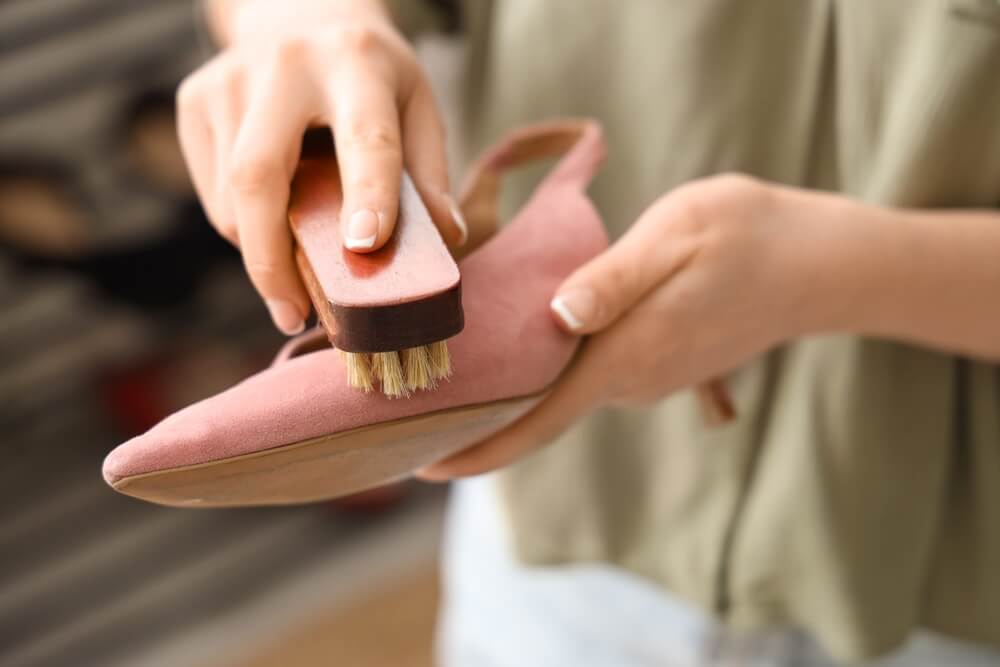
- Brush off dirt with a soft brush or a dry cloth.
- Clean with a damp cloth and saddle soap or a leather cleaner. Saddle soap is made for sturdy shoes and boots, not delicate leather or furniture.
- Wipe off the soap and let them dry, stuffed with paper.
- Condition or polish, then add a waterproofing spray to protect them from rain and salt.
Salt stains: Those white lines from winter sidewalks come off with equal parts white vinegar and water. Dab it on with a cloth, wipe with plain water, let the boots dry, then condition.
When the soles wear thin, take them to a cobbler to be resoled. You can even ask the cobbler to add rubber outsoles to thin leather soles. Good leather boots are worth fixing.
How to Clean a Leather Handbag

Wipe it with a dry microfiber cloth, then a barely damp one with a drop of mild soap for dirty spots. Clean the handles more often, since that's where hand oils build up. Condition it a couple of times a year. Empty the bag out regularly and vacuum the lining with a brush attachment to get rid of crumbs, lipstick caps and old receipts. Ink on a light handbag is tough, so take a designer bag to a leather specialist rather than experimenting.
How to Clean Suede and Nubuck
Suede and nubuck hate water. Keep these on hand: a suede brush and a suede eraser (or a plain white pencil eraser).
- Everyday dirt: Brush gently in one direction to lift the nap and loosen dirt.
- Scuffs and marks: Rub with a suede eraser, then brush.
- Water spots: Let the spot dry completely, then brush in circular motions to blend it in. For a stubborn spot, lightly dampen the whole panel with a damp sponge so it dries evenly, stuff with paper and let it dry, then brush.
- Salt stains: Alternate dabbing with a barely damp sponge and brushing. Stubborn salt comes out with a little white vinegar on a cloth, used sparingly. Let it dry, then brush.
- Grease: Cover with cornstarch, leave it overnight, then brush it off.
- Protect it: Spray new suede with a suede protector before the first wear, and again every season.
How to Store Leather
- Hang leather jackets and garments on wide, padded or shaped hangers so the shoulders keep their shape.
- Cover leather clothes with a breathable cloth bag, never plastic. Plastic traps moisture and can cause mildew, or dry the leather out.
- Keep boots, shoes and handbags in dust bags in a cool, dark, dry spot. Stuff bags and boots with tissue paper to hold their shape.
- Clean and condition leather before storing it for the season, so stains don't set in over the summer.
Leather No-Nos
- Spraying hairspray or perfume near leather. The alcohol dries it out and can leave spots.
- Wearing a leather collar against bare skin. Your skin's oils darken the leather, so wear a scarf.
- Sticking a name badge or adhesive label on leather. It can pull off the finish.
- Using baby wipes, all-purpose cleaners or bleach on leather.
- Drying leather with heat.
- Storing leather in plastic.
How to Clean Leather: Quick Answers
What's the best way to clean a leather couch?
Dust and vacuum weekly. Once a month, wipe it with a barely damp cloth and a few drops of mild soap in lukewarm water, wipe with plain water, and dry. Condition it every 6 to 12 months.
Can I use baby wipes on leather?
It's best not to. Many baby wipes contain alcohol and other ingredients that can dry out leather or strip the finish over time. A damp microfiber cloth works better.
How often should you condition leather?
Every 6 to 12 months for furniture and jackets, more often if the leather sits in the sun, near a heat source, or starts to feel stiff or dry. Don't condition faux leather.
How do you get ink off a leather couch?
On protected leather, dab the ink with a cotton swab dipped in rubbing alcohol, without rubbing, then condition the spot. Test a hidden area first. For aniline leather, call a professional.
Can you get suede wet?
Try not to. Water can spot suede and flatten the nap. If it does get wet, blot it, let it dry naturally away from heat, then brush it to lift the nap again.
Keep Going
Take care of the rest of the house with these related guides:
- How to Clean a Couch: Step-by-step for fabric sofas.
- Upholstery Cleaning Codes: What W, S, W/S and X really mean.
- Wood Furniture Cleaning Tips: Clean wood without ruining the finish.
- Laundry & Stain Removal: How to wash clothes and treat stains.
- How to Wash Sweaters: Without shrinking, stretching or pilling.
- How to Remove Grease Stains From Clothes: Five ways that work.
- How to Organize Clothes: Closet and drawer tips so you can find what you own.
- Furniture Shopping Ideas: How to buy pieces you'll actually love.
- Clean Home
- Laundry Guide
- How to Clean Leather
Free Printable
Notes on Keeping House
Sign up and get my 15-Minute Daily Reset Checklist. One timer, five zones, and a house that stays under control.
Send My ChecklistNo spam, ever. Just smart, funny tips for keeping house from Tara Aronson.