Easy Refrigerator Maintenance Tips: Keep Your Fridge Running
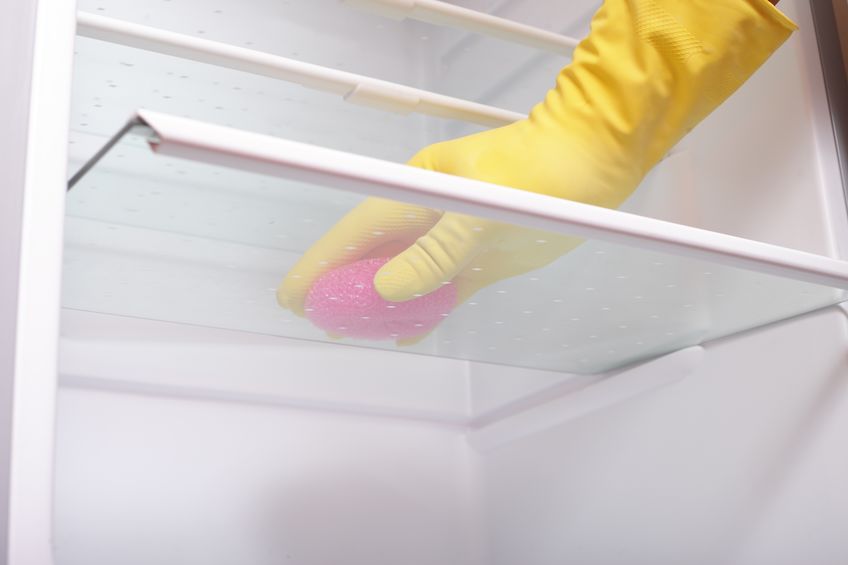
Is your refrigerator running? Then you'd better go catch it. Sorry. Every kid who ever got near a phone made that call, and I'm pretty sure I'm required to mention it on any page about fridges.
Now, the real thing. The refrigerator is one of your home's most important (and expensive) appliances. It runs 24 hours a day, every day, and it asks for very little in return.
Skip that little bit of attention, though, and dust builds up on the condenser coils, the door gaskets loosen their grip and let cold air leak out, and the temperature drifts, putting all the food inside at risk of spoiling.
The good news: most refrigerator maintenance takes 10 minutes at a time. Here's what to do, and when.
Refrigerator maintenance in 7 steps
- Wipe up spills right away and toss old food weekly.
- Deep clean the inside every three months.
- Check the temperature monthly: 40°F or below in the fridge, 0°F in the freezer.
- Test and clean the door gaskets every three months.
- Clean the condenser coils every six months.
- Change the water filter every six months.
- Keep the fridge level, with room to breathe.
Refrigerator Maintenance Schedule
TaskWipe up spills Toss old leftovers and expired food Replace the open box of baking soda Deep clean shelves, drawers and walls Wipe and test the door gaskets Clean the condenser coils Change the water filter Clean the drip pan Check that it's level |
How oftenRight away Weekly Monthly Every 3 months Every 3 months Every 6 months (every 3 with pets) Every 6 months, or when the light comes on When you clean the coils Once a year, or after moving it |
1. Wipe Up Spills Right Away and Clear Out Old Food Weekly
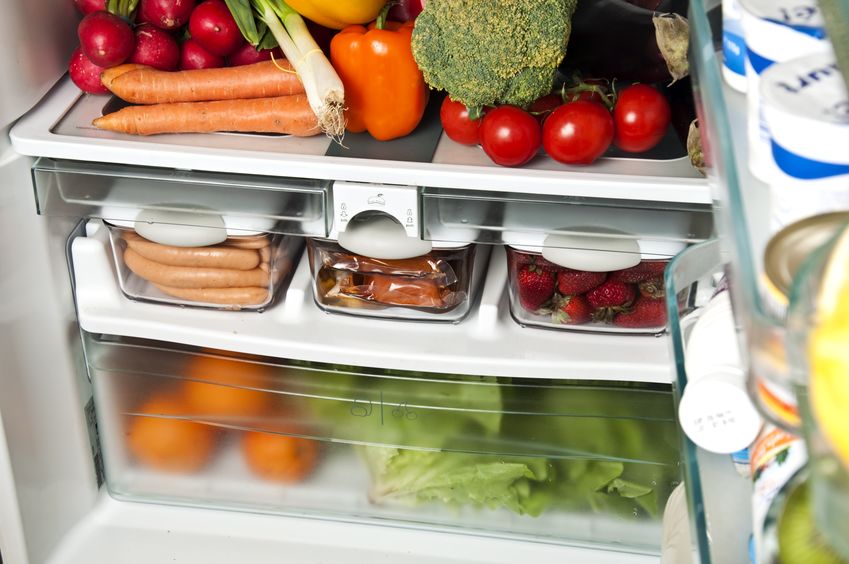
Always wipe up spills right away to keep bacteria from growing. That puddle of chicken juice won't improve with age.
Once a week, clear out old leftovers and anything past its prime. Do it the night before trash day, so the evidence leaves the house on schedule.
Check the expiration dates of the foods and condiments you keep, rotating them so the oldest of any item (milk, for example) is front and center when little hands are searching. (Find out how long food lasts in the refrigerator.)
While you're at it, wipe the door and handles with warm, soapy water. The handles get grabbed more than anything else in the kitchen.
2. Deep Clean the Inside Every Three Months
Every three months, give the inside a real cleaning:
- Unplug the fridge for safety.
- Remove all the food. Put the perishables in a cooler with ice packs while you work.
- Take out the shelves and drawers. Let glass shelves warm to room temperature before you wash them in hot water, or they can crack.
- Dissolve 2 tablespoons of baking soda in 1 quart of warm water. Wash all the interior surfaces, including the top, bottom and walls, with a soft, clean cloth. Pay special attention to corners and crevices.
- Rinse with clean, warm water and dry with a soft, clean cloth.
- Put everything back, tossing anything expired on the way in.
- Remember to plug the fridge back in!
Skip harsh cleaners and anything strongly scented. They can leave a taste behind, and nobody wants lemon-pine butter. [new joke]
If raw meat juice leaked, sanitize that spot after washing: mix 1 tablespoon of unscented liquid chlorine bleach in 1 gallon of water, wipe, then rinse.
Three months feels like forever? Wipe one shelf each time you unload groceries. You'll barely need the big clean.
3. Check the Temperature Every Month
To keep food from spoiling, keep the refrigerator between 34°F and 40°F, and the freezer at 0°F. Above 40°F, bacteria multiply fast. Below 34°F, your lettuce turns into a lettuce popsicle.
You can't depend on the refrigerator's little gauge (1-5). Get an inexpensive appliance thermometer and keep it on the middle shelf. Check it once a month.
Hot food can go straight into the fridge. Yes, really. Your mother may have told you to let leftovers cool on the counter first, but the USDA says the counter is the risky part. [new joke] Divide big batches into shallow containers so they cool fast, and get all leftovers into the fridge within two hours.
Don't overload the refrigerator, either. Cold air needs room to move, and packed shelves create warm spots.
Parties are a dangerous time because you cram a lot of food into the fridge and then continually open the door. Turn the temperature down a notch during these occasions to keep the food cold.
More on why the numbers matter: The Refrigerator Temperature Matters and Refrigerated Food Storage Tips.
4. Test and Clean the Door Gaskets Every Three Months
The rubber seals around the doors (the gaskets) keep cold air in. It's common for them to weaken, loosen or tear within a few years. A leaky seal makes the fridge run longer and harder, and you pay for every extra minute on your electric bill.
The paper test: close the door on a piece of paper or a dollar bill so it's half in and half out. If it slides out easily, the seal is leaking. Try several spots around the door, including the corners.
Every three months, wash the gaskets with warm, soapy water, getting into the folds where crumbs and spills hide, then towel dry.
If a gasket is torn or cracked, replace it. Replacement gaskets are sold by your fridge's model number. (Read more tips for saving energy in the kitchen.)
5. Clean the Condenser Coils Every Six Months
Condenser coils are the massive, radiator-like thing usually found behind the toe grille at the bottom front of your refrigerator, or on the back.
Built-up dust makes the fridge work harder, and enough of it can make the unit overheat and shut down. Clean the coils every six months:
- Unplug the fridge.
- Pop off the toe grille, or carefully pull the refrigerator out several feet from the wall (newer models roll on casters).
- Loosen the dust with a long, skinny coil brush or a long-handled bottle brush.
- Vacuum it up with the hose attachment.
- Sweep or vacuum the floor you've revealed. Expect to rediscover coins, bottle caps, and twist ties you and the cat knocked there over the past year.
- Push the fridge back and plug it in.
Got pets? Clean the coils every three months. Fur loves condenser coils even more than it loves your black pants.
6. Change the Water Filter and Clean the Ice Maker
If your fridge has a water dispenser or ice maker, change the filter every six months, or when the indicator light comes on. Your manual lists the filter model. Signs it's overdue: slow water, or ice that tastes like the inside of your freezer.
Once or twice a year, dump the ice bin, wash it in warm, soapy water, dry it and let the ice maker refill it. Old ice soaks up odors.
7. Keep It Level, With Room to Breathe
A fridge that isn't level can leave the doors hanging open a crack. Many models are meant to tilt back slightly so the doors swing shut on their own. Adjust the front feet or rollers as your manual describes.
Leave the space your manual calls for at the sides, top and back, so heat can escape. A fridge wedged into a tight cabinet runs hotter and works harder.
If your model has a removable drip pan underneath, pull it out and wash it when you clean the coils. It's a classic hiding spot for mystery smells.
Keep Fridge Odors Away
Put an open box of baking soda at the back of a low shelf to absorb food odors so your other edibles don't. Replace it every month.
For a smell that won't quit, wipe the inside with equal parts white vinegar and water. Still there? Here's the full plan: Fridge Odor Removal Tips.
Signs Your Fridge Needs a Repair (or a Replacement)
Call for service if you notice:
- The fridge runs constantly, or clicks on and off over and over
- The thermometer reads above 40°F, or food spoils early
- Frost builds up in the freezer
- Water pools inside or underneath
- The sides or back feel hot
- New grinding, buzzing or rattling noises
Before you call, clean the coils and do the paper test. Those are the cheap fixes, and they're worth trying first.
Should You Replace an Old Fridge?
Finally, remember the adage "Out with the old, in with the new"? Refrigerators usually last 15 to 20 years. A 20-year-old fridge uses about 1,700 kilowatt-hours a year. A similar new ENERGY STAR model uses about 450. At 12 cents a kilowatt-hour, that's about $150 a year back in your pocket.
If yours is pushing 20, or the repair estimate runs more than a few hundred dollars, start shopping. Ask your utility about haul-away programs for the old one. Some will take it for free, and some even pay you.
Frequently Asked Questions
How Often Should I Clean My Refrigerator Coils?
Every six months. Clean them every three months if you have pets, since fur clogs coils fast.
What Temperature Should My Refrigerator Be?
Between 34°F and 40°F, and never above 40°F. Keep the freezer at 0°F. Check with an appliance thermometer, not the dial.
Can You Put Hot Food in the Refrigerator?
Yes. The USDA says hot food can go straight into the fridge. Split big batches into shallow containers so they cool quickly, and refrigerate leftovers within two hours.
How Do I Know if My Refrigerator Door Seal Is Bad?
Close the door on a piece of paper or a dollar bill. If it slides out easily, the seal is leaking. Also look for cracks, tears or a gasket that's pulling away from the door.
How Often Should I Clean Out My Refrigerator?
Toss old food once a week and deep clean the inside every three months. Wipe up spills right away.
How Long Does a Refrigerator Last?
Usually 15 to 20 years. Regular coil cleaning and tight door seals help yours reach the high end.
Keep Going
Keep your kitchen running as smoothly as your fridge with these related guides:
- The Refrigerator Temperature Matters: Why 40°F is the magic number, and how long foods keep.
- Fridge Odor Removal Tips: Get rid of that smell for good, and keep it from coming back.
- Refrigerated Food Storage Tips: What goes on which shelf, and why it matters.
- Food Shelf Life Guide: How long food really lasts in the fridge, freezer and pantry.
- Cleaning Small Kitchen Appliances: Toaster, coffee maker, blender and the rest of the countertop crew.
- Oven Cleaning Tips: Tackle the other big kitchen appliance without the fumes.
- Kitchen Energy Saving Solutions: Cut your electric bill one appliance at a time.
- Preventative Home Maintenance Checklist: The monthly, seasonal and yearly jobs that keep the whole house running.
- Clean Home
- Kitchen Cleaning & Organizing
- Refrigerator Maintenance Tips
Free 15-Minute Daily Reset Checklist
Get Notes on Keeping House
Fifteen minutes a day. No weekend cleaning marathons. No guilt. Sign up for my newsletter and I'll send you the printable checklist that makes it happen.
Send My ChecklistNo spam, ever. Unsubscribe anytime.
Free Printable
Notes on Keeping House
Sign up and get my 15-Minute Daily Reset Checklist. One timer, five zones, and a house that stays under control.
Send My ChecklistNo spam, ever. Just smart, funny tips for keeping house from Tara Aronson.