How to Remove Rust From Metal
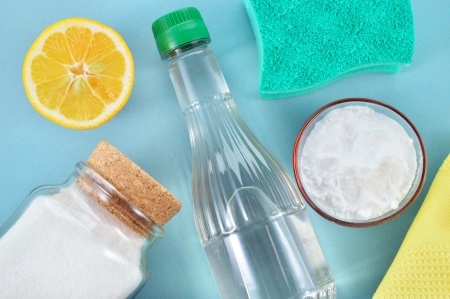
Rust is what happens when iron, water and air get together and nobody chaperones. One day your garden shears are shiny. The next, they look like they've been salvaged from a shipwreck. The patio chairs, the cast iron skillet, the toolbox in the garage and that chrome faucet nobody dried off are all fair game.
Good news: most rust comes off with things already in your kitchen. Start with the gentlest method that works, and save the heavy-duty stuff for the really stubborn spots. Here's how to remove rust from metal, from a light orange haze to a crust that crunches.
Before You Start
- Brush off the loose rust first with a stiff brush, a wire brush or crumpled aluminum foil. It helps the treatments get to the rust underneath.
- Wear gloves. Rust and acids are hard on your hands.
- Test on a hidden spot if the metal is painted, plated or has a finish you care about.
- Always rinse and dry right away when you're done. Wet, freshly cleaned metal rusts again fast. (It's called flash rust, and it's very annoying.)
Method 1: Baking Soda Paste (Light Rust)
Best for light surface rust and thin metal you don't want to scratch, like knives, small kitchen tools and chrome.
- Mix baking soda with a little water into a thick paste.
- Spread it over the rusty area and let it sit for at least 30 minutes, or a couple of hours for heavier rust.
- Scrub with an old toothbrush or a non-scratch pad.
- Rinse and dry thoroughly.
Method 2: White Vinegar Soak (Medium Rust)
The acetic acid in vinegar dissolves rust, and it's great for anything small enough to dunk: tools, nuts and bolts, hinges, garden shears and old hardware.
- Submerge the rusty item in white vinegar.
- Let it soak overnight, at least 8 hours. For really rusty pieces, give it up to 24 hours.
- Scrub off the loosened rust with a stiff brush or steel wool. Finish with a finer pad if the metal has a smooth finish.
- Rinse well, dry immediately and wipe with a light coat of oil.
Too big to soak? Wrap the rusty part in a rag or paper towels soaked in vinegar, cover it with plastic wrap so it doesn't dry out and let it sit overnight.
Don't leave thin or delicate metal in vinegar for days. The acid keeps working on the metal after the rust is gone.
Method 3: Lemon (or Lime) and Salt
No, it's not margarita time. (Yet.) The citrus provides the acid and the salt provides the scrub.
- Wet the rusty area so the salt sticks.
- Sprinkle salt generously over the rust.
- Squeeze lemon or lime juice over the salt, until it's saturated.
- Let it sit for 2 to 3 hours.
- Scrub the salt into the rust with the lemon rind or a brush.
- Rinse and dry well.
For a soaking version, dissolve a few tablespoons of citric acid powder (in the canning aisle) in a container of hot water and soak small items for a few hours.
Method 4: Aluminum Foil (Chrome)
Rust spots on chrome, like bike handlebars, faucets, car bumpers and patio furniture legs, come off with nothing more than a ball of aluminum foil. Dip a crumpled ball of foil in water (or white vinegar for stubborn spots) and rub the rust. The foil is softer than chrome, so it won't scratch, and it polishes as it goes. Rinse, dry and buff.
Method 5: Naval Jelly (Stubborn Rust)
Still rusty? Break out the naval jelly rust dissolver, an old faithful that's been around for generations. It's strong stuff, made with phosphoric acid, so follow the safety steps:
- Work outside or in a well-ventilated space, never in a closed room.
- Wear rubber or plastic gloves and safety glasses or a face shield.
- Remove loose dirt and rust with a wire brush.
- Brush on a generous coat of naval jelly and let it stand for 15 minutes. No longer.
- Rinse with water and check the results.
- Repeat if any rust remains, then dry thoroughly.
Keep naval jelly off chrome, aluminum, stainless steel and painted surfaces, and away from kids and pets.
What to Use on What
- Garden and hand tools: Vinegar soak, then a wire brush. Wipe with oil before storing.
- Chrome faucets and fixtures: Aluminum foil, or baking soda paste.
- Knives and kitchen tools: Baking soda paste, or a short lemon-and-salt scrub. Dry right away.
- Metal patio furniture: Wire brush and naval jelly for heavy rust, then prime and paint with a rust-resistant paint. Here's how to clean patio furniture.
- Cast iron pans: Scrub off the rust with steel wool and a little water, rinse, dry completely on the stovetop, rub with a thin coat of oil and bake upside down at 450°F for an hour to reseason.
- Rust stains on fabric: That's a different job. Here's how to remove rust stains from clothes.
When to Give Up
If the rust has eaten holes in the metal, flakes off in layers or the metal bends when you press on it, the rust won. That's structural damage, and no cleaner will fix it. Replace the part, especially anything that holds weight, like a ladder, a chair or a car part.
How to Prevent Rust
- Dry metal right away. Water is rust's best friend.
- Protect it. Wipe tools with a light coat of oil. Apply a coat of liquid car wax to metal furniture, chrome and bike frames.
- Store metal somewhere cool and dry. A damp garage or shed is a rust factory. Toss a few silica gel packets in your toolbox.
- Touch up chipped paint on outdoor metal right away, before rust gets a foothold.
- Cover outdoor furniture and grills in the off-season.
How to Remove Rust: Quick Answers
What's the fastest way to remove rust from metal?
For small items, soak them overnight in white vinegar, then scrub with a wire brush. For stubborn rust, a naval jelly rust dissolver works in 15 minutes.
Does vinegar remove rust?
Yes. White vinegar dissolves rust in about 8 to 24 hours. Soak small items, or wrap larger ones in a vinegar-soaked rag. Rinse and dry well afterward.
Can baking soda remove rust?
Yes, for light surface rust. Make a thick paste with water, leave it on for 30 minutes or more, then scrub and rinse.
How do you remove rust from chrome?
Rub it with a ball of aluminum foil dipped in water or white vinegar. The foil won't scratch the chrome, and it polishes as it removes the rust.
How do you keep metal from rusting?
Dry it right away, store it somewhere dry, and protect it with a light coat of oil or car wax.
Keep Going
Clean up the rest of the house with these related guides:
- How to Remove Rust Stains From Clothes: Even old ones.
- Bathroom Rust Stains That Won't Go Away: A reader question, answered.
- How to Clean Patio Furniture: Cushions, wicker, metal and more.
- How to Clean Copper: Pots, pans, mugs and tarnish.
- How to Clean Silver, Brass and Pewter: Get the serving pieces party-ready.
- How to Clean Stainless Steel Pans: Even burnt ones.
- How to Clean a Grill: Gas and charcoal, step by step.
- Garage Storage Ideas: Keep tools dry and off the floor.
- Clean Home
- Clean
- How to Remove Rust From Metal
Free 15-Minute Daily Reset Checklist
Get Notes on Keeping House
Fifteen minutes a day. No weekend cleaning marathons. No guilt. Sign up for my newsletter and I'll send you the printable checklist that makes it happen.
Send My ChecklistNo spam, ever. Unsubscribe anytime.
Free Printable
Notes on Keeping House
Sign up and get my 15-Minute Daily Reset Checklist. One timer, five zones, and a house that stays under control.
Send My ChecklistNo spam, ever. Just smart, funny tips for keeping house from Tara Aronson.