Marble Cleaning Tips:
How to Clean Marble Without Ruining It
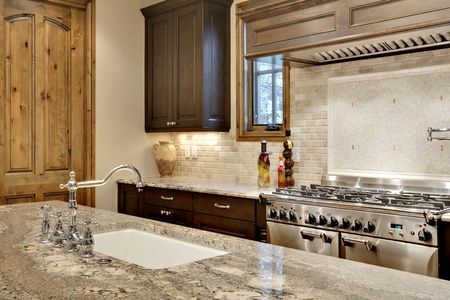
Marble is gorgeous. It's also a bit of a diva. Spill a glass of orange juice on it, wipe it with the wrong cleaner or set down a wet wineglass, and it'll hold a grudge (in the form of a dull spot) for years.
And here's the twist: if your marble countertops or floors look streaky or filmy, you might not be under-cleaning them. You might be over-cleaning them, with too much soap. The results look about the same.
The good news is that learning how to clean marble is simple once you know its few quirks. Here's how to keep it clean, shiny and stain-free.
The short version:
- Clean with warm water and a pH-neutral stone cleaner (or a tiny bit of mild dish soap).
- Never use vinegar, lemon or other acids.
- Blot spills immediately.
- Rinse well and buff dry with a soft cloth.
- Use coasters, trivets and cutting boards, and reseal as needed.
What Makes Marble Different
Marble is a natural stone made mostly of calcium carbonate, which has two weaknesses:
- It's porous. Liquids soak in, so spills can turn into stains.
- It reacts to acid. Vinegar, lemon juice, wine, tomato sauce, soda and many bathroom cleaners eat into the surface and leave dull, rough spots called etches.
Know those two things, and you know most of what it takes to care for marble.
How to Clean Marble Countertops and Floors
1. Clear and dust. Wipe crumbs off counters, or dust-mop floors to pick up grit, which can scratch the surface.
2. Wash gently. Use warm water and a pH-neutral stone cleaner, or a few drops of mild dish soap in a sink full of warm water. Use a soft cloth on counters and a clean, damp mop on floors.
3. Go easy on the soap. Too much leaves a streaky film. A little goes a long way.
4. Rinse well with clean water to remove any cleaning solution.
5. Buff dry with a soft, clean cloth. Marble water-spots easily, so drying is what brings back the shine.
For quick everyday wipe-ups, plain warm water and a soft cloth are often all you need.
What Not to Use on Marble
This list matters more than the one above:
- Vinegar, lemon and other acids. Yes, even the "natural" cleaners your neighbor swears by. They etch marble.
- Most all-purpose, glass and bathroom cleaners, which are often acidic or alkaline. Check the label for "safe for natural stone."
- Scouring powders and creams, which scratch and dull the finish.
- Abrasive pads, steel wool and stiff brushes.
Act Fast on Spills
Because marble is porous, spills can stain fast, especially wine, coffee, juice and oil.
1. Blot, don't wipe. Wiping just spreads the spill.
2. Rinse with warm water and a drop of mild dish soap.
3. Rinse again with plain water to remove all traces.
4. Dry thoroughly with a soft cloth.
How to Remove Stains From Marble
First, figure out what you're dealing with:
- A stain is darker than the marble around it, because something soaked in.
- An etch is a dull, lighter or rough spot where acid ate the polish. It's not a stain, and no cleaner will remove it.
For stains, try a poultice, a paste that draws the stain back out of the stone:
- Oil stains (cooking oil, lotion): Mix baking soda with water into a thick paste.
- Coffee, tea, wine or fruit stains on light-colored marble: Mix baking soda with hydrogen peroxide. (Skip this on dark marble, which it can lighten.)
Spread the paste about 1/4 inch thick over the stain, cover it with plastic wrap, tape down the edges and let it sit for 24 to 48 hours. Then remove, rinse and dry. Repeat if needed. Always test in an out-of-the-way spot first.
For etches, light dull spots can sometimes be buffed out with a marble polishing powder. Deeper etching needs a stone restoration professional.
How to Protect Marble
- Use coasters, trivets and cutting boards. Especially under glasses of wine, juice or anything acidic, and anything hot.
- Put mats at entrances and dust-mop marble floors often. Grit underfoot acts like sandpaper.
- Seal it. Most marble countertops need resealing periodically. To test, put a few drops of water on the surface. If it darkens the stone within a few minutes, it's time to reseal.
- Don't stand on marble counters to reach high shelves. Yes, people do this. Marble can crack.
Marble Cleaning FAQs
Can you use vinegar on marble? No. Vinegar is acidic and will etch marble, leaving dull spots.
What's the best cleaner for marble? A pH-neutral stone cleaner, or warm water with a small amount of mild dish soap.
How do I make marble shiny again? Clean with a stone-safe cleaner, rinse well and buff dry with a soft cloth. If it's still dull, it may be etched or worn and need polishing.
Can I use disinfecting wipes on marble? Many wipes contain ingredients that can dull marble over time. Check the label for "safe for natural stone," or use a stone-safe disinfectant.
How do I know if my marble needs sealing? Drip a little water on it. If the stone darkens within a few minutes, reseal it.
Wipe It Daily, Worry Less
The secret to beautiful marble is catching spills before they set in. My book The Daily Home Reset includes a simple 15-minute kitchen reset, so counters get wiped every day and spills never get the chance to become stains.
Keep Going
Keep every surface in your home clean and protected with these related guides:
- House Cleaning Guide: Room-by-Room Tips, Routines & Checklists: Practical advice for cleaning every room.
- How to Clean Hardwood Floors: 20 tips that won't damage your floors.
- Tips for Cleaning Floors: How to clean tile, vinyl, carpet and more.
- 7-Step Kitchen Cleaning: A sparkling kitchen, step by step.
- 7-Step Bathroom Cleaning: A clean bathroom in minutes.
- Kitchen Cleaning & Organizing: A Complete Guide: Everything you need for a clean, organized kitchen.
- Green Home Cleaning Tips: Clean safely without harsh chemicals.
- Cleaning Products Defined: What each type of cleaner does, and when to use it.
- Clean Home
- Clean
- Marble Cleaning Tips