Allergy Relief Cleaning Tips
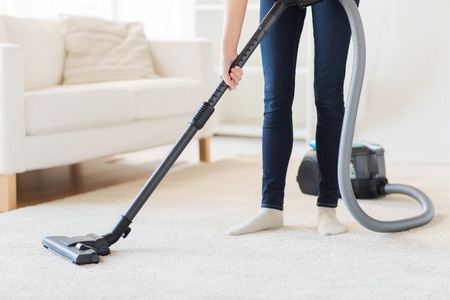
If you're enduring seasonal allergies, these allergy relief cleaning tips offer a ray of hope, a better night's sleep, and a more comfortable day.
Perhaps worse than being hampered by hay fever or a chronic cough is knowing four of the most common allergy and asthma triggers probably lurk right under your nose.
Animal dander. Dust and dust mites. Mold and mildew. And that seasonal debutante, pollen.
These allergy relief cleaning tips are designed to empower you and your family to breathe better and live more comfortably.
Allergy Relief Cleaning Tips for Bedrooms
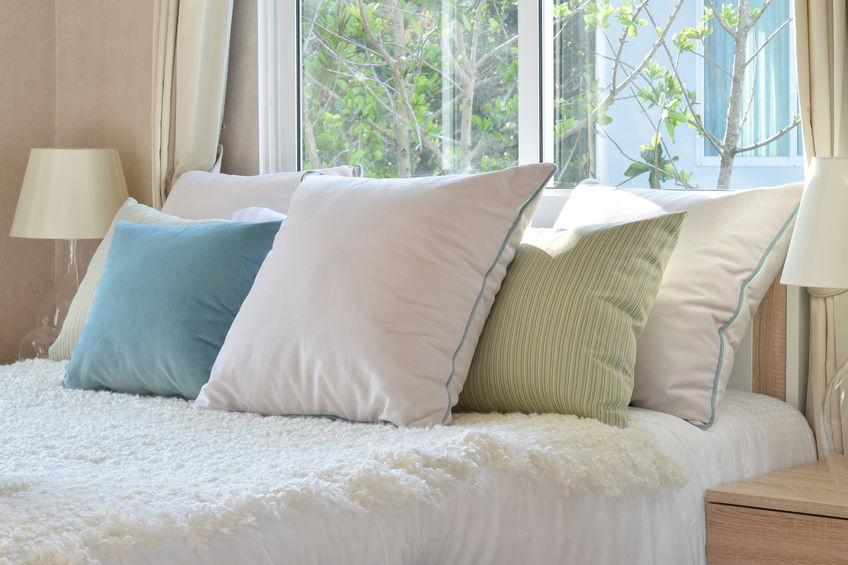
The bedroom is a dust mite's home base, thanks to the proliferation of shed skin. Whether you notice it or not, your skin flakes - and that produces a mite's favorite meal.
Which, naturally, leads to our immune system's allergic reaction - and its side effects, including watery eyes and a runny nose. Be especially diligent in your allergy relief cleaning here:
- Remove carpeting in favor of bare floors if asthma or dust allergies are severe.
- Dust frequently with a damp cloth or furniture-dusting product.
- Vacuum weekly using a double-bagged, HEPA-filtered vacuum cleaner.
- Launder curtains regularly. Better yet, replace dust-magnet curtains with shades for year-round allergy relief. Avoid blinds - they're dust magnets, too.
- Control clutter because it allows dust mites, pet dander, and the residue of allergy season to accumulate. Remove dust collectors, such as magazines, knick-knacks, and stuffed animals, or store them in closed boxes or in cloth bags.
- Store shoes, belts, and other small items in boxes or cloth or canvas bags.
- Wash bedding and pajamas at least weekly in warm water and dry on the hottest setting. This second step is crucial for removing dust mites and allergens. Blankets, comforters, and mattress pads should be washed monthly.
- Vacuum both sides of the mattresses for at least 2 minutes, twice monthly. This will reduce the dust and allergens nesting there, allowing everyone to breathe easier at night.
- Keep furry or feathered pets out of the bedroom. If one takes a catnap on the bed, wash the bedding as soon as possible. Get tips on living with pets you're allergic to.
Kitchen Allergy Relief Cleaning Tips
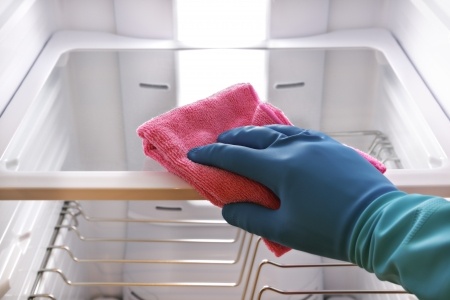
Mold and mildew are your biggest challenges here.
- Keep under-sink cabinets and countertops clean and dry.
- Clean the kitchen regularly using a disinfectant (antibacterial) cleaner formulated to kill mildew.
- Moisture inside the fridge makes it a prime breeding ground for mold. Clean the walls and shelves regularly using a non-abrasive, all-purpose cleaner or a baking soda and water solution. Wipe up any water that accumulates in the crisper drawers, and clean them regularly.
Bathroom Cleaning for Allergy Relief

Bathroom cleaning for allergy relief: More mold-and-mildew patrol. The warm, wet environs are prime growing grounds for these two unsightly interlopers.
To help prevent this growth and the allergic side effects it can cause in some people, repair any leaks, use the exhaust fan after bathing, keep air circulating, and keep surfaces clean and dry.
- Wash fabric curtains with detergent and liquid bleach (or the color-safe variety). Pre-soak heavily mildewed areas in 1/4 cup of bleach and 1 gallon of water.
- Vinyl shower curtains should be scrubbed with liquid bleach or a mildew remover before washing. Don't put them in the dryer.
- After showering, sponge or squeegee dry the shower walls.
- Keep the shower door or curtain open after use.
- Clean shower stalls and bathtubs using a non-abrasive all-purpose or disinfectant cleaner.
- Mold-and-mildew patrol requires a mildew remover. Use in a well-ventilated area; most shouldn't be used by a person with asthma. Disinfectant cleaners used two or three times a week will prevent mildew from getting a toehold in the future.
Cleaning Living and Family Rooms
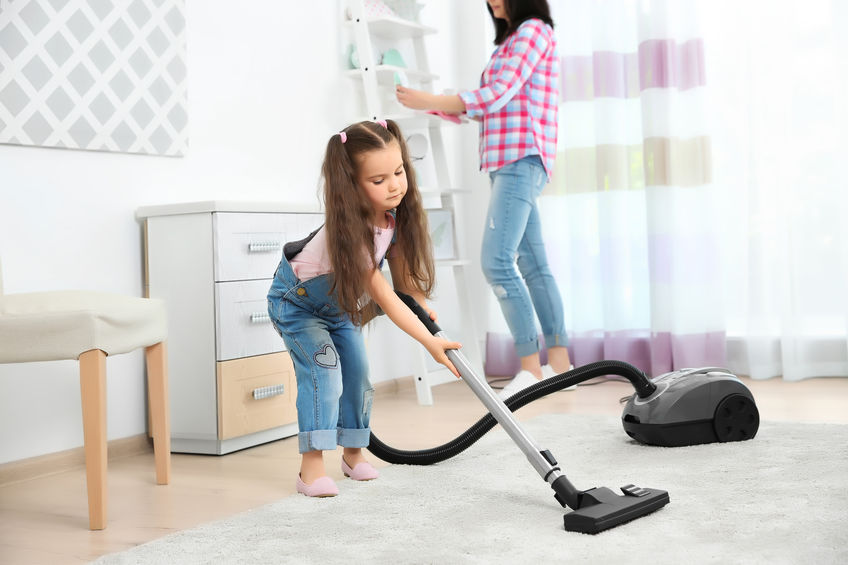
Here, you'll often find a potpourri of dust and dust mites, animal dander, pollen, mold, and mildew. Vacuum weekly with an allergen-control vacuum, more often if you have a pet and during heavy allergy seasons.
Go against the carpet's nap, taking at least six to eight strokes over each area. Empty or replace the bag when it is half full. (Fuller bags result in less suction power, meaning a less efficient vacuuming session.)
Assign this task to someone other than the allergy sufferer. The allergic resident should wear a disposable mask and stay out of the area for 30 minutes after vacuuming.
- rea rugs should be used in front of all entryways to trap and hold dust, dirt, and outdoor allergens as far away from the living areas as possible. They should be regularly shaken outdoors and away from open windows and your face. They should be laundered weekly to remove dust mites, animal dander, pollen, and mold spores.
- Vacuum wood floors.
- Dust regularly with a damp cloth or furniture-dusting product. Dry dusting sends dust spiraling into the air and back down on your surfaces.
- Launder curtains frequently to remove dust and dust mites.
- Clean window frames and sills regularly. Be on the lookout for condensation, mold, and mildew.
- Regularly wash soft, machine-washable toys.
Attic and Basement Allergen Patrol
Mold, mildew, dust, and dust mites reside here happily, thanks to the usually warm, dark, and moist atmosphere.
- Store items in plastic boxes or closed cloth bags.
- If mold and mildew are recurring problems that cause allergy symptoms, such as watery eyes and a runny nose, use a dehumidifier to keep the relative humidity between 35 and 50 percent.
- Clean Home
- Clean
- Allergy Relief Cleaning Tips