Preparing for Holiday Entertaining: Your Stress-Free Hosting Plan
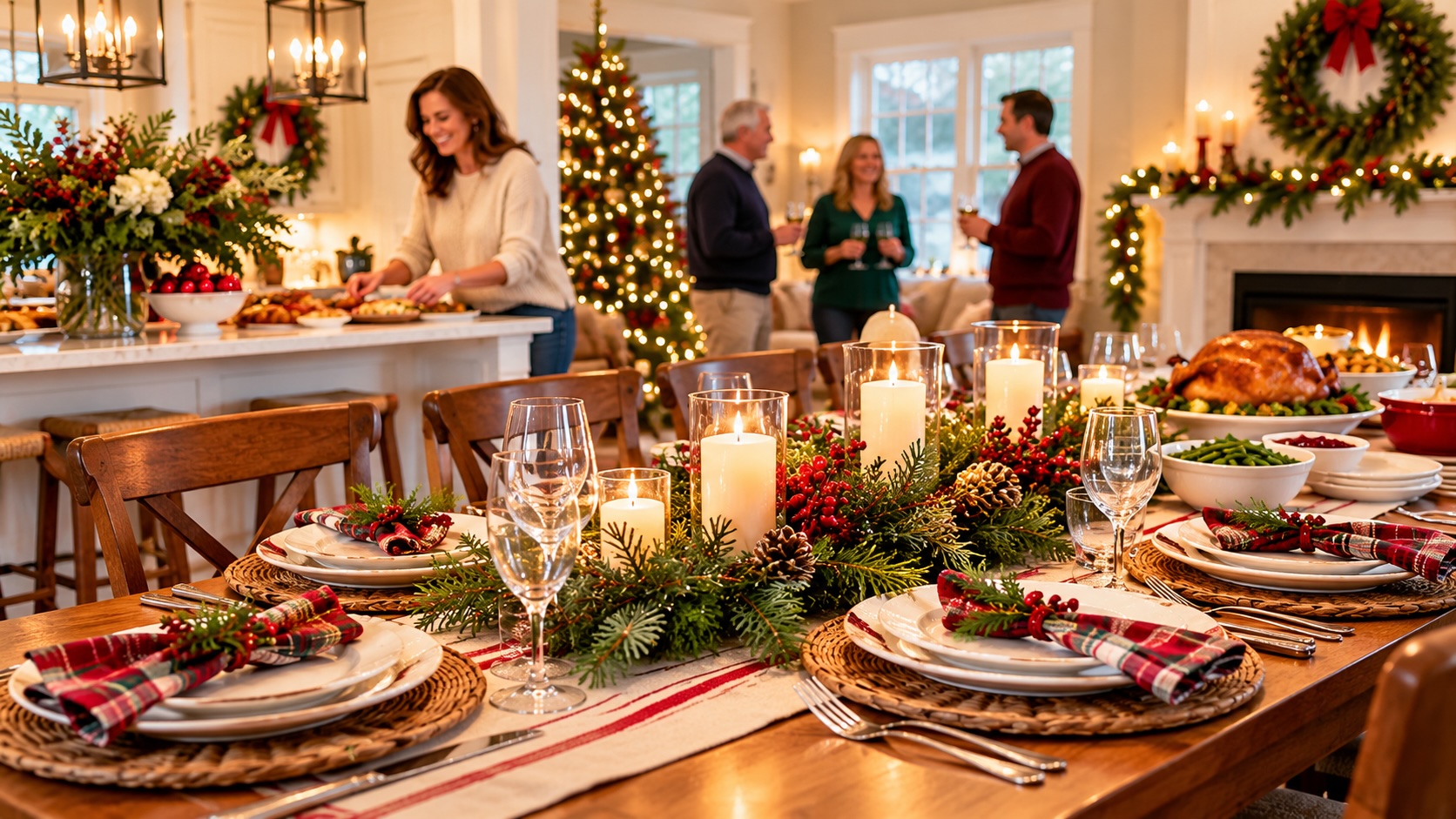
There is a peculiar stage of holiday entertaining when you've invited everyone, planned the menu, and felt quite pleased with yourself.
Then you look around the house. Where are the coats going? Do you have enough chairs?
When did the bathroom run out of hand soap? Why are there six boxes in the entryway? And, most urgently: Where is everybody going to sit?
Hosting doesn't become stressful because you forgot to create a twelve-foot floral centerpiece.
It becomes stressful because 15 people are arriving at 5:00 and at 4:40 you're simultaneously cleaning the toilet, looking for serving spoons, and discovering the dining table is still functioning as package headquarters.
The solution isn't more elaborate entertaining. It's doing things in the right order.
Here's how to prepare your home, food, and yourself without spending the entire week staging a lifestyle photograph.
1. Decide What Kind of Gathering You're Having
Start here. Is this:
- Christmas dinner?
- Cocktail party?
- Open house?
- Family brunch?
- Dessert party?
- Casual buffet?
- Children's gathering?
- Overnight family visit?
Different gatherings require different levels of preparation.
A two-hour drinks-and-appetizers party does not require the same household mobilization as four relatives staying through Monday.
Define the event before you start preparing for it. Otherwise, you'll prepare for all possible versions simultaneously.
2. Confirm the Guest List
Get a reasonably accurate head count. You need it for:
- Food
- Drinks
- Seating
- Place settings
- Parking
- Sleeping arrangements
- Children's needs
Also find out whether guests are bringing children, partners, or other people you weren't expecting.
“Of course we're bringing the twins” is useful information before you've set a table for eight.
3. Ask About Dietary Restrictions
Before planning the final menu, ask about serious food allergies and significant dietary restrictions. Don't wait until guests arrive to discover that the main dish doesn't work for three people.
You don't have to create an individual menu for every preference. You do need enough information to make sensible choices and avoid promising allergy safety you cannot confidently guarantee.
Know what you're serving. Know what's in it. When you're uncertain, say so.
4. Plan the Menu Around Your Actual Kitchen
Holiday enthusiasm can produce a menu requiring: Three ovens. Nine burners. Four refrigerators. And a professional pastry department.
You probably have one kitchen. Plan accordingly. Look at:
- Oven space
- Burner space
- Refrigerator space
- Prep space
- Cooking times
- Serving temperatures
If six dishes all need to be in the oven at 375 degrees at 4:45, congratulations. You've discovered the problem while there's still time to fix it. The holiday kitchen survival guide can help.
5. Don't Make Everything Yourself
Buy something. Ask someone to bring something. Maybe several things. Good candidates include:
- Bread
- Dessert
- Appetizers
- Drinks
- Side dishes
Homemade is lovely. So is enjoying your own party. Nobody leaves Christmas dinner saying, “Beautiful evening, but I strongly suspect she didn't bake that baguette.”
6. Make a Cooking Timeline
Once the menu is set, work backward from serving time. Write down:
- What can be made several days ahead
- What can be made the day before
- What needs refrigeration
- What needs reheating
- What requires the oven
- What must happen immediately before serving
Then assign approximate times. This is far more useful than discovering at 5:15 that the potatoes require another 45 minutes.
Dinner should have a timeline. It doesn't need suspense.
7. Check Your Serving Pieces Early
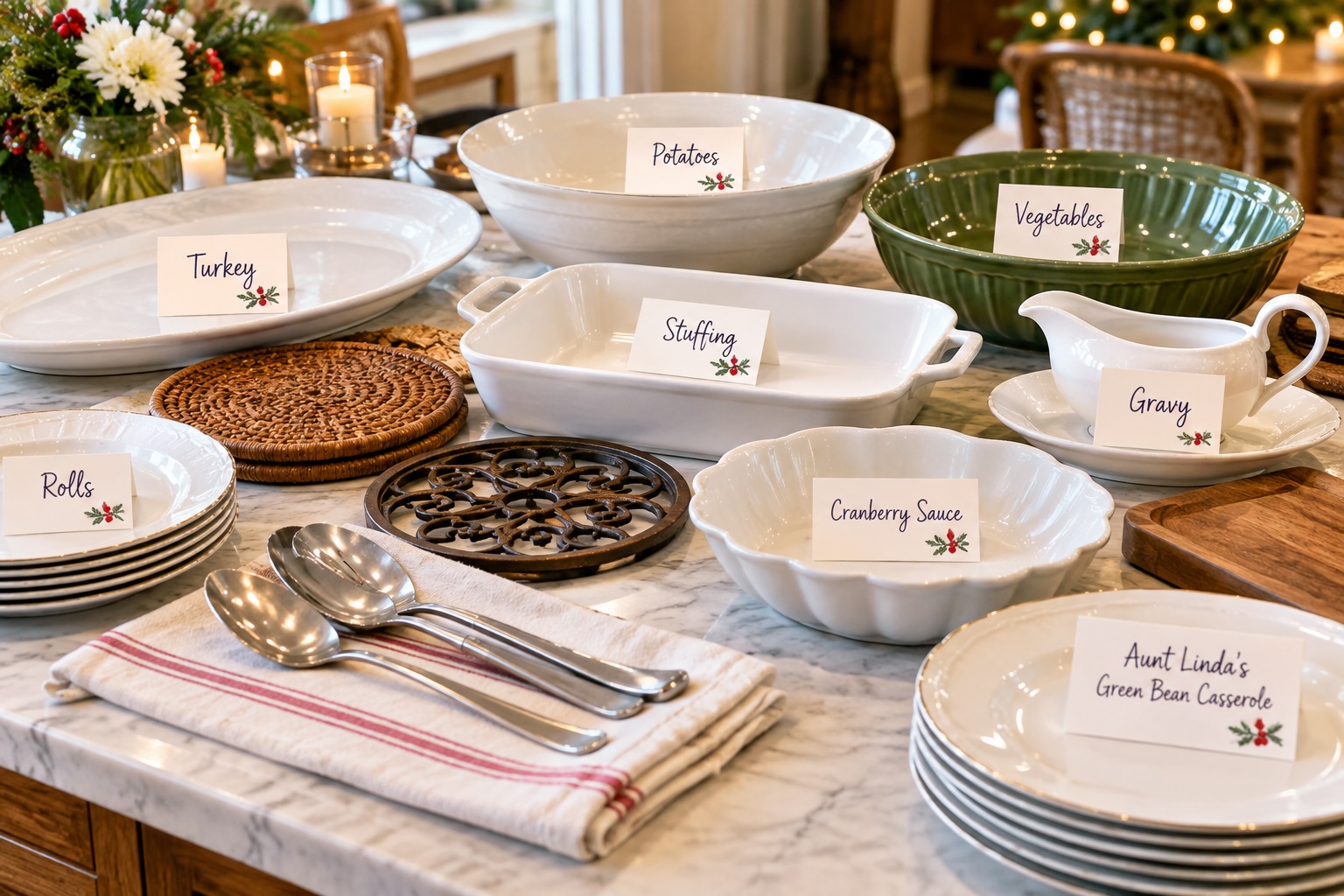
Several days before the event, figure out what you're serving everything in. Check for:
- Platters
- Serving bowls
- Serving spoons
- Trivets
- Pitchers
- Salad servers
- Gravy boat if your family believes strongly in gravy boats
You don't need matching pieces. You need enough functional ones. A mixing bowl can become a serving bowl if necessary. It will recover from the career change.
8. Check Seating Before Party Day
Count chairs. Then count guests. This is advanced mathematics worth doing early. If you're short, decide whether to:
- Borrow chairs
- Use stools
- Create multiple seating areas
- Serve buffet-style
- Rearrange furniture
Not every gathering requires a formal seat for everyone. But if you're planning a seated dinner, “somebody can sit on the ottoman” should not be discovered during grace.
9. Decide Where Coats and Bags Will Go
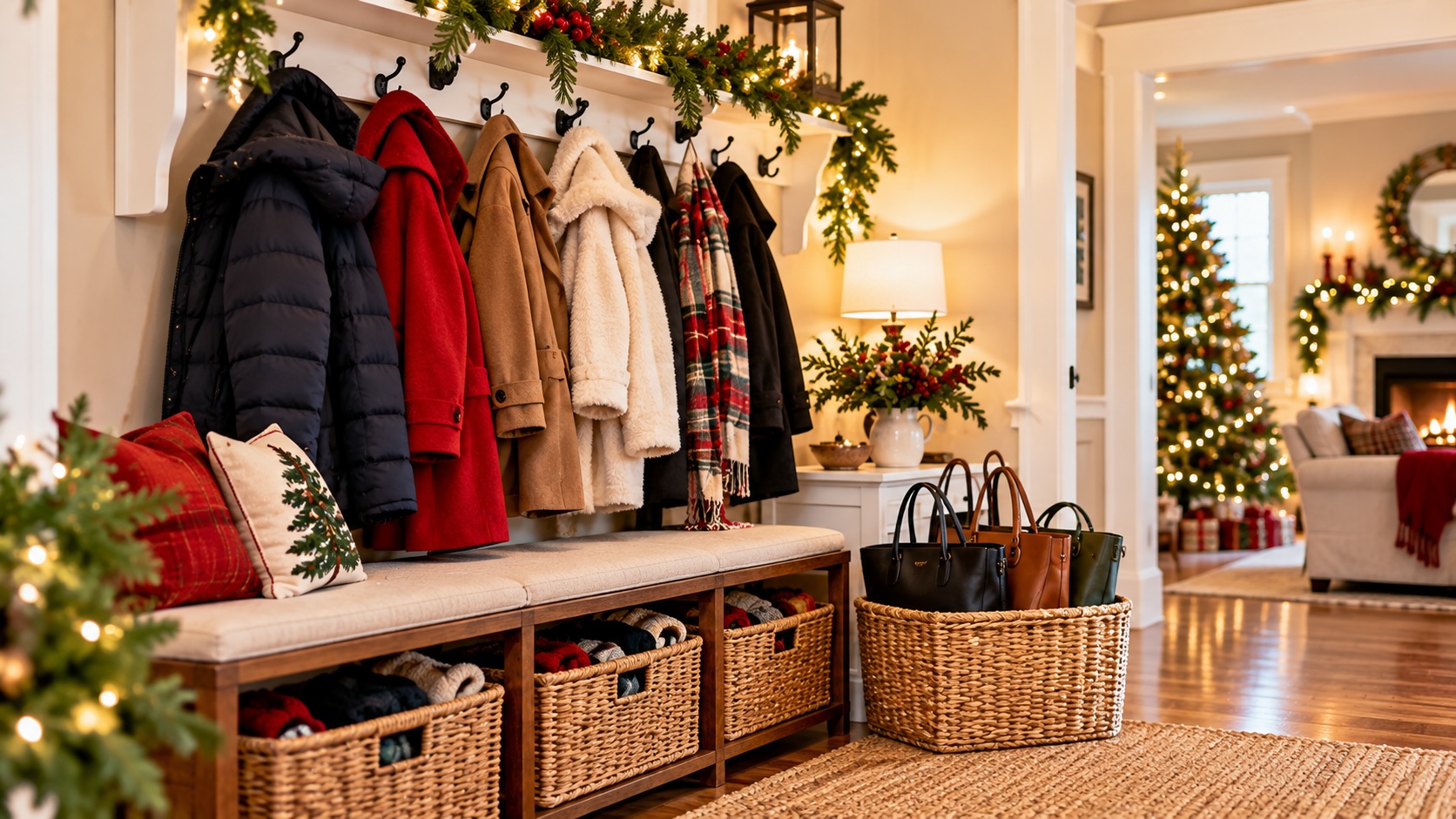
Holiday guests arrive with equipment. Coats. Handbags. Gifts. Food. Umbrellas. Children's things.
Give these objects somewhere to land. Clear a coat closet, designate a bedroom, set up hooks, or choose another convenient location.
Do this before guests arrive.
Otherwise, the first six coats go on a chair. Then the chair disappears. Then another chair becomes Coat Chair II.
Soon you've lost half the seating.
10. Clear the Entryway
Your entrance has one important holiday job: Let people enter. Remove:
- Excess shoes
- Packages
- Shopping bags
- Unnecessary furniture
- Household clutter
Make the walking path obvious. If the weather is wet, have a plan for umbrellas, wet shoes, and slippery floors. The entrance doesn't need to be beautifully styled. It needs to function.
11. Declutter Before You Clean
Do not begin by cleaning around clutter. First remove:
- Toys
- Clothes
- Packages
- Shopping bags
- Random household objects
Put obvious things away. For everything else, put it in a basket and temporarily move it out of the entertaining areas. You can sort it later.
This is not cheating. This is hosting. Just don't allow the basket to become a permanent resident of the bedroom.
12. Clean Only the Rooms Guests Will Use
Prioritize:
- Entry
- Living room
- Kitchen
- Dining area
- Guest bathroom
- Guest bedroom if needed
Your guests are unlikely to inspect:
- Garage
- Primary bedroom
- Laundry room
- Inside closets
- Storage areas
Close the doors.
Doors are one of the oldest and most reliable cleaning technologies available. Use them. These holiday house cleaning tips can help.
13. Give the Guest Bathroom Special Attention
The bathroom is small, heavily used, and memorable when something is wrong.
Before guests arrive:
- Clean the toilet
- Clean sink and faucet
- Wipe counter
- Clean mirror
- Empty trash
- Put out a clean hand towel
- Refill soap
- Make toilet paper obvious
And if you own a toilet plunger, make it accessible. Guests should not have to locate you during dinner and begin a conversation with:
“I have a small problem.”
Prevent that entire scene. These easy guest bathroom ideas can help.
14. Make Space in the Refrigerator
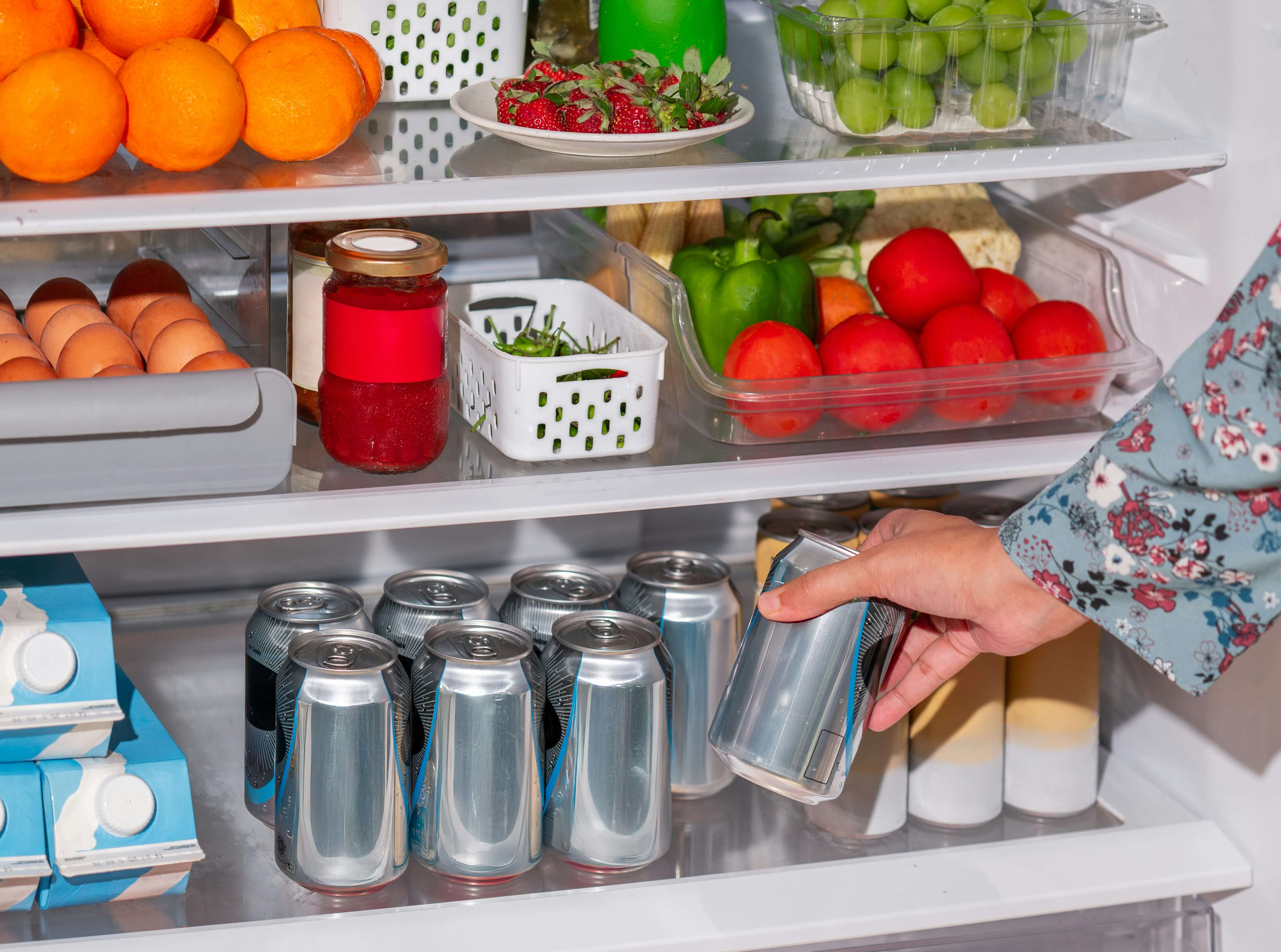
Do this before the major grocery trip. Remove:
- Expired food
- Empty containers
- Leftovers nobody is eating
- Things that don't need to be there
You don't need to deep-clean the refrigerator. You need room.
Holiday food occupies an astonishing amount of real estate. And eventually leftovers will want some too.
15. Empty the Dishwasher
One of the best things you can do immediately before entertaining is start with an empty dishwasher.
Then dirty:
- Prep tools
- Glasses
- Plates
- Utensils
can go directly inside as the event progresses.
A dishwasher full of clean dishes at party time is not helping. It's simply a cabinet with emotional baggage. Unload it.
16. Start With an Empty Kitchen Sink
Same principle. Before guests arrive, get the sink clear. A sink already full of dishes makes every new dish feel like evidence of collapse.
An empty sink gives you working space. This matters even more if you're cooking during the party.
17. Clear Kitchen Counters
Your kitchen needs work space more than it needs decoration. Remove:
- Packages
- Unnecessary appliances
- Shopping bags
- Random household items
Keep only what you need. You are about to add:
Food. Serving dishes. Drinks. Dirty utensils.People.
Possibly someone's handbag despite having specifically established a handbag location. Give the kitchen some room.
18. Create a Drink Station Away From the Cooking Zone
If possible, put drinks somewhere other than the busiest part of the kitchen.
Set out what makes sense for your gathering:
- Glasses
- Water
- Ice
- Nonalcoholic drinks
- Other beverages
This gives guests something they can handle themselves and reduces kitchen traffic.
Otherwise every person who wants water becomes part of your cooking team. They have not been trained. Move them.
19. Put Appetizers Somewhere Else Too
Same idea. If the kitchen is busy, don't invite guests to stand directly beside the stove eating cheese.
Set appetizers in:
- Living room
- Dining area
- Bar area
- Another suitable surface
People tend to congregate wherever food appears. Use this power strategically. A bowl of nuts can redirect six adults.
20. Decide Where Children Will Be
If children are attending, think about their needs before they arrive. Depending on ages, you might provide:
- Small activity area
- Toys
- Movie
- Coloring
- Games
- Child-friendly food
Also remove fragile or unsafe items from easy reach. You don't need to convert your home into a preschool.
You do need to acknowledge that children will not spend four hours discussing interest rates beside the hors d'oeuvres. Give them somewhere to be.
21. Make a Plan for Pets
Some pets adore visitors. Some believe the doorbell signals civilization's collapse.
Decide beforehand whether your pet will:
- Join the gathering
- Spend part of it in another room
- Need a quiet retreat
- Require special attention around open doors
Keep unsafe foods and decorations out of reach. And watch the entrance.
A holiday party provides dogs with dozens of opportunities to pursue an exciting new life outdoors.
22. Set the Table Early
If you're having a seated meal, set the table the day before if practical. Put out:
- Plates
- Flatware
- Glassware
- Napkins
- Serving pieces that can safely sit out
Then you're done.The dining table becomes officially unavailable for:
Mail. Packages. Laundry. Laptop. Half-wrapped gifts.
23. Keep the Centerpiece Low Enough for Conversation

A centerpiece should decorate the table. It should not divide it into opposing territories.
Keep arrangements low enough—or otherwise positioned—so guests can see and talk to one another. Also keep candles and greenery arranged safely.
If everyone has to lean sideways to speak to the person across the table, the flowers have become management. Demote them.
24. Prepare the Guest Room
If people are staying overnight, prepare the room before the day they arrive.
Check:
- Clean sheets
- Pillows
- Blankets
- Towels
- Lighting
- Accessible outlet
- Somewhere for luggage
- Some hanging space if practical
The guest room doesn't need chocolates on the pillow. It does need a pillow. Priorities. These cozy guest bedroom ideas can help.
25. Plan Breakfast for Overnight Guests
Everyone remembers holiday dinner. Fewer people remember 8 a.m. the next day. Have easy breakfast options available.
For example:
- Coffee and tea
- Fruit
- Cereal
- Yogurt
- Eggs
- Toast
- Pastries
Breakfast does not need to become Holiday Dinner: The Sequel. Self-service is an excellent tradition.
26. Put Trash and Recycling Where People Can Find Them
If guests don't know where trash goes, they improvise. You may later discover:
- Napkins on plates.
- Bottles on counters.
- Wrapping paper in a corner.
Make disposal obvious. If you separate recycling, make that obvious too according to your local rules.
A party generates enough mess without requiring a scavenger hunt afterward.
27. Prepare for Spills
Something will spill. Wine. Coffee. Gravy. Chocolate. Possibly something no one can identify.
Keep basic cleanup supplies accessible. When a spill happens:
Blot rather than frantically rubbing. Follow the care instructions for the affected fabric or surface. For fabric and clothing stains use the laundry stain remova guide.
Don't introduce an unfamiliar cleaning method during a party because someone online once removed red wine with an ingredient from the refrigerator.
The carpet has suffered enough. The carpet stain removal guide can help.
28. Check the House for Safety
Before guests arrive, walk through the areas they'll use.
Look for:
- Loose rugs
- Cluttered walkways
- Poor lighting
- Cords
- Unstable decorations
- Open flames
- Hot surfaces
- Child hazards
- Pet hazards
If older relatives or overnight guests are coming, pay particular attention to stairs, bathroom access and nighttime lighting.
You don't need a clipboard. Just use your eyes. These safety tips for holiday entertaining can help.
29. Put Away Things You Don't Want Touched
This applies especially if you're hosting a large group or children. Move:
- Fragile objects
- Sentimental items
- Important paperwork
- Medications
- Valuable objects
- Anything you'd spend the entire party worrying about
Do not leave your irreplaceable porcelain object at toddler height and then assign yourself four hours of surveillance.
Move the porcelain. Enjoy the toddler.
30. Stop Cleaning Before Guests Arrive
Give yourself a stopping time. Ideally, cleaning ends before the first guest is due.
Put away the vacuum. Put away cleaning products. Take a shower or change clothes. Sit down for a few minutes.
A host frantically wiping the refrigerator handle when guests arrive does not make the house feel cleaner.
It makes everyone wonder whether they should grab a cloth. The holiday speed cleaning routine can help get it all done - stat.
One Week Before the Party
This is the planning stage.
Confirm:
- Guest list
- Menu
- Dietary needs
- Contributions from guests
- Seating
- Overnight arrangements
Do:
- Major shopping that can be done early
- Any necessary decluttering
- Guest-room preparation
- Check serving dishes
- Check table linens
- Check chairs
- Buy nonperishable supplies
This is also the moment to abandon any entertaining idea that has become unnecessarily complicated.
You still have time to release yourself from homemade individual soufflés. Use it.
Three Days Before
Now move from planning to preparation.
- Buy most groceries
- Make refrigerator space
- Prepare make-ahead food
- Clean guest bathroom
- Declutter entertaining areas
- Check drinks
- Check ice situation
- Confirm guest contributions
- Wash needed linens
If someone asks, “What can I bring?”
Give them an actual answer. Dessert. Wine. Salad. Bread. Ice.
Not:
“Oh, don't worry about it.”
followed by resentment. Delegation requires words.
The Day Before
This should be your biggest preparation day.
Food
Prepare anything that holds well.
House
Clean main guest areas.
Table
Set it.
Kitchen
Clear counters.
Drinks
Chill what needs chilling.
Guest Room
Finish it.
Bathroom
Restock supplies.
Serving Pieces
Put them somewhere accessible.
Then stop at a reasonable hour.
Staying up until 2 a.m. polishing things nobody will notice is not preparation. It's sabotage.
The Morning of the Party
Now we're maintaining, not reinventing. Do a quick reset:
- Make beds
- Clear breakfast dishes
- Wipe kitchen counters
- Check bathroom
- Empty trash
- Straighten living room
- Vacuum or sweep main areas if needed
- Finish make-ahead food
- Check refrigerator space
Do not start reorganizing a closet. The party is today. The closet has missed the deadline.
Two Hours Before Guests Arrive
Now the event begins taking shape.
- Finish major food preparation
- Put serving pieces out
- Set up drink station
- Set up appetizers
- Clear kitchen work area
- Empty dishwasher
- Clear sink
- Check bathroom
- Check entryway
- Make room for coats
- Adjust lighting
- Put pets where appropriate
At this point, stop adding ideas. No new centerpiece. No bonus appetizer.
No sudden decision to rearrange the living room. The planning department is closed.
Thirty Minutes Before Guests Arrive
Do one final pass.
Bathroom
Clean enough?
Soap?
Towel?
Toilet paper?
Kitchen
Counters usable?
Sink clear?
Trash okay?
Living Room
Seats available?
Clutter gone?
Entry
Clear?
Coat space?
You
Dressed? Shoes on? Breathing? Excellent.
Ten Minutes Before Guests Arrive
Stop. This is important.
Put away cleaning supplies. Turn on music. Turn on the lights you want. Put out the first drinks or appetizers if appropriate.
Check yourself in the mirror. Then sit down.
Yes. Sit. For five minutes. You are no longer preparing to host. You are hosting.
There has to be a point where the house becomes finished. This is it.
The 60-Minute Emergency Hosting Plan
Of course, sometimes there is no week. There is one hour. Fine.
Here's the emergency version.
Minutes 0–10: Declutter
Clear the entry, living room, kitchen and bathroom.
Basket method.
Move.
Minutes 10–20: Bathroom
Toilet.
Sink.
Mirror.
Fresh towel.
Soap.
Toilet paper.
Minutes 20–30: Kitchen
Load dishwasher.
Clear sink.
Wipe counters.
Take out trash.
Minutes 30–40: Living Room and Entry
Straighten seating.
Clear tables.
Make room for coats.
Minutes 40–50: Food and Drinks
Set up anything that can be prepared ahead.
Create a drink area.
Minutes 50–55: Floors
Vacuum or sweep visible areas.
Minutes 55–60: Stop
Put supplies away. Turn on lights. Get yourself ready. Nobody has ever left a holiday party saying:
“Lovely evening, although the baseboards suggested inadequate preparation.”
What Guests Actually Need
Guests need:
- Somewhere to sit
- Somewhere to put a coat
- A usable bathroom
- Something to eat
- Something to drink
- A reasonably comfortable temperature
- A host who is available
They do not require:
- Perfect closets
- Coordinated serving dishes
- Fresh flowers in every room
- Professionally folded napkins
- A spotless garage
- Twelve appetizers
- A themed signature cocktail unless you actually enjoy making one
Hosting is not the same as performing. People came to spend time with you. Make that possible.
The Holiday Entertaining Checklist
One Week Before
- Confirm guest list
- Ask about important dietary needs
- Plan menu
- Delegate dishes
- Check seating
- Check serving pieces
- Plan overnight accommodations
- Start decluttering
Three Days Before
- Grocery shop
- Clear refrigerator
- Prepare make-ahead food
- Clean guest bathroom
- Prepare guest room
- Check drinks and ice
- Wash needed linens
Day Before
- Clean guest areas
- Set table
- Prepare food
- Chill drinks
- Clear kitchen counters
- Check bathroom supplies
- Put serving pieces out
Party Day
- Empty dishwasher
- Clear sink
- Empty trash
- Straighten living room
- Clear entry
- Create coat space
- Set up drink station
- Set out appetizers
- Check pets
- Check safety
- Get yourself ready
Ten Minutes Before
- Put cleaning supplies away
- Turn on lights
- Start music
- Check food
- Stop cleaning
- Sit down
The Most Important Holiday Entertaining Rule
Prepare the house so you can stop preparing. That's the point.
A good hosting plan doesn't produce a flawless house. It gets the practical work out of the way early enough that when your guests arrive, you can join them.
Nobody needs you in the kitchen for four straight hours. Nobody cares whether the linen closet is organized. Nobody will remember whether every serving dish matched.
They will remember:
- The food.
- The conversation.
- The laughing.
- The children running around.
The story somebody tells every Christmas despite everyone having heard it 14 times.
And perhaps the moment someone drops a dinner roll and the dog achieves his holiday objective.
That's entertaining. The rest is preparation.
Do enough of it beforehand that you don't miss the good part.
Keep Going
For managing the cooking once everyone arrives, see Holiday Kitchen Survival Guide.
If cleaning is the part worrying you, use Holiday House Cleaning Tips or the Holiday Speed Cleaning Routine.
For children at the gathering, see Holiday Entertaining With Kids.
And before guests arrive, run through Holiday Safety Tips for Entertaining.
- Clean Home
- Family Life
- Preparing For Holiday Entertaining