How to Clean Silver, Brass and Pewter
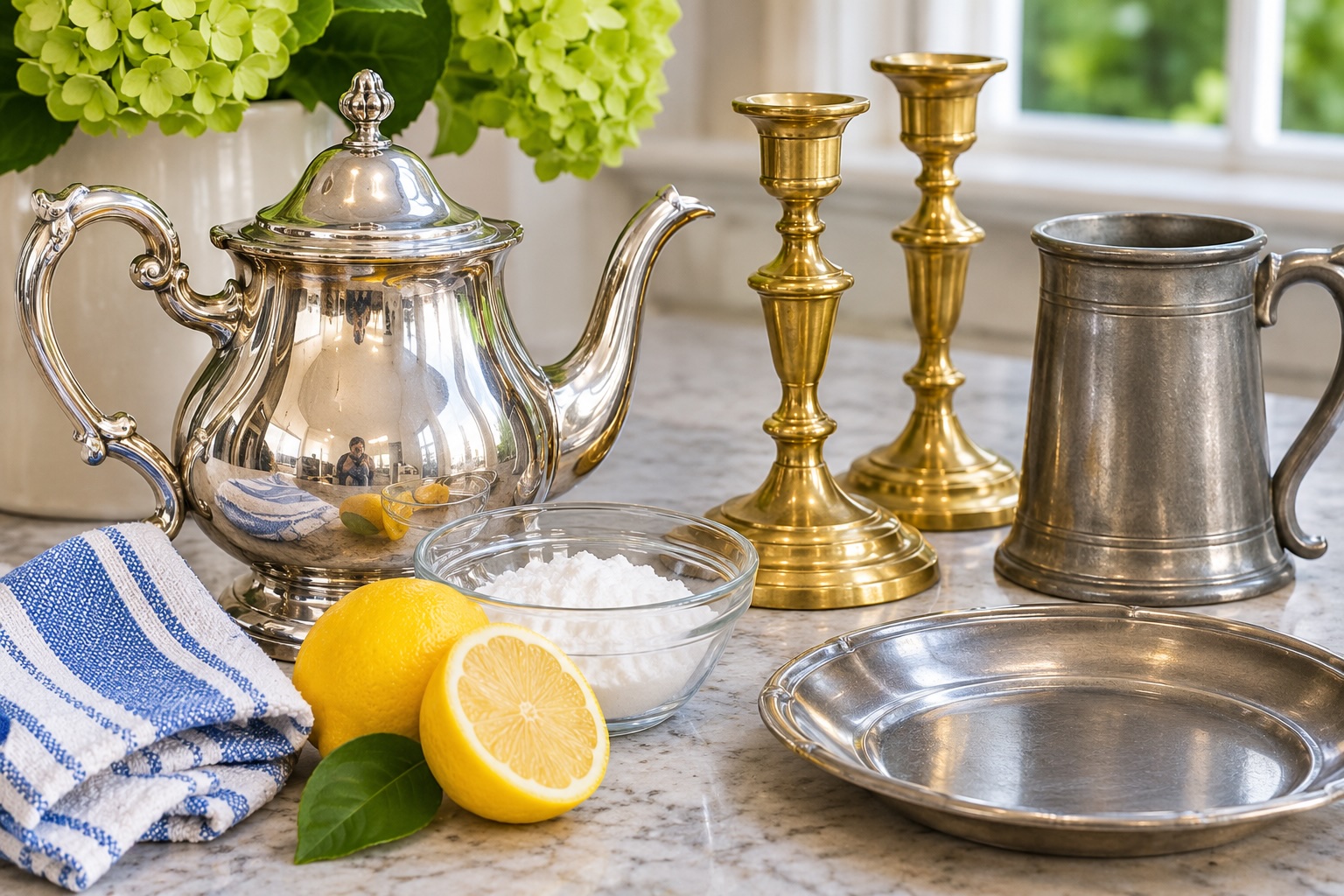
Every December, the good stuff comes out of hiding: Grandma's silver tea service, the brass candlesticks, the pewter platter you got as a wedding present and have used exactly four times. And every December, it comes out of the cabinet looking like it's been sitting in a damp basement since the Eisenhower administration.
Tarnish happens. The good news is that every one of these metals cleans up beautifully if you know what it likes, and what it absolutely doesn't. Here's how to clean silver, brass, pewter, copper and stainless steel serving pieces so they're sparkling by the time the guests arrive.
First: What Kind of Metal Is It?
- Sterling silver: Usually stamped "sterling" or ".925" on the back or bottom.
- Silver plate: Often stamped "EP," "EPNS" or "silverplate." It's a thin layer of silver over another metal, so go gently or you'll polish right through it.
- Brass: Gold-colored. Try a magnet: if it sticks, the piece is brass-plated steel or iron, and you should clean it gently. If it doesn't stick, it's solid brass.
- Pewter: Soft, dull gray and heavier than it looks.
- Lacquered metal: Has a clear protective coating. It doesn't tarnish evenly. It stays shiny, or tarnishes only where the coating has worn. Don't polish lacquered pieces. Just wash them with soapy water.
How to Clean Silver
Everyday Washing
Wash silver by hand in warm water with a little mild dish soap, rinse and dry it right away with a soft cotton towel. Water spots and air-drying speed up tarnish.
Can silver go in the dishwasher? Sterling flatware can, but it's not a great idea. The detergent dulls it over time. Silver plate, pieces with hollow or glued handles and anything antique should always be washed by hand. And never put silver in the same dishwasher basket as stainless steel. When they touch in the wash, the silver can pit and stain.
Polish With Silver Polish
For tarnished pieces, a silver polish (like Wright's Silver Cream or Weiman Silver Polish) is the gentlest, most reliable way to bring back the shine.
- Wash and dry the piece first, so you're not grinding grit into the silver.
- Apply a small amount of polish with a soft cloth or sponge, working in straight, back-and-forth strokes, not circles. Circles leave swirl marks.
- Use a soft toothbrush for detailed patterns and the spaces between fork tines.
- Rinse well in warm water, and dry immediately with a soft cloth. Buff to a shine.
Wear cotton or nitrile gloves while you polish. Rubber gloves contain sulfur, which tarnishes silver, and fingerprints leave marks.
The Baking Soda and Foil Trick
This one feels like a science experiment, and it works like magic on heavily tarnished sterling flatware.
- Line a glass baking dish or the sink with aluminum foil, shiny side up.
- Lay the silver on the foil so each piece touches it.
- Sprinkle on about 1/4 cup of baking soda (and 1/4 cup of salt, if you like), then pour in enough boiling water to cover the silver.
- Wait 2 to 5 minutes. The tarnish transfers from the silver to the foil, and you may smell a little rotten egg. That's the sulfur leaving.
- Lift the silver out with tongs, rinse, dry and buff.
When not to use it: on antique pieces, silver plate that's worn thin, pieces with intentionally darkened details (the trick strips that dark patina too), and anything with hollow handles, glued joints, pearls, stones or wood. Use silver polish for those.
Skip the Toothpaste
You may have heard that toothpaste polishes silver. It does, sort of, but most toothpastes today are abrasive enough to scratch it. Leave the toothpaste for your teeth.
What Makes Silver Tarnish Faster
Eggs, mayonnaise, mustard, onions and salt all contain sulfur or salt, which tarnish silver fast. Serve them on silver if you like, but wash the pieces as soon as the party's over. Don't let them sit overnight.
How to Store Silver
Store clean, completely dry silver in a tarnish-resistant flannel bag, a lined silver chest or a sealed plastic bag with the air squeezed out. Tuck in an anti-tarnish strip for extra protection. Skip rubber bands, newspaper and plastic wrap, and don't store silver touching other metals.
How to Clean Brass
Brass candlesticks, trays and bowls look gorgeous on a holiday table, once you get rid of that brown haze. First, do the lacquer check. If the piece is lacquered, just wash it with warm, soapy water and dry it. Don't use acids or polish on lacquer.
For unlacquered solid brass:
The Ketchup Method (Seriously)
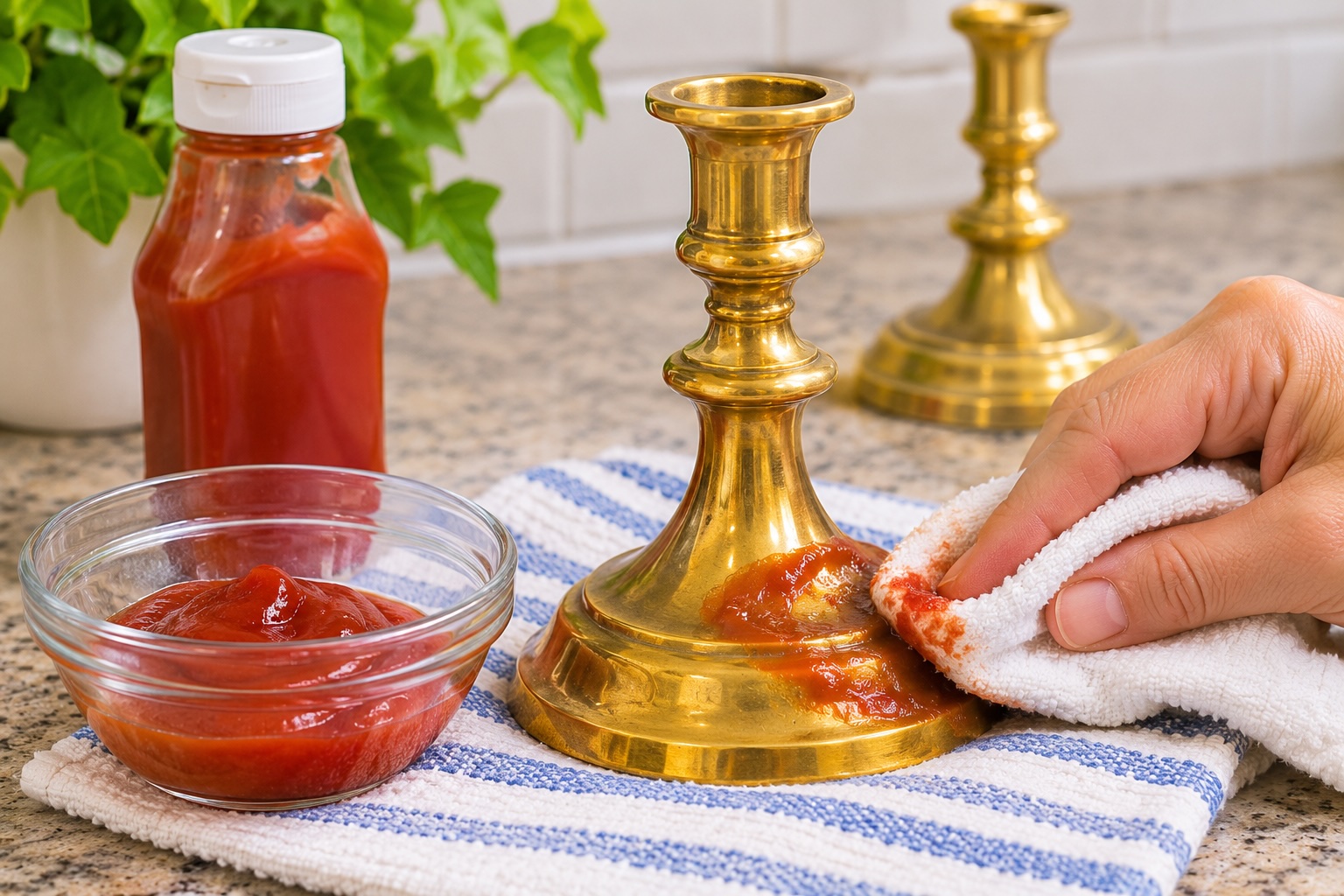
Ketchup, hot sauce and Worcestershire sauce all have enough acid to dissolve tarnish.
- Spread a layer of ketchup over the brass, or set small pieces in a container and cover them.
- Let it sit 15 minutes to an hour, depending on the tarnish. Check often. Don't leave it for hours.
- Scrub gently with a soft toothbrush and a little dish soap under cool running water.
- Rinse well and dry thoroughly with a soft, lint-free cloth.
Lemon and Baking Soda Paste
Mix the juice of half a lemon with a couple of teaspoons of baking soda into a paste. Rub it on with a soft cloth, let it sit 30 minutes, rinse and dry. For heavy tarnish, use a brass polish like Brasso, following the label.
To slow tarnish on decorative pieces, rub on a thin coat of paste wax and buff it off. Skip the olive oil you may have heard about. It turns sticky and rancid and attracts dust.
Brass-plated? Wash with soapy water and polish lightly with a soft cloth. Acids and polish can wear through the thin brass layer.
How to Clean Pewter
Pewter is easy. It's supposed to look a little soft and aged, so you don't need to make it shine like silver.
- Everyday: Wash by hand in warm, soapy water and dry right away. Never put pewter in the dishwasher. The heat can warp or even melt it.
- Satin or dull pewter: That's how it's meant to look. Just wash and dry. Don't polish it.
- Polished pewter: Use a pewter polish, or make a paste of 1 tablespoon of flour, 1 tablespoon of salt and enough white vinegar to make a paste. Rub it on gently, let it sit 30 minutes, rinse and dry.
Old pewter and food: Modern pewter is lead-free and food-safe. But antique pewter (generally made before the 1970s) may contain lead. Use old pewter for decoration, not for serving food or drinks, especially anything acidic like wine, fruit or vinaigrette.
How to Clean Copper
Wash copper serving pieces in warm, soapy water and dry them right away. To remove tarnish, rub with half a lemon dipped in salt, rinse and dry. Skip polishing lacquered copper. Never serve or store acidic food in unlined copper. For copper pots, mugs and everything else, see my full guide to how to clean copper.
How to Clean Stainless Steel Serving Pieces
Stainless steel is the easy one. Chafing dishes, platters, serving utensils and flatware can go in the dishwasher (just not touching your silver). For fingerprints and water spots, wipe with a soft cloth dampened with white vinegar, then buff dry. Rainbow-colored heat stains come off with vinegar, too. For baked-on food, use a paste of Bar Keepers Friend and water, rubbing with the grain. Here's more on how to clean stainless steel.
Don't Forget the Wood Boards
Wood cheese boards and charcuterie boards should never go in the dishwasher or soak in water. They'll crack and warp. Wash them by hand with warm, soapy water, rinse quickly and dry upright. If a board looks dry or pale, rub in a little food-grade mineral oil, let it soak in overnight and wipe off the excess.
Start Early
Polish the silver, brass and pewter a week or two before the party, not the morning of. You'll have one less thing to do on party day, and if anything needs more than one round, you'll have time. Store polished pieces in a bag or cloth until the big day so they stay shiny.
How to Clean Silver, Brass and Pewter: Quick Answers
What's the easiest way to clean tarnished silver?
For sterling flatware, line a dish with aluminum foil, add the silver and baking soda, pour in boiling water and wait a few minutes. For antiques, silver plate and decorated pieces, use a silver polish with a soft cloth instead.
Can you clean silver with toothpaste?
It's best not to. Most modern toothpastes are abrasive enough to scratch silver, especially silver plate. Use a silver polish instead.
Does ketchup really clean brass?
Yes. The acid dissolves tarnish. Spread it on unlacquered solid brass, wait 15 minutes to an hour, then scrub gently, rinse and dry. Don't use it on lacquered brass.
How do you clean pewter?
Wash it by hand in warm, soapy water and dry it right away. Polish shiny pewter with pewter polish or a flour, salt and vinegar paste. Leave satin pewter unpolished.
Can silver go in the dishwasher?
Sterling flatware can, but hand-washing is better. Never wash silver plate, antiques or pieces with glued handles in the dishwasher, and never let silver touch stainless steel in the wash.
Keep Going
Get the whole table party-ready with these related guides:
- How to Clean Copper: Pots, pans, mugs and tarnish.
- How to Clean Crystal: Glasses, vases and decanters, without clouding them.
- How to Clean Cloudy Glasses: Hard water film vs. etching.
- How to Clean Stainless Steel Pans: Even burnt ones.
- The Thanksgiving Tablecloth Stain Guide: Gravy, cranberry, red wine and candle wax.
- How to Get Candle Wax Off Anything: Including those brass candlesticks.
- Holiday House Cleaning: A room-by-room plan for guests.
- Making Your Home Party Friendly: How to host a party people remember.
- Clean Home
- Clean
- How to Clean Silver, Brass and Pewter
Free Printable
Notes on Keeping House
Sign up and get my 15-Minute Daily Reset Checklist. One timer, five zones, and a house that stays under control.
Send My ChecklistNo spam, ever. Just smart, funny tips for keeping house from Tara Aronson.