How To Worm Compost
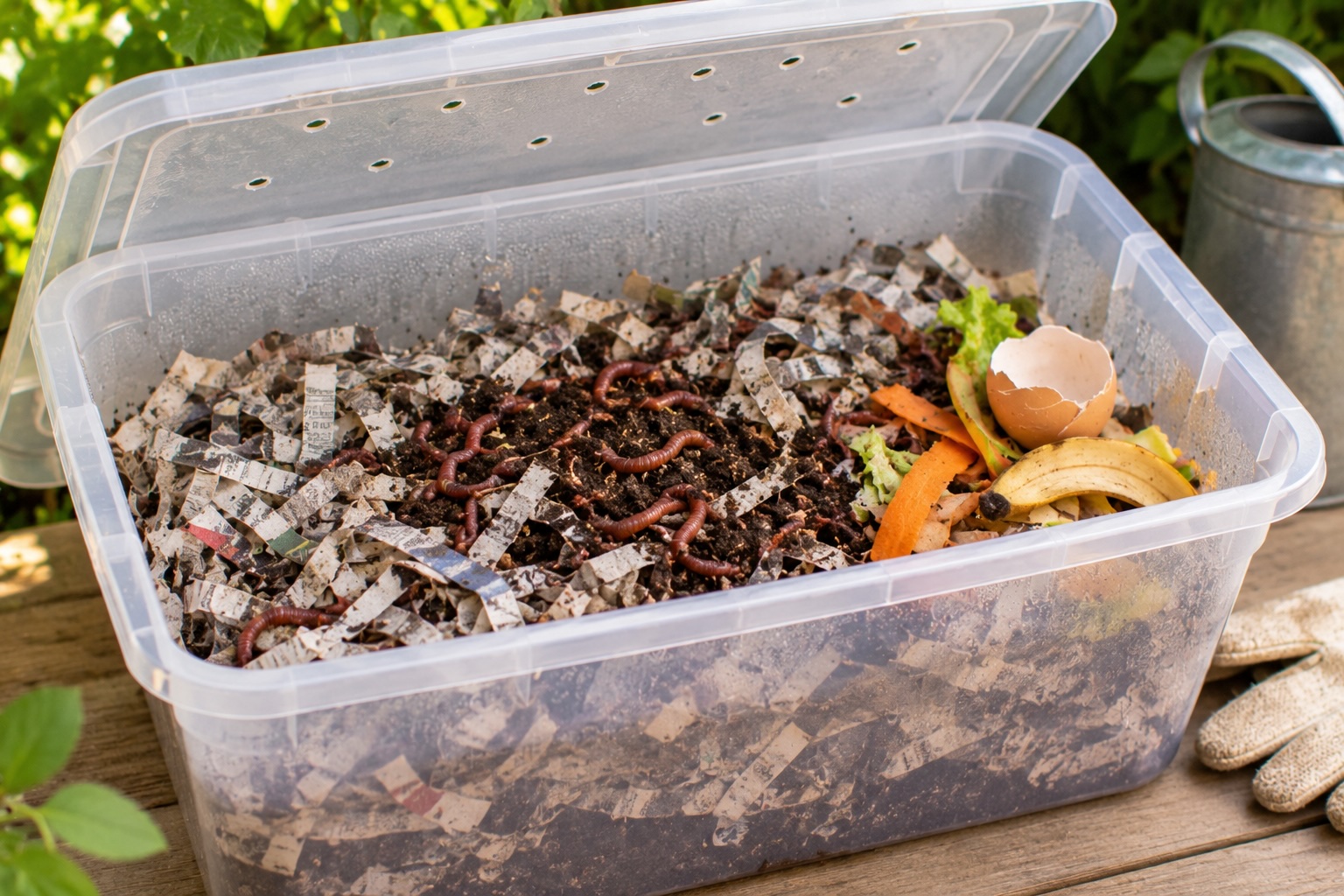
Worm composting is a fun, year-round family project, and possibly the only time your kids will beg to feed something vegetables. You set up a bin, add some worms and feed them your kitchen scraps. In a few months, they turn your banana peels and coffee grounds into dark, crumbly worm castings, one of the best fertilizers you can give a garden.
It takes a few minutes a week, it doesn't smell (really) and it works in a garage, basement or even under the kitchen sink. Here's how to worm compost in eight easy steps.
Step 1: Get a Bin
Start with an opaque plastic storage tub with a lid, about 10 to 18 gallons. Worms like the dark, so skip clear tubs. Bigger isn't better here: a full 30-gallon tub is heavy, and you'll be moving it.
Step 2: Drill Air and Drainage Holes
Drill a dozen or so small holes (about 1/4 inch) in the bottom for drainage, and a row of holes around the sides near the top for air. Drill a few in the lid, too. Set the bin on a couple of bricks or blocks with a tray underneath to catch any drips.
Step 3: Add Bedding
Fill the bin about halfway with shredded newspaper or plain cardboard (no glossy or colored paper). Spray or dunk it until it's as damp as a wrung-out sponge. Not soggy. Fluff it up so there's plenty of air.
Step 4: Add a Little Soil
Toss in two or three handfuls of garden soil or finished compost. It brings in helpful microbes and gives the worms a little grit to help them digest their food.
Step 5: Add a Little Food
Bury about a cup of chopped kitchen scraps in the bedding. Chopped food breaks down faster than big pieces. Start small. Your worms need time to settle in.
Step 6: Add the Worms
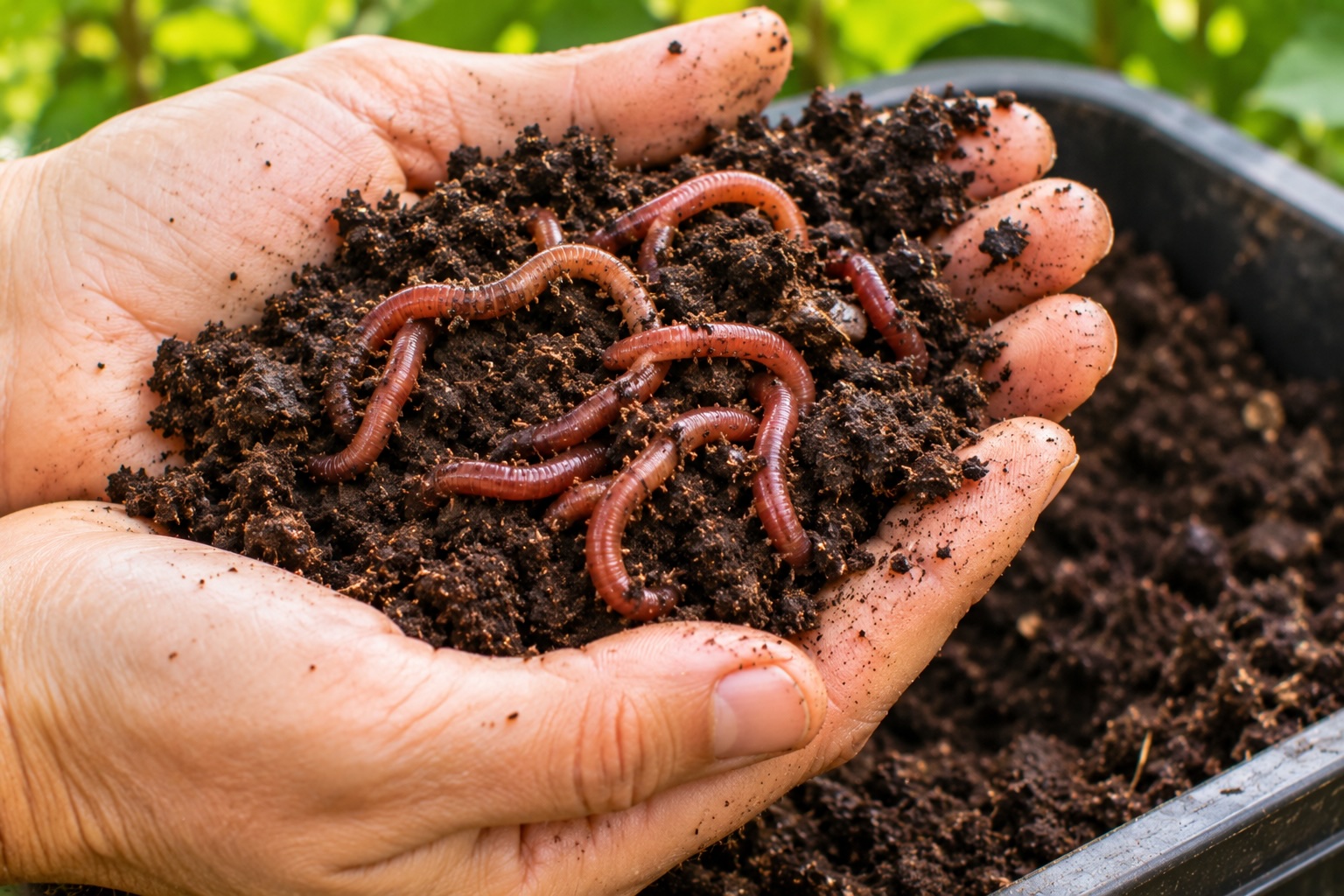
Use red wigglers (Eisenia fetida). They eat like teenagers and love life in a bin. You can find them online or from local worm farms and bait shops. About a pound of worms (roughly 1,000) is a good start for a family. Don't use nightcrawlers or worms dug from the garden. They want to burrow deep in the ground and won't survive in a bin.
Spread the worms on top of the bedding and leave the lid off for an hour, with a light on. They'll dive down out of the light and get to work.
Worms are good for the garden, too. Their castings are rich in nutrients, and outdoors, their tunnels loosen the soil and let air and water reach plant roots. Too squeamish for worms? Here's how to do composting without worms.
Step 7: Feed Them Every Week
Bury a few cups of chopped scraps under the bedding once or twice a week, in a different spot each time. Covering the food keeps fruit flies away. When the last batch is mostly gone, add more. A pound of worms can eat about half a pound of food a day once they're established, but start slower and work up.
Worms love: Fruit and vegetable scraps, coffee grounds and filters, tea bags (if they're paper), crushed eggshells, bread and pasta in small amounts and shredded paper.
Skip: Meat, fish, dairy, oil and greasy food (they smell and attract pests), citrus, onions and garlic (too acidic and harsh for worms), spicy food and pet waste.
Add a handful of fresh, damp shredded paper every week or two to keep the bedding fluffy, and keep everything moist but never soggy.
Step 8: Keep It Cool and Shady
Keep the bin in a shady, sheltered spot: a garage, basement, laundry room or shady patio. Worms are happiest between about 55°F and 77°F. Don't let them freeze in winter or bake in a hot garage in summer. Move the bin indoors when the weather gets extreme.
How to Harvest Your Worm Compost
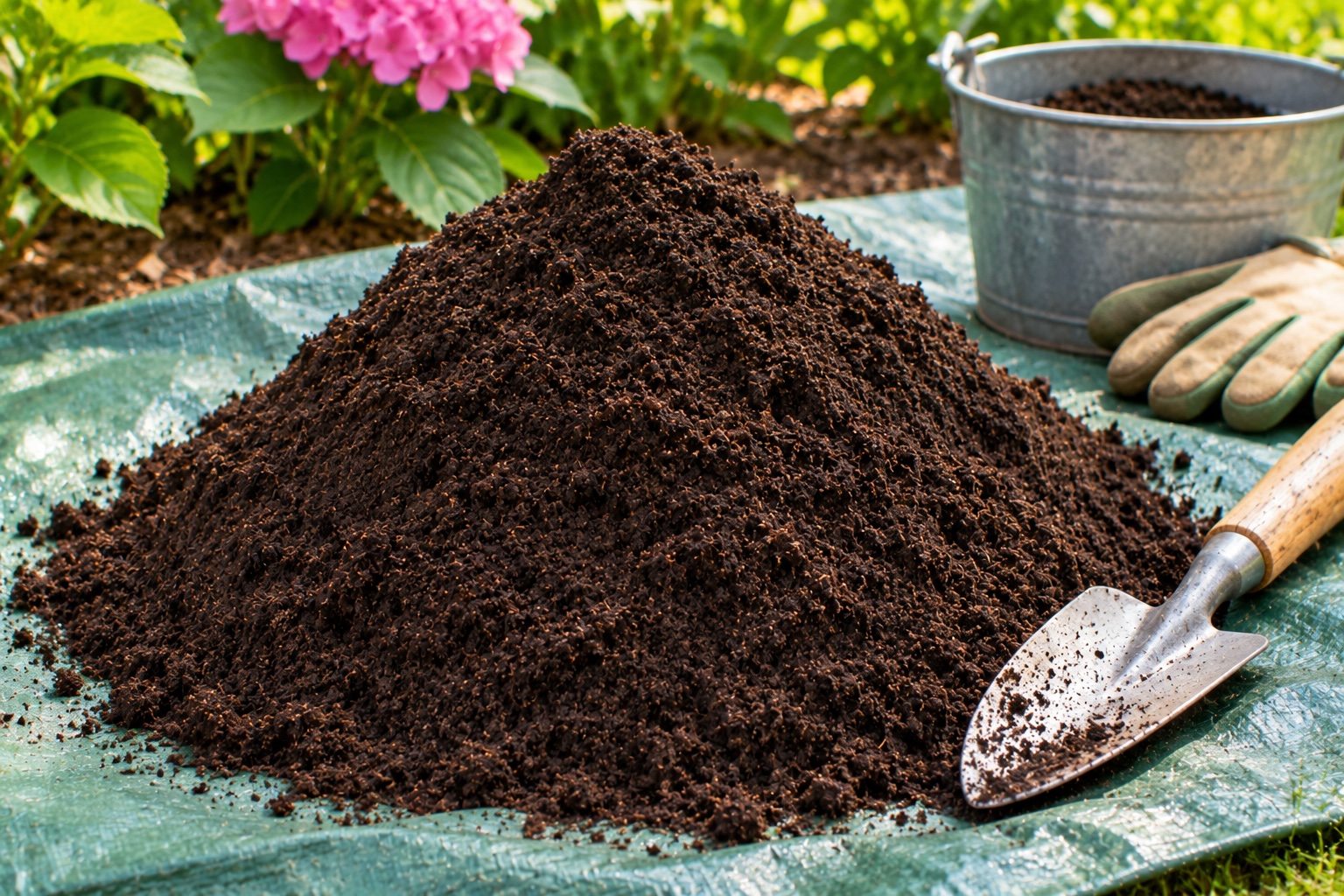
In about three to six months, most of the bin will be dark, crumbly castings that smell like rich earth. Time to harvest. Separate the worms first, so they can keep composting for you.
- The side-to-side method (easiest): Push everything to one side of the bin, and put fresh bedding and food on the empty side. Over the next few weeks, the worms move over to the new food. Then scoop out the finished castings from the old side.
- The light method (fastest): In a bright room or shady spot outdoors, dump the bin onto a tarp and shape it into a few cone-shaped piles. The worms dive away from the light, toward the bottom. Every 15 minutes or so, scrape the top layer of castings off each pile. Before long, you'll have a pile of worms at the bottom, ready to go back into a fresh bin. Don't do it in direct sun, which can overheat and kill them.
Your finished compost is food for the garden. Mix it into garden beds, sprinkle a little around plants or stir a handful into potting mix. It improves the soil's structure and helps it hold moisture. Here's how to test your garden soil.
About that liquid in the tray: The liquid that drains from a worm bin isn't the same as worm tea, and it can carry bacteria from rotting food. If you use it, dilute it about 10 to 1 with water, and use it on ornamental plants, not vegetables. For real worm tea, steep a cup of finished castings in a gallon of water overnight.
Troubleshooting Your Worm Bin
- It smells: It's too wet or you're feeding too much. Add dry shredded paper, stop feeding for a week and fluff the bedding for air.
- Fruit flies: Bury food completely, and cover the top with a layer of dry newspaper. Freeze scraps before adding them to kill fruit fly eggs.
- Worms are trying to escape: It's too wet, too acidic or too hot. Add dry bedding, skip the citrus and move the bin somewhere cooler. A light on overnight keeps them in while things settle.
- Worms are dying or the bin is dry: Spray the bedding until it's damp, and check the temperature.
- Food isn't disappearing: Feed less, chop it smaller and be patient while the worms catch up.
How to Worm Compost: Quick Answers
What kind of worms do you use for composting?
Red wigglers (Eisenia fetida). Garden worms and nightcrawlers won't survive in a bin.
What can you feed composting worms?
Fruit and vegetable scraps, coffee grounds, paper tea bags, crushed eggshells and shredded paper. Skip meat, dairy, oil, citrus, onions and garlic.
Does a worm bin smell?
Not if it's working right. A healthy bin smells like damp earth. A bad smell means it's too wet or overfed.
How long does worm composting take?
About three to six months for a bin of finished castings.
Keep Going
Grow a greener garden with these related guides:
- Composting Without Worms: 20 easy tips for beginners.
- How to Test Garden Soil: 4 easy DIY tests.
- Kitchen Recycling Center: Add a compost pail.
- Gardening Games for Kids: 15 fun backyard activities.
- Easy Gardening With Kids: Tips, plants and garden ideas.
- Beneficial Garden Insects: More helpers for your garden.
- Garbage Disposal Maintenance: For the scraps worms won't eat.
- Backyard Family Living: Make outdoor spaces more fun.
- Clean Home
- Backyard & Garden
- How To Worm Compost
Free Printable
Notes on Keeping House
Sign up and get my 15-Minute Daily Reset Checklist. One timer, five zones, and a house that stays under control.
Send My ChecklistNo spam, ever. Just smart, funny tips for keeping house from Tara Aronson.