Easy Gardening With Kids: How to Grow Little Gardeners
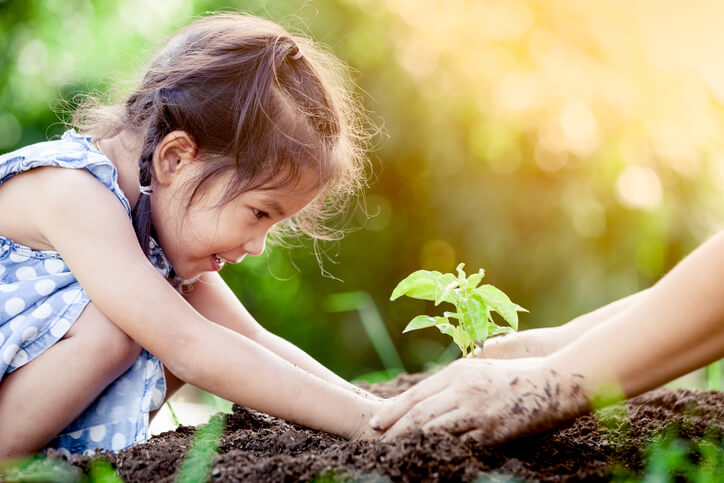
Kids are born gardeners. Hand a toddler a shovel and a patch of dirt, and you've got hours of entertainment (and one very muddy toddler). Even the littlest ones are amazed when a sprout pushes its tiny green head up out of the soil.
Gardening with kids is also one of the few chores they'll actually beg to do. They learn where food comes from, they get outside and they might even eat a vegetable without being bribed.
It does take a little planning and a lot of patience. (Mostly yours.) Here's how to make gardening with kids easy, fun and successful, so that sense of wonder lasts well past the first sunflower.
The short version:
- Give each child their own small garden spot.
- Let them pick a theme and choose the plants.
- Start with easy, fast-growing plants.
- Teach them to water, mulch and weed.
- Never let them eat anything (seeds included) without checking with you first.
Get the Garden Beds Ready
You can't just march outside, dig a hole and stick a plant in it. Well, you can. That might explain the brown thumb.
Make the first step fun: warm up with a few gardening games for kids before the real work starts. Then:
1. Tidy up. Rake up leaves, debris and dead plants left over from winter, and toss them on the compost pile.
2. Feed the soil. Dig finished compost into the beds to give the soil a boost. Use compost from the store, finished compost from your own pile, or aged (never fresh) manure. Local stables will often give it away for free. (You haul.)
3. Wash up. Have kids wear gloves for this part, and wash hands well after handling soil, compost and manure.
Make a Planting Plan
Now for the fun part: deciding what goes where. Grab a big sheet of paper and let the kids draw their garden design.
If you'd rather not have your whole yard designed by a 4-year-old (understandable), give each child a spot that's all theirs: a patch under a tree, one raised bed or a few pots for container gardening with kids. Let them be master of their own little corner of the gardening universe.
Ownership matters. I once gave a gardening friend garden signs with her name and her daughter's name on them. Her daughter promptly claimed a corner of the front yard with her sign, and she's tended it ever since.
Make planning a learning experience, too:
- Read plant labels together to find out how much sun and water each plant needs.
- Walk the yard and talk about which spots are sunny and which are shady.
- Plan the layout: short plants in front, tall plants in back, so you can see them all.
- Shop together. Kids love poking around nurseries. Let them help set a budget and choose plants for their plot. (Hello, math lesson.)
The more involved kids are in planning, the more likely they'll stick with the watering and weeding later.
Pick a Fun Garden Theme
A theme makes a kid's garden feel special. Some of our favorites:
- Pizza garden: tomatoes, peppers, oregano and basil
- Salad garden: lettuce, cherry tomatoes and carrots
- Snacking garden: carrots, cherry tomatoes, sugar snap peas and celery
- Scented garden: sweet-smelling plants like lavender, mint and stock
- Touch-and-feel garden: fuzzy lamb's ear, soft grasses and other plants with interesting leaves
- Butterfly garden: flowers that feed butterflies, plus host plants for their caterpillars
- Rainbow garden: fruits and vegetables in surprising colors, like yellow tomatoes, purple carrots and blue potatoes
The Easiest Plants for Kids to Grow
Start with plants that grow fast and forgive a little neglect. Instant gratification is a powerful motivator.
- Radishes: ready to pick in about a month.
- Sunflowers: fast, huge and great for measuring ("It's taller than Dad!").
- Bush beans and sugar snap peas: easy to grow and fun to snack on.
- Cherry tomatoes: start with young plants from the nursery.
- Zucchini: almost too easy. You'll have zucchini for the whole neighborhood.
- Marigolds and nasturtiums: cheerful, tough flowers that bloom all season.
Planting Time
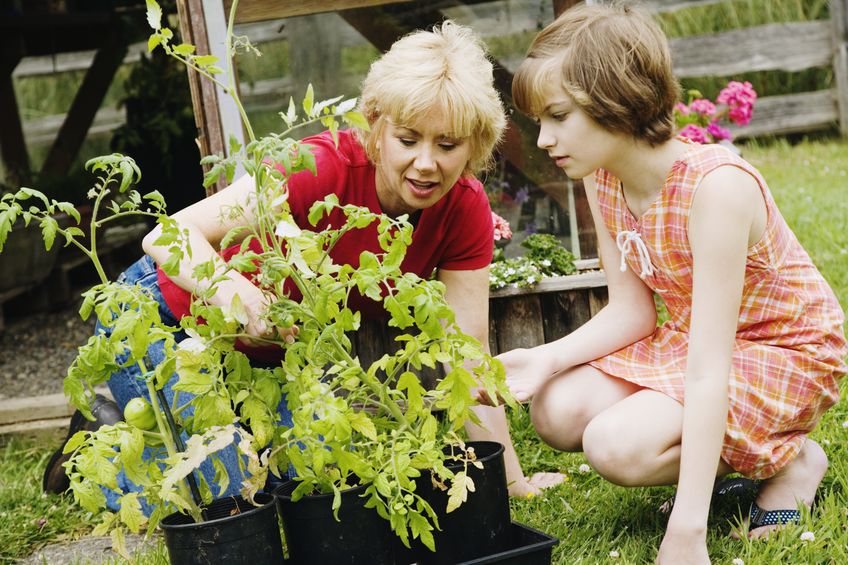
Once your kids have their plots, help them succeed:
- Dig a bigger, better hole than you think you need. Happy roots, happy plant.
- Handle roots gently when moving plants out of their pots.
- Water right away, then water again once the first drink soaks in. Explain that new plants need extra water until they settle in.
- Don't rush the season. Wait to plant tomatoes and other warm-weather crops until after your last frost, when nights stay warm. Tomatoes planted too early just sit and sulk.
Vegetable Gardening With Kids

Any gardening is good gardening, but vegetable gardens are especially great for kids. Nothing gets a child to eat vegetables like growing them. That carrot they pulled out of the ground themselves? Suddenly delicious.
And when you grow your own, you decide what goes on your vegetables.
Seeds or transplants? Root vegetables like carrots and radishes grow best from seeds planted right in the garden. For tomatoes, peppers and other slow starters, get a head start with young nursery plants (called transplants).
Protect seedlings. Birds and bugs love tender sprouts. One day you'll have adorable little seedlings, and the next day... nothing. Cover new seedlings with a lightweight fabric called a floating row cover until they're a few inches tall.
Keep Little Gardeners Safe
- Never let kids taste seeds. Many seeds are coated with fungicides (often brightly colored) that are harmful if eaten. Wash hands after planting.
- Nothing goes in mouths without asking. Teach kids to check with you before eating anything from the garden, and wash produce before eating.
- Know your plants. Keep toxic plants, like foxglove, oleander and lily of the valley, out of kids' garden areas.
- Use kid-size tools and gloves, and store sharp tools and garden chemicals out of reach.
- Sunscreen and hats for everyone. Gardeners burn too.
The Marvels of Mulch
After planting, mulch. Then mulch again. Wood chips, straw or compost all work, and organic mulches add nutrients to the soil as they break down.
Mulch does three big jobs:
- Holds in water, so you don't have to water as often.
- Keeps the soil temperature even, so roots don't bake or chill.
- Blocks weeds. A layer 2 to 4 inches deep keeps most weeds from sprouting, and the ones that do sneak through are easier to pull. Keep mulch a couple of inches away from plant stems.
Then let kids make plant markers with a little personality: "Hi, I'm Marigold!" "Don't eat me yet!"
Harvest Time
You won't need to motivate the kids for this part. Kids love picking fruits and vegetables. In fact, you can use harvesting as a reward: no picking until the garden pests have been picked off. (Or the weeds pulled. Or the plants watered.)
Do supervise, though, or you'll be dining on very trendy "baby" vegetables. Kids rarely wait for things to grow all the way. Show them which colors mean ripe for each plant. A yellow tomato is usually only half-ripe, unless it's a yellow variety like 'Yellow Pear.'
Then comes the best part: eating what you grew together.
Gardening With Kids in Fall
Don't wait for spring. Fall is the perfect time to plant spring-blooming bulbs like tulips and daffodils with kids. They dig, they plant, they forget all about it... and then they're amazed when flowers pop up months later. Here's how to plant a year of bulbs.
Gardening With Kids FAQs
What are the easiest vegetables for kids to grow? Radishes, bush beans, sugar snap peas, cherry tomatoes and zucchini are all fast, forgiving and fun to pick.
What age can kids start gardening? Even toddlers can water plants and dig in the dirt with supervision. By school age, kids can plant seeds, weed and harvest.
How do I keep my kids interested in gardening? Give them their own space, let them choose the plants, pick fast-growing crops and let them do the harvesting.
How big should a kid's garden be? Small! A few square feet or a couple of containers is plenty. A small garden is easier to care for and more fun to finish.
All That Dirt Has to Go Somewhere
Usually, it's your kitchen floor. My book The Daily Home Reset shows you how to keep the house under control in just 15 minutes a day, muddy little gardeners and all.
Keep Going
Grow your family's love of the outdoors with these related guides:
- Backyard & Garden Guide: Patios & Outdoor Living: Make your backyard easier to maintain and more fun to use.
- Container Gardening for Kids: A garden that fits on the patio.
- Gardening Games for Kids: Make garden time playtime.
- Yard Work With Kids: Playing Safe: Age-appropriate outdoor chores.
- Easy Garden Soil Testing: Know your backyard dirt.
- How to Worm Compost: Turn scraps into garden gold.
- Good Garden Bugs: The 10 Most Wanted: Meet the bugs that help your garden.
- Bad Garden Bugs: The Dirty Dozen: Spot the pests before they spot your veggies.
- Clean Home
- Backyard & Garden
- Gardening with Kids