Container Gardening For Kids
Container gardening for kids is a delightful activity. They adore the idea of having their plants in pots, and what could be more exciting than letting them unleash their creativity by making their own unique pots?
Containers don't have to be limited to traditional terra-cotta pots. Plastic pots, with their safety features, are an excellent choice for kids.
They also require less frequent watering, providing a practical solution for parents and reducing the stress of maintaining a garden while juggling other responsibilities.
Container gardening for kids is a delightful activity that sparks their creativity. Children love the idea of having their own plants in pots, and what could be more exciting than letting them design their own pots?
Containers don’t have to be limited to traditional terra-cotta pots. Plastic pots, which are safer for children, are also an excellent choice. They require less frequent watering, making them a practical solution for parents and reducing the stress of maintaining a garden while managing other responsibilities.
Encourage the kids to choose a variety of pots in different sizes and shapes. They could plant a strawberry pot with various small plants in each hole or even make their own containers. These ideas for container gardening for kids will help get things growing.
Container Gardening for Kids Pot Possibilities
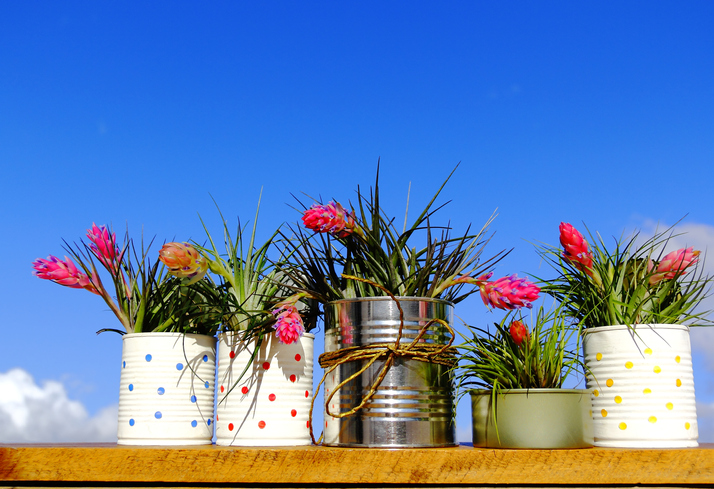
Container gardening with kids offers a world of possibilities. Anything can be a container if it can hold soil and allow excess water to drain out. This flexibility is what makes it such a fun and adaptable activity.
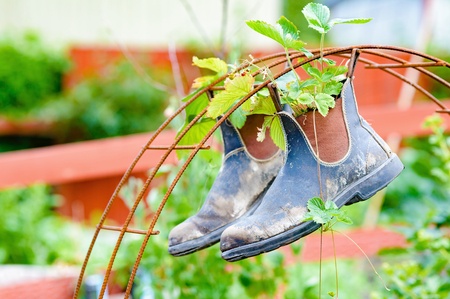
Our container gardens have been a riot of fun and creativity. We've used everything from old sneakers to work boots to plastic soda bottles cut in half and painted with flowers, butterflies, or hearts.
The more unusual, the more fun- this is the essence of container gardening with kids.
When container gardening for kids, remember that these pots dry out faster than clay or plastic and will need frequent watering, especially if they receive full sun daily.
Watering is the primary drawback of container gardening for kids, as container plants dry out much more quickly than in-ground plants.
Consider hooking up a little irrigation line running from pot to pot so you can go on vacation without suffering casualties. Here are a few more suggestions for container gardening with kids:
- Decorative cinder blocks. Herbs especially like these containers. They want tight places for their roots and the lime embedded in the blocks. You can set many out to create a pattern and a shallow garden.
- Old toys, such as plastic dump trucks, etc.
- Pocketbooks and totes. These are terrific for taller, larger plants.
- Baskets. What did you do with the Easter baskets? If you can, find them, fill them with soil, and let the kids loose with the seeds or seedlings.
- Shells. Shells are an excellent choice for cacti and succulents.
Tips for Helping Kids Grow Their Gardens
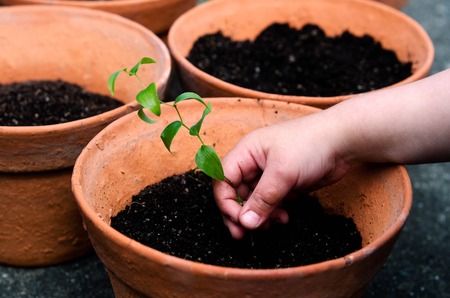
Now that you've chosen containers, here's how to get growing:
- Wash out the container. Put holes in the bottom for drainage.
- Fill the container full of potting soil. Leave around an inch at the top if you're sowing seeds; about two or three inches if you're planting seedlings.
- Plant seeds and cover. Or, plant seedlings and gently cover their roots with soil.
- Water gently so you don't wash all the soil out. (This
is not the time to power spray.) Wait until all the water has
settled; then water more. Repeat until water drains out the bottom holes.
- Check for sinking soil levels. If the soil level sinks after the first watering, add more soil.
- Keep the soil moist for the seeds. If you're planting seeds, keep the soil moist until they sprout.
- Fertilize. Once a month should do it.
- Consider a few gardening games to up the fun factor.
Container Gardening For Kids - Tips for Success
Here are a few tips to make your container gardening adventures successful:
- Smaller plants work better than big ones.
- Succulents and cacti are great choices because they don't require much root space, and they don't mind drying out between waterings.
- If you cluster containers, they will look more beautiful and be more accessible to water.
- A layer of tiny pebbles (or aquarium gravel) on top of the soil will help keep the soil from washing away during watering.
- Clean Home
- Backyard & Garden
- Container Gardening For Kids