Kitchen Recycling Center
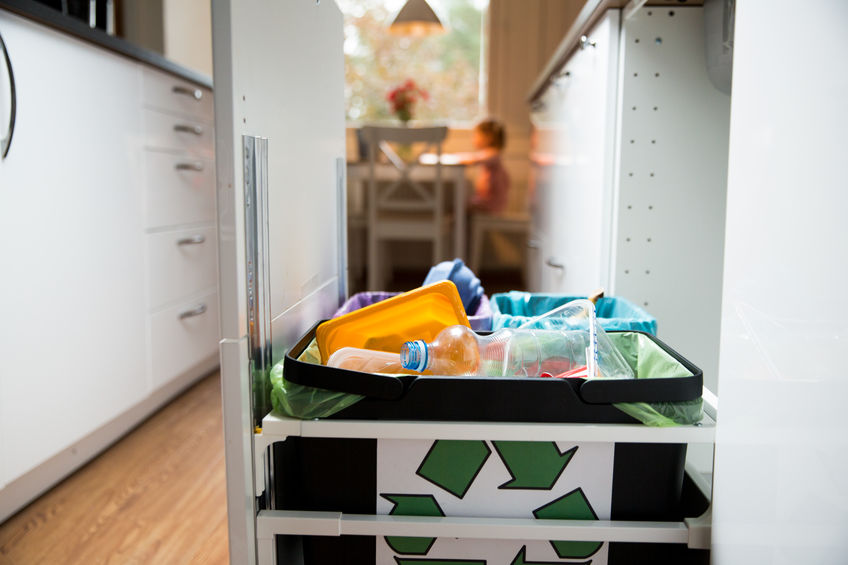
Most of your household recycling starts in the kitchen: cans, jars, cereal boxes, milk jugs and the endless parade of plastic containers. Without a plan, it ends up in a pile by the back door, a bag hanging off a chair or right in the trash.
A kitchen recycling center fixes that. Give recycling a home that's out of sight but still in the thick of things, and the whole family will actually use it. Here's how to set one up.
Where to Put Your Kitchen Recycling Center
- Under the sink: A two-bin pull-out (one for trash, one for recycling) is the classic setup. The bins are hidden, but they're right where you need them.
- In a base cabinet: Turn a base cabinet next to the sink or dishwasher into a recycling cabinet with a pull-out double-bin kit. It's one of the best kitchen upgrades you can make for the money.
- In the pantry or a closet: Stackable bins or a tiered rolling cart fit a lot of recycling in a small footprint.
- Out in the open: A good-looking dual-compartment trash and recycling can at the end of the counter works, too.
The rule: put the recycling bin right next to the trash can. If recycling takes one extra step, it ends up in the trash.
Set Up Your Bins
Find out what your city or hauler accepts. Rules vary a lot from town to town. Most pickup services use one of two systems:
- Single-stream: All recycling goes in one bin. You only need one kitchen bin, emptied into the big one outside.
- Sorted: Cans, glass, plastic and paper go in separate bins. Use small, labeled bins in the kitchen, or one kitchen bin you sort into the garage bins.
Label the bins with what goes in them, with pictures for little kids. Tape your city's recycling list inside the cabinet door.
How to Prep Recycling
- Empty and rinse cans, jars and bottles. A quick rinse is enough. They don't need to be spotless.
- Flatten boxes to save space.
- Leave caps on or off according to your local rules.
- Keep it loose. Don't bag recyclables unless your hauler says to.
Common Recycling Mistakes
Tossing something in the recycling bin and hoping for the best can actually contaminate a whole load. Check your local rules, but these usually don't belong in the curbside bin:
- Plastic grocery bags and plastic wrap. They jam the sorting machines. Many grocery stores collect them instead.
- Greasy pizza boxes and food-soiled paper. Tear off the clean top for recycling.
- Paper coffee cups, which are usually lined with plastic.
- Broken glass, dishes and drinking glasses.
- Batteries and electronics. They can start fires in recycling trucks. Take them to a drop-off site.
Add a Compost Pail
While you're at it, add a small countertop compost pail with a tight-fitting lid for non-meat food scraps: fruit and vegetable peels, coffee grounds, tea bags and eggshells. All those leftovers that would have gone down the garbage disposal get a second life in your backyard garden in just a few months. It's the ultimate recycling that gives back.
Empty the pail into an outdoor compost bin every few days, and rinse it out. A charcoal filter in the lid keeps odors down. You can compost with worms, or without them.
Here's how to worm compost, and if worms make you squeamish, here's composting without worms. Some cities also collect food scraps at the curb, so check yours. And whatever doesn't get composted, here's how to keep your garbage disposal running.
Set Up a Garage Overflow Station
If your kitchen space is tight, keep a small bin in the kitchen and bigger bins in the garage for cans, glass, plastic and paper. Empty the kitchen bin every day or two, and haul the big bins to the curb on pickup day.
Let the Kids Do It
Recycling is a perfect job for kids. Little ones can sort cans from bottles. Bigger kids can rinse, flatten boxes and take the kitchen bin out to the garage. They'll love it. They'll even like taking it out to the garage. Really. Here are more chores for kids by age.
Keep It Clean and Fresh
- Rinse recyclables before they go in the bin, so they don't attract ants and fruit flies.
- Wash the kitchen bins every few weeks with hot, soapy water, and let them dry completely.
- Sprinkle a little baking soda in the bottom of the bin to absorb odors.
What Not to Keep Under the Sink
If you have young kids, don't store cleaning products, dishwasher pods, drain cleaner or bleach in the cabinet with your recycling, where little hands can reach them. This isn't the time for logical storage. Keep them up high, or put a childproof latch on the cabinet. Here's more on cleaning product safety for kids.
Kitchen Recycling Center: Quick Answers
Where should I put recycling in the kitchen?
Right next to the trash can, ideally in a pull-out double bin under the sink or in a base cabinet. If recycling takes an extra step, it ends up in the trash.
Do you need to rinse recycling?
A quick rinse is enough to remove food and liquid. It keeps bugs and odors away and keeps the rest of the load clean.
Can plastic bags go in the recycling bin?
Usually not. They jam sorting machines. Many grocery stores collect plastic bags for recycling instead. Check your local rules.
How do you keep a kitchen compost bin from smelling?
Use a pail with a tight lid and a charcoal filter, empty it every few days and rinse it out each time.
Keep Going
Get the rest of the kitchen working for you with these related guides:
- Kitchen Organization Ideas: That make cooking easier.
- Composting Without Worms: 20 easy tips for beginners.
- How to Worm Compost: A great family project.
- Garbage Disposal Maintenance: Clean, freshen and unjam it.
- Pet Feeding Station Ideas: A tidy corner for the pets.
- Cleaning Product Safety for Kids: Keep little hands safe.
- Green Cleaning Guide: Clean your home safely and save money.
- Kitchen Cleaning & Organizing: The complete guide.
- Clean Home
- Kitchen Cleaning & Organizing
- Kitchen Recycling Center
Free Printable
Notes on Keeping House
Sign up and get my 15-Minute Daily Reset Checklist. One timer, five zones, and a house that stays under control.
Send My ChecklistNo spam, ever. Just smart, funny tips for keeping house from Tara Aronson.