Home Fire Safety Tips
What do you need to do to make your home fire-safe? These home fire safety tips can help.
It's mainly common sense: shut off appliances after you've used them, keep flammable items away from furnaces and space heaters, and make smoke detectors and fire extinguishers part of your home decor.
By being prepared to act when a fire occurs and having the necessary detectors in good working order, you can rest easier, knowing you're ready to respond.
These home fire safety tips are crucial in ensuring you're prepared should a fire ignite. By following these guidelines, you can feel informed and empowered in the face of potential danger.
Home Fire Safety Tips for a Smoke Detector
Because the toxic gases from a fire could keep you from waking up should a fire ignite while you're sleeping, maintaining working smoke detectors for every level of your home is essential for home fire safety.
Install smoke detectors on the ceiling (smoke rises) in every bedroom and outside bedroom doors, at the top of stairways, and in any den or office in the basement.
Test the devices monthly and replace the batteries at least once a year.
Home Fire Safety Tips for Where Fire Extinguishers Should Go
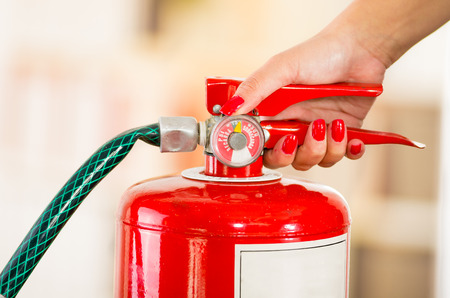
Fire extinguishers should also be kept on each floor, in every bedroom, and in any room where a fire could occur, such as the kitchen or a workshop.
Check fire extinguishers monthly—it could prevent a minor mishap from becoming a disaster. Check both the pressure gauge and the date tag.
If the pressure is low or the date is more than two years old, have the extinguisher serviced by licensed personnel recommended by the local fire department.
Otherwise, as long as the pin is intact, you're ready to aim should the need arise.
Consider a Carbon Monoxide Detector For Home Fire Safety
Another home fire safety must-have is a carbon monoxide detector. This deadly, colorless, odorless gas is becoming a threat in today's energy-efficient, airtight homes.
The source of carbon monoxide is usually faulty burning in, or poor venting of, a furnace or another appliance. Your first defense is to maintain these items properly.
Carbon monoxide detectors, which resemble smoke alarms, are an essential backup.
Final Home Fire Safety Tips
- Another simple fire safety precaution your family can take is to sleep with bedroom doors closed. Closed doors can prevent smoke and fire from spreading into these rooms, allowing you more time to escape.
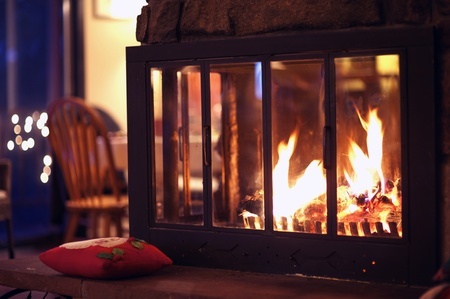
- Install a fireplace screen, and have your fireplace chimney and flue cleaned at least once a year.
- Do not leave lighted candles unattended in bathrooms or anywhere little hands might reach.
- Fireplace candles or lighters go atop the mantel, not alongside the firewood, in easy reach.
- Maintain the kitchen stove in good working condition, and keep baking soda on hand to extinguish stove-top fires.
- In the garage, disconnect electrical tools and appliances when you're finished using them.
- Secure essential papers in water- and fireproof strongboxes. Better yet: Put them in a safe deposit box off-site.
- Consider purchasing escape ladders for top-story bedrooms to ensure family members can escape should a fire break out.
Most importantly, practice fire drills with your family so everyone knows what to do and where to go if a fire breaks out.
- Clean Home
- Safe at Home
- Home Fire Safety Tips