Pet Insurance Yes or No?
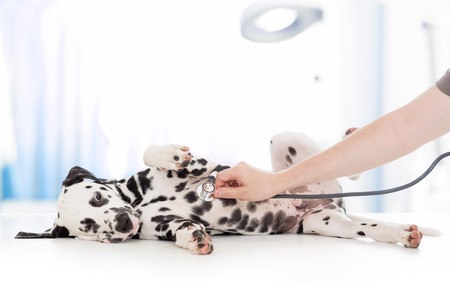
Pet insurance: yes or no? Pet insurance is designed to cover some - but usually not all - of the costs of emergency and routine medical care for your pet.
It can help offset most or all of the costs of diagnosing, treating, and managing your pet's illness or injury, as well as routine check-ups.
If your pet is healthy and you're putting some money aside for an emergency "kitty," you may not need insurance. If not, here's how to decide if pet insurance is right for you.
What Pet Insurance Covers
Pet insurance plans aren't like our health insurance plans.
With pets, you pay the vet bills upfront and then submit a claim to the insurance company. You're then reimbursed for some or all of the care costs (depending on your coverage plan).
Unfortunately, as with all other types of insurance, you can expect a delay in reimbursement. And, like most human health insurance, animal insurance requires deductibles, co-pays, or both.
The Cost of Insurance for Pets

How much you can expect to pay for insurance depends on your pet's age, breed, postal or ZIP code, and the type of policy.
There are three types of insurance coverage to choose from:
- Accident only
- Accident and illness
- Accident, illness, and wellness.
The most popular coverage is the mid-range accident and illness coverage.
Compare Quotes Before Choosing Pet Insurance
If you do decide to get health insurance for your pets, look for coverage with simple, percentage-based payouts and no judgment calls by the insurer about what's "reasonable."
Here are a few tips for finding the best insurance coverage for your pets:
- Download the company's sample policy, terms, and conditions. Look for limitations, cost-sharing, and service fees. The insurance provider should spell out the coverage details for routine and wellness care as well as emergency treatments and conditions requiring extensive care.
- Look for what is excluded. Many companies won't cover pre-existing conditions, certain pets, or breeds of pets they consider "high risk." Carriers often exclude hip dysplasia and other breed-specific conditions, although they will cover accidents.
- Find out how much your insurance premium will increase as your pet ages and as a result of claims filed.
- If you plan to use the insurance for catastrophic coverage—say $1,000 or more—choose the highest deductible amount for your policy.
- Skip add-ons and riders for wellness care, which usually aren't worth the price.
Pet Insurance Yes or No - Ask About Multi-Pet Discounts
If you have multiple pets, ask for a discount on your insurance premium. For a list of the ten best insurance companies that cover pets and additional information on insurance for your pets, visit ConsumersAdvocate.org or the American Veterinary Medical Association.
- Clean Home
- Family Pets
- Pet Insurance Yes or No?