Container Gardening Tips
For Success
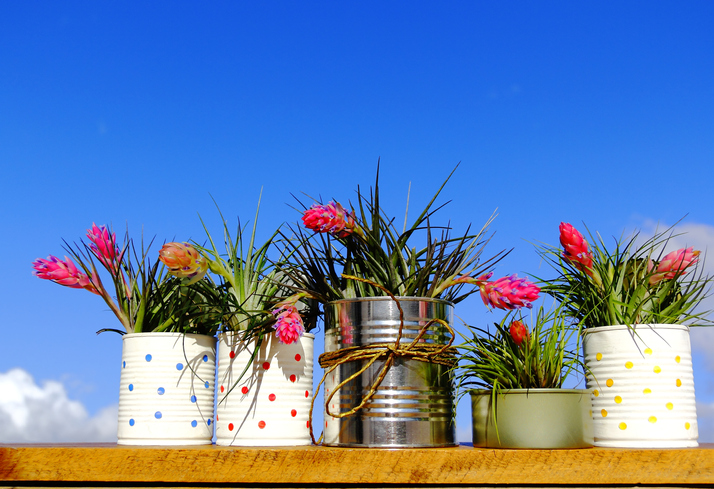 Container Gardening Tips For Success
Container gardening offers many decorative advantages:
- You can create little landscapes.
- The pots are portable. You can move them around to make different groupings or to protect them from inclement weather.
- They allow you to garden even where the soil is too poor to support a regular garden. Or, they can revitalize terraces or decks where there is no soil at all.
Container gardening is not just a seasonal hobby. It's a year-round adventure, allowing you to enjoy your garden in any weather and change your plant palette with the seasons.
Additionally, if you don't like a particular arrangement, you can easily change it. These container gardening tips for success can help.
Drawbacks of Container Gardening
However, there are some drawbacks to container gardening. The main challenge with container gardens is that plants in containers tend to dry out more quickly than those in traditional landscape gardens, requiring more frequent watering.
Container Gardening Tips For Success: Finding a Container
Anything can function as a pot, but the smaller and more porous the container, the more often you need to water it. The container needs a hole in the bottom to provide adequate drainage.
However, if you have an ideal pot with no hole, set a pot inside the container and cover the top with loam.
Container Gardening Tips for Success: Buying Plants
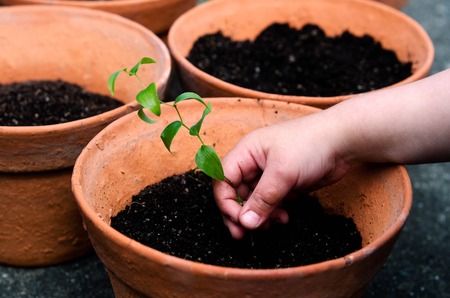
Container plants have the same environmental requirements and must share the same light and water needs as their in-ground cousins.
As a result, some plants are not suitable for container gardening. Fast-growing plants, for example, quickly outgrow their pots. Plants that like moist soil will soon wither and die.
Also, consider colors and textures—do they contrast or complement each other? Consider visual balance: Large containers may look best with a tall plant in the center, offset by trailing plants along the sides, creating a focal point.
Almost any plant will thrive in a container (provided it's a suitable container). Here are just a few container gardening tips for success in choosing plants:
- Annuals (geraniums, pansies, petunias, etc.)
- Roses (miniature, standard, and tree roses are good choices)
- Succulents
- Cactuses
- Herbs
- Bulbs
- Vegetables
Container Gardening Tips for Success:
Plant Care Dos and Don'ts
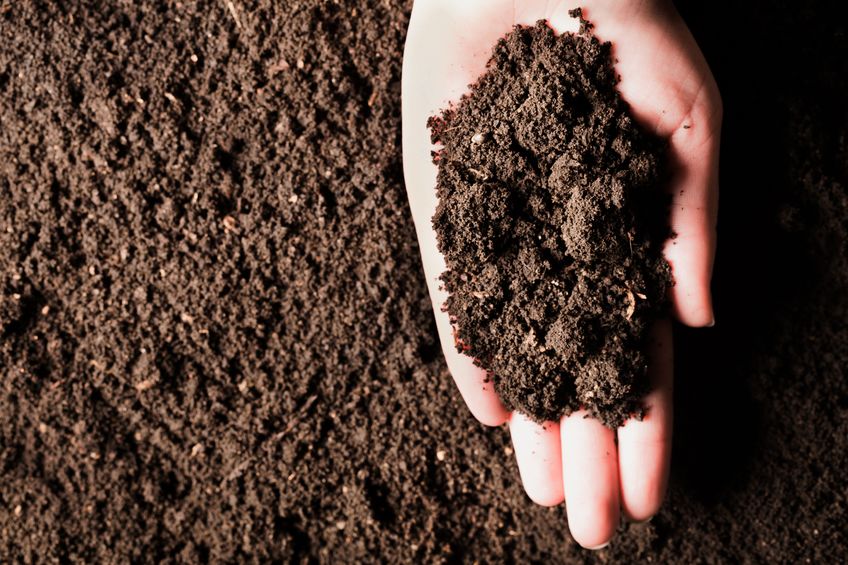
Plant care dos and don'ts: Don't use your garden soil. One advantage of container gardening is that you can use the best soil for the task.
Purchased soil is free of fungus, bacteria, weeds, and bugs, plus it has been formulated for proper drainage, which is crucial for potted plants.
Generally, containers are planted much more tightly than traditional garden plots.
In the garden, plants are spaced to allow room for growth, but in containers, you want that instant garden effect. This is an excellent plan for gardeners with limited patience.
Container plants need fertilizing year-round, about once a month. But in the summer, when annuals are in full bloom, fertilize with a diluted solution once a week. That's it. Get growing!
- Clean Home
- Backyard & Garden
- Container Gardening Tips For Success