Bare Minimum Garden Tools
Like everything else in life, gardening is easier with the right tools. However, tools can be costly. So what are the bare minimum garden tools you need to accomplish basic gardening tasks?
It's important to invest in durable tools that won't break or bend, as flimsy equipment can lead to frustration and inefficiency. You don't need to splurge on the highest-end options, but it's best to avoid the low-quality, flimsy, $5 tools.
Instead, choose tools built to last and that will serve you well on your gardening journey. Get sturdy tools with a comfortable weight and grip. I like the ones with cords or holes in the handles so I can hang them up.
This guide to the bare minimum garden tools will help you identify the essentials without overspending.
Bare Minimum Garden Tools: The Handy Hand Trowel
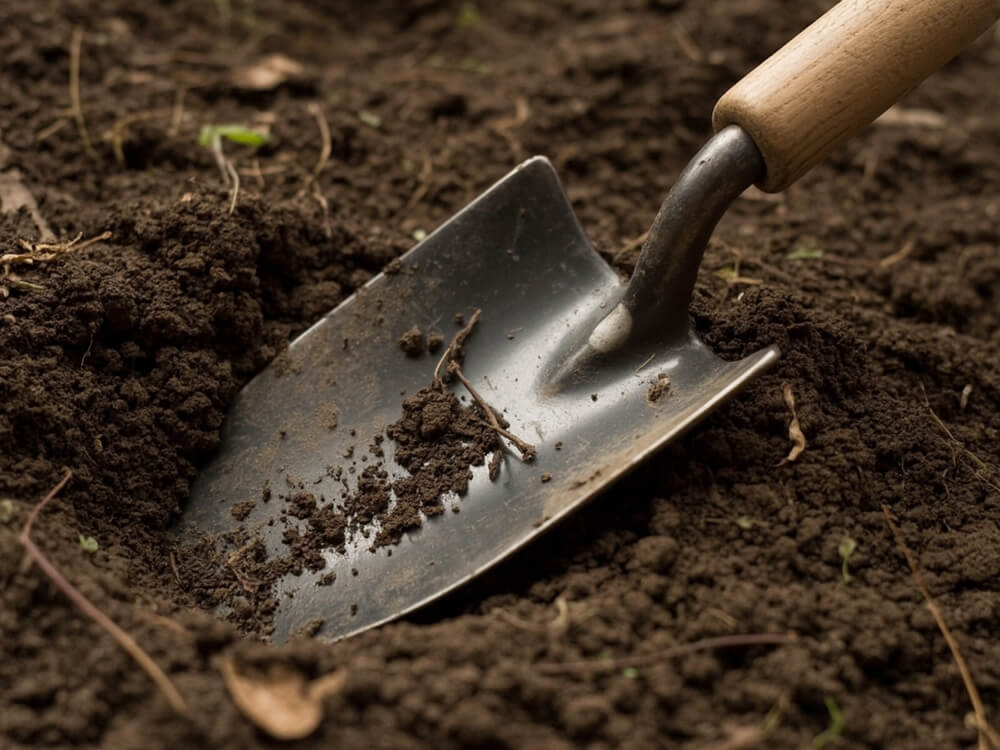
Hand Trowel: This small spade is essential for planting, scooping, and digging. It’s crucial to choose one that is strong, well-weighted, and comfortable in your hand since you will use it frequently.
Choose a drop-shank trowel (one with a slight bend in the metal above the handle) for regular work. Use a straight-shank trowel for planting bulbs.
Pruners
Pruners: There are two main types of pruners, and you'll need both. Anvil pruners work by pinching the stem against a flat base. These are better for cutting dry or tough stems or branches.
Bypass pruners cut more like scissors, with the two blades passing each other. These are better for pruning younger, green stems or branches. Look for pruners with adjustable blades for stems of varying thickness.
Shovel
Shovel: You need a shovel to dig holes for larger plants, especially if your soil is hard and compacted. (I had to use a pickaxe.) Choose a round-point shovel for routine yard work.
Garden Tools Tote
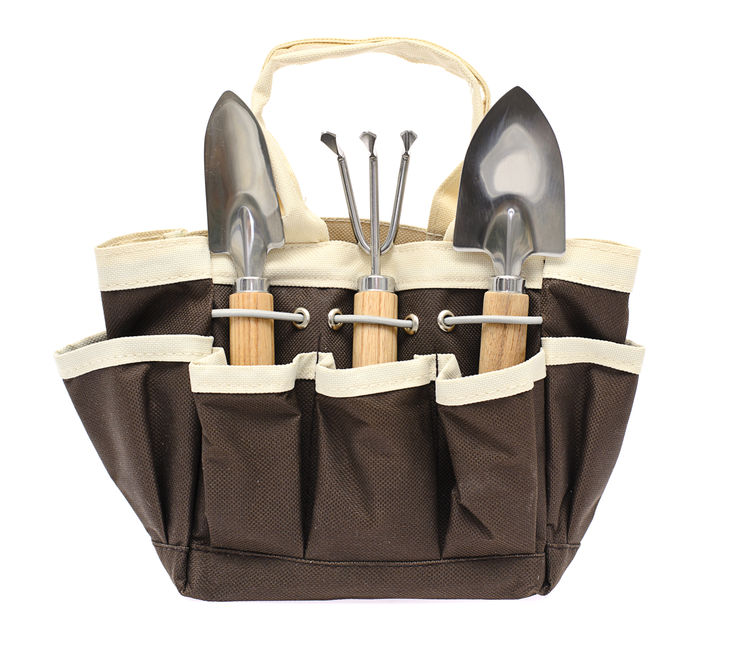
You'll need a way to carry your bare minimum garden tools around the yard; otherwise, you might find yourself frustrated. The container can be as simple as a plastic bucket or as sophisticated as a rolling gardening cart equipped with a cushioned seat.
I particularly like the bucket organizer, a cloth bib with pockets that fit over a five-gallon bucket. This way, I can toss weeds into the bucket while conveniently hanging all my tools on the side.
You could also use a plastic caddy, a canvas tool tote bag, a tool belt, or a pocketed apron. It's your call, but you will need something.
Garden Hose
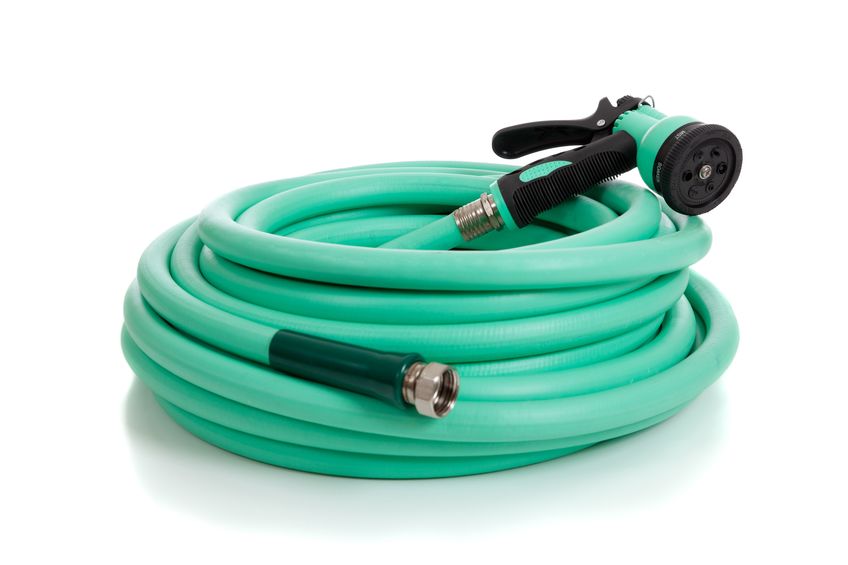
If you have an irrigation system, you are in fine shape. But you will still need a hose to water newly transplanted plants and potted plants. Ensure the hose is long enough to reach all parts of your yard, or consider getting one for the front and another for the backyard.
People in apartments or condos can get away with lightweight hoses, but if you have a yard, consider getting a medium or heavyweight hose. It is not only more durable but coils more easily.
Most people will also want a gadget to roll up and store the garden hose to keep it neat. But that's not essential.
Gloves
You hate gloves, and I'm not too fond of them, but you must wear them to protect your hands from cuts and blisters. Also, gardening will dry out your skin.
There are several different types of gloves (of course). Many people like leather gloves, but I find them too clumsy. I prefer cool cloth gloves with rubberized grips on the palms and fingers. I wear cotton-lined rubber gloves when gardening in wet soil.
Kneeling Pad
Anyone who has gardened would certainly put kneeling pads on the necessity list. These foam rubber pads will save your knees.
Bare Minimum Garden Tools - A Gardening Hat
I never wear a hat. I always mean to wear a hat, but I always forget. Do as I say, not as I do.
Bare Minimum Garden Tools - Gardening Clogs
OK, you don't necessarily need clogs, but you do need waterproof shoes that you can slip on and off easily, so you don't track dirt into your house. Rubber clogs work best for me.
- Clean Home
- Backyard & Garden
- Bare Minimum Garden Tools