10 Fall Gardening Tips for a Healthier Garden Next Spring
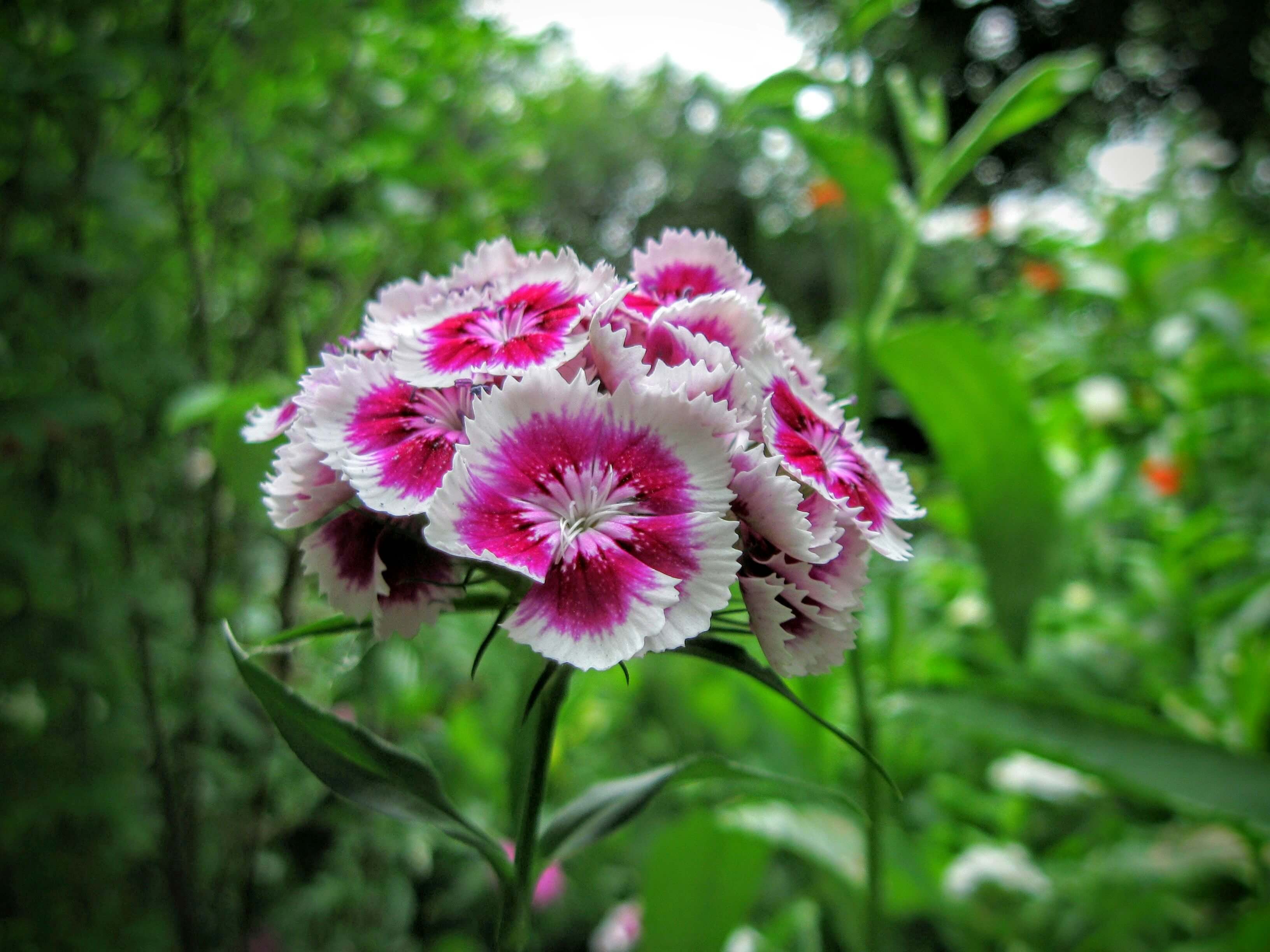
Fall gardening has a public-relations problem. Spring gets flowers, seedlings, and optimistic trips to the garden center.
Summer gets tomatoes, hydrangeas, and the brief conviction that this year you're finally going to stay ahead of the weeds.
Fall gets: “Shouldn't we clean all this up?” Yes. But not quite the way you might think.
Fall is one of the best times to do the garden jobs that make next year's yard easier: remove diseased plant material, deal with weeds before they reproduce, improve soil, plant certain bulbs and perennials, protect vulnerable plants and put your tools away in something resembling usable condition.
You also don't need to strip the entire garden bare. Some spent plants, seed heads and fallen leaves can provide food and shelter for birds, insects and other wildlife.
The goal is not to make your yard look as though winter has already happened. It's to put the garden to bed without evicting everything that lives there.
One important note before we start: fall arrives very differently depending on where you live. A gardener in Southern California has a different October than a gardener in Minnesota.
Use your local climate, frost dates, and plant requirements—not the calendar alone—to decide when to tackle individual jobs.
Here are ten places to start.
1. Remove Diseased Plants First
Not everything that's finished growing needs to disappear. Diseased plant material is different.
Inspect vegetable beds, flowers, and shrubs for signs of disease, including:
- Heavily spotted leaves
- Rot
- Diseased fruit
- Infected stems
- Plants with known fungal or bacterial problems
Remove affected material according to recommendations for the particular disease. Don't automatically put diseased plant material into a home compost pile.
Some pathogens may survive ordinary backyard composting conditions.
When in doubt, check guidance from your local Cooperative Extension or municipal waste program for appropriate disposal. This is one fall cleanup job worth doing thoroughly.
You're not being tidy. You're reducing the chances of this year's plant problems becoming next year's reunion tour.
2. Don't Cut Down Everything
The old fall-cleanup instinct was simple: Cut it. Rake it. Bag it. Remove all evidence that a plant ever existed.
You can be more selective. Healthy seed heads can feed birds. Standing stems and other plant material may provide overwintering habitat for beneficial insects.
Some ornamental grasses also provide winter structure and interest. So rather than automatically cutting every perennial to ground level, decide what actually needs to go.
Remove:
- Diseased material
- Problem weeds
- Plants that have become slimy or collapsed
- Anything creating a genuine maintenance or safety problem
Consider leaving some healthy stems and seed heads standing until later.
A fall garden doesn't have to look dead to be ready for winter. And the insects would appreciate it if we stopped confusing “tidy” with “vacant.”
3. Get Ahead of the Weeds
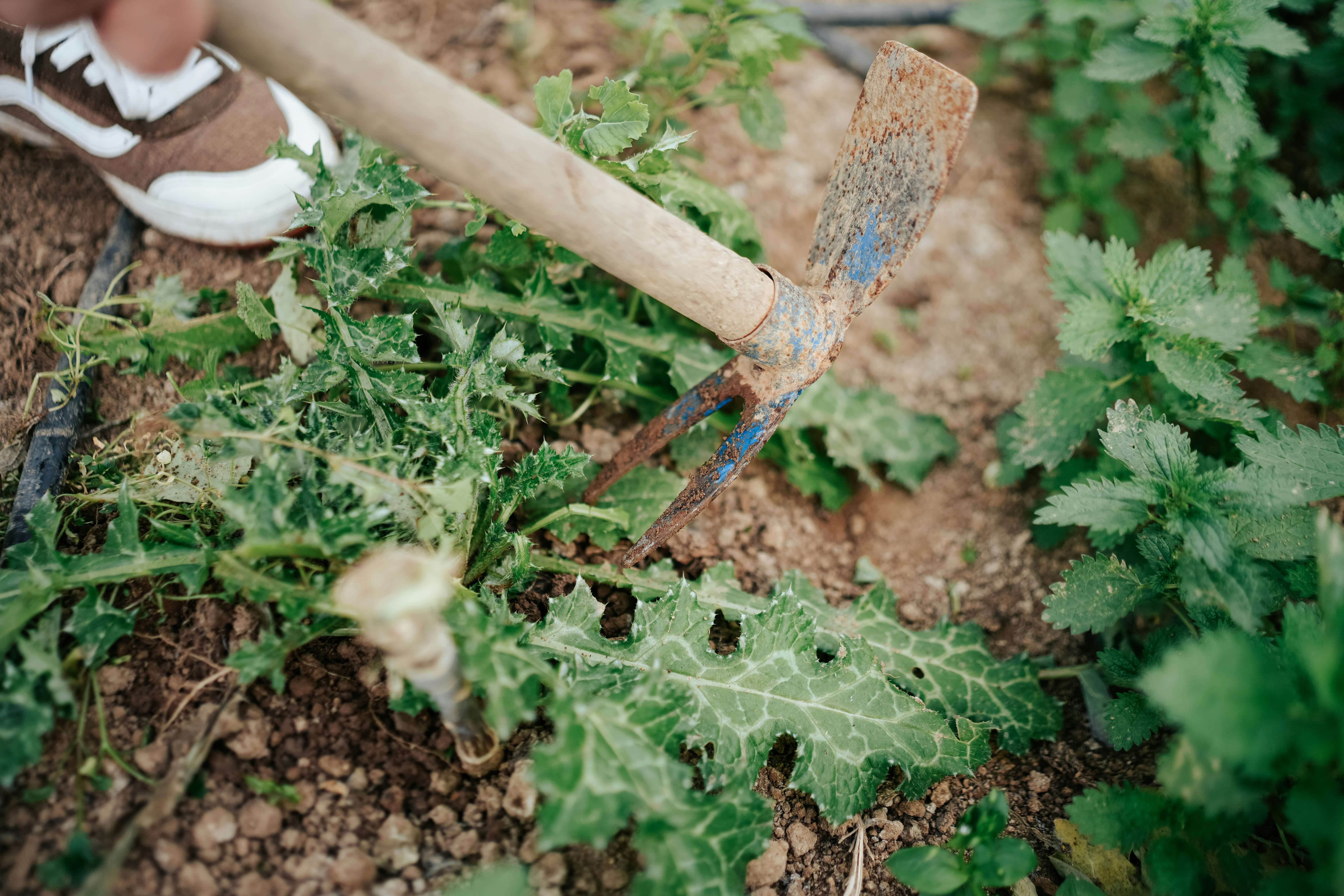
Weeds are remarkably committed to their work. You may have emotionally finished gardening for the year. They have not.
Remove problem weeds before they can produce and scatter more seeds. This is especially useful for weeds that are:
- Flowering
- Forming seed heads
- Spreading through roots or runners
- Invading garden beds
Try to remove the root system where appropriate rather than snapping off the visible top. And identify the plant before pulling it.
Our previous rule still applies: Pull first, identify later is an excellent way to remove the plant you spent $24.95 on in April.
Fall weed control can mean fewer weeds competing with your plants when growth begins again.
That's future-you's problem made smaller. Future-you deserves an occasional favor.
4. Put Fallen Leaves to Work
Leaves aren't automatically garbage. Healthy fallen leaves can be useful for the garden.
Depending on your yard, you may be able to:
- Mulch them with a mower
- Add appropriate leaves to compost
- Use shredded leaves as mulch
- Leave some beneath trees or in appropriate garden areas
- Create a small leaf pile in an out-of-the-way area for habitat
Thick mats of whole leaves shouldn't necessarily be left smothering turf or delicate plants, but that doesn't mean you need to bag and remove every leaf.
Shredding leaves makes them easier to use as mulch and helps them break down more quickly.
If leaves are affected by significant plant disease, handle them according to recommendations for that particular problem rather than automatically reusing them.
The larger point: Before you spend an afternoon putting leaves into bags, decide whether you're throwing away something the garden can use.
Your trees have already delivered the material. No shipping charge.
5. Add Mulch Where It's Needed
Fall can be a good time to refresh mulch around appropriate plants. Mulch can help:
- Moderate soil-temperature fluctuations
- Conserve soil moisture
- Suppress weeds
- Protect soil
- Add organic matter as natural materials break down
But more mulch is not always better. Don't pile it deeply against tree trunks or plant crowns.
That infamous mulch volcano around a tree trunk isn't extra protection. Keeping mulch pressed against bark can retain moisture where you don't want it and contribute to problems.
Spread mulch over the root zone, keeping it away from direct contact with trunks and stems, as appropriate. Trees do not need turtlenecks.
6. Plant for Spring
One of fall's best tricks is to let you do work now and take credit for it months later.
Depending on your climate and growing zone, fall may be an appropriate time to plant certain plants:
- Spring-flowering bulbs
- Perennials
- Trees
- Shrubs
- Cool-season vegetables
Spring-flowering bulbs commonly planted in fall in suitable climates include tulips, daffodils, and crocuses. But timing varies enormously by location.
In warmer climates, some bulbs may require different treatment or pre-chilling, while gardeners in colder climates need to plant early enough for roots to establish before the ground freezes.
Check the requirements for the specific plant and your local growing conditions.
Don't plant something in October merely because an article written for another climate said October is planting month. Plants cannot read national gardening calendars.
7. Divide and Move Perennials—When Appropriate
Fall can be a useful time to divide or relocate some established perennials. If a plant has:
- Outgrown its space
- Developed a sparse center
- Become crowded
- Spread where you don't want it
- Been living in obviously poor conditions
- It may be a candidate for division or relocation.
But don't apply this rule to every perennial. The best time to divide a plant depends on its species and your climate. Some are better handled at another time of year.
If fall division is appropriate, give the plant enough time to establish roots before severe cold arrives. Water newly divided or transplanted plants appropriately as they establish.
And don't divide plants simply because you're already standing outside holding a shovel. That's how innocent perennials become involved.
8. Give the Lawn the Right Fall Care
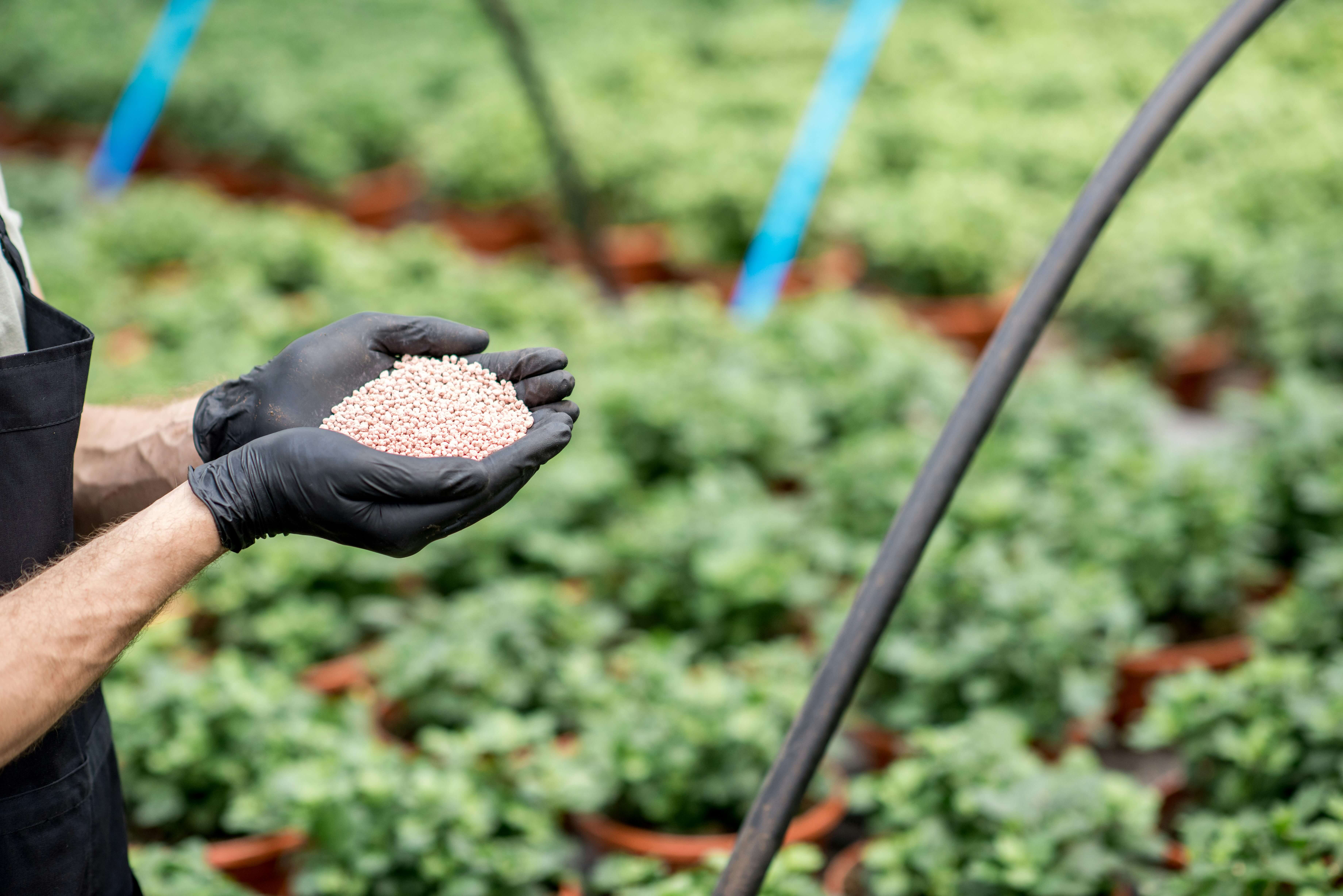
Fall lawn care depends heavily on your grass type and where you live. Cool-season and warm-season lawns have different schedules and needs.
Depending on your lawn and climate, fall may be the season for some combination of:
- Removing excessive leaf cover
- Aerating compacted soil
- Overseeding
- Fertilizing
- Continuing to mow while grass is actively growing
- Adjusting irrigation as temperatures change
Don't automatically apply fertilizer because the calendar says fall. Use recommendations for your grass type, local conditions, and soil needs.
The same goes for watering. As temperatures cool and plant growth slows, irrigation needs may change—but they don't necessarily disappear overnight.
Your lawn doesn't know it's Labor Day. Watch the lawn and weather rather than the seasonal aisle at the hardware store.
9. Clean and Store Garden Tools
This is the job everyone intends to do. Then spring arrives, and you rediscover a muddy shovel exactly where you abandoned it six months earlier.
Before storing tools:
- Remove soil and plant debris.
- Clean them appropriately.
- Dry them thoroughly.
- Inspect for damage.
- Sharpen cutting tools if needed and if you know how to do so safely.
- Follow manufacturer recommendations for lubrication or maintenance.
- Store tools somewhere dry and protected.
Clean pots and other reusable gardening equipment as appropriate before storing them too.
If you used a tool on diseased plant material, clean and disinfect it using a method appropriate for that tool and plant problem before using it elsewhere.
While you're at it, put everything back where it belongs. Spring gardening is considerably more enjoyable when the first task isn't: Find the pruning shears.
10. Do One Last Garden Walk
Before declaring the season over, walk slowly around the yard. Not to work. To look.
Check for:
- Damaged branches
- Drainage problems
- Standing water
- Loose supports
- Irrigation leaks
- Containers that need protection
- Tender plants that may need cold protection
- Outdoor hoses and equipment that need winter preparation
- Dead or hazardous branches
- Pest damage
- Plants that struggled all season
- Areas you want to change next year
Take pictures. Make notes. You will not remember all of this in spring. You think you will. You won't.
Write down:
Move this plant.
Don't buy this variety again.
Need something taller here.
Too much shade.
Tomatoes took over civilization.
Those notes are far more useful in spring than trying to reconstruct your September opinions from memory.
What About the Vegetable Garden?
Once annual vegetable plants have finished producing, remove plants that are diseased or otherwise need to be removed.
Healthy plant material may be compostable depending on your composting system.
Clean up dropped or rotting produce that could attract pests or harbor disease. Then consider what the empty bed needs. Depending on your gardening system and climate, that might include:
- Compost
- Mulch
- A cover crop
- Cool-season planting
- Simply protecting the soil until the next growing season
Avoid leaving bare soil exposed unnecessarily when an appropriate mulch or cover is suitable. nd record what grew where if you plan to rotate crops.
By spring, “I think the tomatoes were over there” becomes surprisingly convincing even when completely wrong.
What About Container Plants?
Containers deserve their own fall inspection. Determine which plants are:
- Annuals that are finished
- Perennials hardy enough for your conditions
- Tender plants that need protection
- Houseplants that spent summer outdoors
- Plants that should be moved to a more sheltered location
Cold affects container-grown roots differently because they're more exposed than roots insulated by the ground. The correct treatment depends on the plant, container, and climate.
Before bringing plants indoors, inspect them for insects and other unwanted passengers. The objective is to bring the plant inside.
Not to establish an indoor aphid sanctuary.
Don't Forget the Hose and Irrigation System
If you live where temperatures drop below freezing, outdoor plumbing and irrigation equipment may need winter preparation.
That can include hoses, faucets, irrigation components, and other water systems.
The correct procedure depends on your equipment and climate, so follow manufacturer recommendations and local winterization guidance.
Even in mild climates, fall is a good time to check irrigation. Look for:
- Leaks
- Broken emitters
- Misaligned sprinklers
- Clogged components
- Watering areas that no longer need as much irrigation
Plants' water needs change with the season. Your irrigation controller will happily continue believing it's July until somebody tells it otherwise.
Should You Fertilize the Garden in Fall?
Maybe. That's less satisfying than a universal yes or no, but it's more useful.
Fertilizer needs depend on:
- The plant
- Soil conditions
- Climate
- Time of year
- Type of fertilizer
- Whether the plant is actively growing
Don't fertilize simply because you're doing fall cleanup.
A soil test can help identify actual nutrient needs rather than treating fertilizer as a seasonal vitamin.
More fertilizer isn't automatically better. Plants are not impressed by generosity when what they needed was something else.
Leave Something for Wildlife
A perfectly stripped garden may look neat to us but provide very little for wildlife.
Where practical, consider leaving some:
- Seed heads
- Healthy stems
- Leaf litter
- Native plants
- Protected habitat areas
Birds may feed on seeds. Beneficial insects may overwinter in plant material and sheltered garden spaces.
That doesn't mean letting the entire yard collapse into chaos. It means deciding which cleanup actually serves a purpose.
You can maintain paths, remove disease, control invasive weeds, and keep important areas tidy while leaving useful habitat elsewhere.
There's room between “sterilized landscape” and “we haven't seen the shed since 2019.”
Fall Garden Jobs You Can Skip
Fall already comes with enough chores. You don't need to manufacture additional ones.
Depending on your garden, you may be able to skip:
Cutting down every healthy perennial
Some can remain through winter.
Removing every fallen leaf from every garden bed
Some leaves can be useful.
Fertilizing everything
Feed plants because they need it, not because it's October.
Buying a garage full of fall garden products
Use what your garden actually requires.
Making the yard perfect
Winter is coming. It will have notes.
The One-Hour Fall Garden Reset
Only have an hour? Don't try to “finish the yard.”
Do this instead:
15 minutes: Remove diseased plant material and obvious problem weeds.
15 minutes: Deal with leaves in high-priority areas.
10 minutes: Check containers and vulnerable plants.
10 minutes: Clean and put away frequently used garden tools.
10 minutes: Walk the yard and make a spring to-do list.
Done. Anything else is a bonus.
You do not need to spend an entire weekend ceremonially closing the garden.
Fall Gardening Checklist
Before the season changes completely:
- Remove diseased plant material
- Leave useful healthy stems and seed heads where appropriate
- Pull problem weeds before they seed
- Reuse healthy fallen leaves where practical
- Mulch appropriate beds and plants
- Plant suitable bulbs and plants for your climate
- Divide or relocate appropriate perennials
- Give the lawn climate-appropriate fall care
- Clean and store garden tools
- Inspect containers
- Adjust irrigation as needed
- Winterize outdoor water systems where necessary
- Check trees and shrubs for problems
- Leave appropriate habitat for wildlife
- Make notes for next year's garden
The Bottom Line
Fall gardening isn't about erasing the garden before winter. It's about dealing with what will cause trouble later and leaving alone what won't.
Remove disease. Control problem weeds. Use leaves instead of automatically throwing them away.
Protect vulnerable plants. Plant for spring where appropriate. Take care of your tools. Adjust for your climate. And leave a little habitat behind.
Then go inside. The garden has survived seasons without you before. It can manage the evening.
And when spring arrives, and you discover clean tools, fewer weeds, and bulbs emerging from the ground that you barely remember planting?
You get to feel unusually organized. Don't explain that October-you did all the work.
Keep Going
Learn which insects you actually want to find in your fall garden with 10 Beneficial Garden Insects You Want in Your Yard.
If something is eating the plants, see 12 Bad Garden Bugs That Can Damage Your Plants before deciding what to do about it.
For more gardening, outdoor cleaning, and backyard ideas, visit our Backyard & Family Living Guide.
And if the kids are “helping” with fall cleanup, try 15 Gardening Games for Kids.
- Clean Home
- Backyard & Garden
- Fall Gardening Tips