How to Clean Hardwood Floors: 20 Tips That Actually Work
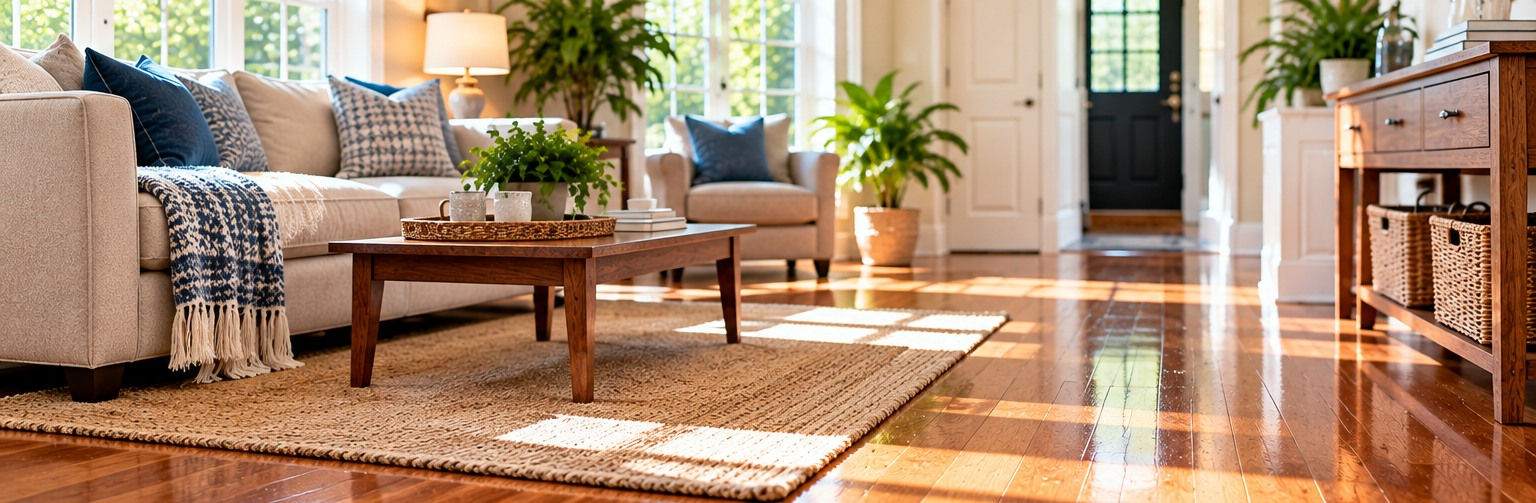
Hardwood floors are beautiful. Warm, timeless, elegant. Right up until the afternoon sun hits them at just the right angle and reveals every footprint, dust bunny, dog hair and mysterious smudge that's appeared since breakfast.
If you have kids or pets, congratulations: you've installed a very attractive dirt-detection system.
The good news is that cleaning hardwood floors is simple. The secret is to remove grit before it scratches, use a cleaner made for your floor's finish, and keep water to a minimum. These 20 tips will keep your floors looking great, without turning your living room into a slip-and-slide.
One rule before we start: floors vary, so your flooring manufacturer's care instructions always win. The tips below are for the most common type, sealed hardwood (with a polyurethane or similar finish), unless noted.
The short version:
• Dust-mop or vacuum often to get the grit up.
• Clean with a cleaner made for wood floors, and a barely damp mop.
• Skip vinegar, steam mops and furniture polish.
• Wipe up spills right away.
• Use doormats, felt pads and trimmed pet nails to prevent scratches.
Daily and Weekly Hardwood Floor Care
1. Find out what finish you have. A cleaner that's fine for one floor can ruin another, so check your manufacturer's instructions or installation paperwork first. No paperwork? Try the water test: put a few drops of water in an out-of-the-way spot. If it beads up, the floor is sealed. If it soaks in and darkens the wood, you probably have an oil or wax finish (or a worn-out one), which needs different care. Until you know, stick to dry cleaning.
2. Sweep or dust-mop regularly. Sand and grit act like sandpaper under shoes. A soft-bristle broom or microfiber dust mop gets them up before they scratch, especially in entryways, hallways and the kitchen. And if you have pets, you already know hardwood attracts enough fur to assemble a whole new animal.
3. Vacuum with the right setting. Use a hard-floor attachment or a vacuum made for wood, and turn off the spinning brush roll unless the vacuum maker says it's safe. Check that the wheels are clean, and don't forget corners and under furniture, where dust likes to hold its private meetings.
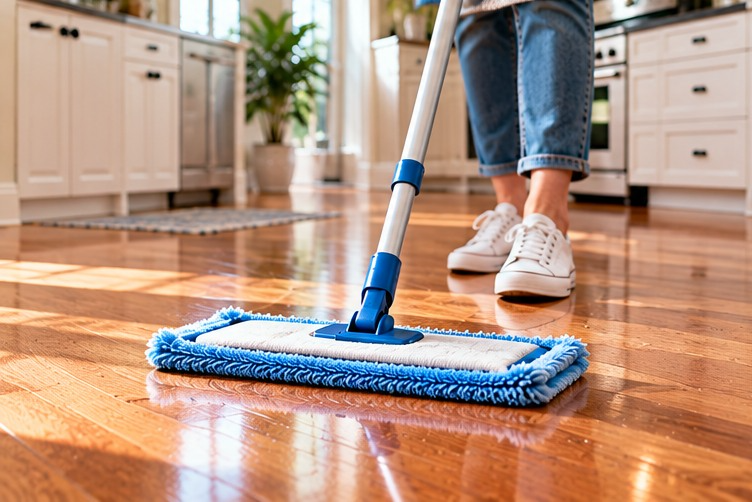
4. Use a microfiber mop. It's lightweight, grabs dust like a magnet and works great dry for everyday cleaning. Wash the pads often: dragging a gritty mop across the floor doesn't remove dirt, it just rearranges it in decorative swirls.
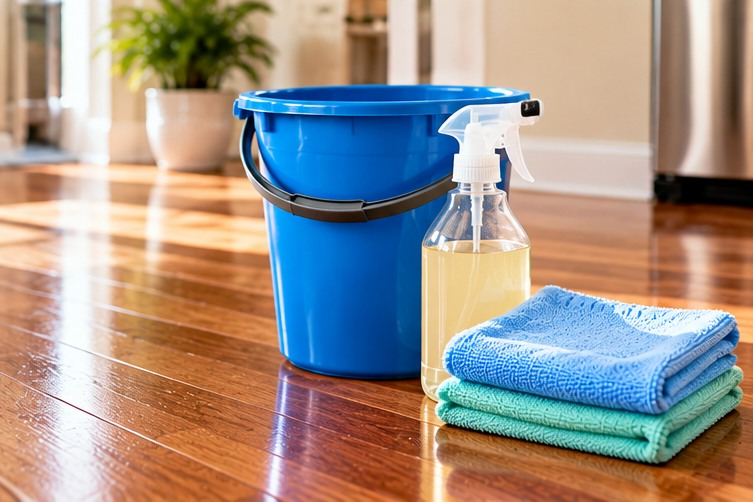
5. Choose a cleaner made for wood floors. For most sealed floors, a pH-neutral hardwood floor cleaner (or the one your manufacturer recommends) is the way to go. Follow the label for dilution and use. The best cleaner isn't the one with the strongest scent or biggest promises; it's the one that cleans your floor without hurting it.
How to Mop Hardwood Floors
6. Use as little water as possible. Water and wood are not good roommates. Too much moisture seeps between the boards and causes swelling, cupping and finish damage. If your floor can be damp-mopped, wring the mop until it's barely damp, never dripping. A hardwood floor shouldn't look like you just hosed down the driveway.
7. Mop in small sections. Clean a small area, check for leftover moisture, then move on. It keeps water from pooling along the seams, and it keeps you from mopping yourself into a corner. (We've all been there.)
8. Make it a shoes-off house. Or at least a no-stilettos-and-cleats house. Outdoor shoes track in grit, and high heels can actually dent wood. A basket of shoes by the door is a lot cheaper than refinishing the living room.
9. Wipe up spills immediately. Water glasses tip. Pets have accidents. Children apparently believe juice belongs on every horizontal surface. Blot spills right away with an absorbent cloth (don't spread them around), then dry the spot. The longer liquid sits, the more likely it is to cause damage.
10. Remove sticky spots gently. For dried jam and other mystery goo, use a lightly dampened cloth and a little wood floor cleaner to soften the residue, then wipe and dry. Never use a metal scraper or abrasive pad.
What Not to Use on Hardwood Floors
11. Be careful with vinegar. It's often recommended as a natural floor cleaner, but its acidity can dull many finishes over time, and lots of flooring makers say not to use it. Lemon juice falls into the same category: wonderful in salad dressing, not so wonderful on polyurethane. And never mix vinegar with bleach.
12. Skip the steam mop. Heat and moisture can force their way into seams and damage finishes and adhesives. Many hardwood manufacturers say no to steam, even if the steam mop box says "safe for sealed floors." Your floors don't need a sauna.
13. Put down the steel wool. Skip harsh scouring pads, abrasive powders, stiff brushes and sharp scrapers. Even small scratches get more noticeable over time. If a mark won't come off with gentle cleaning, it may be damaged finish, not dirt, and no amount of scrubbing will fix that.
14. Keep furniture polish off the floor. Many polishes contain oils, silicones or waxes that leave a slippery film and can interfere with refinishing later. Same goes for wax or oil on a sealed floor. You want a clean floor, not an indoor skating rink.
15. Treat scuff marks gently. Most scuffs from shoes and furniture wipe off with a soft cloth, or a little wood floor cleaner. If gentle doesn't work, stop before you make it worse.
How to Protect Hardwood Floors
16. Put mats at every entrance. Stop dirt before it gets in, with mats outside and inside your busiest doors. Choose indoor mats and rug pads labeled safe for hardwood; some rubber and latex backings can discolor the finish.
17. Put felt pads on furniture legs. Chairs that scoot back from the table 20 times a day can do remarkable damage. Add felt pads to chair and table legs, check them regularly and replace them when they're worn or gritty. And lift furniture when you move it; never drag it.
18. Keep pet nails trimmed. Pets and hardwood can coexist peacefully with a little cooperation. Keep nails trimmed, wipe muddy paws at the door and clean up accidents quickly. Your dog may think the living room is an excellent racetrack. Your floors disagree.
19. Block harsh sunlight. Strong direct sun can fade or darken wood over time. Use curtains or blinds during the brightest hours, and move rugs and furniture around now and then so you don't end up with a rug-shaped "tan line."
20. Know when cleaning isn't enough. Worn or peeling finish, deep scratches, water stains, warped or cupped boards and soft spots are jobs for repair or refinishing, not stronger cleaners. Call a flooring pro before sanding, especially with engineered wood, which can only be refinished a limited number of times (or not at all). Sometimes the floor isn't dirty. It's just tired.
The Best Way to Clean Hardwood Floors, Step by Step
For most sealed hardwood floors (check your manufacturer's instructions first):
1. Remove loose dirt. Sweep, dust-mop or vacuum, paying attention to corners and high-traffic areas.
2. Spot-clean sticky spots with a damp cloth and wood floor cleaner.
3. Mix your cleaner according to the label.
4. Mop lightly with a clean, barely damp microfiber mop, one small section at a time.
5. Dry any damp spots with a soft towel.
6. Let it dry completely before putting furniture back or letting the dog through.
That's it. No chemical arsenal required, and definitely no flooding the kitchen.
Hardwood Floor Cleaning FAQs
What's the best thing to clean hardwood floors with? A microfiber dust mop or vacuum for everyday dirt, and a pH-neutral cleaner made for wood floors for deeper cleaning.
Can you mop hardwood floors with water? Most sealed floors can handle a barely damp mop, if the manufacturer allows it. Never leave puddles.
Is vinegar safe for hardwood floors? Not always. It can dull many finishes, so skip it unless your manufacturer specifically recommends it.
Can you use a steam mop on hardwood floors? Most manufacturers say no. Heat and moisture can damage the wood and finish.
How do you clean hardwood floors without streaks? Use the right amount of cleaner (more isn't better), a clean mop pad and as little water as possible, then dry any damp spots.
How do you make hardwood floors shine? Keep them clean with a finish-safe cleaner. If they still look dull, the finish may be worn and need a professional recoat or refinishing.
Can you use dish soap on hardwood floors? It can leave a dulling film, so use a wood floor cleaner unless your manufacturer says a mild soap solution is fine.
The Bottom Line
Hardwood floors don't need an elaborate routine. They need a little regular attention: get the grit up, wipe spills fast, use a cleaner made for the finish and go easy on the water.
You don't need a floor as shiny as a bowling alley. You just want one that's clean, comfortable and still beautiful years from now, ideally without spending your whole Saturday on your hands and knees.
Make Clean Floors a 15-Minute Habit
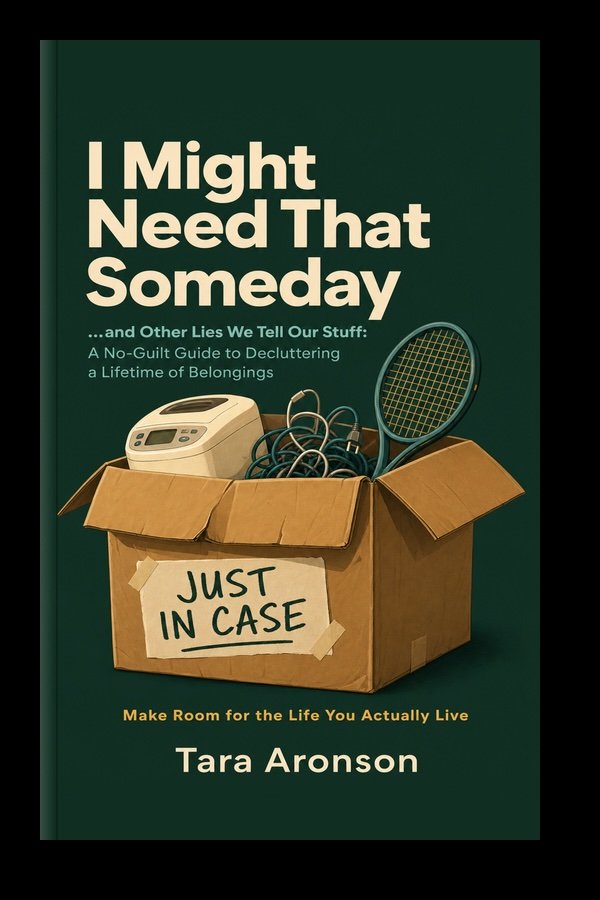
A quick daily dust-mop is the single best thing you can do for hardwood. My book The Daily Home Reset shows you how to keep every room, floors included, under control in just 15 minutes a day.
Keep Going
Keep the rest of your home clean with these related guides:
• House Cleaning Guide: Room-by-Room Tips, Routines & Checklists: Practical advice for cleaning every room.
• Tips for Cleaning Floors: How to clean tile, vinyl, carpet and more.
• Speed Cleaning Your Home: Save time on everyday housework.
• Green Home Cleaning Tips: Clean safely without harsh chemicals.
• Cleaning to Control Allergy Symptoms: Reduce dust and common indoor allergens.
• Weekly House Cleaning Checklist: Keep routine cleaning manageable.
• Easy Spring Cleaning Shortcuts: Freshen your home without a cleaning marathon.
• Home Maintenance: Protect your floors, surfaces and equipment.
- Clean Home
- Kitchen Cleaning & Organizing
- How To CleanHardwood Floors
Free Printable
Notes on Keeping House
Sign up and get my 15-Minute Daily Reset Checklist. One timer, five zones, and a house that stays under control.
Send My ChecklistNo spam, ever. Just smart, funny tips for keeping house from Tara Aronson.