How to Clean Linoleum Floors
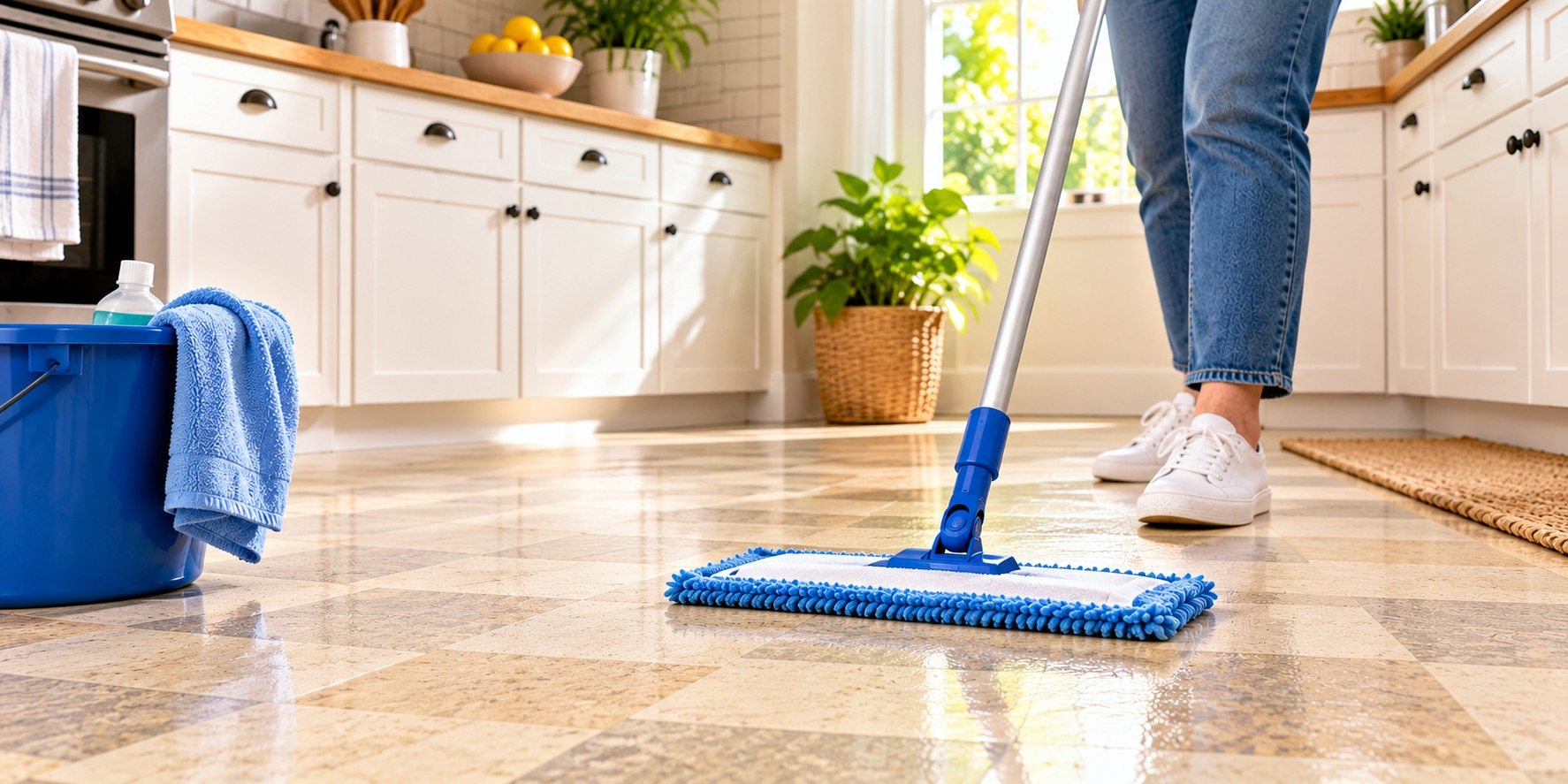
Linoleum floors are wonderfully practical. They're durable, comfortable underfoot and easy to care for. Which is lucky, considering what happens to the average family floor: breakfast crumbs, muddy footprints, spilled juice and the occasional mysterious sticky spot that nobody admits knowing anything about. And let's not forget the dog, who considers the kitchen floor his personal dining room.
The good news: keeping linoleum clean doesn't take an arsenal of cleaning products or hours of scrubbing. In fact, gentle is better. The trick is knowing which cleaners to use, how much water is too much and which popular shortcuts can ruin the finish. Here are 12 tips for cleaning linoleum floors and keeping them looking great.
First: Is It Really Linoleum?
Lots of people call any kitchen floor that isn't tile or wood "linoleum." But linoleum and vinyl aren't the same thing, and they don't like the same cleaners.
- True linoleum is made from natural materials: linseed oil, wood flour, cork dust and mineral fillers on a jute backing. It's sensitive to harsh alkaline cleaners and to too much water.
- Vinyl is made from synthetic PVC. It's more forgiving.
Not sure which you have? Check the installation paperwork or the manufacturer. True linoleum usually has color all the way through, while vinyl has a printed pattern on top. These tips are for genuine linoleum. (They're gentle enough for vinyl, too.)
12 Tips for Cleaning Linoleum Floors
1. Sweep or Vacuum Often
The easiest way to keep linoleum looking good is to get the dirt off before it does damage. Sand and grit act like sandpaper under everyone's feet, and over time they dull the finish. Use a soft broom, a microfiber dust mop or a vacuum on the hard-floor setting, with the beater bar turned off. Hit the entryways, around the sink, under the table and the hallways. It takes a few minutes, which is a lot easier than living with a scratched floor.
2. Use a pH-Neutral Cleaner
This is the big one. Use a pH-neutral floor cleaner that's labeled safe for linoleum, diluted according to the label. Strong alkaline cleaners, like heavy-duty degreasers and ammonia, damage linoleum and its finish. And more isn't better: too much cleaner leaves a sticky film that attracts dirt and makes the floor look dull. If you know the brand of your floor, follow the manufacturer's cleaning instructions.
3. Damp-Mop, Don't Flood
Linoleum doesn't need a swimming pool to get clean. Too much water seeps into the seams and edges and can loosen the floor or damage what's underneath.
- Sweep or vacuum first.
- Mix the cleaner according to the label.
- Dip a microfiber mop and wring it out until it's damp, not dripping.
- Mop in small sections.
- Change the solution when it gets dirty. Otherwise, you're just spreading the mess around. (And the floor has been through enough.)
- Rinse with a clean, damp mop if the cleaner's label says to.
- Let it dry completely before anyone walks on it.
4. Wipe Up Spills Right Away
Wipe up spills as soon as they happen, especially near seams and edges. Blot with a cloth or paper towel, wipe the spot with a damp cloth and a little neutral cleaner, and dry it. Move fast on anything that stains: grape juice, tomato sauce, mustard, oil. If someone spills grape juice in the kitchen, this is not the moment to finish watching your TV show. Trust me.
5. Remove Scuff Marks Gently
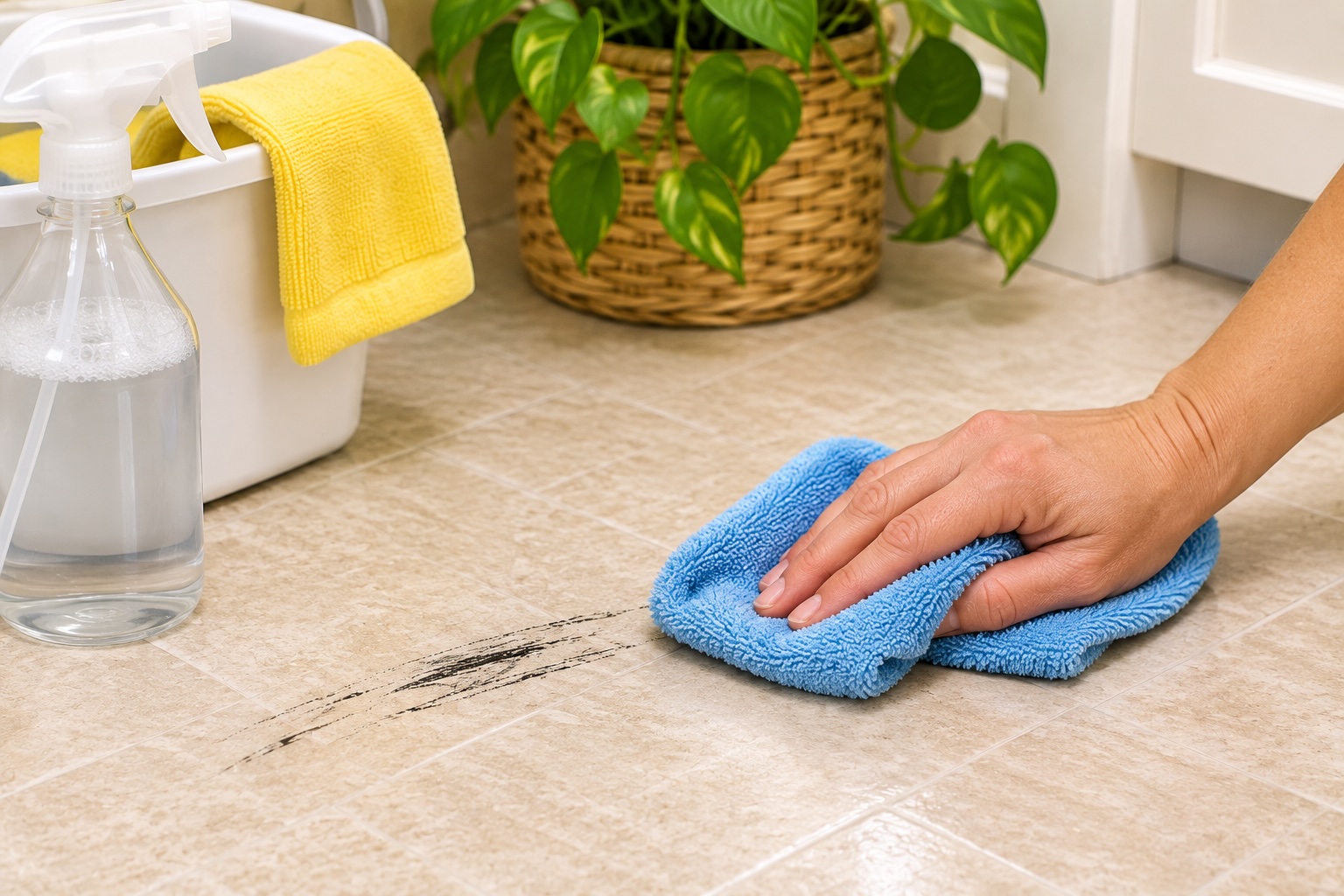
Black scuffs from shoes and furniture make a clean floor look neglected. Rub the mark with a damp microfiber cloth. Still there? Add a drop of neutral cleaner and rub gently with a soft cloth or a nonabrasive sponge, then wipe and dry. A clean tennis ball rubbed over the mark works surprisingly well, too. Skip the steel wool, scouring pads and abrasive powders. They'll take off the scuff, and the finish along with it.
6. Soften Sticky Spots, Don't Scrape Them
Syrup here. Juice there. Something that looks suspiciously like yesterday's dessert. Lay a cloth dampened with water and a little neutral cleaner over the sticky spot for a minute or two to soften it, then wipe it away. Repeat if needed, and dry the floor. Never use a knife or a sharp scraper, which can gouge linoleum.
7. Skip the Vinegar
Vinegar has a well-earned reputation as a cleaning miracle. Just not on linoleum. It's acidic, and regular use can dull the finish. The same goes for lemon juice and other acidic homemade cleaners. A neutral cleaner is the safer bet. A clean floor isn't much of a bargain if the cleaner damages it.
8. Avoid Harsh and Abrasive Cleaners
Linoleum is tough, but its finish isn't. Keep these off your floor:
- Ammonia and strong alkaline degreasers
- Bleach
- Abrasive powders, steel wool and scouring pads
- Strong solvents and floor strippers
- Homemade mixtures of cleaners. Never mix cleaning chemicals. That's a shortcut nobody needs.
And don't trust "all-purpose" on the label. Check that it's safe for linoleum.
Skip the Steam Mop
Steam mops sound great: no bucket, no wringing and lots of hot steam. What's not to love? The heat and moisture, which can damage linoleum, especially at the seams and edges. Unless your floor's manufacturer specifically says steam is OK, stick with a damp microfiber mop. It's less dramatic, but your floor doesn't need a spa treatment.
10. Prevent Scratches
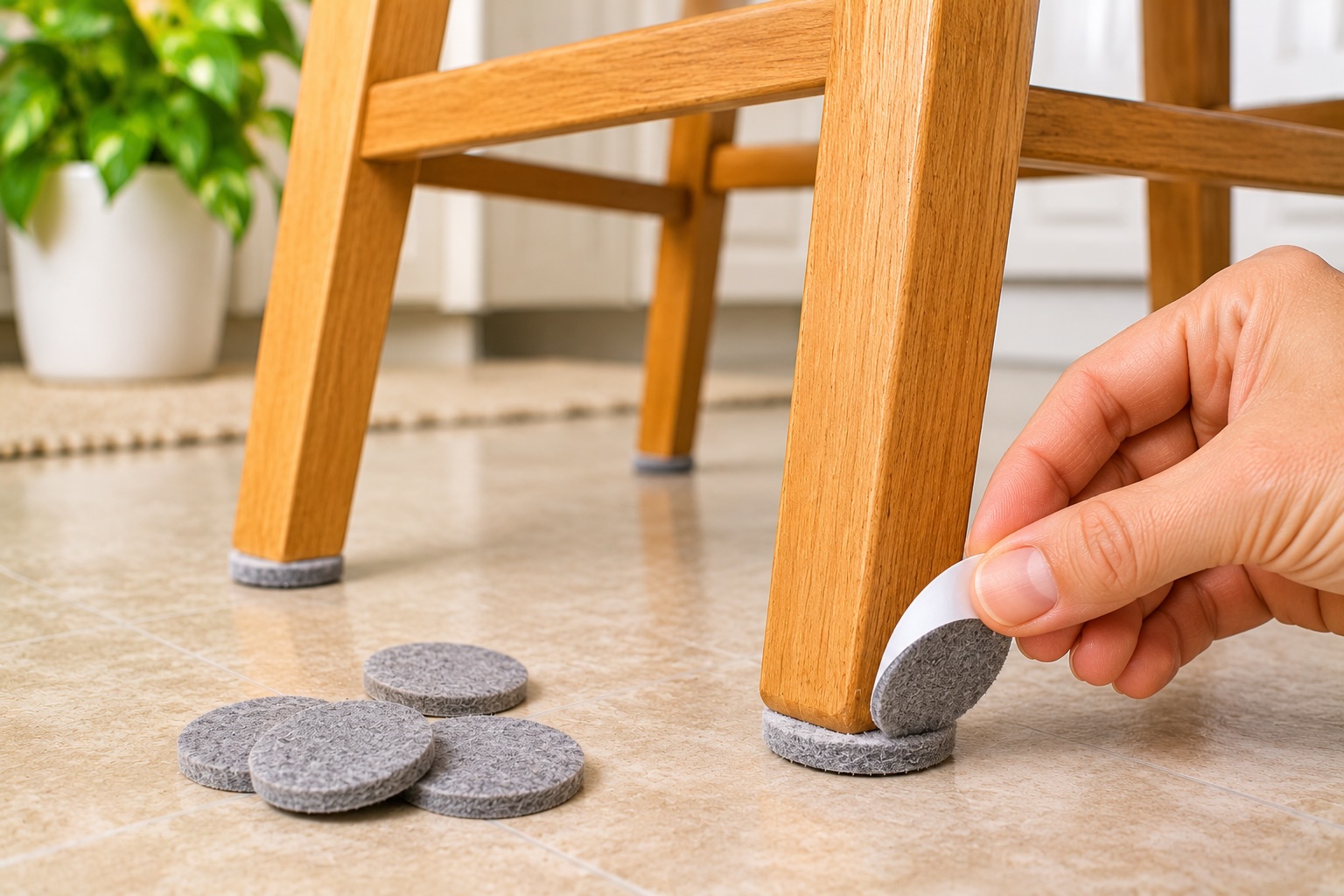
The best way to keep linoleum looking good has nothing to do with cleaning:
- Put doormats at every entrance to catch the grit.
- Put felt pads on chair and table legs, and check them now and then. A felt pad with a bit of grit stuck to it does more damage than a bare leg.
- Lift furniture. Don't drag it.
- Keep the dog's nails trimmed.
- Choose rugs and mats labeled safe for resilient floors. Some rubber backings can discolor linoleum.
11. Deep Clean a Dull Floor
If your floor still looks dull after you mop, the culprit is usually leftover cleaner, dirty mop water or ground-in grime. Don't reach for something stronger. Do this instead:
- Sweep or vacuum thoroughly, including the corners and edges.
- Mix a neutral linoleum cleaner at the label's dilution.
- Work in small sections, using a soft brush or nonabrasive sponge on stubborn dirt.
- Pick up the dirty solution with a clean, damp mop before it dries.
- Rinse with clean water on a damp mop to remove any residue.
- Dry with a microfiber mop or towel.
Still dull? Most modern factory-finished linoleum doesn't need wax or polish, and adding it can cause buildup. Older linoleum floors may need a manufacturer-recommended finish. Check before you apply anything. If the floor is stained or worn through, call a flooring pro rather than trying harsher chemicals.
How to Clean Linoleum Floors: Quick Answers
What is the best cleaner for linoleum floors?
A pH-neutral floor cleaner labeled safe for linoleum, diluted according to the label. Avoid ammonia, bleach and harsh degreasers.
Can you use vinegar on linoleum?
Not for regular cleaning. Vinegar is acidic and can dull the finish over time. Use a neutral cleaner instead.
Can you use a steam mop on linoleum?
No, unless your floor's manufacturer says it's OK. Heat and moisture can damage linoleum, especially at the seams.
Why does my linoleum floor look dull after mopping?
Usually too much cleaner, dirty mop water or skipping the rinse. Use less cleaner, change the water often and rinse with a clean, damp mop.
Keep Going
Keep every floor in the house looking great with these related guides:
- How to Clean Floors: A guide for every type of flooring.
- How to Clean Tile Floors: And grout, without the streaks.
- How to Clean Laminate Floors: Without streaks or damage.
- How to Clean Hardwood Floors: Without damaging them.
- How to Clean Stone Floors: Marble, slate, travertine and more.
- How to Vacuum Properly: 12 secrets to cleaner floors.
- 10 Kitchen Cleaning Rules: Keep the busiest room clean.
- Kitchen Cleaning and Organizing: A complete guide.
- Clean Home
- Kitchen Cleaning & Organizing
- how to clean linoleum floors
Free Printable
Notes on Keeping House
Sign up and get my 15-Minute Daily Reset Checklist. One timer, five zones, and a house that stays under control.
Send My ChecklistNo spam, ever. Just smart, funny tips for keeping house from Tara Aronson.