Bed Bug Removal Tips

Bed bugs (Cimex lectularius) have been around and annoying innocent sleepers since the time of Aristotle. Despite the near eradication of bed bugs decades ago, thanks to the toxic pesticide DDT, it was a short-lived victory.
With DDT now absent from our pest control arsenal, bed bugs have made a fierce comeback, underscoring the urgent need for immediate attention to prevent their spread.
By following these bed bug removal tips, you can play a crucial role in identifying and eliminating these nasty interlopers in your living space.
What Bed Bugs Look Like
- Adult bed bugs are tiny (about 1/4 to 3/8 inches or 5 mm to 9 mm in length), have flat, brown oval bodies that change color to purplish-red after a blood meal, and the body becomes more cigar-shaped, making it appear like a different insect. They are sometimes mistaken for wood ticks or small cockroaches.
Bed bugs' wings are vestigial, which means they don't fly. However, they can crawl fast.
- Nymphs, or immature bed bugs, are smaller (about 1.5 mm) and lighter colored.
- You may also find cast skins, empty shells of bed bugs as they grow from one stage to the next.
- After they eat, bed bugs deposit fecal spots of digested blood in areas adjacent to the feeding site.
Signs of a Bed Bug Infestation
Once bed bugs enter your home, the best way to detect them is not through their bites (which are often misidentified as mosquito, flea, or spider bites, or even hives).
Instead, look for physical signs of bed bugs around the mattress, box springs, bed frame, and areas around the bed. Here's how to detect bed bugs:
- Dark spots on or around bedding (about the size of this period. These are bed bug excrement and may bleed on the fabric when dampened.
- Eggs and eggshells are tiny (about 1 mm) and white.
- Skins that nymphs shed as they grow larger.
- Live bed bugs.
- Rusty red stains on bed sheets or mattresses caused by crushed bed bugs.
Non-Chemical Bed Bug Removal Tips
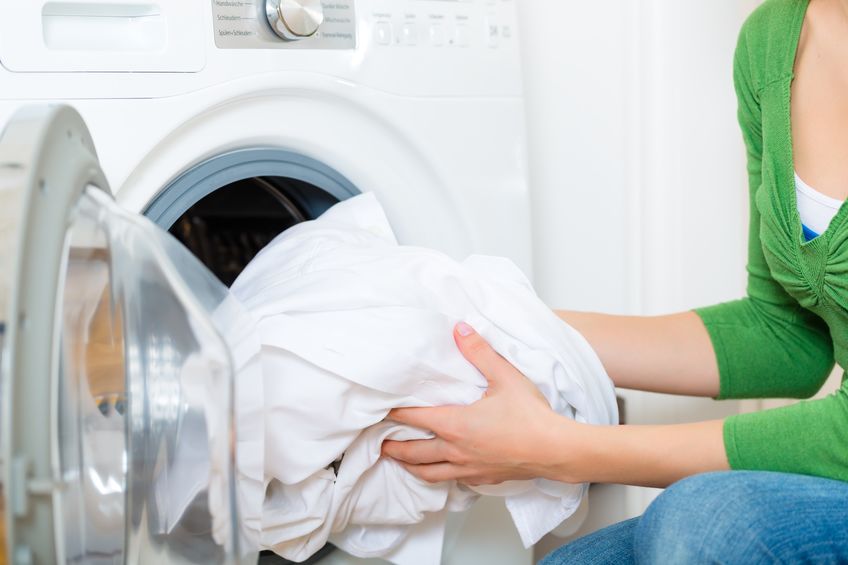
Getting a bed bug infestation under control takes time and patience. There are a variety of effective non-chemical pest control approaches. Here are a few pest control methods to consider:
- Toss bedding and clothes into the dryer at the highest temperature for the best pest-control results. Just washing these items generally won't get rid of bed bugs.
- Heat articles or areas infested with bed bugs to at least 113 degrees Fahrenheit (45 degrees C) for one hour.
- Cold treatments: Keep the temperature below 0 degrees F (-19 C) for at least four days. Home freezers aren't usually cold enough to reliably kill bed bugs.
- Encase the mattress, box spring, and pillows in dust- or allergen-preventing covers to trap bed bugs and help detect infestations.
Chemical Bed Bug Removal
- Use the Environmental Protection Agency (EPA) Bed Bug Product Search Tool to find a pest control product that meets your needs. More than 300 products are registered by the EPA for use against bed bugs, the vast majority of which consumers can use.
- Read When Treatments Don't Work before reapplying or trying a different product to get rid of bed bugs. You may want to ask a bed bug extermination company to inspect your home and, if needed, apply approved pesticides to treat a bed bug infestation. Look for a bed bug extermination company with years of experience.
Visit the Bed Bugs Registry Before You Go on Vacation
The Bed Bug Registry is a free, public database of user-submitted reports of bed bugs from across the United States and Canada. Founded in 2006, the site has collected about 20,000 reports covering 12,000 locations.
- Clean Home
- Clean
- Bed Bug Removal Tips