Cleaning Products Defined
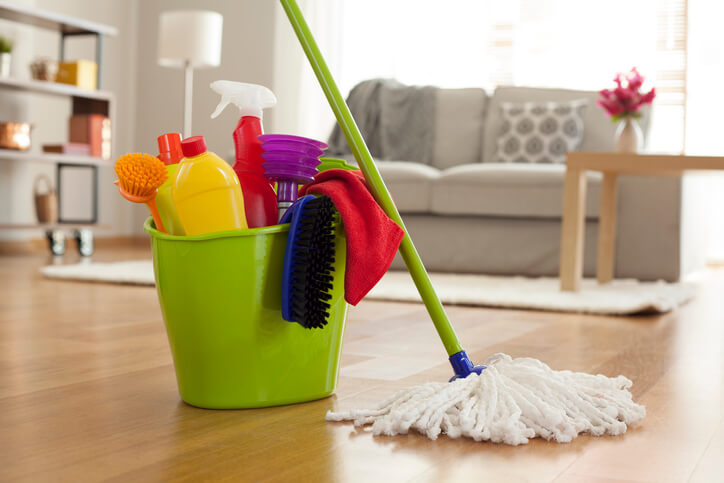
Cleaning products defined. Today's homes feature many new specialty surfaces, and the confusing array of specialized products on the market often makes it seem more straightforward to use old tools and methods—or put off the job altogether.
Nonetheless, it's time to come clean. But how? These tips for choosing cleaning products for your home's surfaces and your cleaning style can help simplify the process.
Cleaning Products Defined
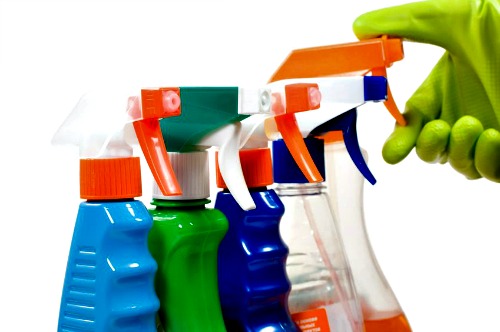
The first objective is to choose the correct cleaning products for your home.
Take a look at the surfaces around your house. Is there cooking grease on the stove? Mildew on the shower door? A rust stain around the tub fixture?
Identifying the dirt you see and anticipating the germs you don't are the first steps in determining which products you'll need to do the dirty jobs without damaging the surfaces.
Product labels are a goldmine of information for choosing the right cleaning products. They provide details on the product's intended use, ingredients, and safety precautions, empowering you to make informed decisions.
Whether it's an all-purpose cleaner, oven cleaner, tub, sink, or tile cleaner, the name usually indicates the product's intended use, making your selection process easier.
If the name doesn't tell you, the label on the back will. Here, you'll find the types of soils and surfaces on which the product can - or can't - be used.
Consider Your Cleaning Style
Next, consider your style of cleaning. Are you a once-a-month, bucket-wielding cleaner? If so, you'll want to stock up on the heavy-duty cleaners that tackle tough dirt and grime.
If you prefer more frequent, quick cleanups, the simplest way to keep cleaning time to the absolute minimum is to use a mild all-purpose cleaner and a few site-specific cleaners, such as a toilet bowl disinfectant and a tub, sink, and tile cleaner.
These are all you'll need to keep the surfaces in your home sparkling. Here's a list of the essentials:
- Nonabrasive, all-purpose cleaner, ideally in a spray bottle
- Toilet-bowl cleaner
- Disinfectant (try 3/4 cup [180ml] chlorine bleach per gallon [4L] of water)
- Tub, tile, and sink cleaner
- A bottle of liquid dishwashing detergent
- Window and glass cleaner in a spray bottle
A Word About Natural Cleaners
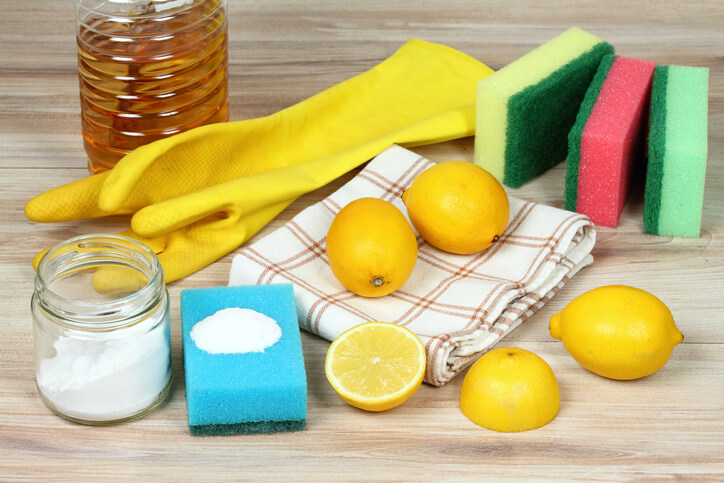
The choices for those who prefer natural or environmentally friendly substitutes are mushrooming. Suppliers are developing new "earth-friendly" cleaners, and traditional products are increasingly containing natural ingredients.
An alternative list of cleaning supplies includes:
- Baking soda with water, as an all-purpose cleaner
- White distilled vinegar diluted in water, to clean windows
- Borax, to clean and deodorize and to remove toilet bowl stains
- Natural soaps (castile or glycerin-based), to wash dishes
A few things to consider when choosing between so-called natural and synthetic products: Whether naturally or artificially derived, all ingredients - even water - are chemicals. There are no nontoxic substances.
Even salt can be deadly if taken in too high a dose. (Some cleaning products—notably bleach and ammonia—are dangerous when mixed. Read and follow precautions on product labels.)
Store-bought housekeeping products are required to meet standards for safe disposal down your drain, but alternative household cleaners aren't evaluated in that context.
Store-bought housekeeping products are required to meet standards for safe disposal down your drain, but alternative household cleaners aren't evaluated in that context.
Commercial products consistently outperform their home-mixture counterparts. Homemade cleaners generally require much more time and elbow grease.
One exception is home-mixed glass cleaner: 1/4 cup (60ml) of vinegar in 3 and 3/4 cups (900ml) of warm water.
Once you've assembled your cleaning products, build a user-friendly "tool kit." The following items will maximize the effectiveness of your cleaners - and minimize your scrubbing time:
- Cotton rags, all-cotton diapers, or white paper towels
- Scrubber sponge
- Large scrub brush
- Rubber gloves
- Squeegee
How to create a house cleaning schedule for your home.
- Clean Home
- Clean
- Cleaning Products Defined