How to Make Your Home Look Professionally Designed—Without the Designer Budget
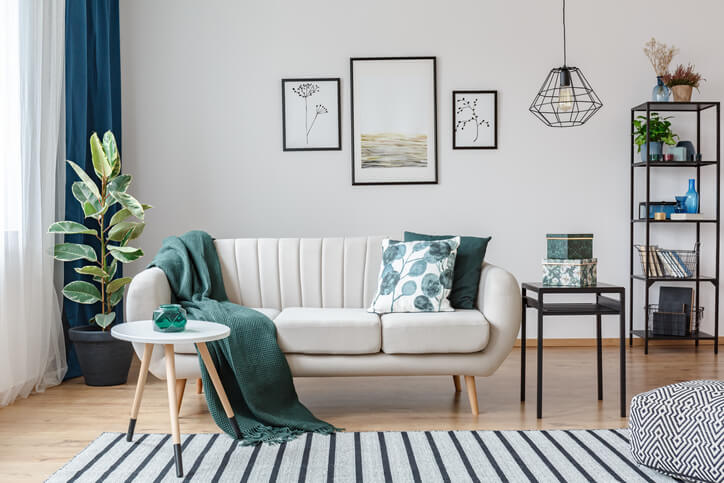
Some rooms just look finished.
The furniture works together. The lamps are in the right places. The artwork looks intentional.
There are enough accessories to make the room interesting but not so many that you're afraid to put down a coffee cup.
And somehow the whole thing looks effortless.
It wasn't.
Professional-looking rooms usually aren't the result of one spectacular sofa or an unlimited decorating budget.
They're the result of dozens of fairly small decisions about scale, proportion, placement, color, lighting, and what not to put in the room.
The good news is that you don't need an interior designer to borrow some of those ideas.
You also don't need to replace everything you own. In fact, before you buy anything, we're going to do the opposite.
1. Remove Some Stuff First
This may be the cheapest decorating advice you'll ever receive. Take things out of the room. Not everything. We're not staging a monastery.
Remove the objects that:
- Don't belong in the room
- Have accumulated on surfaces
- Are there simply because there's nowhere else to put them
- No longer suit the room
- You don't particularly like
- Compete with things you do like
Then stand back and look again.
A room can appear poorly decorated when the real problem is simply that too much is competing for attention.
You don't necessarily need new decor. You may need to be able to see the decor you already own.
For help with that part, start with our Decluttering Guide.
2. Decide What the Room Is For
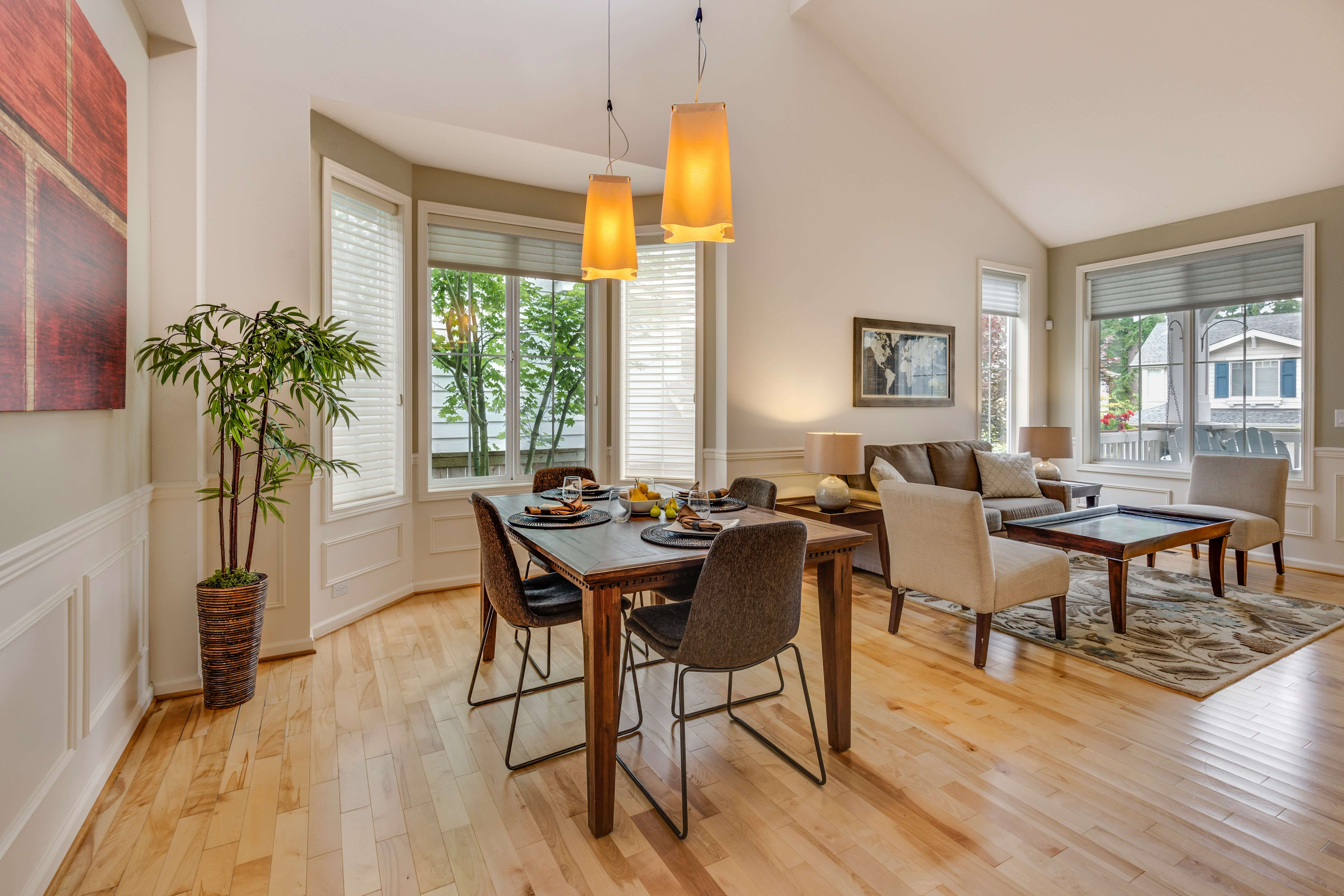
Before decorating a room, define its actual job.A living room may need to accommodate:
- Conversation
- Television
- Reading
- Children
- Pets
- Entertaining
- Work
- All of the above
A beautiful room that doesn't work for the people living in it isn't particularly well designed.
Arrange the room around what happens there most often.
If you watch television every night, pretending the television doesn't exist won't make the room more sophisticated.
If you read in one particular chair, that chair needs a light.
If children play there, they need somewhere for their things. Good design isn't just about what a room looks like.
It's about whether the room makes sense.
3. Find a Focal Point
Most well-designed rooms give your eye somewhere to land.
That might be:
- A fireplace
- A large window
- A piece of artwork
- A beautiful piece of furniture
- A bed
- A bookcase
- A view
Once you've identified the focal point, arrange the room to support it rather than making six unrelated things fight for the job.
If you have a fireplace, enormous television, gallery wall, patterned rug, bright red sofa and twelve-foot fiddle-leaf fig all demanding immediate attention, the room may not have a focal point.
It may have a committee.Choose what matters most.
4. Stop Pushing Every Piece of Furniture Against a Wall
This is one of the easiest changes to experiment with.
Furniture does not have to cling to the perimeter of the room as though it's frightened of the rug.
If space permits, pull seating away from the walls and create a conversation area.
Arrange sofas and chairs so people can talk comfortably.
Use the furniture to define the space.
In a smaller room, some furniture may absolutely need to sit against walls.
That's fine. The point isn't to follow a decorating rule.
It's to stop assuming the wall automatically determines where every chair belongs.
5. Get the Scale Right
Scale is one reason professional rooms look professional.
A tiny lamp on a large table can look lost. A small piece of art floating over a huge sofa can look accidental.
A giant sectional can overwhelm a small room. A delicate coffee table may disappear beside bulky seating.
Before buying something, consider the size of the objects around it.
This is particularly important with:
- Rugs
- Artwork
- Lamps
- Coffee tables
- Side tables
- Sofas
- Beds
- Curtains
Don't shop for an object in isolation. Shop for the space it has to live in.
Your living room is not 60,000 square feet with fluorescent lighting and a checkout counter.
Things look different at home.
6. Use a Rug That's Large Enough
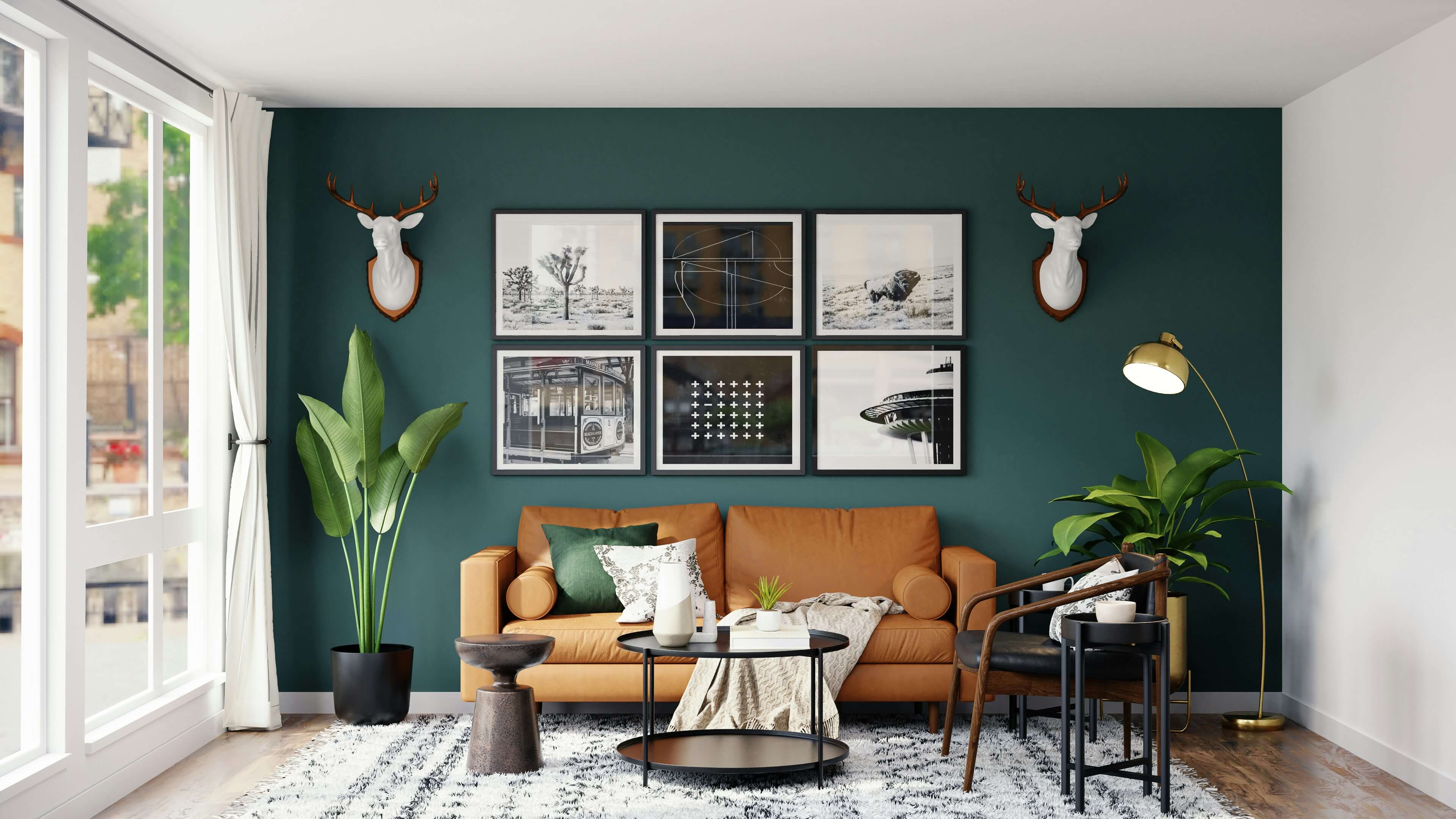
A rug can pull an entire seating area together. It can also look like a postage stamp stranded beneath a coffee table.
In many living rooms, the rug should be large enough to visually connect the major pieces of furniture rather than floating independently in the middle of the floor.
The exact size depends on the room and furniture arrangement, so measure before buying.
Use painter's tape to mark the proposed rug dimensions on the floor.
Then live with the outline for a day.
This is much easier than discovering after delivery that the rug you thought was enormous is approximately the size of a bath mat.
7. Hang Curtains With the Whole Wall in Mind
Curtains affect more than the window.
They also affect the room’s perceived height and width.
When appropriate for the window and room, position curtain hardware above the window and extend it beyond the window frame to make the opening feel larger and keep more glass visible when the curtains are open.
Curtain length matters too.
Curtains that stop at an awkward point above the floor can make the entire treatment look undersized.
Measure. Then measure again.
Curtains have an unfortunate habit of revealing measurement optimism immediately.
8. Hang Artwork at Human Height
Artwork is often hung too high.
You should generally be able to look at art without feeling as though you're visiting the Sistine Chapel.
The right placement depends on the artwork, furniture and room, but the center of a standalone piece or grouping is often most comfortable around eye level.
When art hangs above furniture, treat the artwork and furniture as a visual group.
Don't leave an enormous unexplained gap between them.
And before pounding seventeen nails into the wall for a gallery arrangement, lay the pieces out on the floor.
Your wall will appreciate the rehearsal.
9. Don't Scatter Tiny Decorations Everywhere
One little object here. Another there. Three on the windowsill. Five across the mantel. Seven occupying the bathroom counter.
Individually, they're harmless. Collectively, they create visual static. Try grouping accessories instead.
A few objects with different heights, shapes, and textures can create a stronger arrangement than many unrelated small objects distributed across every available surface.
And leave some empty space. Empty space is part of the arrangement.
You don't have to decorate every horizontal surface simply because gravity has made it available.
10. Mix Heights and Shapes
When everything in a room is roughly the same height, the room can feel flat.
Create variation. A tall lamp. Lower seating. Artwork above. A stack of books. A plant. A bowl or other low object.
The eye moves around the room instead of encountering everything at one visual level.
The same principle applies to shapes.
If everything is square and rectangular—sofa, tables, frames, bookcases—something round or curved can soften the room.
A round mirror. Curved lamp. Round table. Sculptural object. You don't need many. This is decorating, not geometry homework.
11. Repeat Colors Instead of Matching Everything
A polished room usually has some visual repetition. That doesn't mean buying the sofa, curtains, rug, and pillows from a matching collection.
In fact, rooms often look more interesting when they coordinate rather than match.
Choose a limited palette and repeat colors around the room.
For example, a blue from the rug might appear again in:
- Artwork
- A pillow
- A vase
- A throw
The repetition connects the room without making it look like everything arrived in one enormous cardboard box.
12. Mix Old and New
A room filled entirely with brand-new, matching furniture can look less personal than one assembled over time.
If you own something with character, use it.
An old table. A vintage mirror. A family piece you genuinely like.
Books you've actually read. Artwork you've collected. Objects from travels.
The important phrase is you genuinely like.
You are not obligated to display an inherited object merely because it has survived longer than you have.
But when old and new pieces work together, a room tends to feel collected rather than purchased.
13. Upgrade the Lighting
Lighting can change a room faster than almost anything else. One overhead fixture trying to illuminate an entire room is rarely the most flattering arrangement.
When appropriate, use more than one source of light:
- Table lamps
- Floor lamps
- Task lighting
- Overhead lighting
- Accent lighting
Think about what happens in each area.
Reading chair? It needs light. Desk? It needs task lighting.
Dark corner? A lamp may do more for the room than another decorative object.
And pay attention to the bulbs you're using. Light output and color appearance can dramatically affect how paint, furniture, and fabrics look.
A beautiful room under miserable lighting is still miserable. You can simply see it more clearly.
14. Give Every Room Something Living
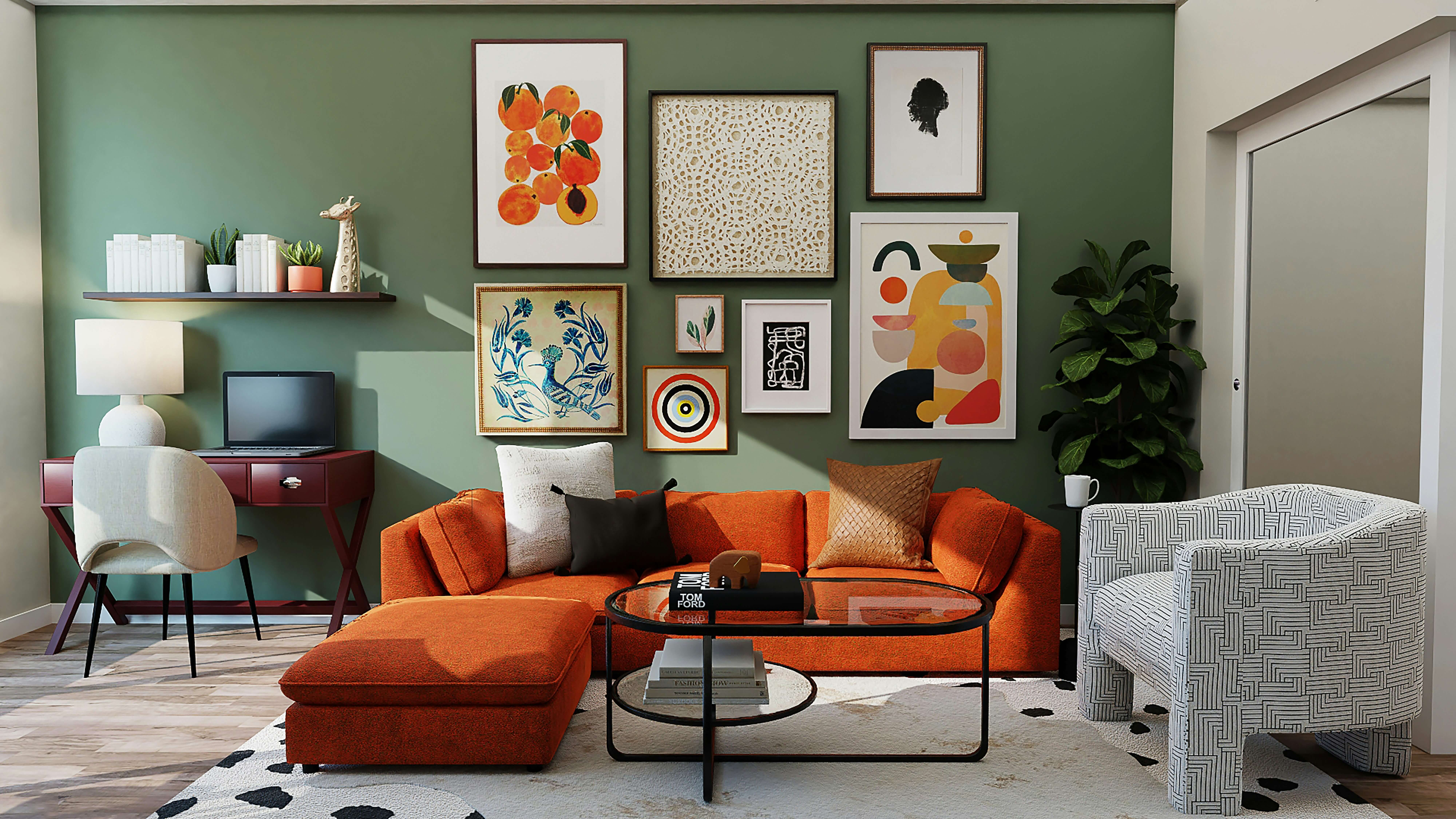
A plant, flowers, or even a few branches can bring shape, texture, and life into a room.
If you're good with plants, wonderful. If your relationship with houseplants tends to end badly, choose something forgiving.
And no, you do not need to turn your living room into a greenhouse.
One healthy plant is considerably more attractive than nine plants in various stages of negotiation.
15. Use Pillows and Throws Strategically
Pillows and throws are useful because they're relatively easy to change.
They can introduce:
- Color
- Pattern
- Texture
- Seasonal variation
But there is a threshold.
If sitting on your sofa requires relocating an entire collection of decorative pillows, the pillows have become the primary residents.
Keep enough to make the furniture inviting. Not so much that you need a storage plan every evening.
16. Make the Bed Look Finished
he bed is usually the largest object in a bedroom. That means it carries a disproportionate amount of visual responsibility.
You don't need fourteen pillows. You don't need bedding requiring a diagram.
Straighten the sheets and covers. Use pillows that work with the bed's scale.
Add a throw or decorative pillow if you like. Then stop.
A bed can look polished without taking longer to assemble than a camping tent.
17. Hide the Everyday Visual Noise
Some of the biggest decorating improvements aren't decorative at all.
Cords. Remote controls. Mail. Chargers. Pet supplies. Shoes. Toys.Cleaning supplies.
All the small practical things required for actual life can create visual clutter.
Give frequently used items easy homes near where you use them.
A basket.
A drawer.
A tray.
A cabinet.
A charging station.
This is where decorating and organization meet. You aren't trying to pretend the household doesn't need things.
You're simply preventing all of them from auditioning for the role of centerpiece.
For practical systems, visit our Home Organization Guide.
18. Don't Buy Storage Before You Declutter
Decorating stores are extremely good at convincing you that clutter needs a prettier container.
Sometimes it does. Sometimes you simply have too much stuff.
Before buying baskets, bins, boxes, or shelving, decide what actually needs to remain in the room.
Then organize what's left. Otherwise, you've spent $147 to create a beautifully coordinated collection of things you didn't need.
19. Shop Your Own House
Before buying something new, walk through the rest of your home.
That lamp in the bedroom might work beautifully in the living room.
The chair nobody uses in the hallway may be exactly what the bedroom needs.
Artwork can move. Mirrors can move. Tables can move. Accessories can move.
Rooms aren't legally entitled to retain the furniture originally assigned to them.
Try moving things around. At worst, you move them back.
And unlike online shopping, this experiment has free returns.
20. Know When to Stop
This may be the most important designer trick.
Stop.
A room does not become more finished every time you add something.
At some point, another pillow, picture, basket, vase, or decorative object makes the room worse.
Stand in the doorway. Look around.
Does the room feel balanced? Can you comfortably use it?
Is there somewhere for your eye to rest? Do the things you like stand out? If yes, you're probably done.
Do not wander into a home store afterward “just to look. Nothing good can come of this.
The No-Budget Designer Reset
Before spending a dollar, try this:
1. Remove everything that doesn't belong in the room.
2. Clear clutter from visible surfaces.
3. Rearrange the furniture for better conversation and traffic flow.
4. Move lamps where light is actually needed.
5. Rehang obviously misplaced artwork.
6. Remove excess accessories.
7. Bring in one useful item from another room.
8. Straighten curtains, cushions, and textiles.
9. Hide cords and everyday clutter.
10. Stop and look again.
You may discover that the room didn't need redecorating.
It needed editing.
If You Have $100 to Spend
Don't scatter $100 across ten insignificant purchases. Choose what will make the biggest visible difference.
Depending on the room, that might be:
- Better lighting
- New pillow covers
- A larger piece of artwork
- Curtains
- A mirror
- Fresh paint for a small project
- One useful organizational piece
- Plants
- Replacement hardware
Prioritize impact over quantity.
Five small decorative objects you don't need will still be five small decorative objects you don't need.
They'll just be new.
Before You Buy Furniture
Measure.
Please.
Measure the room.
Measure doorways.
Measure hallways.
Measure elevators if relevant.
Measure the furniture.
Mark its dimensions on the floor with painter's tape.
Then walk around it.
Can you move comfortably?
Can drawers open?
Can doors open?
Does the chair block the path?
Does the table overwhelm the room?
A sofa that looks perfectly reasonable online can arrive at your house with the proportions of a city bus.
Measurements are free.
Return shipping often isn't.
A Quick Designer-Look Checklist
Walk through the room and ask:
- Is the room's purpose clear?
- Is unnecessary clutter gone?
- Is there a focal point?
- Does the furniture arrangement make sense?
- Can people move through the room easily?
- Is the rug large enough for the arrangement?
- Is artwork positioned appropriately?
- Are curtains proportionate to the window and room?
- Is there more than one useful light source?
- Do colors repeat around the room?
- Are there different heights, shapes, and textures?
- Are accessories grouped rather than scattered?
- Are everyday necessities contained?
- Is there some empty space?
- Can you actually live comfortably in the room?
If you answered yes to most of those, resist the urge to “finish” it by buying more stuff.
You may already be finished.
What Makes a Home Look Expensive?
Usually not expensive things.
A home tends to look more polished when it has:
Good proportions.
Thoughtful lighting.
Appropriately scaled furniture.
A limited, repeated color palette.
Artwork that fits the space.
Curtains that fit the windows.
Less visible clutter.
A few interesting personal objects.
Enough empty space for those objects to matter.
None of that requires a designer budget. It requires editing.
And that's the part nobody puts on the price tag.
The Bottom Line
You don't need to replace everything you own to make your home look better.
Start by removing what's getting in the way.
Arrange furniture around how you actually use the room.
Pay attention to scale.
Improve the lighting.
Hang art deliberately.
Repeat colors instead of matching everything.
Mix things you've owned for years with things you've acquired more recently.
And stop decorating before every surface has something sitting on it.
The most successful rooms don't necessarily look expensive.
They look intentional.
More importantly, they work for the people who live there.
Because the ultimate designer feature isn't a perfectly styled coffee table.
It's a home you like looking at and living in.
Keep Going
For more practical decorating ideas, visit our Easy Home Decorating Guide.
If clutter is getting in the way of decorating, start with our Decluttering Guide.
For creating practical homes for the things you're keeping, visit our Home Organization Guide.
Your second block of text...