Kitchen Organizing Tips for a
More Functional Kitchen
Kitchens have an impressive ability to run out of space no matter how many cabinets they have.
The counters fill up.
The junk drawer develops layers.
Plastic containers reproduce overnight.
And somewhere in the back of a cabinet sits an appliance you were very excited about for roughly eleven days.
Good kitchen organization is not about squeezing more into every available inch.
It is about making the things you actually use easy to find, easy to reach, and easy to put away.
That matters because the kitchen is one of the hardest-working rooms in the house.
You cook there.
You eat there.
You unload groceries there.
People wander in looking for snacks.
Mail tries to move in.
School papers follow.
If the systems are difficult, clutter takes over quickly.
So instead of organizing the kitchen to look impressive, organize it to make everyday life easier.
Declutter Before You Organize
Before buying organizers, check what you already have in the kitchen.
Look at:
- Dishes.
- Glasses.
- Mugs.
- Cookware.
- Bakeware.
- Utensils.
- Food-storage containers.
- Small appliances.
- Pantry food.
- Serving pieces.
- Gadgets.
Ask:
- Do I use this?
- Do I like using it?
- Do I already own another one?
- Is it broken?
- Is it worth the space it takes up?
This is particularly useful with kitchen gadgets.
At some point, a highly specialized avocado tool no longer saves time. It is simply living in the drawer. Keep what helps. Let the rest go.
Organize Around How You Use the Kitchen
The best kitchen organization starts with movement.
Think about where you actually:
- Prep food.
- Cook.
- Bake.
- Make coffee.
- Pack lunches.
- Store leftovers.
- Load and unload dishes.
Then keep related items near those areas.
For example:
Near the stove:
- Pots.
- Pans.
- Cooking utensils.
- Oils and seasonings you use while cooking.
Near the prep area:
- Cutting boards.
- Knives.
- Mixing bowls.
- Measuring tools.
Near the dishwasher:
- Everyday plates.
- Bowls.
- Glasses.
- Flatware.
Near the coffee maker:
- Coffee.
- Filters.
- Mugs.
- Tea.
This reduces unnecessary trips around the kitchen. A good system supports the work happening there.
Clear the Counters
Counter space is some of the most valuable real estate in the kitchen. Protect it.
Keep out only things you use often enough to justify the space. That might include:
- Coffee maker.
- Toaster.
- Knife block.
- Fruit bowl.
- One or two frequently used appliances.
Everything else should earn its spot. If you use an appliance once every three months, it probably does not need permanent counter residency.
The less you keep out, the easier the counters are to use and clean.
Create Work Zones
You don't need a huge kitchen to create zones. A zone simply means keeping related tools together.
Useful kitchen zones might include:
Cooking Zone
Keep near the stove:
- Pots.
- Pans.
- Cooking utensils.
- Pot holders.
- Frequently used spices.
Baking Zone
Keep together:
- Flour.
- Sugar.
- Measuring cups.
- Mixing bowls.
- Baking pans.
- Mixer attachments.
Coffee or Beverage Zone
Keep together:
- Coffee or tea.
- Filters.
- Mugs.
- Sweeteners.
- Kettle or coffee maker.
Lunch-Packing Zone
Keep together:
- Reusable containers.
- Snack bags.
- Lunch boxes.
- Water bottles.
Zones make the kitchen easier to use because you stop hunting for equipment.
Put Everyday Dishes Near the Dishwasher
If possible, store dishes and glasses close to the dishwasher.
Why?
Because you unload them constantly.
Putting them fifteen feet away because that cabinet technically fits the plates may not be the most practical arrangement.
Store frequently used items where the work happens.
Your kitchen does not care whether the cabinet was originally intended for something else.
Organizers That Make the Kitchen Work Better
Good kitchen organization isn't about squeezing an organizer into every cabinet. It's about making everyday things easier to find, use, and put away. I've gathered practical organizers for drawers, cabinets, counters, and under-sink spaces that can help.
Organize Kitchen Cabinets by Frequency of Use
Think of cabinet storage in three levels.
Easy reach: everyday items.
Moderate reach: things you use occasionally.
Hard-to-reach: things you use rarely.
Everyday plates should not live on the top shelf. The holiday gravy boat probably can.
Give the easiest storage to the things that participate in your daily life.
Don't Stack Everything Too High
Tall stacks look efficient - until you need the item on the bottom. Then you are holding seven plates while trying to retrieve one bowl.
Use:
- Shelf risers.
- Dividers.
- Additional shelves where appropriate.
These can make cabinet space more usable without creating towering piles. Again, measure first.
Organizing products that don't fit become their own organizing problem.
Make the Most of Under-Sink Space
Under-sink cabinets are awkward by design—pipes, cleaning supplies, bottles, and very little usable space. The right organizers can turn that jumble into storage that's easy to see, reach, and actually keep organized.
→ Shop Kitchen Organization Favorites
Store Pots and Pans Where You Can Reach Them
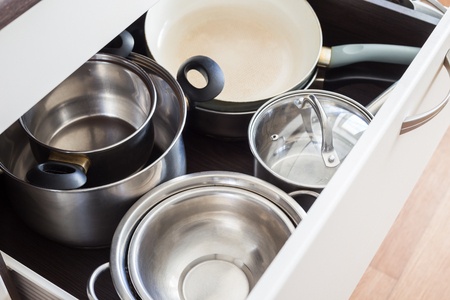
Pots and pans are heavy. They should be easy to access.
Store them:
- In a deep drawer.
- In a lower cabinet.
- On sturdy shelving.
- On a rack if your kitchen supports one.
Nest them when practical. But don't create a twelve-piece puzzle every time you want a saucepan.
If you use one pan constantly, give it easier access.
Tame the pan cabinet: The YouCopia StoreMore Expandable Pan + Lid Rack keeps pans and lids upright and separated, so you can pull out the one you need without excavating an entire stack.
It’s especially useful in cabinets where nested cookware has become its own structural engineering project.
Give Lids Their Own System
Pot lids are remarkably good at getting disorganized.
Possible solutions include:
- A vertical lid organizer.
- A shallow drawer.
- A rack inside a cabinet.
- A divider.
Store lids near the pots they belong to. The goal is to grab one without triggering an avalanche.
Organize Kitchen Drawers by Job
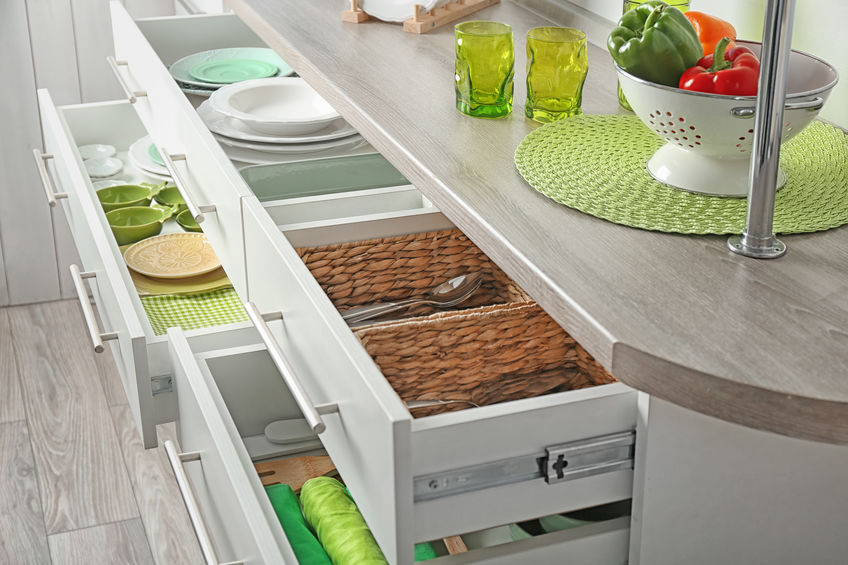
Give drawers broad purposes. For example:
Drawer 1: everyday flatware.
Drawer 2: cooking tools.
Drawer 3: baking tools.
Drawer 4: wraps and bags.
Don't overcomplicate categories.
One well-organized utensil drawer is useful.
Seventeen tiny compartments separating wooden spoons by emotional significance aren't necessary.
Edit the Utensil Drawer
Utensil drawers tend to collect duplicates.
How many spatulas do you actually use?
How many vegetable peelers?
Whisks?
Bottle openers?
Keep the best ones.
Remove broken or uncomfortable tools.
You don't need to keep inferior utensils just because they still technically work.
A drawer containing fewer useful tools is easier to organize than one containing every tool you've acquired since 2004.
Tackle the Junk Drawer
Most kitchens have one. That's fine.
A junk drawer becomes a problem only when junk means anything without a home. Empty it.
Remove:
- Trash.
- Dead batteries.
- Expired coupons.
- Mystery keys.
- Broken pens.
- Objects nobody recognizes.
Then decide what actually belongs there.
Maybe:
- Tape.
- Scissors.
- Pens.
- Small tools.
- Batteries.
- Takeout menus if you still use them.
Use a few dividers if helpful. And give yourself one junk drawer. Not a franchise.
Contain Food-Storage Containers
Plastic food containers are notorious for spreading.
Start by matching containers with lids. Anything without a partner can go.
Then store:
- Containers nested by size.
- Lids vertically if possible.
- Similar styles together.
Try not to maintain five incompatible container systems. The simpler the collection, the easier it is to keep organized.
And if opening the cabinet causes containers to fall onto the floor, the collection is telling you something.
Give Water Bottles and Travel Mugs a Limit
These multiply too.
Pick a defined cabinet, shelf, or bin. Keep the ones people actually use.
If the collection no longer fits comfortably, edit it.
Free conference water bottles do not automatically qualify for lifelong residency.
Organize Food by Category
Pantry and food cabinets are easier to use when you group similar items together.
Possible categories:
- Breakfast.
- Snacks.
- Pasta and grains.
- Canned foods.
- Baking.
- Condiments.
- Beverages.
Choose categories that fit the way your family eats.
Don't create an elaborate pantry taxonomy you will not maintain. A simple system beats a beautiful, complicated one.
Put Older Food in Front
When stocking pantry items, put newer purchases behind older ones when practical. This helps you use food before you forget it.
Check dates periodically. And remove anything you know nobody will eat.
A pantry should contain food. Not aspirations.
If nobody liked that cereal the first time, moving the box to a prettier basket will not improve it.
Don't Decant Everything Unless It Helps
You do not need to pour every pantry product into matching clear containers.
Sometimes decanting is useful.
Sometimes the original package works perfectly well. Use containers when they solve a problem:
- Keeping food fresh.
- Making bulk goods easier to use.
- Helping you see quantities.
- Preventing messy bags.
Skip them when they add an extra step. Organization should reduce work.
Use Turntables for Awkward Cabinets
Turntables can work well for:
- Oils.
- Vinegars.
- Condiments.
- Small jars.
- Baking supplies.
They are especially helpful in deep corners where things disappear behind other items. But use them selectively.
You do not need to make the entire kitchen rotate.
Use Drawer Dividers Where They Actually Help
Dividers are useful for:
- Flatware.
- Cooking utensils.
- Small baking tools.
- Food-storage accessories.
They work when they prevent items from becoming one tangled pile.
Don't use organizers that create spaces so specific that one slightly larger spoon ruins the entire arrangement. Leave flexibility.
Use Vertical Space in Cabinets
Vertical storage can help with:
- Cutting boards.
- Baking sheets.
- Muffin tins.
- Serving trays.
Store them upright with dividers when possible. This makes it easier to pull out one item without lifting an entire stack.
Vertical file-style storage isn't just for paperwork. Your cookie sheets will adapt.
Give Cutting Boards a Home
Cutting boards often wind up leaning against appliances or wedged beside pans.
Store them:
- Vertically in a cabinet.
- In a deep drawer.
- In a divider rack.
Keep them near your main prep area if possible.
Again, the best location is usually near where you use the thing.
Organize Spices for Visibility
Spices need to be visible enough that you know what you have.
Options include:
- A shallow drawer.
- A shelf riser.
- A turntable.
- A tiered organizer.
Avoid storing spices where heat or moisture may reduce their quality; follow package storage guidance.
And occasionally check the collection.
If you have four jars of oregano because you kept thinking you were out, visibility will pay for itself.
Create a Snack Zone
If people constantly hunt for snacks, give them a defined area.
This can be useful for families with children.
Choose one:
- Pantry shelf.
- Drawer.
- Basket.
- Cabinet.
Keep appropriate snacks together. If children are expected to help themselves, place options you are comfortable with within reach.
One clear snack zone can reduce both kitchen searching and the daily question:
"Do we have anything to eat?"
Apparently, the refrigerator does not count as evidence.
Make Lunch Packing Easier
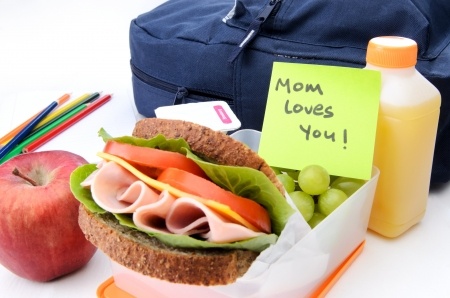
Keep lunch-packing supplies together.
You might group:
- Containers.
- Reusable bags.
- Water bottles.
- Napkins.
- Lunch boxes.
If you pack lunches daily, this zone needs easy access.
Don't store lunch boxes in a distant cabinet simply because there happens to be room.
Give Cleaning Supplies a Safe Home
Kitchen cleaning supplies need a defined storage area.
Store products safely, follow label directions, and keep them out of reach of children and pets.
You might use:
- An under-sink caddy.
- A cabinet.
- A utility closet.
Don't mix cleaning chemicals. Don't transfer products into unlabeled containers.
And avoid allowing the cabinet to become a collection of half-empty bottles that all do roughly the same job.
Protect the Refrigerator Door From Paper
The refrigerator is convenient. It can also become a bulletin board with cooling capabilities.
If the door is buried under:
- School notices.
- Coupons.
- Calendars.
- Invitations.
- Artwork.
- Takeout menus.
Create another paper-management spot. Keep only current information visible.
Once the refrigerator becomes visual clutter, nobody really sees what's posted there anyway.
Create a Central Command Outside the Main Prep Area
If the kitchen naturally collects household paperwork, give it one defined location away from food prep.
For example:
- A wall file.
- Small tray.
- Basket.
- Family command area.
Keep it compact. The goal is to prevent paperwork from spreading across counters.
Mail and raw chicken should not be competing for territory.
Make Room for Kids to Help
If children help in the kitchen, place some safe, appropriate supplies where they can reach them.
Depending on age, that might include:
- Cups.
- Plates.
- Napkins.
- Snack containers.
This can make it easier for kids to:
- Set the table.
- Put away dishes.
- Pack snacks.
- Help with simple kitchen chores.
Organizing for the family means letting the family participate.
Keep Bulk Supplies Out of Prime Kitchen Space
If you buy in bulk, don't let oversized packages consume the most valuable cabinet space unless you actually use them there.
Store extras in:
- Pantry overflow.
- Garage shelving where appropriate.
- Utility storage.
- Another designated area.
Bring smaller quantities into the kitchen as needed.
Your everyday kitchen does not need to display the full warehouse shipment.
Organize Small Appliances by Use
Sort small appliances into three groups.
Frequent Use
These may deserve counter space.
Occasional Use
Store in an accessible cabinet.
Rarely Used
Store farther away—or reconsider whether you need them.
This is the moment to look suspiciously at:
- Bread makers.
- Specialty grills.
- Ice cream machines.
- Juicers.
- Fondue pots.
Not because any of them are bad.
Because every kitchen eventually acquires at least one appliance that represents a former version of ourselves.
Don't Store Things Where They Fit. Store Them Where They Work.
This is a major organizing shift. A container may technically fit in one cabinet.
That doesn't mean it belongs there.
Ask:
Where do I use this?
Then try to store it nearby.
Good organization reduces steps.
Bad organization creates storage that looks neat but makes everyday tasks annoying.
Function wins.
Organize a Small Kitchen by Being Ruthless About Space
Small kitchens require stronger boundaries.
Prioritize:
- Everyday dishes.
- Essential cookware.
- Frequently used appliances.
- Current food.
- Basic tools.
Move or remove:
- Rarely used serving pieces.
- Large specialty appliances.
- Excess duplicates.
- Bulk overflow.
- Seasonal kitchen items.
Use vertical space where helpful.
But remember:
A tiny kitchen cannot hold unlimited stuff simply because you discovered another shelf.
Geometry remains undefeated.
Don't Let Organizing Products Take Over
Kitchen organizers can be genuinely useful.
They can also become an industry unto themselves.
Before buying:
- Bins.
- Shelf risers.
- Drawer inserts.
- Turntables.
- Racks.
Identify the problem first. Then buy the simplest thing that fixes it.
If the cabinet is overflowing because you own too many mugs, a mug organizer is not necessarily the answer.
It may just help you keep too many mugs more efficiently.
Give New Purchases a Home Before They Arrive
Before buying another:
- Mug.
- Pan.
- Gadget.
- Appliance.
- Storage container.
Ask:
Where will this live?
If the answer is "I'll figure it out," reconsider.
Every new kitchen item requires space.
Knowing where it will go helps stop cabinets from slowly returning to capacity.
Create a Five-Minute Kitchen Reset
At the end of the day:
- Put stray items away.
- Clear the counters.
- Return food to its proper place.
- Put papers in their designated spot.
- Reset any appliances or cooking areas.
- Straighten the sink area.
This is not the full kitchen cleaning routine. It's simply an organizational reset.
Five minutes prevents today's small mess from becoming tomorrow's excavation.
If Something Is Always Left Out, Fix the System
Pay attention to recurring clutter.
If lunch boxes always sit on the counter, their storage location may be inconvenient.
If mail accumulates beside the refrigerator, maybe the incoming-paper tray needs to go there.
If water bottles never make it into the cabinet, perhaps the shelf is overcrowded.
Repeated behavior gives you useful information. Don't keep forcing a system your household clearly doesn't use.
Change the system.
What Should Stay on Kitchen Counters?
Usually, very little.
Keep things that are:
- Used frequently.
- Helpful.
- Worth the space.
Everything else is negotiable.
A clear counter makes cooking easier. It also makes cleaning dramatically faster.
Counter space is more useful when you can use it as counter space.
Radical idea.
What Should Leave the Kitchen?
Consider moving or removing:
- Rarely used appliances.
- Bulk supplies.
- Duplicate cookware.
- Excess serving pieces.
- Household paperwork.
- Broken gadgets.
- Things nobody uses.
- Items that simply migrated there.
Not every possession requires kitchen citizenship.
The Simplest Kitchen Organization System
If you want the entire method condensed:
- Declutter what you don't use.
- Clear unnecessary items from the counters.
- Group similar things.
- Create zones around kitchen activities.
- Put frequently used items within easy reach.
- Make everything easy to put away.
That's the system.
You do not need matching pantry jars.
You do not need twenty-seven drawer organizers.
You need to know where the spatula is.
And ideally, you should be able to retrieve it without three other objects falling out of the cabinet.
That's organized.
Keep Organizing
How to Clean and Organize Your Kitchen →
How to Organize Your Home Room by Room →
How to Organize Kitchen Cooking →
How to Declutter Your Home Without Getting Overwhelmed →
Want Help Organizing the Rest of the House?
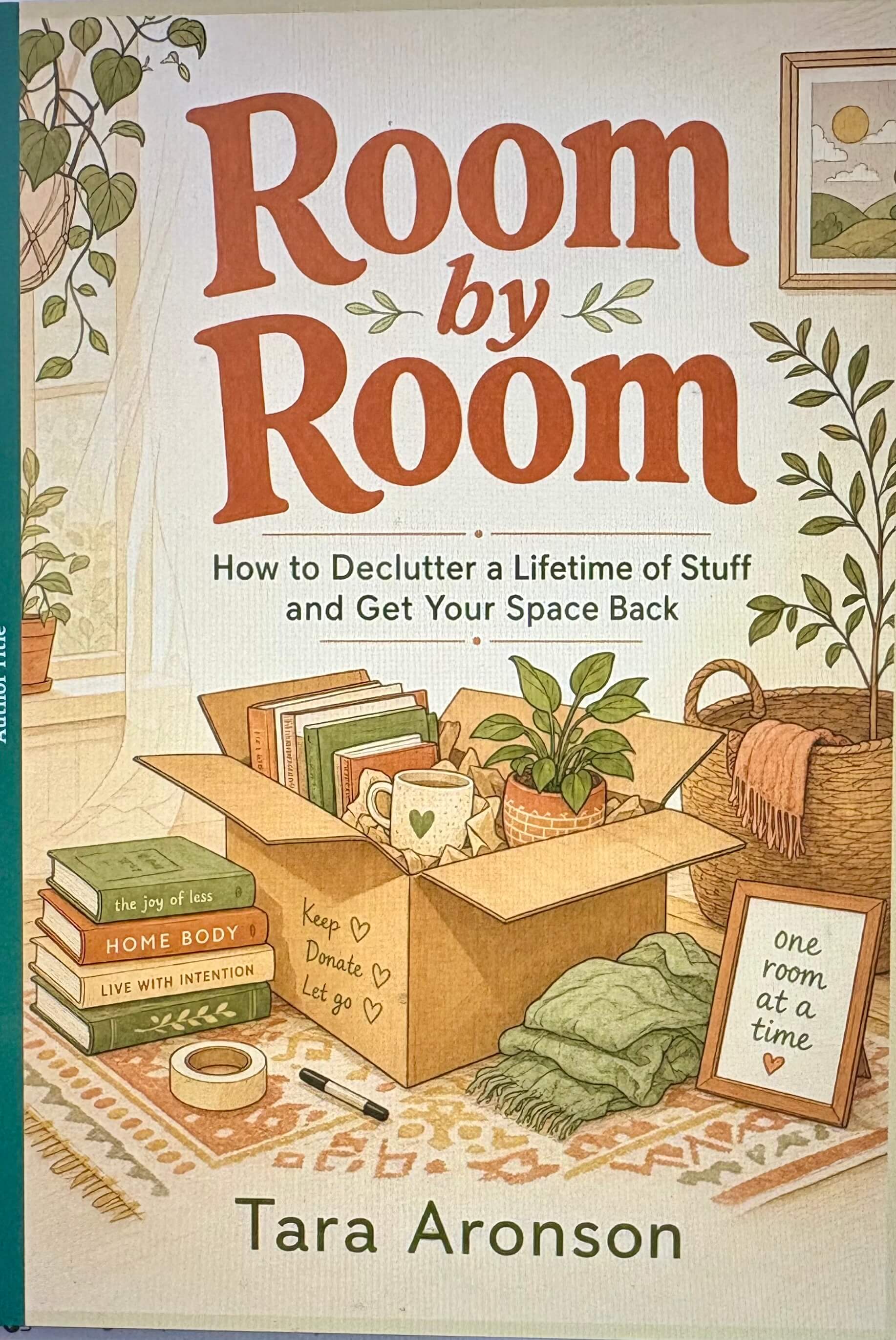
Room by Room by Tara Aronson helps you declutter and organize your home one space at a time, with practical systems designed for real life—not kitchens arranged for a photo shoot.
Learn more about Room by Room →
- Clean Home
- Kitchen Cleaning & Organizing
- Easy Kitchen Organizing Tips