20 Easy Spring Cleaning Shortcuts That Actually Work
Spring cleaning sounds wonderful in theory. Fresh air. Sparkling windows. Clean floors. A house that looks and smells as though winter never happened. Then you start making a list.
Wash the windows. Scrub the bathrooms. Clean the kitchen. Dust the furniture. Vacuum under the beds. Wash the bedding.
Tackle the refrigerator. And suddenly your cheerful spring cleaning project looks suspiciously like a second job.
Here's the good news: You don't have to deep-clean every square inch of your house to make it feel noticeably cleaner.
The trick is knowing where to spend your time, which tasks make the biggest difference, and how to avoid doing the same work twice.
These 20 easy spring cleaning shortcuts will help you freshen your home without sacrificing your entire weekend. Because spring is also for getting outside.
Not just staring at it through a freshly washed window.
1. Start With the Rooms Everyone Uses
Before you pull everything out of the closets, think about which rooms make the biggest difference to daily life. Usually, that's the:
- Kitchen
- Bathrooms
- Living room
- Entryway
- Main bedroom
Focus on those spaces first. A clean kitchen and fresh bathroom will make your home feel more comfortable immediately. The garage can wait.
So can the storage closet containing holiday decorations, three broken picture frames, and something you haven't identified since 2019. Start where the results will be most noticeable.
2. Give Yourself a Time Limit
Spring cleaning has a way of expanding to fill every available hour. Set a time limit before you begin. Try 30 minutes for a small room or 60 minutes for a larger cleaning session.
Use a timer if it helps. Choose a few specific tasks and work until the time is up.
For example:
30-Minute Living Room Refresh
- 5 minutes: Pick up clutter.
- 5 minutes: Dust visible surfaces.
- 5 minutes: Clean mirrors and glass.
- 10 minutes: Vacuum or clean floors.
- 5 minutes: Straighten cushions and finish up.
The goal isn't perfection. It's progress you can see.
And there's something wonderfully satisfying about finishing a cleaning session while you still have enough energy to enjoy the day.
3. Declutter Before You Clean
Trying to clean around clutter takes longer than it should. Before dusting or wiping surfaces, remove things that don't belong.
Collect:
- Dirty dishes
- Laundry
- Trash
- Shoes
- Papers
- Toys
- Random household items
Return them to their proper places. Set aside unwanted belongings for donation or appropriate disposal. Then clean the cleared surfaces.
You don't need to conduct a full emotional investigation into every object you own. Just get the obvious clutter out of the way.
If you need help with the bigger decluttering decisions, see How to Declutter Your Home.
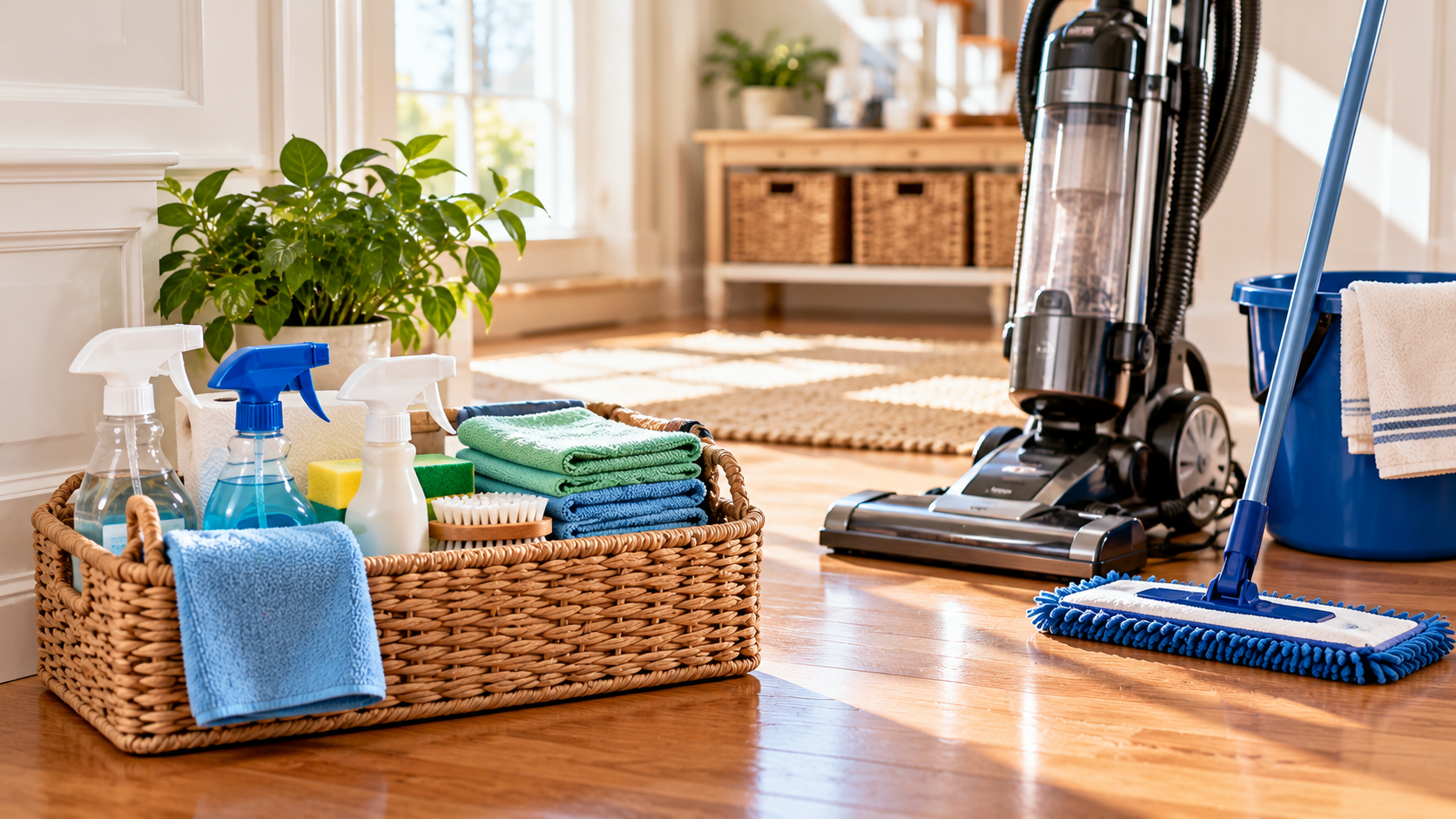
4. Carry Your Supplies in One Caddy
Nothing wastes cleaning time quite like running back and forth looking for supplies. Gather the products and tools you'll need before starting.
A simple cleaning caddy might include:
- Microfiber cloths
- Suitable all-purpose cleaner
- Glass cleaner
- A small scrub brush
- Protective gloves
- Trash bags
Keep your vacuum and mop nearby. Use products appropriate for each surface and follow label directions.
Deep cleaning goes faster when you aren't stopping every ten minutes to hunt for a brush, scrubber, or duster.
A few hardworking tools can help you tackle the corners, crevices, blinds, baseboards, and other spots that don't get much attention during routine cleaning.
→ Shop Cleaning Tools & Brushes
5. Clean From Top to Bottom
This shortcut prevents you from cleaning the same area twice. Start with higher surfaces. Then work downward.
For example:
- Dust ceiling fan blades and accessible high surfaces.
- Clean shelves and furniture.
- Wipe counters and tables.
- Dust baseboards when needed.
- Vacuum or mop floors last.
Dust and debris tend to fall as you clean. If you vacuum first and dust the ceiling fan afterward, congratulations. You've just created another vacuuming job.
Work with gravity. It's one of the few household helpers that always shows up.
6. Let Cleaning Products Do Their Job
Some cleaning products need time to work. Instead of spraying a surface and immediately scrubbing, follow the product's instructions for application and contact time.
For example, you might apply a suitable bathroom cleaner, allow it to work as directed, and then return to wipe or rinse the surface.
This can reduce unnecessary scrubbing. But don't leave products sitting longer than recommended. Some surfaces can be damaged by prolonged exposure.
And if you're disinfecting, follow the label's required wet contact time. A product that needs five minutes of contact won't necessarily disinfect properly after a quick spray-and-wipe.
The shortcut is following the instructions—not ignoring them.
7. Use Microfiber Cloths for Quick Dusting
Microfiber cloths are useful for routine dusting and wiping many household surfaces. They can capture dust without sending as much of it back into the air as some dry dusting methods.
Use a clean cloth. Lightly dampen it when appropriate for the surface. Work across furniture, shelves, and other accessible areas.
Use separate cloths for bathrooms, kitchens, and other tasks to reduce cross-contamination. And wash reusable cloths regularly according to their care instructions.
You don't need a different gadget for every surface in the house. Sometimes a good cloth is the shortcut.
8. Vacuum Before You Mop
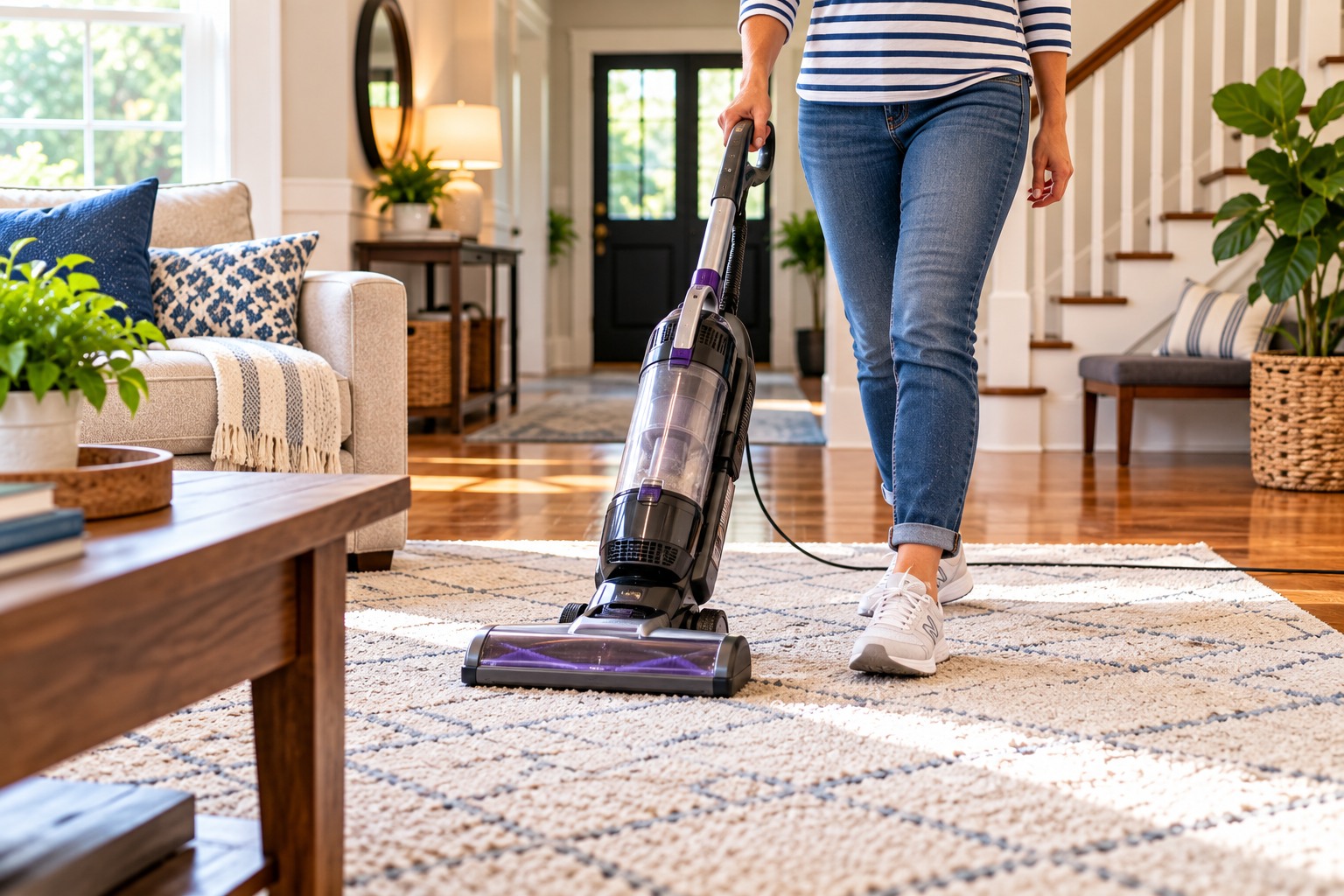
This sounds obvious. But skipping it can turn floor cleaning into a muddy adventure. Remove loose dirt, crumbs, hair, and dust before wet cleaning. Vacuum or sweep floors.
Then mop where needed. Avoid excessive water on moisture-sensitive surfaces such as certain wood and laminate floors.
The result is usually a faster, more effective cleaning. And considerably less pushing wet crumbs around the kitchen.
9. Spot-Clean Walls Instead of Washing Every Inch
Unless your walls are unusually dirty, you probably don't need to wash every wall in the house. Focus on visible marks.
Check:
- Around light switches
- Near door handles
- Hallways
- Children's rooms
- Kitchen walls
- Entryways
Use a gentle cleaning method appropriate for the paint finish. Test in an inconspicuous area first.
Avoid aggressive scrubbing, which can damage paint or leave shiny patches. If a wall looks clean, move on.
10. Clean Mirrors and Glass Strategically
Clean mirrors and glass surfaces can make rooms look noticeably fresher. Start with the most visible ones. Bathroom mirrors. Entryway mirrors. Glass tabletops. Frequently used interior windows.
Use a suitable glass cleaner or cleaning method recommended for the surface. Wipe with a clean, lint-free cloth.
Avoid spraying onto surrounding wood, painted surfaces, or electronics. And don't feel obligated to wash every window in the house on the same day.
A few clean windows can make a surprisingly big difference.
11. Freshen the Bathroom in 15 Minutes
Bathrooms respond well to focused cleaning.
Here's a simple routine.
Minutes 1–3: Remove clutter and used towels.
Minutes 4–6: Clean the sink and faucet.
Minutes 7–9: Clean the mirror and visible countertop surfaces.
Minutes 10–12: Clean the toilet with appropriate products and separate cleaning tools.
Minutes 13–15: Spot-clean the floor and replace towels.
This is a maintenance refresh, not a substitute for periodic thorough cleaning. If the shower or tub needs attention, schedule that separately.
And remember that disinfectants require their full label-specified contact time. A quick wipe may clean visible dirt without providing disinfection.
12. Clean the Microwave
Dried food splatters can be stubborn. But you don't necessarily need to attack them with a scrub brush. Try this quicker, easier method.
Heat a microwave-safe container of water long enough to produce steam. Then wipe softened residue with a suitable cloth.
For stubborn spots, use a cleaner appropriate for the microwave interior. The goal is to soften the mess. Not create a miniature steam explosion in your kitchen.
13. Tackle the Refrigerator One Shelf at a Time
Cleaning the refrigerator doesn't have to become a three-hour project. Work in sections.
Start with one shelf or drawer. Remove the food. Check expiration and spoilage. Wipe the surface using a refrigerator-safe cleaning method. Dry. Then promptly return the food.
You can also wipe spills as they happen to reduce the need for major cleaning sessions. And while you're in there, check the condiment collection.
You may not need five nearly empty bottles of mustard
14. Use the Dishwasher
Your dishwasher may be useful for cleaning more than plates and glasses. Some removable household accessories may be dishwasher-safe.
Others can warp, discolor, crack, or damage the appliance. Check labels and manufacturer instructions first.
Don't put electrical components, unsuitable plastics, painted items, or delicate materials in the dishwasher.
And don't assume an item is dishwasher-safe simply because it fits. That's a theory best tested somewhere other than your expensive kitchen appliance.
15. Freshen the Bedroom
Few things make a bedroom feel cleaner faster than fresh bedding. Strip the bed. Wash sheets and pillowcases following care labels.
You don't need to wash every blanket and comforter in the house on the same day. Start with the beds you use most.
Fresh sheets are one of spring cleaning's most satisfying rewards.
16. Vacuum Upholstery
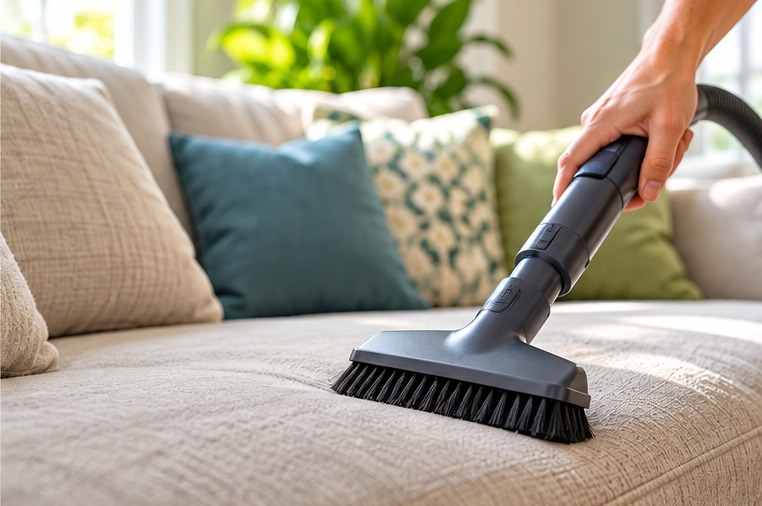
16. Vacuum Upholstery
Sofas and chairs collect dust, crumbs, pet hair, and the occasional lost snack. Use the vacuum attachments to clean upholstery. Remove cushions when possible. Vacuum seams and crevices.
Check the furniture's cleaning code before using liquids or upholstery cleaners. The guide to furniture and upholstery cleaning can help decipher those confusing upholstery cleaning codes.
17. Clean Door Handles and Light Switches
These small areas are easy to overlook. They're also touched frequently. Wipe door handles, cabinet pulls, and light switches using suitable cleaning methods.
Apply cleaners to a cloth rather than spraying directly into electrical switches or outlets. Avoid excess moisture.
For disinfection when needed, choose a compatible product and follow its label instructions.
These quick jobs take very little time. And they can make frequently touched areas look noticeably cleaner.
18. Use a Laundry Basket for the Final Clutter Sweep
Before finishing a room, grab an empty laundry basket. Walk through and collect items that belong elsewhere. Books. Toys. Shoes. Mail. Clothing.
Then take the basket around the house and return everything to its proper place. This can be faster than making a separate trip for every misplaced object.
Just don't leave the full basket sitting in the hallway for three days. That's not a shortcut. That's relocating the problem.
19. Skip Low-Priority Jobs When Time Is Short
Here's a spring cleaning shortcut that doesn't involve a single cleaning product.
Give yourself permission to skip tasks that aren't urgent.
If you only have an hour, don't spend it polishing the inside of a rarely used cabinet. Focus on the jobs that make the greatest difference.
For example:
- Kitchen counters
- Bathrooms
- Floors
- Visible dust
- Frequently used furniture
- Dirty bedding
Save less urgent projects for another day. Of course, don't postpone safety-related maintenance, active leaks, significant mold problems, or other conditions that need prompt attention.
But ordinary cosmetic cleaning can wait. Nobody is handing out medals for washing the underside of the dining room table.
20. Stop When the House Feels Clean Enough
This may be the best shortcut of all. You don't have to finish every possible cleaning task. If the main rooms are comfortable, the bathrooms are clean, the kitchen is usable, and the floors are reasonably tidy, you've accomplished something worthwhile.
Take a look around. Enjoy the results. Then put the cleaning supplies away. A home is meant to be lived in. Not maintained in a permanent state of inspection readiness.
And spring is far too nice a season to spend entirely indoors cleaning things nobody can see.
Five Spring Cleaning Mistakes That Waste Time
1. Cleaning Before Decluttering
Moving piles around to wipe beneath them takes longer than clearing the area first.
2. Starting Too Many Projects
Finish one manageable task before beginning another.
3. Using the Wrong Cleaning Products
Choose products appropriate for the surface and follow the instructions.
The wrong product can damage materials or create unnecessary work.
4. Cleaning Floors Too Early
Dust higher surfaces first so you don't have to repeat the floor cleaning.
5. Expecting a Perfect House
A realistic cleaning plan is easier to complete than an impossible one.
Spring Cleaning Shortcut Checklist
Use this list to get the biggest results in the least time.
- Choose the rooms that need attention most.
- Set a realistic time limit.
- Remove obvious clutter.
- Gather cleaning supplies.
- Dust from top to bottom.
- Let suitable cleaners work as directed.
- Wipe visible surfaces.
- Spot-clean walls and doors.
- Clean mirrors and glass.
- Refresh the main bathroom.
- Wipe kitchen appliances.
- Clean one refrigerator section.
- Change bedding.
- Vacuum upholstered furniture.
- Clean frequently touched surfaces.
- Vacuum or sweep floors.
- Mop where needed.
- Return misplaced belongings.
- Schedule any unfinished deep-cleaning projects.
- Put away supplies and enjoy the results.
Frequently Asked Questions
What Is the Fastest Way to Spring Clean a House?
Start with clutter removal, then clean the kitchen, bathrooms, visible surfaces, and high-traffic floors. Work from top to bottom and save less urgent projects for later.
Can I Spring Clean My House in One Day?
You can complete a meaningful spring cleaning session in one day, but a thorough deep cleaning may take longer depending on the home's size and condition. Prioritize the areas that matter most.
What Should I Clean First During Spring Cleaning?
Begin by removing clutter and trash. Then dust higher surfaces, clean counters and fixtures, and finish with floors.
How Can I Make Spring Cleaning Easier?
Gather supplies before starting, divide work into short sessions, follow cleaning product instructions, and focus on high-impact tasks rather than trying to clean everything at once.
What Spring Cleaning Jobs Can I Skip?
You can postpone low-priority cosmetic tasks when time is limited. Don't ignore urgent safety, sanitation, moisture, or maintenance problems.
Do I Need Special Spring Cleaning Products?
Usually not. Many routine tasks can be handled with suitable everyday cleaning products and basic tools such as microfiber cloths, a vacuum, and a mop.
The Bottom Line: Spring Cleaning Doesn't Have to Take All Spring
A cleaner home doesn't require a three-day cleaning marathon. And it certainly doesn't require spending a beautiful Saturday afternoon scrubbing the inside of a cabinet nobody opens. Start with the rooms you use most.
Clear the clutter. Clean from top to bottom. Focus on the jobs that make the biggest difference. And use short, manageable cleaning sessions instead of trying to tackle everything at once.
The best spring cleaning shortcuts don't just save time. They help you spend that time where it matters most.
When you're finished, open the windows if outdoor conditions are suitable, enjoy your freshly cleaned space, and go do something fun.
Spring will be over before you know it. And the dust will still be here next week.
Keep Going
Make spring cleaning easier with these related guides:
- Speed Cleaning Your Home: Fast cleaning strategies for busy days.
- Spring Cleaning Without Chemicals: Explore gentler cleaning approaches and product choices.
- Weekly House Cleaning Checklist: Keep everyday messes under control.
- House Cleaning Schedule: Create a practical routine that fits your household.
- How to Declutter Your Home: Clear unnecessary belongings before cleaning.
- Cleaning Lighting Fixtures: Safely clean lamps, shades, and fixtures.
- Home Cleaning Tips: Find more practical advice for cleaning every room.
- Clean Home
- Clean
- Easy Spring Cleaning Shortcuts
Free 15-Minute Daily Reset Checklist
Get Notes on Keeping House
Fifteen minutes a day. No weekend cleaning marathons. No guilt. Sign up for my newsletter and I'll send you the printable checklist that makes it happen.
Send My ChecklistNo spam, ever. Unsubscribe anytime.
Free Printable
Notes on Keeping House
Sign up and get my 15-Minute Daily Reset Checklist. One timer, five zones, and a house that stays under control.
Send My ChecklistNo spam, ever. Just smart, funny tips for keeping house from Tara Aronson.