7 Resolutions for a Cleaner New Year (No Cleaning Marathons)
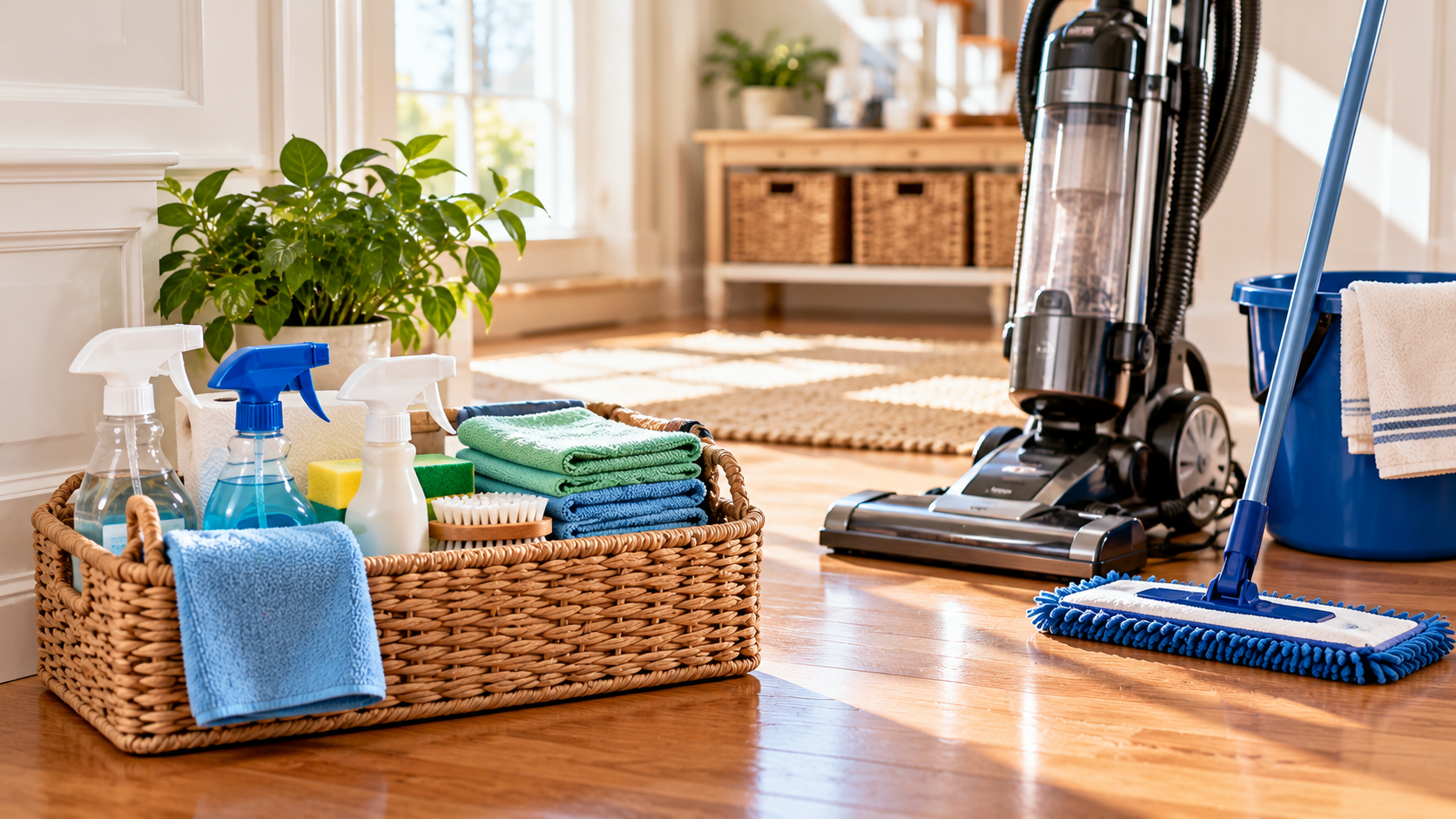
The holidays are over. The decorations are coming down. The last of the cookies have disappeared. And somewhere beneath the wrapping paper, pine needles and mysterious sticky spots on the kitchen counter, your house is waiting to be cleaned.
Since the holidays probably got you into the habit of making lists and checking them twice, why not put that talent to work on a housecleaning plan?
Relax. I’m not suggesting you spend the new year attached to a vacuum cleaner. A cleaner home doesn’t require endless scrubbing or a perfectly polished kitchen every evening. What it does require is a little planning, a few helpful habits, and a willingness to share the workload.
What are good New Year’s cleaning resolutions? Get the whole family helping, pick up for 10 minutes every night, follow a simple weekly routine (bathrooms, vacuuming, dusting, sheets), do one or two monthly jobs per weekend, and put seasonal, twice-a-year and yearly tasks on the calendar so they don’t pile up.
These seven resolutions for a cleaner New Year will help you get started. And the best part? You can begin any month of the year.
1. Make Housecleaning a Family Affair
Let’s begin with one of the most important resolutions: stop trying to do everything yourself.
If several people live in your home, several people can help keep it clean. Yes, even the little ones. The trick is giving each person chores that match their age:
- Preschoolers: Put toys in baskets, carry unbreakable dishes to the counter, and take lightweight clothes to the hamper.
- Elementary-school kids: Make their beds, put away clean clothes, wipe up simple spills, and set or clear the table.
- Teenagers: Vacuum, dust, clean the bathroom sink, mirror and toilet, and do their own laundry.
- Adults: Split the rest fairly, based on work schedules and who’s actually home.
Naturally, you’ll need to show kids how each chore is done. And yes, a child’s freshly made bed may conceal a sheet that’s been scrunched into a ball underneath the comforter. Progress, not perfection.
Keep cleaning chemicals up high or behind a cabinet lock. Little kids should help with water, a cloth and a dustpan, not spray bottles.
Make the Expectations Clear
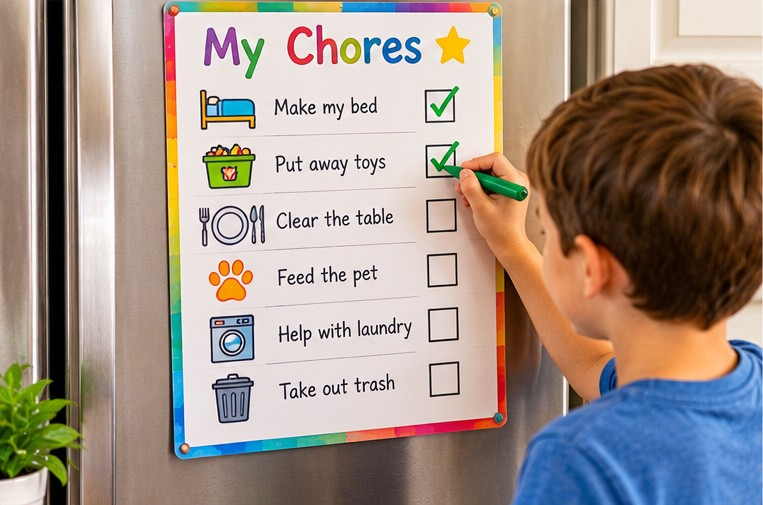
Instead of announcing, “Everybody needs to help more around here,” give each family member specific jobs. A simple chore chart on the fridge can eliminate a lot of confusion.
Rotate the unpopular jobs every week so nobody is stuck with the toilet forever. And don’t forget to thank people.
When the whole family pitches in, cleaning becomes a shared responsibility instead of one person’s never-ending job. For a full list by age, see our house chores for kids by age.
2. Establish a Few Daily Cleaning Habits
Daily cleaning doesn’t have to take hours. The best daily habits are the small ones that keep bigger messes from developing.
Pick Up Before Bed
Spend five to ten minutes putting everyday things back where they belong: shoes, backpacks, toys, books, and anything else that wandered into the wrong room.
Waking up to a reasonably tidy living room is a much nicer start to the day than stepping over yesterday’s clutter.
Stay Ahead of Dirty Dishes
Wash dishes or load the dishwasher right after meals. Wipe the counters with hot, soapy water, and always right after handling raw meat. Don’t leave spills and crumbs until tomorrow.
After all, nobody enjoys waking up to a sink full of dirty dishes. Especially when there’s no clean coffee mug.
Keep Bathroom Moisture Under Control
- Squeegee the shower walls and doors after every shower. It takes 30 seconds and keeps water spots and soap scum from building up.
- Run the exhaust fan during your shower and for about 20 minutes afterward.
- Hang towels spread out so they dry.
- Leave the shower curtain pulled closed so it dries instead of bunching it up.
These habits cut down on the dampness that mold and mildew love.
Do a Quick Evening Reset
Before bed, check the kitchen and main living areas. Put away obvious clutter, wipe up spills, and set up anything that will make the morning easier, like packed lunches or the coffee maker. The goal isn’t a spotless house. It’s a home that doesn’t greet you with yesterday’s mess.
3. Make Weekly Cleaning More Manageable
Some chores need regular attention but don’t have to be done every day. That’s where a weekly routine comes in.
Vacuum Carpets and Rugs
Vacuum once a week, and twice a week in entryways, hallways and anywhere the dog sleeps. Go slowly. Fast passes push dirt around instead of picking it up. Empty the canister or change the bag when it’s about two-thirds full, because a stuffed vacuum loses suction.
If someone in your house has allergies or asthma, a vacuum with a HEPA filter keeps fine dust from blowing back into the room.
Dust Without Redistributing the Dust
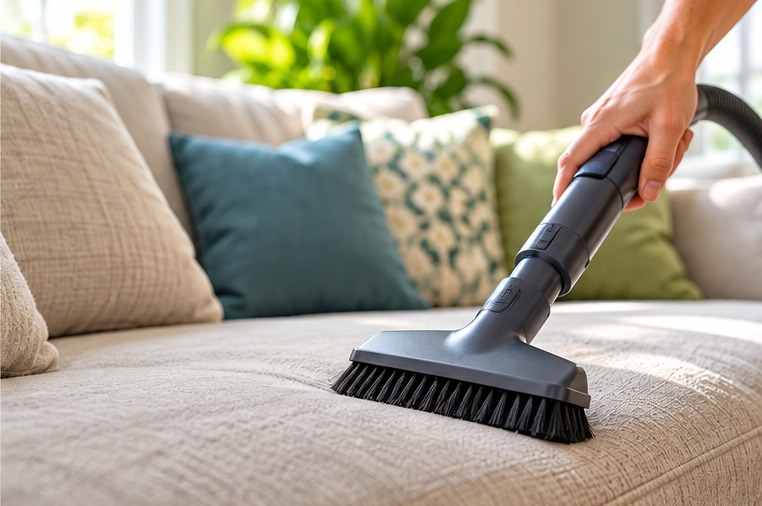
Dusting should remove dust, not launch it into the air so it can settle somewhere else. Use a microfiber cloth. Dampen it lightly for most hard surfaces, and use it dry on electronics and screens. Use the vacuum’s soft brush attachment on upholstery, lampshades and vents.
Work from top to bottom. That way, you won’t have to dust the coffee table twice.
Clean the Bathrooms
Once a week:
- Squirt toilet bowl cleaner under the rim and let it sit while you clean the rest of the room.
- Wipe the sink, faucet, counter and mirror.
- Scrub the tub or shower to remove soap scum.
- Wipe the outside of the toilet, top to bottom: handle, lid, seat, base.
- Scrub the toilet bowl and flush.
- Sweep and mop the floor.
For everyday cleaning, soap and water or a regular bathroom cleaner is enough. Save disinfecting for when someone in the house is sick, and follow our surface disinfecting guide when you do.
Never mix bleach with ammonia, vinegar or other cleaning products. It creates toxic fumes.
Change and Wash the Sheets
Wash sheets and pillowcases once a week in the warmest water the care label allows. Our Laundry & Stain Removal Guide has the details.
And if you have a mountain of laundry waiting, remember that the washing machine doesn’t care whether it’s Tuesday or Saturday. Pick a laundry day that works for your household.
4. Set Aside Time for Monthly Cleaning
Some jobs are easy to overlook because they don’t demand frequent attention. You don’t need an entire Saturday for these. Do one or two each weekend.
Clean Household Trash Cans
Kitchen and bathroom trash cans collect spills, residue and smells.
Empty them, wash them with hot water and dish soap, and rinse. To disinfect, wipe the inside with a bleach solution of 1/3 cup bleach per gallon of water, leave it on for a minute, then rinse. Let the cans dry completely before putting in a new bag.
Give the Refrigerator a Once-Over

Toss forgotten leftovers (most are good for three to four days), leaking containers and anything past its prime. Wipe the shelves and drawers with warm, soapy water.
If you take out glass shelves to wash them, let them warm up to room temperature first. Cold glass hit with hot water can crack. Dry everything before you put the food back.
A monthly fridge check also shows you what to use up before your next grocery trip.
Check the Small Trouble Spots
Look at the places where dust and grime pile up:
- Light switches and door handles
- Baseboards in busy rooms
- Cabinet fronts, especially around the handles
- Window tracks and sills
- Under the furniture you use most
- Entryway mats and shoe storage
You don’t have to clean every one every month. Pick what looks worst. A flexible routine works much better than a cleaning schedule that makes you feel perpetually behind.
5. Add Seasonal Cleaning to Your Calendar
As the seasons change, give a little extra attention to areas that don’t need frequent cleaning. Spring and fall are the natural times for these.
Wash Windows and Sills
Mix 1/4 cup of white vinegar into 2 cups of water in a spray bottle, spray, and wipe with a microfiber cloth or newspaper. Vacuum the tracks with the crevice tool, then wipe the sills. For second-story windows, hire a window washer instead of climbing a tall ladder.
Clean windows make a noticeable difference in how bright a room feels. And they’re considerably more enjoyable when you don’t have to perform acrobatics to reach them.
For more, see how to get windows clean for less cash.
Check the Fridge Door Seals
Wipe the rubber door gaskets with warm, soapy water to remove crumbs and sticky spills, which can keep the door from sealing.
Then try the dollar-bill test: close the door on a dollar bill. If it slides out easily, the seal is leaking cold air. Do this in a few spots around the door. A leaky gasket wastes energy and should be replaced.
Refresh Seasonal Storage
As you put away seasonal clothing, decorations and equipment, ask whether everything still deserves storage space. Clean things before you pack them, group similar items together, and label every container clearly.
6. Schedule Twice-a-Year Deep-Cleaning Jobs
These need more attention than your weekly routine provides, but only a couple of times a year.
Clean the Refrigerator Coils
Dusty condenser coils make your fridge work harder. Unplug the fridge, find the coils (behind the bottom grille in front, or on the back), and vacuum them with the brush attachment or a long coil brush. Plug it back in. Do it twice a year, and more often if you have pets that shed.
Some newer refrigerators have sealed coils that don’t need cleaning. If you can’t find yours, check the manual.
Give the Mattress Some Attention
Vacuum the top and sides with the upholstery attachment. Rotate it head-to-foot every three to six months so it wears evenly.
Most newer mattresses are one-sided, so rotate them, but don’t flip them. If yours has a pillow top on only one side, it’s one-sided.
Clean Blinds and Curtains
Dust blinds with a microfiber cloth or the vacuum’s brush attachment, working top to bottom. Wash curtains if the care label says they’re washable. Lined draperies and silk usually need dry cleaning.
This is also a good time to clean the windows behind them. You may be surprised by how much dust has been hiding there. See our guides to cleaning window blinds and washing curtains.
Clean the Gutters
Clean the gutters in spring and fall, and again after big storms if you have a lot of trees. Clogged gutters overflow and can send water into the foundation. For a two-story house, hire a pro. Climbing onto the roof isn’t a cleaning resolution worth risking an injury over.
7. Plan Annual Cleaning and Home Maintenance
These jobs are as much about maintaining your home as keeping it clean.
Deep-Clean Carpets and Upholstery
Have carpets professionally cleaned every 12 to 18 months. Many carpet warranties require it, so keep the receipt. See our tips for hiring a carpet cleaning service.
For upholstery, check the cleaning code on the tag under the cushions before you use anything wet:
CodeW S W/S or SW X |
What it meansWater-based cleaners are OK Solvent-based cleaners only; no water Either is OK Vacuum only; no liquids at all |
Schedule Chimney and Fireplace Maintenance
If you have a fireplace or wood stove, the National Fire Protection Association recommends a chimney inspection every year, with cleaning and repairs as needed. Hire a certified chimney sweep.
Check Heating and Cooling Systems
ENERGY STAR recommends checking your HVAC filter every month and changing it at least every three months. Have the system serviced once a year: furnace in the fall, AC in the spring.
You don’t need to have your ducts cleaned every year. The EPA says it’s only needed if you see mold, find evidence of mice or insects, or have vents blowing out visible dust.
Clean Light Fixtures and Ceiling Fans
Turn off the light and let the bulbs cool. Remove glass shades and wash them in warm, soapy water. Wipe the fixture with a dry or barely damp cloth, and never spray cleaner directly onto it. For ceiling fans, slide an old pillowcase over each blade and pull it back to catch the dust.
For high fixtures, use a sturdy step ladder with someone holding it, or an extendable duster.
More in our guide to cleaning lighting fixtures.
Clean Walls, Cabinets and Woodwork
Wash fingerprints and scuffs off painted walls with warm water and a drop of dish soap on a soft sponge. Test a hidden corner first, because flat paint can rub off. Wipe cabinet fronts and baseboards the same way.
Wood floors don’t need resealing on a schedule. Recoat them when the finish looks dull and worn in the traffic paths. See how to clean hardwood floors.
A little preventive care keeps your home looking better and helps you avoid hefty repair bills.
How to Make Your Cleaning Resolutions Stick
Here’s the secret to keeping your New Year’s cleaning resolutions: don’t make them so ambitious that you give up by February.
Start with the daily habits. Add a manageable weekly routine. Then work the monthly, seasonal and yearly jobs into your calendar.
If you miss a week, don’t try to make up every unfinished chore in one exhausting Saturday. Just restart with the jobs that matter most.
Your First-Week Cleaning Reset
Not sure where to begin? Try this:
• ☐ Spend ten minutes each evening picking up the main living areas.
• ☐ Give each family member one chore that fits their age.
• ☐ Choose a day for bathroom cleaning.
• ☐ Choose a day for vacuuming and dusting.
• ☐ Put one monthly cleaning job on your calendar.
That’s enough to get the routine moving.
A cleaner home is the result of habits you can repeat, not one heroic weekend of scrubbing.
Is Clutter Making Your House Harder to Clean?

Too Much Stuff? Not Enough Space? Clear the clutter, let go of the guilt, and reclaim your home, one room at a time. Discover I Might Need That Someday by Tara Aronson.
Cleaner New Year FAQ
What should I clean every day, week and month?
Every day: a 10-minute pickup, dishes and counters. Every week: bathrooms, vacuuming, dusting and sheets. Every month: trash cans, the fridge, and trouble spots like light switches and baseboards. The schedule table at the top of this page has the full list.
How often should I deep-clean my house?
There’s no need to deep-clean the whole house at once. Spread it out: seasonal jobs (windows, fridge seals) in spring and fall, twice-a-year jobs (fridge coils, mattress, blinds, gutters), and yearly jobs (carpets, chimney, HVAC).
How often should carpets be professionally cleaned?
Every 12 to 18 months for most homes, and more often if you have pets or kids. Many carpet warranties require professional cleaning, so keep your receipts.
Do I need to have my air ducts cleaned?
Not routinely. The EPA says duct cleaning is only needed if there’s visible mold, signs of mice or insects, or so much dust that it blows out of the vents.
What do the cleaning codes on upholstery mean?
W means water-based cleaners are OK. S means solvent only, no water. W/S means either is fine. X means vacuum only, with no liquids at all.
How do I get my family to help clean?
Give each person specific chores that fit their age, put them on a chart, rotate the least popular ones, and thank people for doing them. Show kids how to do each job, and don’t redo their work in front of them.
Keep Going
Keep your cleaner New Year on track with these related guides:
• Have an Organized New Year: The other half of a fresh start: decluttering, labeling and a calmer family calendar.
• January Cleaning Checklist: Fifteen jobs to tackle in the first month of the year.
• A Weekly Home Cleaning Checklist: A weekly routine built for busy households.
• Easy Kitchen Cleaning Tips: Shortcuts for the room that gets dirty fastest.
• Easy Bathroom Cleaning Tips: Speed-clean the bathroom in less time.
• Make Disinfecting Wipes at Home: A cheap DIY recipe for the jobs that need disinfecting.
• How to Winterize Your Home: January maintenance that keeps the cold out.
• Green Cleaning: Clean with less harsh stuff and spend less money.
Here’s to a cleaner New Year, fewer marathon cleaning sessions, and more time to enjoy your home.
Because a house that’s easier to clean leaves more time for the people living in it. And that’s a resolution worth keeping.
As an Amazon Associate, I earn from qualifying purchases.
- Clean Home
- Clean
- Resolutions for a Cleaner New Year
Free 15-Minute Daily Reset Checklist
Get Notes on Keeping House
Fifteen minutes a day. No weekend cleaning marathons. No guilt. Sign up for my newsletter and I'll send you the printable checklist that makes it happen.
Send My ChecklistNo spam, ever. Unsubscribe anytime.

Free Printable
Notes on Keeping House
Sign up and get my 15-Minute Daily Reset Checklist. One timer, five zones, and a house that stays under control.
Send My ChecklistNo spam, ever. Just smart, funny tips for keeping house from Tara Aronson.