15 Gardening Games for Kids
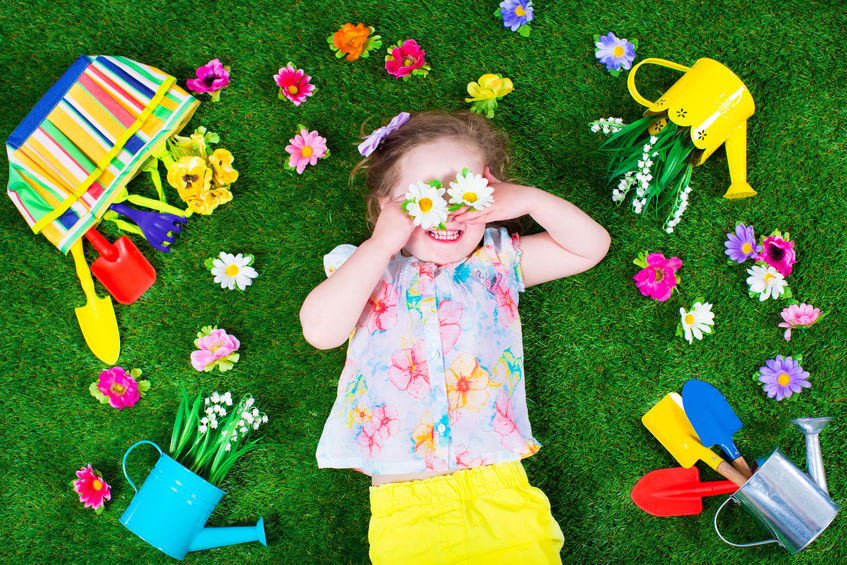
Tell a child you're going to spend Saturday gardening, and you may get a response normally reserved for news that the Wi-Fi is down.
Tell the same child there's a competition to find the weirdest bug in the backyard. Suddenly, you have volunteers.
Gardening with kids works better when it doesn't feel like disguised yard work. Kids don't need a fancy children's garden or color-coordinated mini tools. They need something to find, plant, measure, chase, count, dig, water or investigate. And preferably permission to get dirty. These gardening games for kids turn ordinary backyard jobs into fun, and sneak in a surprising amount of learning along the way.
First, a Quick Safety Check
Before the expedition starts, walk the yard and put away sharp tools, pesticides and fertilizers. Look for thorns, stinging insects, standing water, hot surfaces and anything the dog left behind.
And teach the number one garden rule: never eat a plant, berry or mushroom unless a grown-up says it's safe. Little ones need close supervision. Then let them explore. A little dirt is sort of the point.
1. Garden Scavenger Hunt
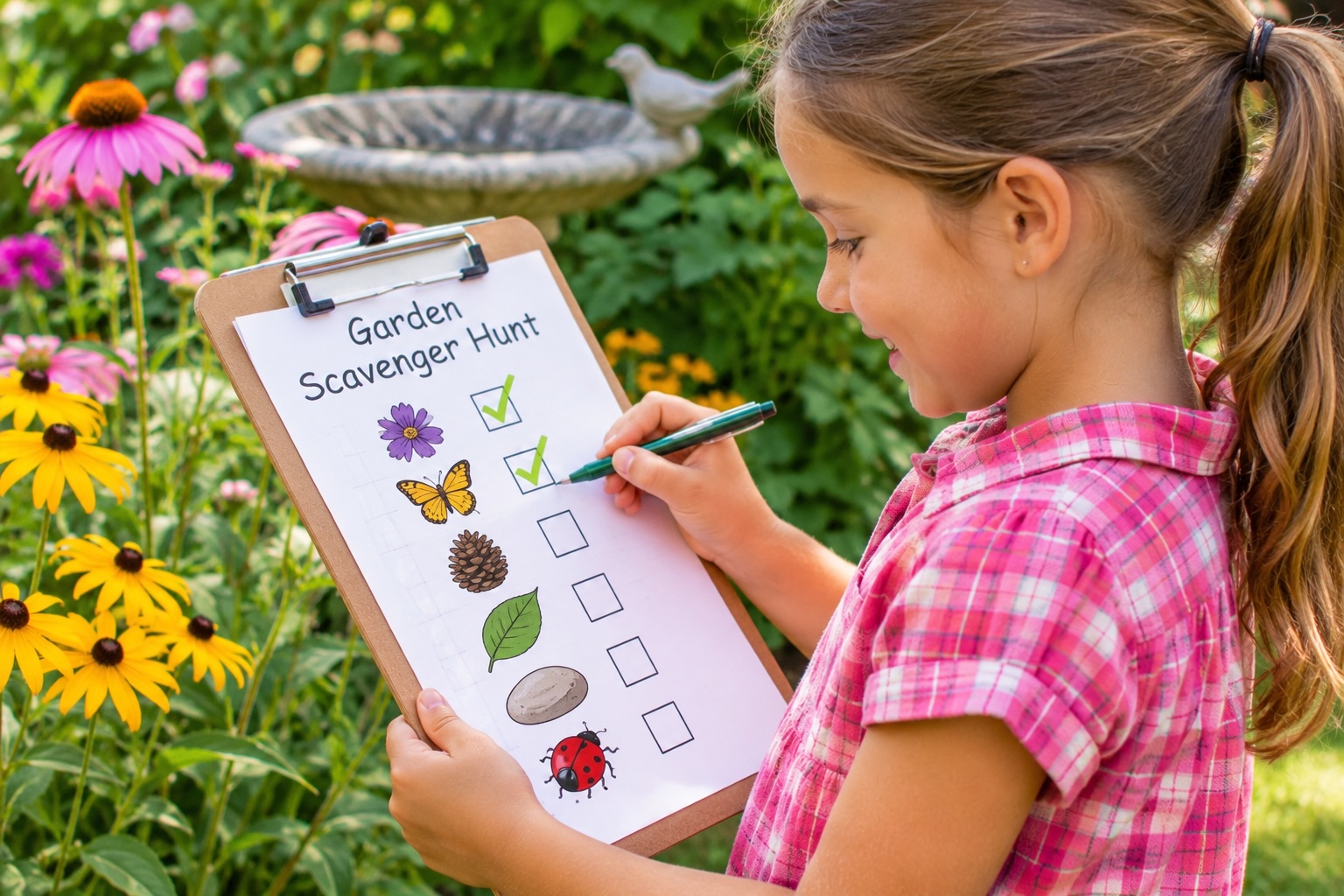
The easiest place to start, because you need almost nothing. Give each child a list: something yellow, a smooth rock, a fuzzy leaf, a feather, something that smells good, a seed, a twig shaped like a letter, an insect, something smaller than a fingernail and three different kinds of leaves. Kids can check items off or snap a photo instead of picking things. The goal is to explore the garden, not dismantle it.
For older kids, make it harder: instead of "find a flower," try "find three different flower shapes." Instead of "find an insect," try "find an insect that's helping the garden." Now ten minutes outside is an observation lesson, and nobody announced anything educational. Never reveal your methods.
2. Good Bug Detective
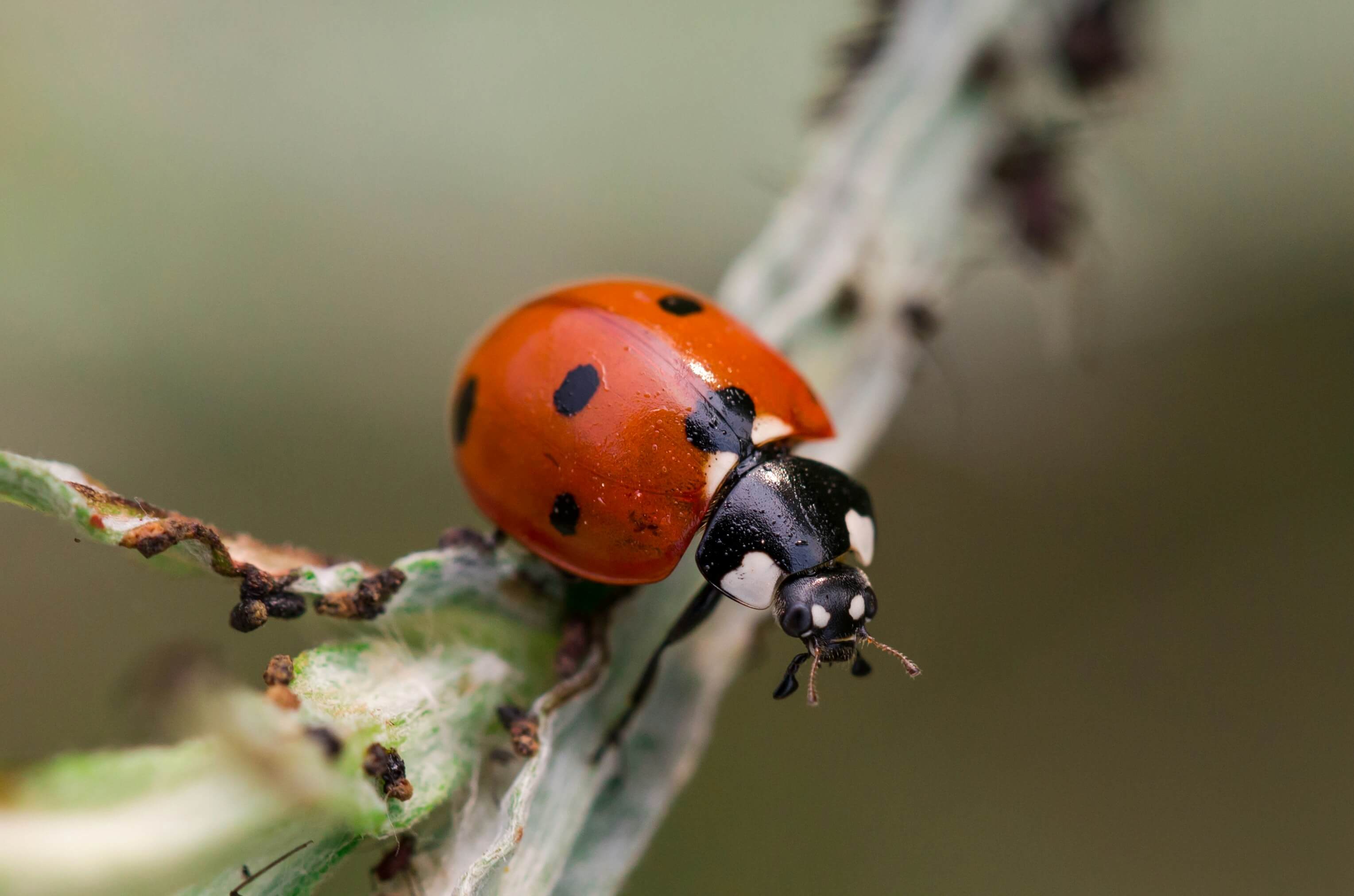
Not every bug in the garden is the enemy. Send kids to find insects and decide: garden helper, garden pest or just passing through? Ladybugs, bees, lacewings, butterflies, aphids, beetles and caterpillars are all fair game.
Look, don't touch, and take photos to identify later with our guides to beneficial garden insects and common garden pests. It's a great way to stop kids from assuming every six-legged creature requires immediate execution. Some of them are working for you.
3. Five-Senses Hunt
Find something to see (a bright flower), hear (a bird or a buzzing bee), smell (an herb you know is safe) and touch (a fuzzy leaf or rough bark). For taste, a grown-up hands out something you know is edible, like a cherry tomato, a strawberry or a mint leaf. The garden is a great classroom. It does not need to become a buffet of unidentified vegetation.
4. Seed Sorting Challenge
Before you plant, pour a few kinds of seeds into separate dishes. Which is biggest? Smallest? Roundest? Which looks least like something that could become a plant? Then match each seed to its packet. Older kids can predict which will sprout first or grow tallest. Write the predictions down, and see who was right. It turns planting into an experiment instead of "put this tiny thing in that hole and try not to lose it."
5. Seed-Growing Race
Plant two or more fast growers, like beans, radishes, sunflowers or zinnias, and label them. Kids track the date planted, the first sprout, height and number of leaves once or twice a week on a simple chart. Award ridiculous titles instead of just "tallest": First to Appear, Most Dramatic Growth Spurt, Best Hair and Most Likely to Take Over the Yard. Science benefits from categories.
6. Watering Target Practice
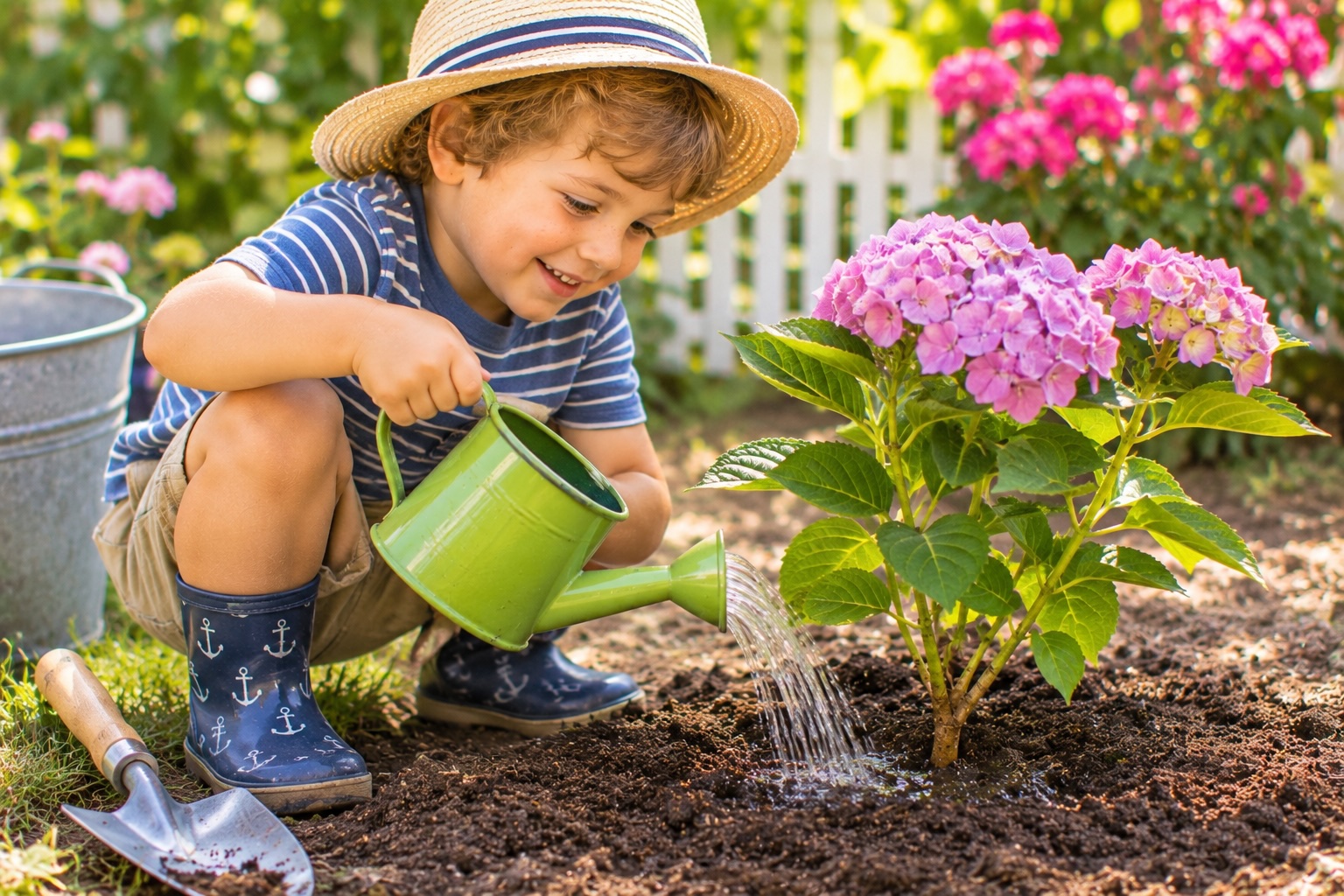
Turn watering into a precision game. The goal: water the soil around the plant's roots, not yourself, your sibling, the fence, the dog or a passing adult. Give little ones a small, easy-to-control watering can.
It teaches a real gardening skill, and it explains why plants want water at their roots instead of a dramatic shower from six feet away. The garden should be watered. The child does not need to be. Although this distinction may prove unpopular.
7. Color Hunt
ick a color and see how many examples kids can find. Start easy (green, yellow, brown), then get harder (purple, orange, white). How many shades of green can they find? The same color in a flower and an insect? It's perfect for little ones, and the game can last five minutes or half an hour, depending on how long you need to sit down.
8. Leaf Match
Gather a few fallen leaves and have kids find the plant each one came from, comparing shape, size, edges, veins and texture. Older kids can identify the plants. Little ones can just match shapes. Skip any plant you're not sure about. There's educational exploration, and then there's spending Saturday afternoon explaining poison oak to urgent care. Choose the first one.
9. Backyard Bingo
Make a bingo card with squares for a bird, a yellow flower, an ant, a spiderweb, a smooth rock, a butterfly, a seed, a fallen leaf and a bee. For older kids, make it trickier: a pollinator, a predator insect, an animal track, a plant with thorns, a leaf something has been eating and something decomposing. You can play again and again, because the backyard keeps changing. Also because ants have excellent attendance.
10. Weed Detective
Show kids two or three weeds you can identify with confidence, then challenge them to find those plants. A grown-up confirms each one before anybody pulls. This is important. A child told to "pull the little green plants" can achieve astonishing results in a flower bed. One rule: nobody pulls first and identifies later. Your petunias will thank you.
11. Garden Treasure Map
Hide a few safe objects around the yard, and draw a simple map with the house, the patio, a tree, the garden bed and the fence. Mark the treasures with an X. Add clues for older kids: "Take five steps past the lemon tree. Turn toward the fence. Look under something round."
Or let them make maps for each other. Just remember where you hid everything. Otherwise, six months from now, you'll find a plastic dinosaur under the rosemary and briefly question the fossil record.
12. Measure the Garden
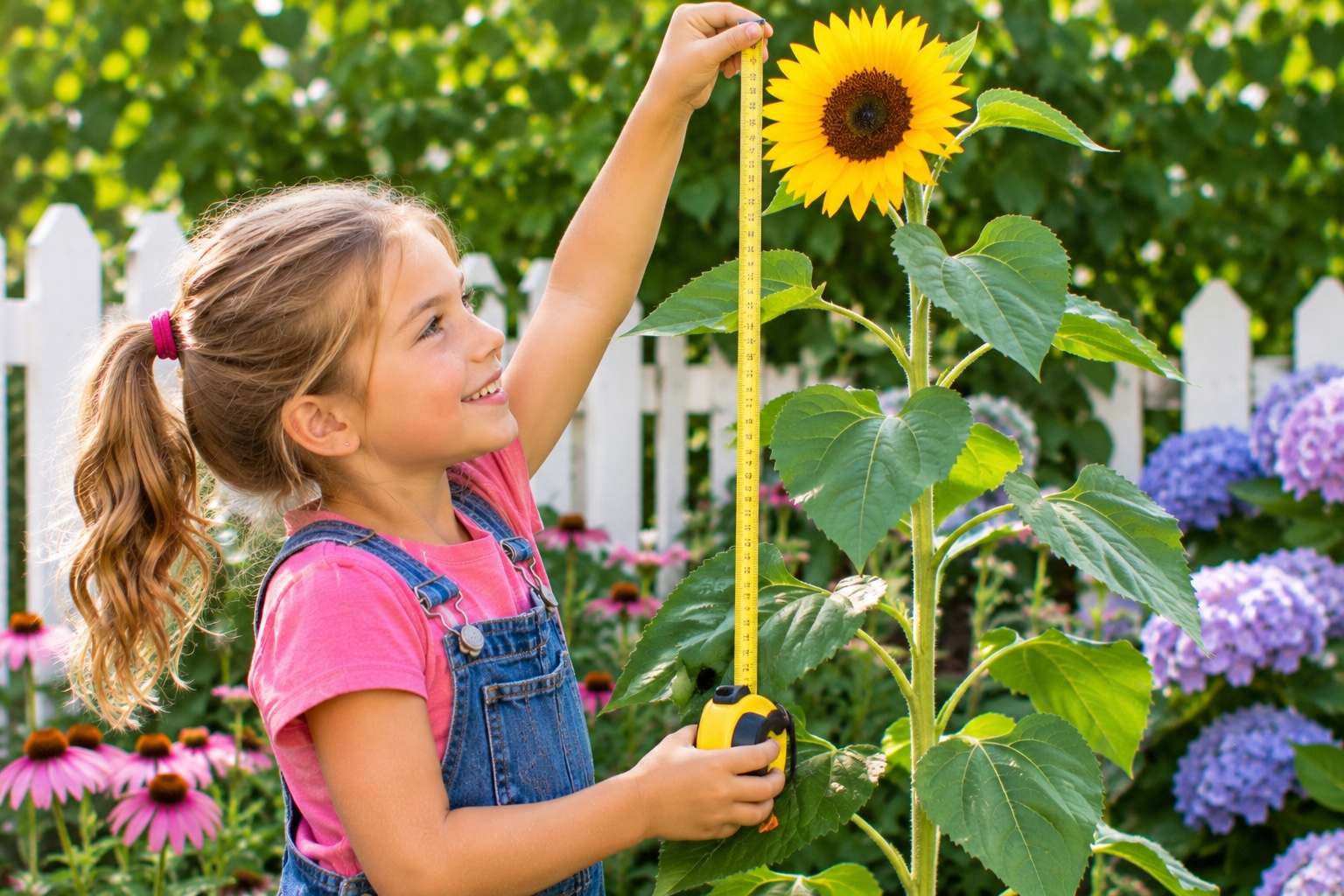
Hand kids a ruler or tape measure, and have them find the tallest plant, the shortest plant, the biggest leaf, the biggest flower and the length of the garden bed. Write it all down, then measure again in a week or a month. Kids get to watch things change instead of hearing grown-ups say, "Look how much it's grown!" Now they have evidence.
13. Make a Mini Garden
Give each child one container or a tiny patch of the garden bed that's theirs. Let them choose what to grow. They're in charge, with help, of planting, watering, measuring and harvesting. Keep it small. A three-foot plot that succeeds beats an ambitious kids' vegetable farm abandoned twelve minutes after planting. The point is ownership: this is my plant. Here's how to do container gardening for kids.
14. Garden Cleanup Race
Yes, we've reached the game that suspiciously resembles work. Set a timer for five or ten minutes, and give each child one specific job: collect fallen twigs, put away outdoor toys, gather empty pots or return the garden tools. Don't say, "Clean up the backyard." That's too vague. Say, "See how many outdoor toys you can put in the bin before the timer rings." Same yard. Different marketing department.
15. Mystery Garden Challenge
A great finale. Each child finds one thing that makes everyone else say, "What is THAT?" A strange seedpod, an animal track, an interesting rock, a spiderweb or something growing where nobody remembers planting it. Photograph it, and investigate it together. Don't touch unknown plants, bugs, mushrooms or animal droppings. The goal is to identify the mystery. Not become part of it.
Tips for Gardening Games That Work
- Let them get dirty. Gardening is dirty. That's not a design flaw. Dress kids in clothes that can handle mud, grass and the unidentified substance nobody admits touching, and wash hands well afterward. If the clothes come back worse than the kids, see our summer stain removal guide.
- Keep it short. Ten minutes of success is plenty for little ones. Stop while they're still having fun. If every game ends with "And now we're going to weed for 90 minutes!", they'll eventually recognize the trap.
- Use real tools when they're ready. Kids love real watering cans, hand trowels, small rakes and gloves. Teach them to use tools safely, including the fact that the rake does not need to become a sword. Sharp tools, power equipment and chemicals stay with the grown-ups.
- Turn chores into games. Instead of "Pick up the sticks," try "Who can find ten sticks?" Instead of "Look for weeds," try "I found three dandelions. Can you find four?" Same work. Less resistance. (Nobody has found the wording that makes cleaning out the garage irresistible. But gardening gives us a lot more material.)
Garden Games by Age
- Ages 3 to 5: Color hunt, watering with a small can, the scavenger hunt and digging in an approved spot. Keep it short and closely supervised.
- Ages 6 to 8: Backyard bingo, seed planting, leaf match, bug detective, measuring and cleanup races.
- Ages 9 to 12: Growing races, plant ID, treasure maps, weed detective and their own container.
- Teens: Give them a real project: plan a container garden, grow herbs or vegetables, help design a bed or photograph and identify backyard wildlife. The older they get, the less you need to disguise everything as a game. Eventually, being good at it is its own reward. Eventually.
Gardening Games for Kids: Quick Answers
What are easy gardening activities for kids?
A garden scavenger hunt, a color hunt, backyard bingo, a seed-growing race and watering target practice all take little or no setup.
How do you get kids interested in gardening?
Turn jobs into games, give them their own small plant or container, grow fast sprouters and things they can eat and keep sessions short.
What age can kids start gardening?
Toddlers as young as 2 or 3 can dig, water and hunt for colors with close supervision. School-age kids can plant, measure and care for their own plants.
What garden tools are safe for kids?
Small watering cans, hand trowels, small rakes, buckets and gloves. Keep sharp tools, power equipment and chemicals with the grown-ups.
Keep Going
Grow more backyard fun with these related guides:
- Container Gardening for Kids: Fun DIY pots and easy plants.
- Easy Gardening With Kids: Tips, plants and garden ideas.
- Beneficial Garden Insects: 10 good bugs to welcome.
- 12 Common Garden Pests: The dirty dozen.
- Yard Work With Kids: Outdoor chores by age.
- How to Worm Compost: Kids love the worms.
- Summer Laundry Stain Removal: For the grass and mud.
- Backyard Family Living: Make outdoor spaces more fun.
- Clean Home
- Backyard & Garden
- Gardening Games For Kids
Free Printable
Notes on Keeping House
Sign up and get my 15-Minute Daily Reset Checklist. One timer, five zones, and a house that stays under control.
Send My ChecklistNo spam, ever. Just smart, funny tips for keeping house from Tara Aronson.