10 Kitchen Cleaning Rules
Everyone in the House Has to Follow

The kitchen is the heart of the home. It's where we gather at the end of the day to eat, catch up and refuel. It's also where everyone drops their backpacks, mail, half-eaten granola bars and that permission slip that was due yesterday.
Which is why it's usually one of the messiest rooms in the house.
You could spend every evening cleaning up after everyone. Or you could make some rules. These 10 kitchen cleaning rules keep the clutter down, the crumbs contained and the cleanup shared, so there's more time for dinner and fun (and less time for you scrubbing alone at 9 p.m.).
Tip: Print this list and stick it on the fridge. It's much harder to argue with a rule that's posted.
1. The Kitchen Counter Is a No-Dumping Zone
Nothing gets plopped on the kitchen counter or table on the way in the door. Not backpacks, not mail, not sports bags, not mystery jackets. These are forbidden zones.
To make it easy to follow, set up an entryway drop zone where the day's stuff can land until it's needed.
2. Shoes Off at the Door
2. Remove Shoes at the Door
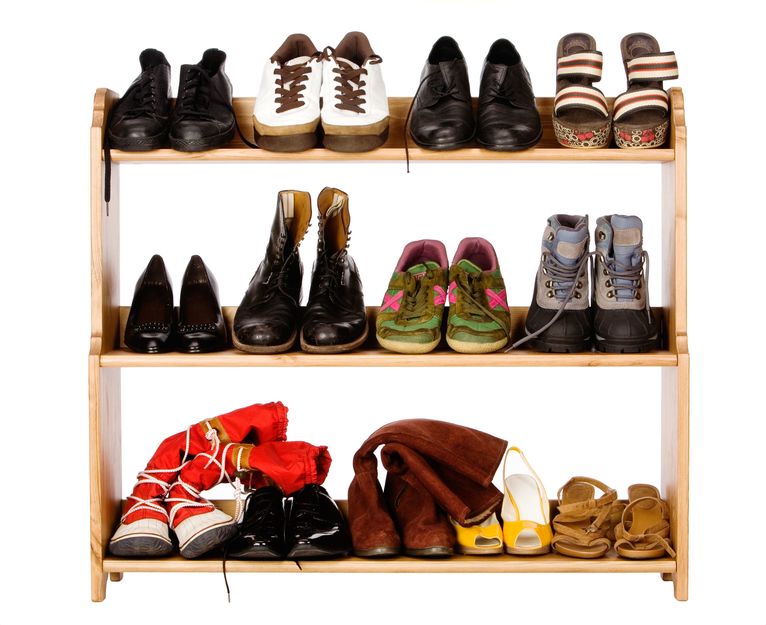
Shoes come off at the door, and coats and backpacks get hung up. A shoes-off policy leaves the day's dirt outside where it belongs, so your kitchen floor stays cleaner longer. And hanging things up right away goes a long way toward enforcing Rule 1.
3. Eat Only in the Kitchen or Dining Room
Confine eating to the kitchen and dining room, and you'll stop finding Goldfish crackers in the couch cushions and juice boxes under the bed. Bonus: it's a lot easier to keep tabs on what the kids are eating.
4. Clean Up After Yourself
If you're old enough to make yourself a snack, you're old enough to clean up after it. Put your dishes in the dishwasher (see Rule 5), put the peanut butter back where it lives and wipe up your crumbs.
5. Dirty Dishes Go in the Dishwasher, Not the Sink
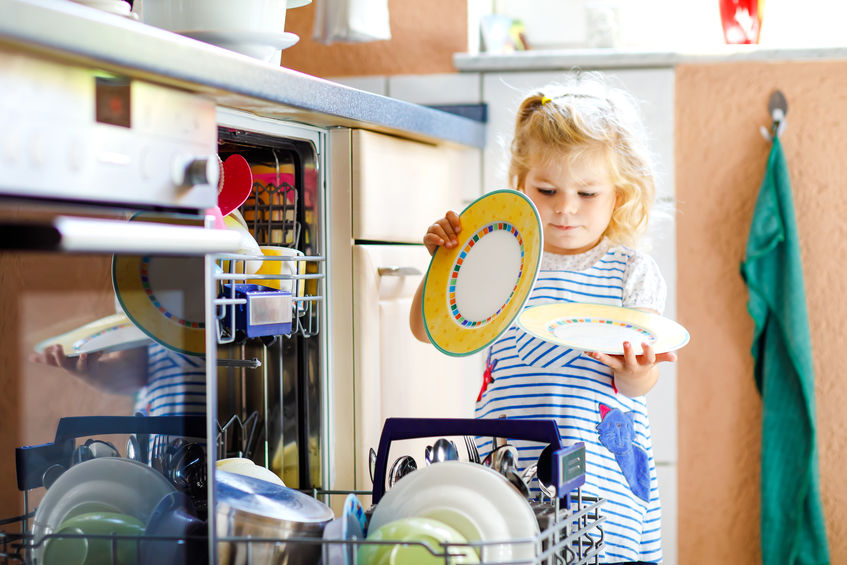
The sink is not a storage unit. Dirty dishes go straight into the dishwasher, which also uses less water than washing by hand. Only hand wash the big, bulky items that won't fit, or things that shouldn't go in, like wooden spoons and good knives.
And here's the rule that settles a thousand arguments: whoever finds the dishwasher full adds detergent and starts it.
6. Wipe Down the Counters After Use
Crumbs on the counter are a crummy way to live. They're also an engraved invitation to ants. (Need I say more?) Whoever uses the counter wipes it down when they're done.
7. Close the Cabinet Doors (and Drawers)
Some kids (and, let's be honest, some grown-ups) open a cabinet, find what they need and walk away, leaving the door open for the next person to bonk their head on. Nip this one in the bud: if you open it, you close it.
8. Ask to Be Excused, Then Clear Your Place
Don't just get up and leave the table. Ask the chef of the day to be excused; it's polite and respectful. Then take your plate with you, which brings us to...
9. Bus Your Own Plate
If you can reach the counter, you can carry your plate to the kitchen, scrape it and load it in the dishwasher. It's only fair that everyone pitches in. Not sure what's reasonable at each age? Here's a list of kitchen chores for kids by age.
10. Ask Before Snacking
Kids check with a parent before grabbing a snack or dessert. It helps you keep tabs on nutrition, and it heads off the after-school snack tornado that leaves wrappers on every surface.
Bonus Rules for Overachievers
Got the first 10 down? Add these:
- Run the dishwasher at night, unload it in the morning. Then there's always room for the day's dishes.
- Take out the trash when it's full. Not when it's overflowing and "someone else will do it."
- Label leftovers with the date, so nothing becomes a science experiment in the back of the fridge.
- The kitchen closes after dinner. Once it's clean, it stays clean until morning (with exceptions for midnight cereal, which must also follow Rule 4).
Kitchen Rules FAQs
How do I get my family to follow kitchen rules? Keep the rules short, post them where everyone can see them, and make them the same for everyone, grown-ups included. Consistency beats nagging every time.
What age can kids start helping in the kitchen? Even toddlers can carry their plastic plates to the counter. Older kids can load the dishwasher, wipe counters and take out the trash.
How do I keep my kitchen clean every day? Clean as you go, wipe counters after each use, load dishes right away and do a quick reset after dinner.
Rules Are Easier When Everyone's on Board
Writing the rules is easy. Getting everyone to follow them? That's the tricky part. My book The Daily Home Reset includes scripts for chore conversations with your family, so you can get everyone pitching in without nagging (or a mutiny).
Keep Going
Keep your kitchen clean and your family pitching in with these related guides:
- Kitchen Cleaning & Organizing: A Complete Guide: Everything you need for a clean, organized kitchen.
- Kitchen Chores for Kids by Age: Age-appropriate kitchen jobs for every kid.
- Daily Kids Chores by Age: Everyday jobs that teach responsibility.
- 7-Step Kitchen Cleaning: A sparkling kitchen, step by step.
- Entryway Organizing Tips: Stop clutter at the front door.
- Kitchen Safety Tips for Cooking: Keep germs off the menu.
- Ant Problem Solutions: Stop ants without spraying the house.
- Kitchen Energy Saving Solutions: Cook, chill and clean for less.
.
- Clean Home
- Kitchen Cleaning & Organizing
- 10 Kitchen Cleaning Rules