Light Fixture Cleaning Tips
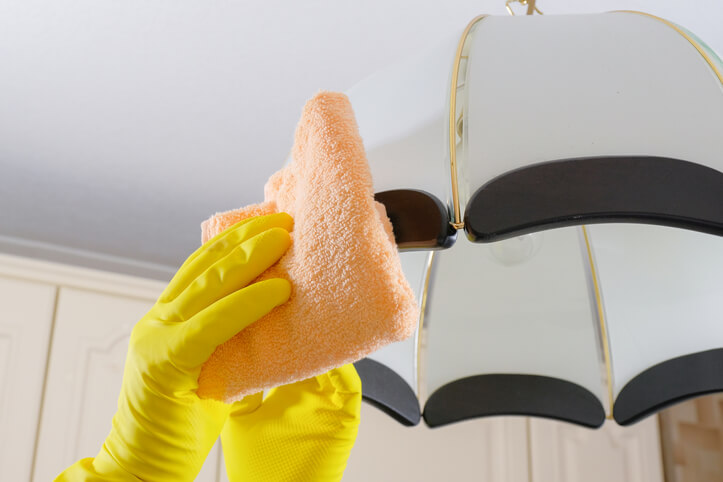
Light fixture cleaning tips. Dust, bugs, airborne cooking oils - it takes little time for these home-based interlopers to find their way onto your home's many light fixtures.
These soils dim your home's ambiance and fixtures' ability to put out all the wattage you're paying for.
The good news: Light fixture cleaning needn't be a supercharged effort. Regular once-overs with a rag or dust cloth, ideally whenever you do your routine house cleaning, but at least each time you change the bulb, will keep most of the grime from settling in for good.
Light Fixture Cleaning Tips
There are a few essential ground rules for cleaning these light fixtures.
First, adhere to the less-is-more adage when cleaning, especially if the manufacturer tags and finish information were recycled long ago.
Next, always ensure the light fixture is off before cleaning. To clean table lamps, sconces, and ceiling lights, carefully remove the shades and clean them according to the type of material (see below).
Wipe off the bulb and base with a damp cloth. Immerse ceiling lamp covers in hot, soapy water. Wash them gently, rinse them, and dry them.
Finally, check for frayed wires before attempting any light fixture cleaning. If you notice any damage, have it fixed before cleaning.
Cleaning Specialty-Finish Light Fixtures
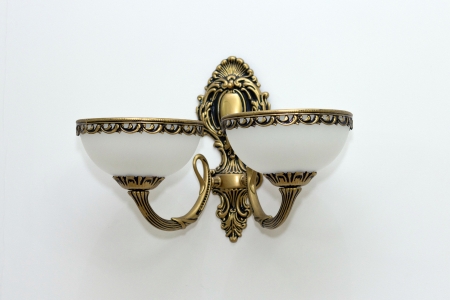
Whether your fixtures are sconces or lamps, brass, glass, or chrome, regular cleaning will keep them bright and attractive pieces of your home's decor. Of course, each has its challenges and individual needs.
If you've skipped a few buffing sessions and your brass, chrome, steel, nickel, or pewter light fixture is looking a bit dull, resist the urge to lather on brass or other abrasive cleaners, which can mar the manufacturer-applied wax or sealer that keeps the fixture looking its best.
Instead, gently rub the surface with a damp cloth. You can also contact the manufacturer or retailer for specific instructions on cleaning your specialty finish.
If your piece has been around for a while, that may not be possible, but these light fixture cleaning tips can help.
For brass light fixtures without a lacquer finish, cleaning involves little more than wiping the surface with a damp cloth and drying with a soft cloth.
Brass light fixtures with a factory-applied lacquer finish require only dusting and an occasional spot cleaning with a cloth dipped in warm water.
Don't use any cleaner on lacquered brass; it can cause the surface to tarnish or become scratched.
Glass fixtures, such as wall sconces, can be safely deep-cleaned with a mild cleaner, such as hand dishwashing liquid or glass cleaner, applied to the surface with a soft cloth.
Always wash glass light fixtures by hand, not in the dishwasher. Overly enthusiastic cleaning and harsh automatic dishwashing detergent can scratch some fixtures' decorative designs and coating.
Plastic recessed lighting covers, commonly found in kitchen cabinet under-counter lighting fixtures, can be cleaned in the sink with hand dishwashing liquid when they appear cloudy from cooking oils and dust.
For hard-to-reach fixtures, a stepladder, an extended-reach dust-and-dirt remover tool, and a vacuum dust brush will keep fixtures looking clean and grime-free.
Light Fixture Cleaning Tips For Dusty Lamp Shades
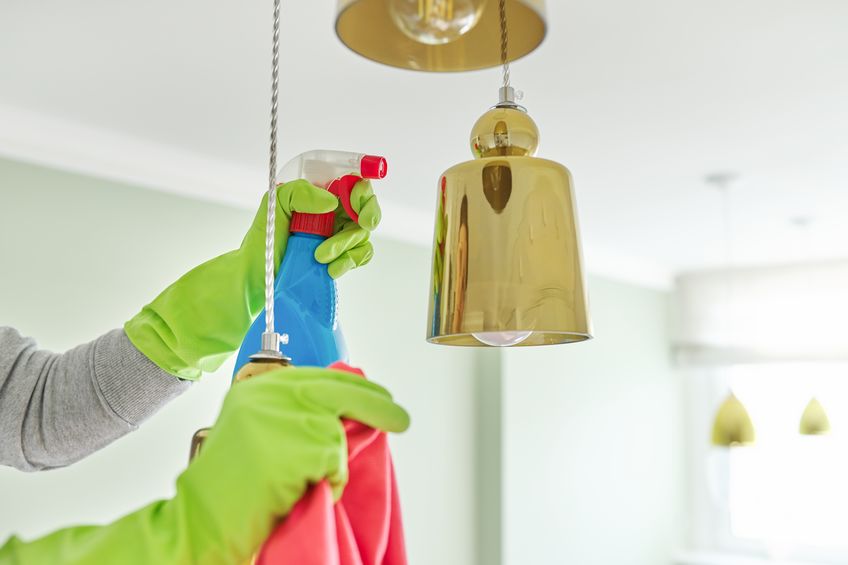
And those dusty lampshades? Use a vacuum cleaner to draw out the dust. This should be done as often as you dust and clean everything in your home.
Finally, ensure you're using the correct wattage for the lighting fixture to prevent shades from wearing out prematurely. Don't use more wattage than the fixture can handle. In many cases, manufacturers limit wattage. Too much wattage can burn the shade.
If you need clarification on the wattage, opt for a lower bulb to save energy. Since the power for lighting can account for up to 10 percent of your electric bill, you can save your lampshades and your pocketbook by lighting up your wattage.
If you're using 100-watt bulbs where 60-watt bulbs will do, consider replacing them. You can also switch to fluorescent bulbs.
The newer ones emit a warmer light similar to incandescent bulbs. Consider yourself enlightened!
- Clean Home
- Clean
- Light Fixture Cleaning Tips